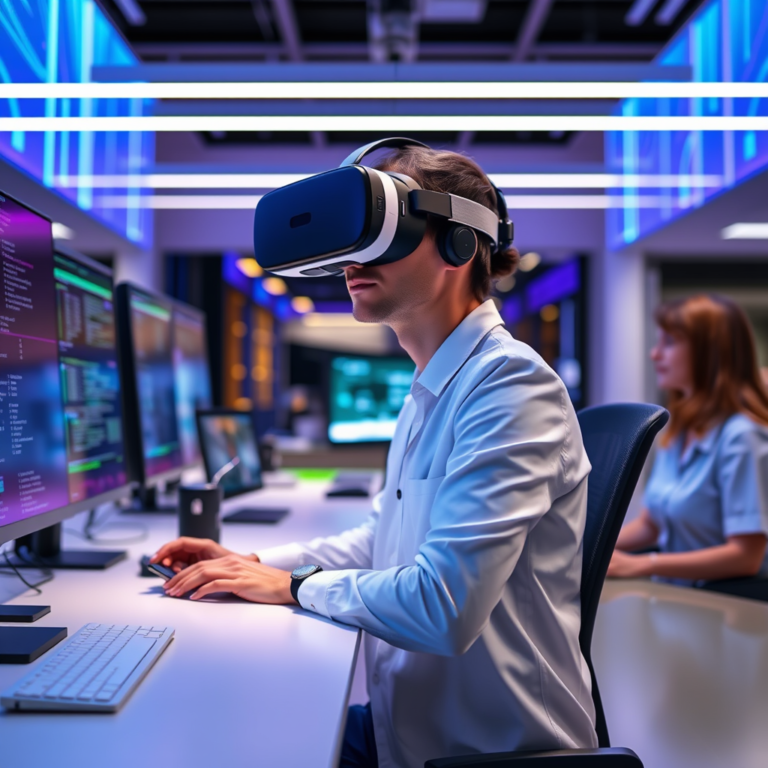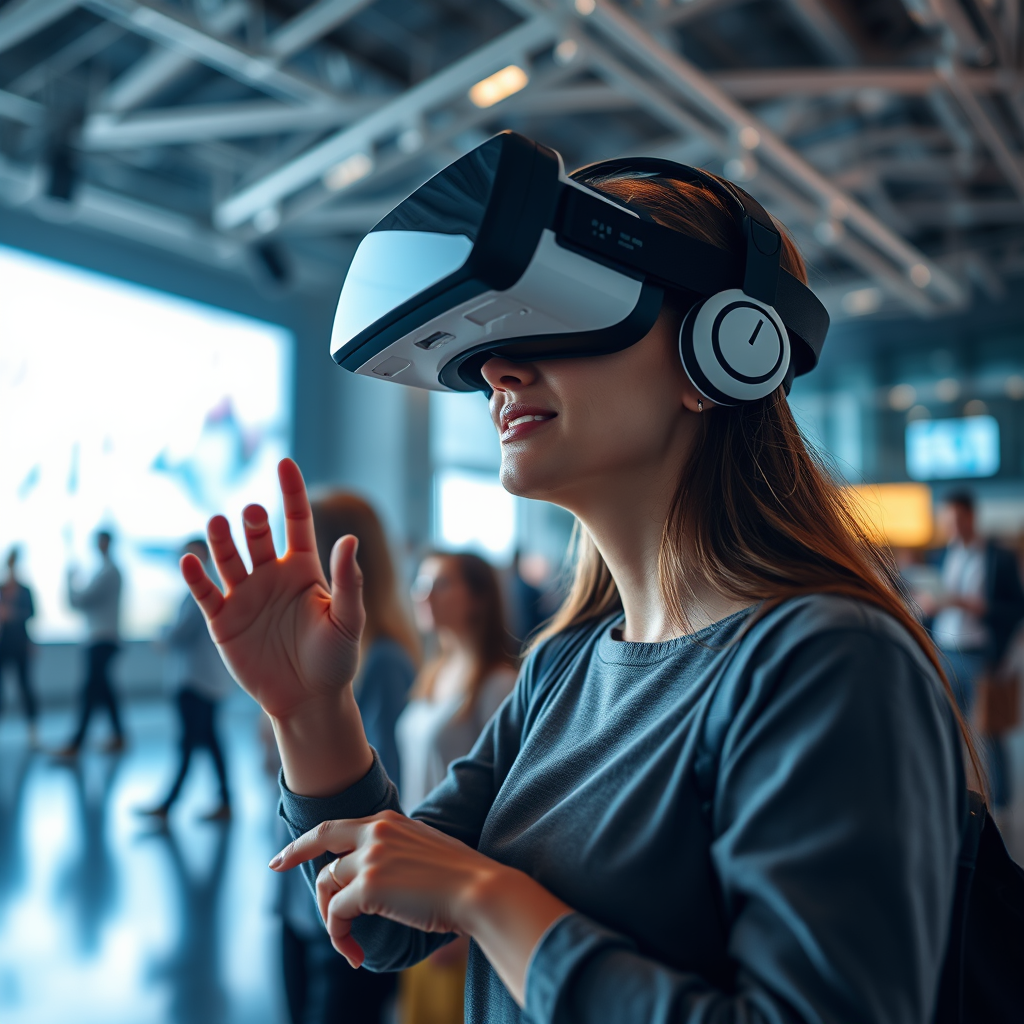

The rapid rollout of 5G technology is transforming the landscape of virtual reality (VR) and augmented reality (AR) by facilitating seamless, real-time experiences that were once considered a distant dream. With its remarkable speed and significantly lower latency, 5G empowers users to immerse themselves in richer, more interactive environments. This transition not only enhances user engagement but also makes VR and AR applications more accessible, opening up new possibilities for entertainment, education, and beyond.
Understanding 5G Technology

5G technology is a game-changer in telecommunications, offering data transfer rates that are exponentially faster than those of its predecessors, such as 4G LTE. With peak speeds potentially reaching up to 10 Gbps, 5G can support high-definition video streaming, complex graphics, and real-time interactions without the frustrating lag often associated with previous networks. Additionally, 5G boasts features like network slicing, which allows for the creation of virtual networks tailored for specific applications, ensuring optimal performance.
One of the key enhancements of 5G is its lower latency, which can be as low as 1 millisecond in ideal conditions. This reduction in delay is crucial for applications reliant on immediate feedback, such as VR and AR experiences, where even a fraction of a second can make a significant difference in user experience. With 5G, the barriers to enjoying high-quality immersive environments are swiftly diminishing.
The Importance of Low Latency in VR and AR
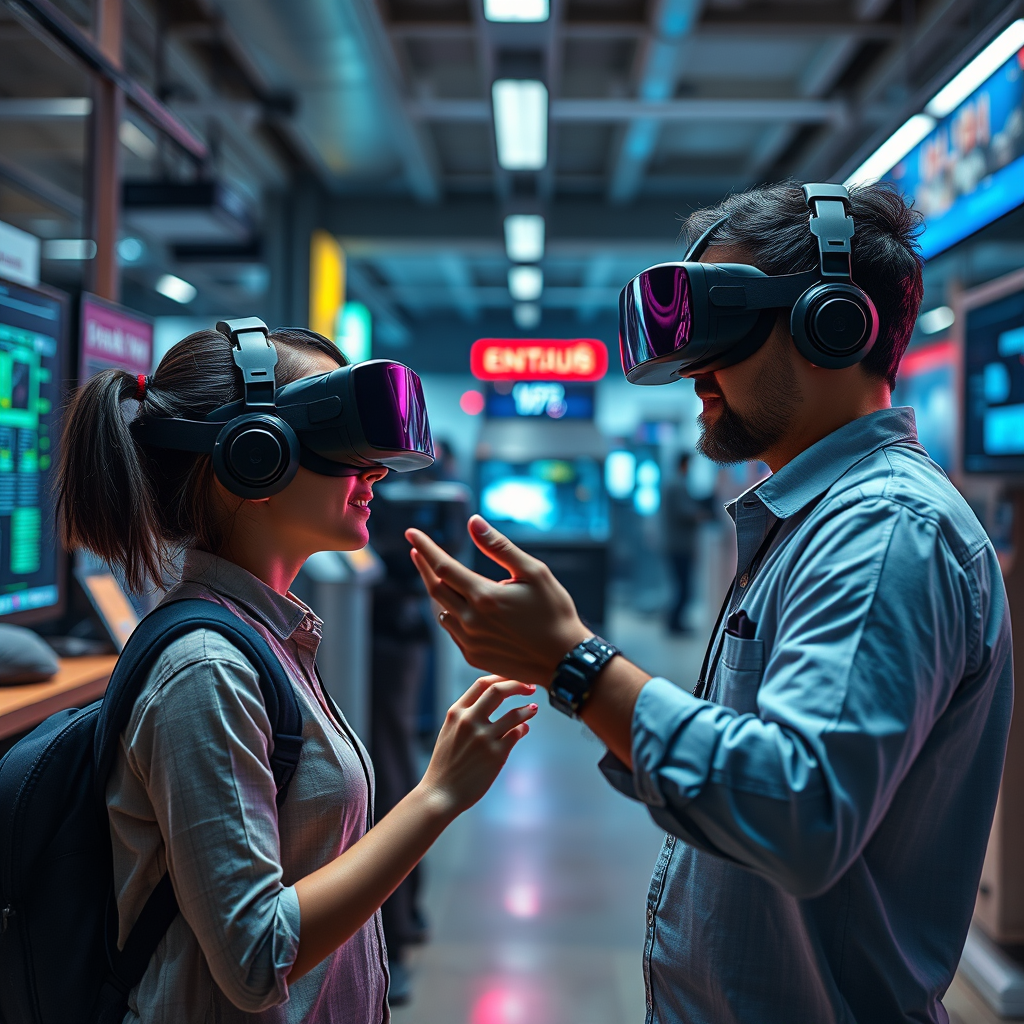
Latency, or the time it takes for data to travel from the source to the receiver, is a critical factor influencing the quality of VR and AR applications. High latency can lead to disorientation and motion sickness, especially in VR environments where users expect immediate responses to their movements. For instance, if you turn your head to look at something in a virtual environment and the image does not update quickly enough, it can create a jarring effect that detracts from immersion.
5G’s remarkably low latency supports smoother interactions, allowing users to move seamlessly through virtual spaces without noticeable lag. This capability not only enhances the overall user experience but also minimizes the risk of motion sickness, making VR a more enjoyable and accessible medium for a broader audience. As developers embrace the potential of low latency, we can expect to see increasingly sophisticated and engaging applications emerge.
Enhanced Bandwidth for Richer Content
One of the standout features of 5G technology is its ability to handle vast amounts of data simultaneously. This is particularly important for VR and AR applications, which require high-quality graphics and detailed environments to create an immersive experience. With 5G, users can access complex simulations and rich visual content without the delays and buffering that can mar their experience on slower networks.
Imagine exploring a virtual museum filled with high-resolution art pieces or participating in an AR game that overlays intricate 3D graphics onto your real-world environment. The improved bandwidth of 5G makes it possible to stream this high-quality content effortlessly, allowing for detailed environments that can change dynamically in response to user interactions. Whether it’s in gaming, training simulations, or educational applications, the enhanced bandwidth of 5G is a significant leap forward in providing richer, more engaging content.
Real-Time Data Processing Capabilities
Another exciting aspect of 5G technology is its capability for real-time data processing. This feature allows applications to quickly process and respond to user inputs, making interactions in virtual spaces more fluid and intuitive. In VR gaming, for example, this means that players can react faster to in-game events, creating a more competitive and thrilling experience. In AR applications, real-time data processing can facilitate instant updates to the virtual elements overlaying the real world, enhancing the overall interaction.
Moreover, this capability is vital for collaborative experiences in both VR and AR. Consider a remote team working together in a virtual environment to solve a problem or design a project. With 5G’s real-time processing, all participants can interact with the same data and visuals simultaneously, regardless of their physical locations. This level of interactivity can revolutionize how we approach teamwork, education, and training, making learning and collaboration more engaging and effective.
Case Studies: 5G in Action
Several companies have begun to leverage the power of 5G to enhance their VR and AR offerings, providing compelling case studies that highlight the technology’s potential. For instance, Verizon partnered with the NBA to create a 5G-enabled immersive experience that allowed fans to view live games from unique perspectives through AR. This innovative approach not only elevated the fan experience but also showcased how 5G can enhance event engagement.
Similarly, companies like Oculus are using 5G to improve their VR gaming platforms. By reducing latency and increasing bandwidth, players can enjoy multiplayer games with seamless interactions, making it feel as if they are in the same room as their friends, even if they are miles apart. Training simulations in healthcare are also being enhanced with 5G, allowing medical professionals to engage in realistic scenarios that require quick thinking and immediate feedback, thereby improving their skills and confidence.
Future Implications for Industries
The integration of 5G-powered VR and AR technologies holds enormous potential across various industries. In healthcare, for instance, doctors could use AR to overlay critical patient information during surgeries, enhancing precision and reducing errors. In education, immersive VR experiences could transport students to historical events or distant planets, making learning more engaging and memorable.
Entertainment is another sector poised for transformation. As 5G enables richer content and real-time interactions, we can expect a wave of innovative gaming experiences and virtual concerts that blur the lines between reality and digital experiences. Businesses in these sectors should begin preparing for the integration of 5G by investing in infrastructure, training staff, and exploring partnerships with tech providers to harness these advancements effectively.
Challenges and Considerations
Despite the exciting potential of 5G, there are challenges that need to be addressed for widespread adoption. Infrastructure upgrades are necessary to support 5G networks, particularly in rural and underserved areas where connectivity may be limited. This requires significant investment and collaboration among governments, telecom providers, and technology companies.
Additionally, as we embrace the capabilities of real-time data transmission, privacy and security concerns must be addressed. With increased data flow comes the responsibility to protect user information and ensure that applications operate within ethical boundaries. Developers and businesses must prioritize security measures to build trust among users and safeguard sensitive data.
The integration of 5G into VR and AR technologies stands to redefine user experiences by making them more interactive and engaging. As we move forward, staying informed about these advancements will be crucial for both consumers and businesses looking to leverage these technologies effectively. Embrace the future of connectivity and explore the exciting possibilities that 5G offers for VR and AR today!
Frequently Asked Questions
What are the key benefits of 5G for virtual reality (VR) and augmented reality (AR) experiences?
The key benefits of 5G for VR and AR include ultra-low latency, high data transfer speeds, and the ability to connect multiple devices simultaneously. These factors enable seamless, immersive experiences without lag, which is crucial for applications like gaming, training simulations, and remote collaboration. With 5G, users can enjoy higher resolution graphics and more realistic interactions, enhancing the overall quality of VR and AR applications.
How does 5G reduce latency in VR and AR applications?
5G reduces latency by utilizing advanced technologies such as edge computing and network slicing. Edge computing processes data closer to the user, minimizing the distance data must travel, while network slicing allows for dedicated bandwidth for specific applications. This results in response times as low as 1 millisecond, which is essential for VR and AR experiences that require real-time interaction, making the virtual environments feel more natural and responsive.
Why is bandwidth important for 5G-enabled VR and AR experiences?
Bandwidth is crucial for 5G-enabled VR and AR experiences because these technologies require significant amounts of data to render high-quality visuals and perform complex computations in real time. With 5G’s enhanced bandwidth capabilities, users can experience rich, detailed graphics without interruptions or buffering. This improvement allows for more complex applications, such as multi-user environments or highly detailed simulations, thus expanding the potential uses of VR and AR in various industries.
Which industries can benefit the most from 5G-enabled AR and VR technologies?
Industries such as gaming, healthcare, education, real estate, and manufacturing stand to benefit significantly from 5G-enabled AR and VR technologies. In healthcare, for instance, doctors can use AR for real-time surgical guidance or VR for patient training. In real estate, potential buyers can take virtual tours of properties without leaving their homes. The enhanced capabilities provided by 5G will revolutionize how these industries operate and interact with customers.
What challenges might arise with the implementation of 5G for VR and AR experiences?
Challenges in implementing 5G for VR and AR include infrastructure costs, device compatibility, and security concerns. Building the necessary infrastructure to support 5G networks can be expensive and time-consuming. Additionally, not all existing devices may be compatible with 5G technology, potentially limiting access. Lastly, as with any connected technology, security is a significant concern, as increased data transfer can expose users to vulnerabilities if not adequately addressed.
References
- 5G
- https://www.bbc.com/news/technology-53216658
- https://www.nytimes.com/2020/09/22/technology/5g-technology.html
- https://www.sciencedirect.com/science/article/pii/S2352864820302007
- https://www.forbes.com/sites/bernardmarr/2020/12/07/how-5g-is-enabling-virtual-reality-and-augmented-reality/?sh=5d9c0d4b5f19
- https://www.itu.int/en/ITU-T/focusgroups/5g/Documents/FG-5G-DOC-0006.pdf
- https://www.jstor.org/stable/10.5325/jcsociety.23.2.0133
- https://www.nist.gov/news-events/news/2020/02/how-5g-technology-could-enhance-augmented-and-virtual-reality
- https://www.cio.com/article/351509/how-5g-is-enabling-ar-vr-applications.html