
The adoption of 5G technology is set to revolutionize mobile live broadcasting by offering faster speeds, lower latency, and more reliable connections. This leap in technology will empower content creators to deliver high-quality live streams with remarkable ease and efficiency, fundamentally reshaping the landscape of digital content creation. In this article, we will delve into how 5G will enhance mobile live broadcasting and what this means for the future of content creation.
Enhanced Streaming Quality
One of the most significant advantages of 5G is its ability to offer higher bandwidth, which translates directly into enhanced streaming quality. With 5G, content creators can now broadcast in stunning 4K and even 8K resolution. This means that viewers can enjoy crystal-clear images and vibrant colors that were previously unattainable with older networks. The improved video compression technologies that come with 5G also play a vital role in this transformation, allowing for better quality at lower bitrates. For instance, a live sports event streamed in 4K can now maintain its quality without buffering or pixelation, even when hundreds of thousands of viewers tune in simultaneously.
Additionally, the increased capacity of 5G networks means that multiple streams can be broadcasted without compromising quality. Imagine a concert where multiple angles are live-streamed simultaneously, each in high resolution. This setup not only enhances viewer experience but also opens up new possibilities for content creators to experiment with various broadcasting styles and angles.
Lower Latency for Real-Time Interaction
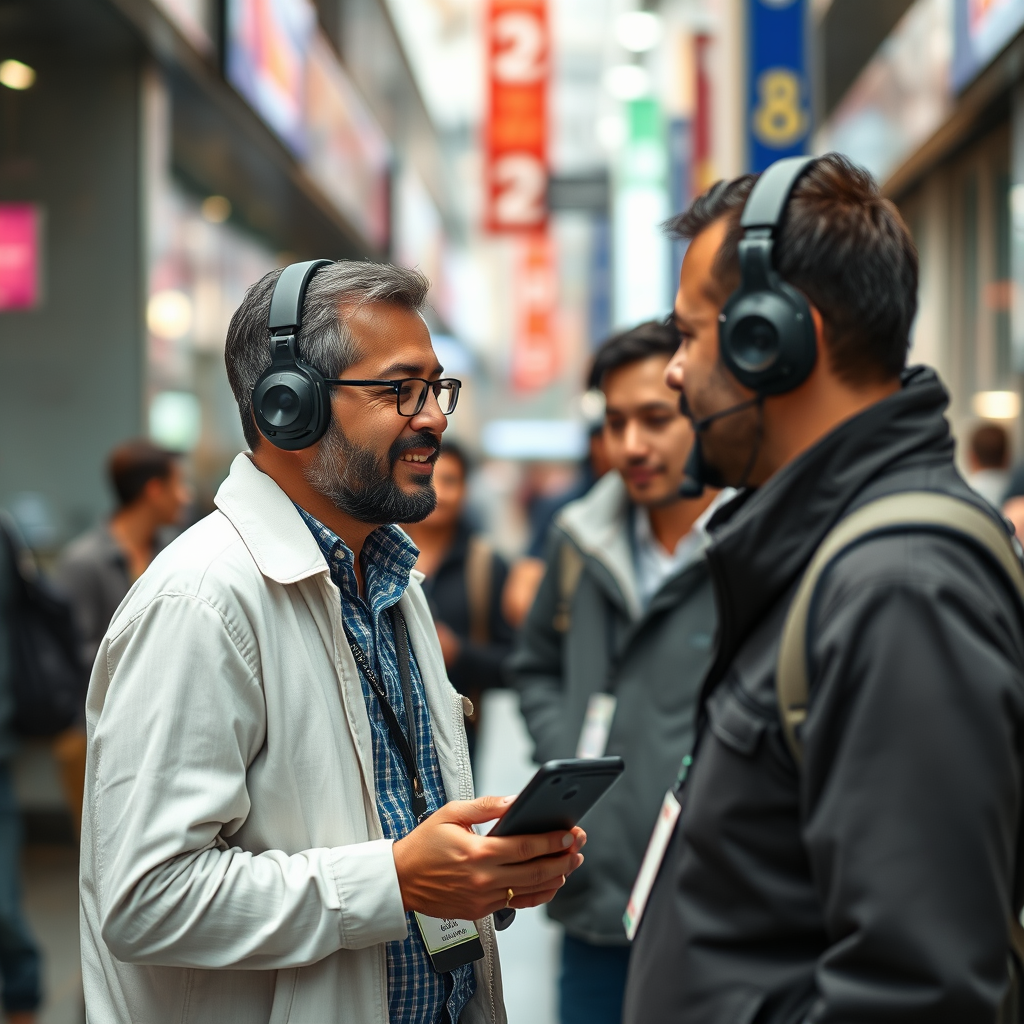
Latency refers to the delay between the action happening and it being displayed on a viewer’s screen. With 5G, latency can be reduced to as low as one millisecond, allowing for near-instantaneous interactions during broadcasts. This capability is a game-changer for live events where real-time engagement is essential. For example, features like instant audience polling and live Q&A sessions become not just possible, but seamless, significantly enhancing viewer engagement.
Imagine attending a live cooking show where viewers can vote on the next dish to be prepared, or a gaming tournament where fans can ask players questions during the match. With 5G, these interactions will feel organic and immediate, fostering a deeper connection between content creators and their audiences. This degree of engagement will not only keep viewers glued to their screens but also encourage them to participate actively, transforming passive viewing into an interactive experience.
Increased Mobility for Broadcasters
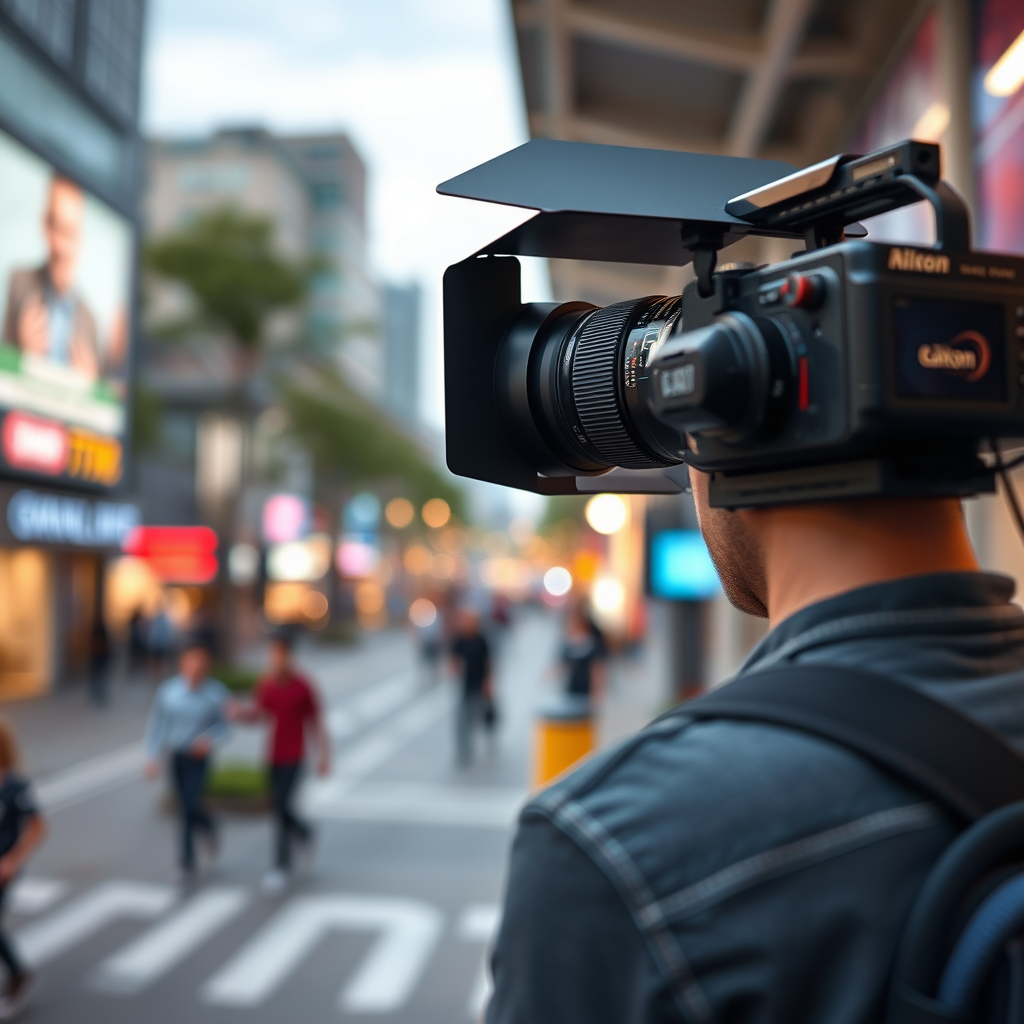
5G technology is also a game-changer when it comes to mobility for broadcasters. With faster speeds and more reliable connections, mobile live broadcasting becomes accessible from virtually anywhere, liberating creators from the confines of traditional broadcasting setups. Whether it’s a remote location in nature or a bustling urban environment, creators can stream high-quality content without worrying about connectivity issues.
New devices and applications specifically designed for 5G will further empower creators to produce compelling content on the go. For instance, a travel vlogger can stream their adventures in real-time from a mountain summit or an exotic beach, providing viewers with an authentic experience. The potential for spontaneous, location-based broadcasts opens up exciting avenues for storytelling, making it easier than ever for creators to share their journeys and connect with audiences in real-time.
Greater Network Reliability
Reliability is crucial in live broadcasting, especially during high-traffic events where many viewers tune in simultaneously. 5G networks are engineered to handle a significantly higher number of simultaneous connections, which drastically reduces the risk of dropped streams. Imagine a major sporting event or a music festival; with 5G, the chances of a live stream failing due to network congestion are minimized, ensuring that audiences can enjoy uninterrupted broadcasts.
Moreover, 5G’s enhanced reliability allows for live broadcasts in diverse environments, from crowded events to remote locations. Content creators can explore new broadcasting opportunities previously deemed unfeasible. For example, emergency responders can use 5G to stream live updates during a crisis, providing real-time information to the public and authorities. This level of reliability not only enhances the viewing experience but also broadens the scope of what can be achieved through mobile live broadcasting.
New Opportunities for Content Creators
With the ability to deliver high-quality content comes a plethora of new opportunities for revenue generation. As a content creator, you can take advantage of 5G technology to explore innovative sponsorships, advertisements, and subscription models. Brands are increasingly interested in associating with high-quality live streams, and 5G opens the door for more lucrative partnerships.
Furthermore, creators can experiment with various formats, such as virtual reality live streams and interactive experiences. Picture a live fashion show where viewers can select different camera angles or even “try on” outfits in a virtual environment. These immersive experiences not only captivate audiences but also create avenues for monetization through ticket sales or premium subscriptions. The possibilities are endless, and as technology continues to evolve, so will the ways content creators can engage with their audiences.
The Role of Augmented Reality (AR) and Virtual Reality (VR)
5G technology will also facilitate the integration of Augmented Reality (AR) and Virtual Reality (VR) into live broadcasts, providing viewers with immersive experiences that elevate content consumption to a new level. AR can be used to overlay graphics on a live sports event, showing statistics and player information in real-time, while VR can transport viewers to entirely different environments, making them feel as if they are present at the event.
Content creators can harness these technologies to enhance storytelling and audience engagement in real-time. Imagine a live concert where fans at home can experience the event through a VR headset, feeling as if they are in the front row. This level of immersion will not only attract larger audiences but also create new revenue opportunities through VR ticket sales or exclusive content experiences.
Future Trends in Mobile Live Broadcasting
As 5G technology becomes more widespread, we can anticipate several emerging trends in mobile live broadcasting. The integration of AI and machine learning will optimize broadcasting processes, enhancing viewer personalization and streamlining production. For example, AI algorithms can analyze viewer preferences and suggest content tailored to individual tastes, making the viewing experience more engaging.
Additionally, with the rise of 5G, we can expect an increase in community-driven content and decentralized streaming platforms. Creators will have more freedom to collaborate and share content without relying heavily on traditional media channels. This shift could lead to a democratization of content creation, where diverse voices and perspectives can flourish.
The transformative power of 5G is poised to reshape the landscape of mobile live broadcasting significantly. By enabling higher quality, real-time interactivity, and greater reliability, it provides content creators with the tools to engage audiences like never before. As we embrace the potential of 5G, now is the perfect time to start exploring how it can elevate your live broadcasts and enhance your connection with viewers. The future of mobile live broadcasting is bright, and it’s just around the corner!
Frequently Asked Questions
How will 5G technology improve mobile live broadcasting quality?
5G technology significantly enhances mobile live broadcasting quality by offering faster data speeds, lower latency, and increased bandwidth. This means broadcasters can transmit high-definition video streams with minimal buffering and delays, resulting in a smoother viewing experience for audiences. Additionally, 5G’s ability to connect more devices simultaneously allows for more cameras and angles to be used in live broadcasts without compromising quality.
What are the benefits of using 5G for live streaming events?
The benefits of using 5G for live streaming events include improved reliability, reduced latency, and the capability to stream in higher resolutions like 4K and even 8K. With 5G, mobile broadcasters can deliver real-time content from remote locations without the need for extensive infrastructure, enabling a more dynamic and engaging viewer experience. Furthermore, 5G networks are designed to handle a massive number of concurrent connections, which is crucial during large-scale events where many viewers may be streaming simultaneously.
Why is low latency critical for mobile live broadcasting, and how does 5G address this issue?
Low latency is critical for mobile live broadcasting because it ensures that the video feed is almost in real-time, which is essential for interactive events like sports, gaming, and live interviews. High latency can lead to delays that disconnect viewers from the action, diminishing their experience. 5G addresses this issue by reducing latency to as low as 1 millisecond, allowing for instant interactions and seamless viewing, which is a game-changer for live content.
Which industries will benefit the most from 5G-enhanced mobile live broadcasting?
Several industries will benefit significantly from 5G-enhanced mobile live broadcasting, including sports and entertainment, news media, and corporate communications. Sports organizations can deliver real-time updates and immersive experiences, while news outlets can cover breaking stories from remote locations more efficiently. Additionally, businesses can utilize high-quality live streaming for virtual events, product launches, and corporate training, enhancing engagement and reach.
What equipment do I need to get started with mobile live broadcasting using 5G?
To get started with mobile live broadcasting using 5G, you’ll need a 5G-compatible smartphone or mobile device equipped with a good camera, a gimbal for stabilization, and a reliable streaming app. Additionally, external microphones can enhance audio quality, and portable lighting can improve visuals, especially in low-light conditions. Investing in a 5G mobile hotspot may also be beneficial for ensuring a stable connection when broadcasting from various locations.
References
- https://www.bbc.com/news/technology-50979603
- https://www.sciencedirect.com/science/article/pii/S138912861930471X
- https://www.wired.com/story/5g-mobile-broadcasting/
- https://www.reuters.com/technology/how-5g-will-change-mobile-broadcasting-2020-02-12/
- https://www.itu.int/en/ITU-T/focusgroups/5g/Documents/FG-5G-DOC-2017-02.pdf
- https://www.nist.gov/news-events/news/2020/03/how-5g-technology-revolutionizing-live-broadcasting
- https://www.itu.int/en/ITU-T/focusgroups/5g/Pages/default.aspx
- Familia feud? Latino Biden supporters in Miami push back on pro-Trump relatives