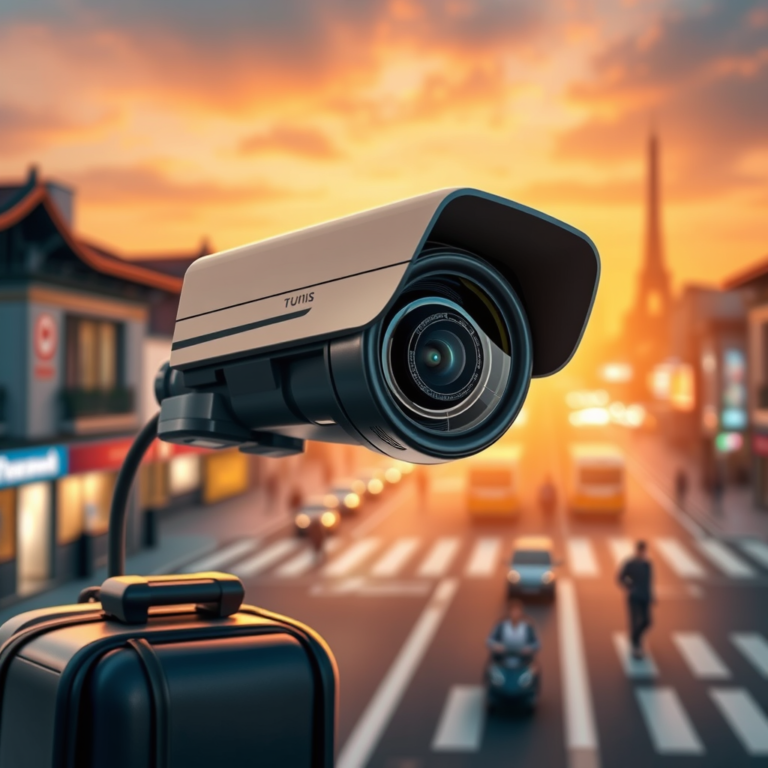
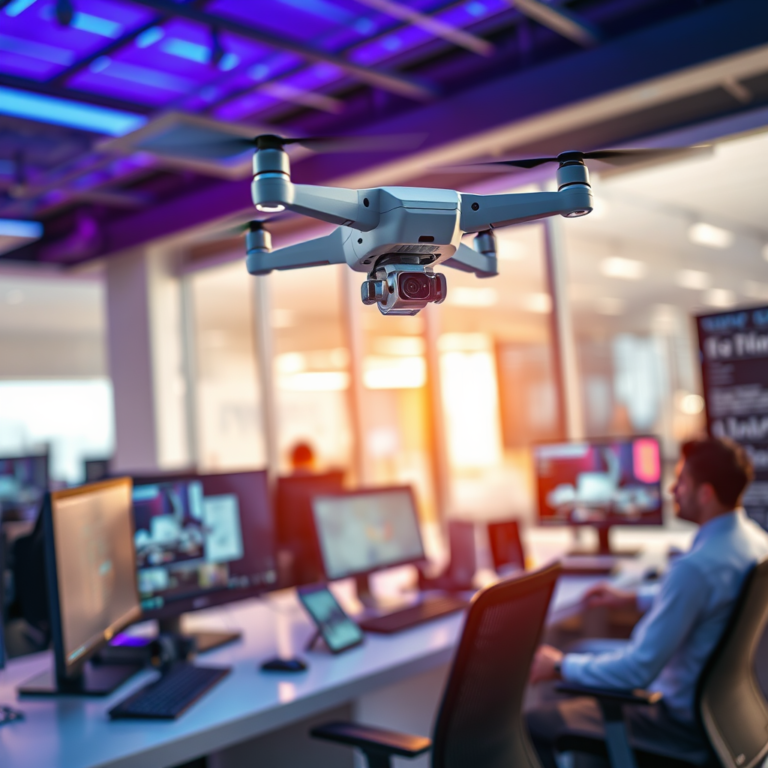
AI analyzes 360-degree video data to empower smart cities by enhancing urban planning, improving traffic management, and increasing public safety. This technology allows city officials to gain invaluable insights into pedestrian movement, traffic patterns, and environmental conditions, enabling them to make informed decisions for urban improvement. In this article, we will delve deeper into how AI leverages this immersive technology to create smarter, more efficient urban environments.
Understanding 360-Degree Video Technology

360-degree video technology captures a complete view of a scene or environment, allowing users to see in every direction. This immersive format is typically achieved using specialized cameras equipped with multiple lenses, which stitch together images to create a seamless spherical video. The importance of this technology for urban monitoring cannot be overstated; it provides a comprehensive perspective that traditional video feeds lack. By offering a panoramic view of city landscapes, it allows city planners and analysts to observe real-time interactions among pedestrians, vehicles, and infrastructure.
In urban settings, 360-degree video can be strategically deployed in areas such as parks, busy intersections, or public transport hubs. This helps create a rich dataset that captures the dynamics of urban life, revealing patterns that can inform better planning and development strategies.
The Role of AI in Data Analysis
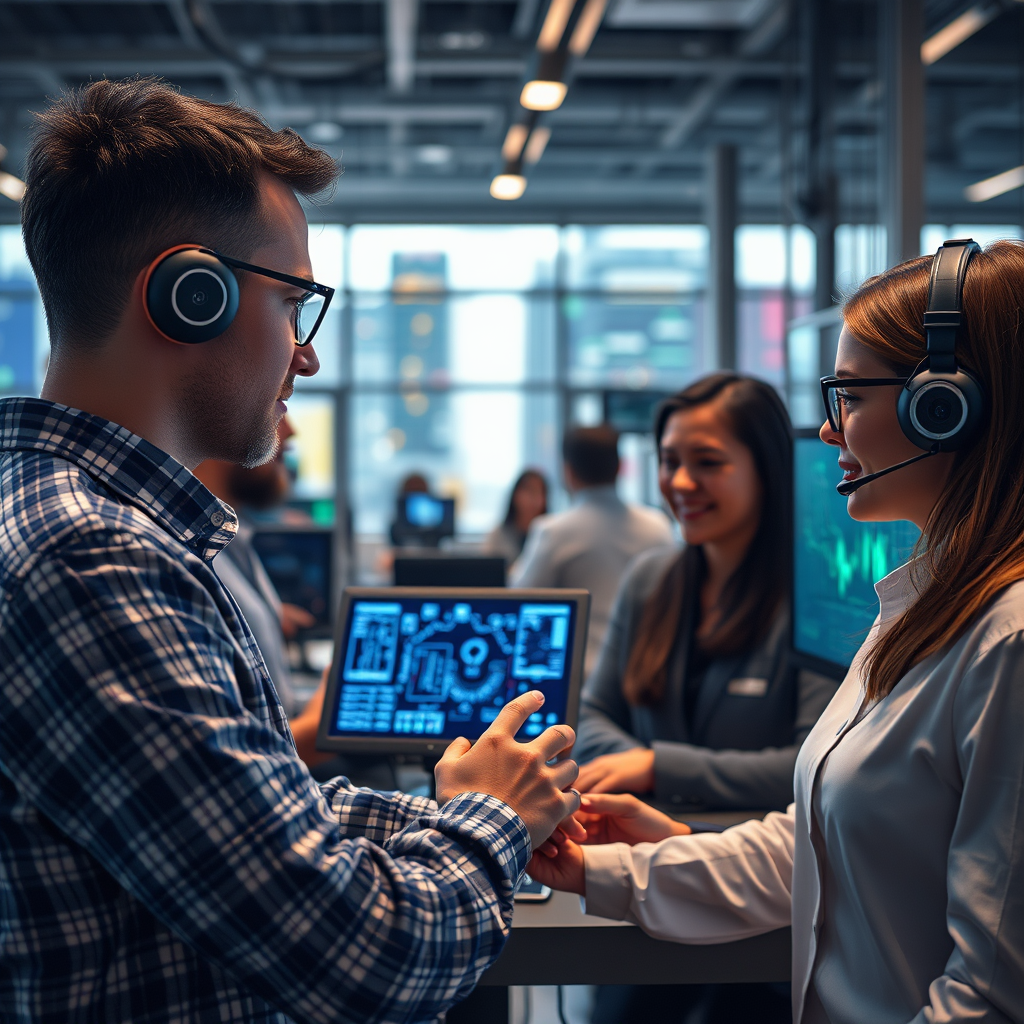
AI algorithms play a crucial role in processing and analyzing the vast amounts of data generated by 360-degree video feeds. These algorithms are designed to identify and interpret various elements within the video, such as people, vehicles, and even environmental factors like weather conditions. Techniques such as computer vision and deep learning enable AI to recognize patterns and anomalies that might go unnoticed by human observers.
Machine learning enhances data interpretation by continuously improving the algorithm’s accuracy over time. For instance, as the AI processes more video footage, it learns to distinguish between different types of vehicles and pedestrian behaviors, allowing for more precise traffic forecasts and urban management insights. This iterative learning process ensures that the AI remains effective even as urban landscapes evolve.
Applications of 360-Degree Video in Smart Cities
The applications of 360-degree video in smart cities are vast and varied. One of the most prominent use cases is traffic management. By analyzing traffic flow in real-time, AI can help identify congestion points and suggest alternative routes, ultimately reducing commute times and improving overall traffic efficiency. For example, cities like Barcelona have implemented AI-driven 360-degree video systems to monitor traffic patterns, leading to better traffic light management and enhanced road safety.
Another critical application is in public safety and emergency response. 360-degree cameras can provide a detailed view of crowded areas, helping authorities monitor events, detect unusual behavior, and respond more effectively during emergencies. For instance, during public gatherings, AI can analyze crowd density and movement, enabling police and emergency services to react swiftly to potential incidents.
Benefits of AI-Driven Insights
The insights generated from AI-driven analysis of 360-degree video data lead to improved decision-making for city planners and officials. With access to real-time, data-driven insights, stakeholders can implement strategies that are not only responsive but also proactive. For example, urban planners can identify underutilized spaces and transform them into vibrant community areas based on foot traffic data.
Moreover, the enhanced urban living experience for residents is another significant benefit. AI can help create safer, more navigable cities by identifying problem areas, improving public transport routes, and developing pedestrian-friendly spaces. The result is a more engaging urban environment where residents feel empowered and connected to their community.
Challenges and Limitations
Despite the many advantages, there are challenges and limitations associated with the use of AI and 360-degree video technologies. One of the primary technical limitations lies in the processing power required to analyze such large datasets. Real-time analysis can be computationally intensive, requiring robust infrastructure and sophisticated algorithms.
Privacy concerns also loom large when it comes to data collection in public spaces. The use of 360-degree cameras raises questions about surveillance and the potential for misuse of personal data. To address these concerns, cities must implement stringent data security measures, including anonymization techniques and clear policies regarding data access and usage.
Future Trends and Developments
Looking ahead, several trends indicate the potential for significant advancements in AI and video analytics. As technology continues to evolve, we can expect improved algorithms that offer even greater accuracy in data interpretation. For example, combining AI with augmented reality (AR) could provide city planners with enhanced visualization tools, allowing them to simulate urban changes before implementing them in the real world.
Additionally, as smart city projects gain traction worldwide, the integration of 360-degree video with IoT devices could lead to a more interconnected urban ecosystem. This convergence could enable cities to respond dynamically to changing conditions, ultimately leading to smarter infrastructure and improved quality of life for residents.
The analysis of 360-degree video data through AI is transforming how cities operate, offering numerous benefits and opportunities for improvement. By understanding the technology, its applications, and future trends, stakeholders can harness this valuable resource to create smarter urban spaces. Explore how your city can leverage these insights to enhance its infrastructure and services, paving the way for a more sustainable and livable future.
Frequently Asked Questions
What is 360-degree video data and how is it used in smart cities?
360-degree video data refers to immersive video content that captures a full panoramic view of an environment, allowing viewers to explore all angles of a scene. In smart cities, this technology is utilized for various applications, including urban planning, traffic monitoring, and public safety assessments. By providing a comprehensive visual context, 360-degree video helps city planners and officials make informed decisions about infrastructure and resource allocation.
How does AI analyze 360-degree video data for urban planning?
AI analyzes 360-degree video data by employing advanced machine learning algorithms that can identify and interpret various elements within the footage, such as traffic patterns, pedestrian movement, and spatial relationships. These algorithms can detect anomalies, assess environmental conditions, and even predict future trends based on historical data. By processing this information, AI provides valuable insights that assist urban planners in creating more efficient and sustainable city layouts.
Why is AI crucial for interpreting 360-degree video data in smart cities?
AI is crucial for interpreting 360-degree video data because it enables the rapid processing and analysis of vast amounts of visual information that would be impractical for humans to evaluate manually. With AI’s ability to recognize patterns, flag irregularities, and generate actionable insights, city officials can respond quickly to emerging issues, optimize traffic flow, and enhance public safety measures. This efficiency leads to smarter decision-making and improved quality of life for residents.
What are the best use cases for AI-driven analysis of 360-degree video data in smart cities?
The best use cases for AI-driven analysis of 360-degree video data in smart cities include traffic management, where AI can monitor vehicle flow and congestion; urban safety, with AI analyzing video feeds for crime detection; and environmental monitoring, where AI assesses pollution levels and green space usage. These applications enable cities to leverage real-time data to improve infrastructure, enhance safety, and create a more livable environment for residents.
Which technologies complement AI in the analysis of 360-degree video data for smart cities?
Technologies that complement AI in the analysis of 360-degree video data include sensors (like IoT devices), cloud computing for data storage and processing, and Geographic Information Systems (GIS) for spatial analysis. By integrating these technologies, cities can create a more robust data ecosystem that enhances the effectiveness of AI algorithms, allowing for more accurate predictions and better overall insights into urban dynamics. This holistic approach is essential for the successful implementation of smart city initiatives.
References
- 360-degree video
- https://www.sciencedirect.com/science/article/pii/S235197891730207X
- https://www.cmu.edu/news/stories/archives/2020/january/smart-cities-ai.html
- https://www.nist.gov/news-events/news/2021/01/using-ai-improve-360-degree-video-data-analysis
- https://www.researchgate.net/publication/329723974_Exploring_the_use_of_360-degree_video_for_cities
- https://www.govtech.com/products/how-cities-are-using-ai-to-analyze-360-degree-video
- News | NSF – U.S. National Science Foundation
- https://www.bbc.com/future/article/20200701-how-360-degree-video-can-change-the-way-we-see-the-world