


AI significantly enhances the way athlete performance is analyzed via video technology. By leveraging machine learning and computer vision, coaches and sports scientists can gain insights into an athlete’s technique, efficiency, and overall performance. This article will explore how AI-driven tools are transforming performance analysis for athletes at all levels, making training more effective and tailored to individual needs.
Understanding AI in Sports Performance Analysis
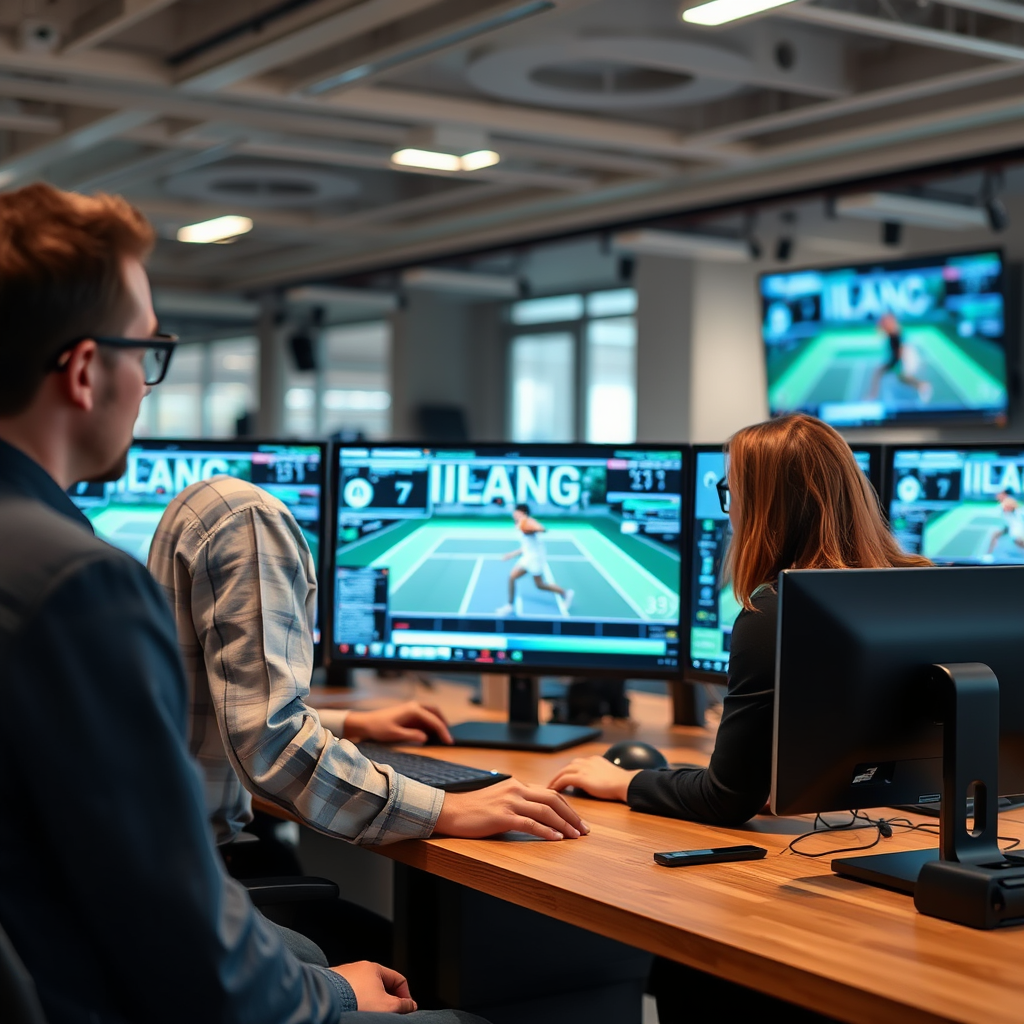
Artificial Intelligence (AI) refers to the simulation of human intelligence in machines programmed to think like humans and mimic their actions. In the realm of sports, AI is revolutionizing performance analysis by providing data-driven insights that help refine athletic performance. By analyzing vast amounts of data, AI can identify patterns that may not be visible to the naked eye, allowing for more precise training regimens.
Video analysis technology has come a long way from its early days. Initially, video footage was analyzed frame by frame, which was both time-consuming and lacked the depth of analysis that we see today. With advancements in technology, we now have high-definition cameras and sophisticated software that can process video in real time. This evolution has paved the way for AI to become an indispensable tool in sports performance analysis.
Video Capture Techniques in Performance Analysis

The methods of video capture in sports performance analysis have diversified significantly. Traditional methods primarily involved stationary cameras set up around the field or court. However, advancements in technology have introduced several innovative approaches:
1. Multiple Camera Angles: Using multiple cameras strategically positioned allows for a comprehensive view of an athlete’s performance from different angles. This multi-angle analysis helps in understanding complex movements better.
2. Drones: In sports like cycling or track and field, drones provide aerial footage that captures athlete movement patterns and environmental factors affecting performance.
3. Wearable Cameras: Athletes can wear small cameras that provide a first-person perspective of their performance, offering unique insights into their training experiences.
High-resolution footage is vital for accurate analysis, as it ensures clarity in every frame. The more detailed the video, the better the AI can interpret movements and techniques, leading to more informed coaching decisions.
Machine Learning Algorithms and Their Applications
Machine learning algorithms are the heart of AI-driven performance analysis. These algorithms analyze video data by breaking it down into key components—like movement patterns, speed, and technique—and then categorizing this information to identify areas of improvement.
Some of the most common algorithms used in this field include:
– Convolutional Neural Networks (CNNs): CNNs are particularly effective for image and video analysis. They can recognize patterns in movements, making them ideal for analyzing an athlete’s technique during training sessions.
– Recurrent Neural Networks (RNNs): RNNs are designed to understand sequences, making them useful for analyzing the progression of an athlete’s performance over time.
A practical example of these algorithms in action can be seen in the analysis of a sprinter’s start technique. By processing video footage of the athlete’s starting position, the algorithms can provide feedback on foot placement, body angle, and reaction time, enabling coaches to make instant adjustments.
Key Metrics Derived from Video Analysis
AI-powered video analysis helps derive several key performance metrics that are crucial for an athlete’s development. Common metrics include:
– Speed: Measuring the time it takes for an athlete to cover a specific distance provides insights into their explosive power and endurance.
– Agility: This metric assesses an athlete’s ability to change direction quickly and efficiently, which is essential in sports like soccer and basketball.
– Technique: Detailed analysis of an athlete’s form, such as throwing mechanics in baseball or stroke technique in swimming, can pinpoint inefficiencies that, when corrected, lead to improved performance.
These metrics significantly impact training and development strategies. For example, if video analysis reveals that a swimmer consistently has a poor stroke technique, coaches can adjust their training drills to focus specifically on improving that aspect.
Real-World Applications of AI in Sports
The real-world applications of AI in performance analysis highlight its effectiveness in enhancing athlete performance. Numerous teams and athletes are already reaping the benefits.
One notable case is the NBA’s Oklahoma City Thunder, who utilize AI-driven analysis tools to study player movements and strategies during games. This analysis allows coaches to make informed decisions about player rotations and strategies, leading to improved team performance.
Another example is the use of AI in soccer by clubs like Manchester City, where performance analysis tools are employed to evaluate player movements and tactics during matches. This data-driven approach not only enhances individual player performance but also optimizes team strategy.
The impact of AI on coaching decisions is profound. Coaches can now provide athletes with immediate feedback based on data, leading to a more responsive training environment. This feedback loop fosters continuous improvement and empowers athletes to take charge of their development.
Challenges and Limitations of AI in Performance Analysis
While the benefits of AI in performance analysis are numerous, there are also challenges and limitations to consider. One significant issue is the potential for data accuracy and biases in algorithms. If the data fed into the system is flawed or biased, the outcomes of the analysis may also be skewed, leading to incorrect conclusions.
Moreover, ethical considerations arise concerning athlete monitoring and surveillance. Continuous analysis might invade an athlete’s privacy or create undue pressure to perform, raising questions about the balance between performance enhancement and mental well-being.
Addressing these challenges requires a commitment to ethical practices and transparency in the use of data, ensuring that athletes feel comfortable and supported in their training environments.
Future Trends in AI and Athlete Performance Analysis
Looking ahead, the future of AI in sports performance analysis is bright and full of potential. As technology continues to evolve, we can expect even more sophisticated tools that will further enhance the accuracy and depth of performance analysis.
Emerging technologies such as augmented reality (AR) and virtual reality (VR) are poised to change the landscape of training. Imagine athletes being able to visualize their movements in real time or practice in a simulated environment that mimics real-game scenarios.
Additionally, the integration of AI with IoT (Internet of Things) devices will allow for more seamless data collection and analysis, enabling athletes to receive real-time feedback during their training sessions. This shift towards more interactive and personalized training experiences will undoubtedly push the boundaries of athletic performance.
AI-driven video analysis is revolutionizing the way athletes train and compete, providing actionable insights that were previously unattainable. As the technology continues to evolve, it promises to further enhance performance, making it essential for athletes and coaches to stay informed and adapt. To learn more about implementing AI in your training regimen, explore available tools and consider ways to integrate video analysis into your routine.
Frequently Asked Questions
How does AI analyze athlete performance using video footage?
AI analyzes athlete performance through advanced computer vision and machine learning algorithms that process video footage to extract key metrics, such as speed, movement patterns, and technique. By breaking down each frame of the video, AI can assess an athlete’s biomechanics, identify strengths and weaknesses, and provide real-time feedback that helps athletes improve their performance.
What benefits does AI offer in evaluating sports techniques compared to traditional methods?
AI offers numerous benefits over traditional methods in evaluating sports techniques, including higher accuracy, faster data processing, and the ability to analyze vast amounts of video simultaneously. Unlike human coaches, AI can track multiple athletes at once, providing comparative analytics and insights that help athletes refine their skills and strategies more effectively. This technological advancement leads to more personalized coaching and enhanced performance outcomes.
Why is video analysis crucial for athlete performance improvement?
Video analysis is crucial for athlete performance improvement because it provides a visual representation of an athlete’s techniques and movements, allowing for objective assessment. By reviewing specific plays or training sessions, athletes and coaches can identify areas for enhancement, reduce the risk of injury through better biomechanics, and track progress over time, making it an essential tool for achieving peak performance.
Which sports benefit the most from AI video analysis, and why?
Sports such as basketball, soccer, and tennis benefit significantly from AI video analysis due to their dynamic nature and the intricate movements involved. In these sports, real-time analysis can provide insights into player positioning, shot accuracy, and tactical decisions, allowing teams to optimize their strategies. Additionally, sports with high injury risks can leverage AI to analyze biomechanics, helping to prevent injuries through better movement patterns.
What are the best AI tools available for analyzing athlete performance via video?
Some of the best AI tools for analyzing athlete performance include Hudl, Dartfish, and PlayerTek. These platforms offer features like motion tracking, performance metrics, and customized feedback, allowing coaches and athletes to utilize data effectively. By integrating AI with video analysis, these tools enhance training sessions and performance evaluations, leading to improved athletic outcomes.
References
- https://www.sciencedirect.com/science/article/pii/S0169207019303739
- https://www.ncbi.nlm.nih.gov/pmc/articles/PMC6950143/
- Frontiers | Toward a Taxonomy for Adaptive Data Visualization in Analytics Applications
- https://www.wired.com/story/how-ai-is-changing-the-future-of-sports/
- https://www.bbc.com/news/technology-50028995
- https://www.sportsanalytics.org/
- https://www.nature.com/articles/s41598-020-72063-4
- https://www.researchgate.net/publication/331919311_Using_Artificial_Intelligence_to_Improve_Athletic_Performance
- https://www.athletics.org.au/news/2020/01/08/how-ai-is-revolutionising-sports-performance-analysis/
- https://www.sporttechie.com/how-ai-is-revolutionizing-sports-performance-analysis/



The Role of AI in Developing Virtual Sports Commentators