
AI designs adaptive user interfaces for smart displays by utilizing machine learning algorithms that analyze user behavior, preferences, and context. This innovative approach allows for personalized and dynamic interactions that significantly enhance user experience. As technology continues to evolve, understanding how AI contributes to smarter, more responsive user interfaces is essential. In this article, we will explore the mechanisms behind AI-driven design, the benefits of adaptive interfaces, and the exciting future of smart display technology.
Understanding Adaptive User Interfaces

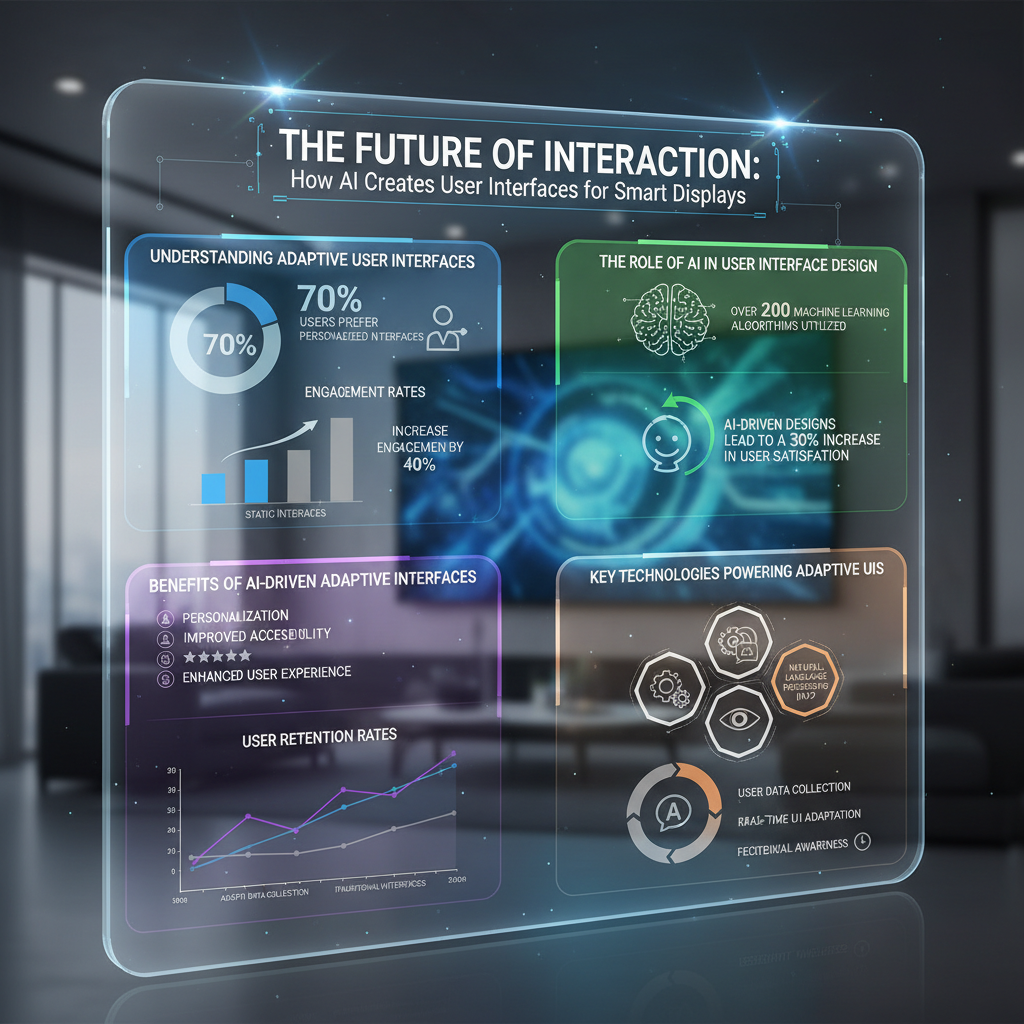
Adaptive user interfaces are designed to change based on user interactions, preferences, and contextual factors, distinguishing them from traditional static interfaces that remain the same regardless of user behavior. These interfaces are flexible, allowing the system to learn and anticipate user needs over time.
Think of a smart display like the Amazon Echo Show or Google Nest Hub; they adapt their layouts, suggestions, and functionalities based on how you use them. For instance, if you frequently ask for cooking recipes, these smart displays will prioritize displaying recipe-related content and tools, making them more intuitive and user-friendly. The result is a seamless experience that feels tailor-made for each individual user.
The Role of AI in User Interface Design

AI technologies are at the forefront of creating adaptive user interfaces, with machine learning and natural language processing being the most prominent methods employed. Machine learning algorithms analyze vast amounts of user data, identifying patterns in behavior and preferences. Natural language processing enables smart displays to understand and respond to voice commands accurately, making interactions feel more conversational and less mechanical.
For example, when you ask your smart display for the weather, the AI doesn’t just fetch the data; it learns from your past inquiries to provide more relevant information, like weather updates for your favorite vacation spots or upcoming events in your area. This data-driven approach allows AI to continually refine design choices, ensuring that the interface aligns with evolving user preferences.
Benefits of AI-Driven Adaptive Interfaces
One of the most significant advantages of AI-driven adaptive interfaces is enhanced personalization. By tailoring content and functionality to individual users, these interfaces lead to improved engagement and satisfaction. When users feel that their needs are understood and met, they are more likely to interact positively with the technology, fostering loyalty and continued use.
Additionally, adaptive interfaces increase accessibility for diverse user groups. For instance, visually impaired users can benefit from voice-activated features that adjust based on their commands, while seniors may appreciate larger text options that are easy to read. By accommodating various needs and preferences, AI-driven designs create a more inclusive experience for all users.
Key Technologies Behind Adaptive Interfaces
Several key technologies underpin the effectiveness of adaptive interfaces. Computer vision, for instance, allows smart displays to analyze visual data through cameras, enabling features like facial recognition or gesture control. This means that the system can adapt its responses based on who is using it, further enhancing personalization.
Voice recognition technology is another cornerstone. It enables users to interact with smart displays through natural conversation, making the experience more intuitive. For example, when a user asks their smart display to play a specific song, the AI can recognize the voice and understand the request, delivering content that aligns with the user’s musical preferences.
Data analytics tools also play a crucial role in refining user interactions. By collecting and analyzing user data, these tools help designers understand which features are most popular and which may need improvement. This iterative process ensures that adaptive interfaces continuously evolve to meet user expectations.
Challenges in Implementing AI-Driven Designs
While the benefits of AI-driven designs are substantial, there are challenges that developers must navigate. Technical limitations, such as the need for robust data security measures, are paramount. With the vast amounts of personal data that adaptive interfaces can collect, ensuring user privacy and data protection is essential to maintain trust.
Moreover, ethical considerations in AI design must be addressed. As these systems learn from user data, there is a potential risk of bias in the algorithms, which could lead to unequal experiences for different user demographics. Developers must remain vigilant in creating fair and equitable designs that respect all users.
Future Trends in Smart Display Technology
Looking ahead, the future of smart display technology is brimming with potential. AI is expected to continue evolving, leading to even more sophisticated user interface designs. For instance, advancements in emotion recognition may allow smart displays to gauge user sentiment through facial expressions or tone of voice, further tailoring interactions to enhance user satisfaction.
Moreover, the integration of augmented reality (AR) with smart displays could transform how users interact with their environments. Imagine a smart display that overlays relevant information on your physical surroundings, helping you make informed decisions in real time.
As AI continues to innovate, we can expect smart displays to become even more responsive and adaptive, creating a user experience that feels truly seamless and integrated into daily life.
The growing integration of AI in designing adaptive user interfaces for smart displays is transforming how we interact with technology. By leveraging data and machine learning, these systems not only cater to individual user preferences but also pave the way for more intuitive and responsive digital experiences. Embrace the future of smart displays and explore how AI can enhance your interactions with technology today.
Frequently Asked Questions
What are adaptive user interfaces and how do they function in smart displays?
Adaptive user interfaces are dynamic systems that adjust their layout and functionality based on user behavior, preferences, and environmental factors. In smart displays, these interfaces leverage AI algorithms to analyze user interactions and contextual data, such as screen size or lighting conditions, ensuring a seamless and personalized experience. This adaptability enhances usability, making it easier for users to access relevant information quickly.
How does AI contribute to the design of adaptive user interfaces for smart displays?
AI plays a crucial role in designing adaptive user interfaces by employing machine learning algorithms to predict user needs and preferences. By analyzing vast amounts of data from user interactions, AI can tailor the interface elements—like button placements, colors, and content layouts— to optimize engagement and accessibility. This continuous learning process allows the interface to evolve and improve over time, creating a more intuitive user experience.
Why are adaptive user interfaces important for enhancing user experience on smart displays?
Adaptive user interfaces are essential for enhancing user experience on smart displays because they provide a tailored interaction that meets individual user needs. By adjusting in real-time to user behavior and context, these interfaces reduce cognitive load and improve accessibility, making devices more user-friendly. This personalization fosters greater user satisfaction and increases the likelihood of continued engagement with the device.
Which industries benefit the most from AI-driven adaptive user interfaces in smart displays?
Several industries benefit significantly from AI-driven adaptive user interfaces in smart displays, including healthcare, retail, and education. In healthcare, adaptive interfaces can provide personalized patient information, while in retail, they can enhance customer engagement through tailored product recommendations. In education, smart displays can adjust content based on student interactions, improving learning outcomes and accessibility for diverse learners.
What are the best practices for integrating AI into adaptive user interfaces for smart displays?
The best practices for integrating AI into adaptive user interfaces for smart displays include focusing on user-centered design, ensuring data privacy, and conducting thorough testing. Prioritizing user feedback during the design phase helps create more effective interfaces, while safeguarding user data builds trust. Additionally, iterative testing allows developers to fine-tune the interface based on real-world interactions, enhancing overall performance and user satisfaction.
References
- User interface
- https://www.sciencedirect.com/science/article/pii/S1877050919311298
- https://www.nature.com/articles/s41598-019-51835-2
- https://www.usability.gov/what-and-why/user-interface-design.html
- https://www.microsoft.com/en-us/research/publication/adaptive-user-interface-design/
- https://www.researchgate.net/publication/335062926_Adaptive_User_Interface_Design
- https://www.nist.gov/news-events/news/2021/06/adaptive-user-interfaces-helping-people-navigate-smart-displays
- Blog – IBM Research