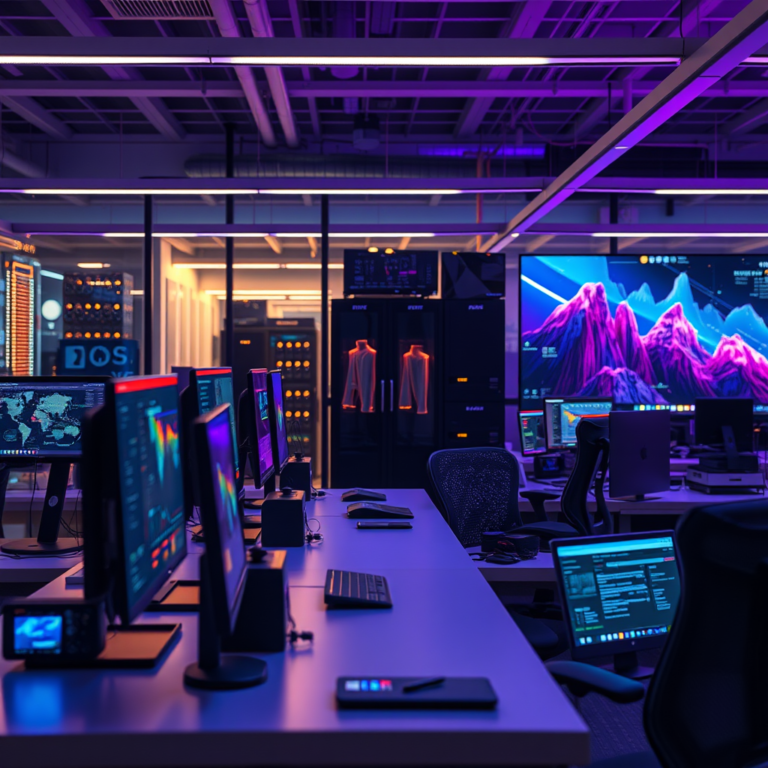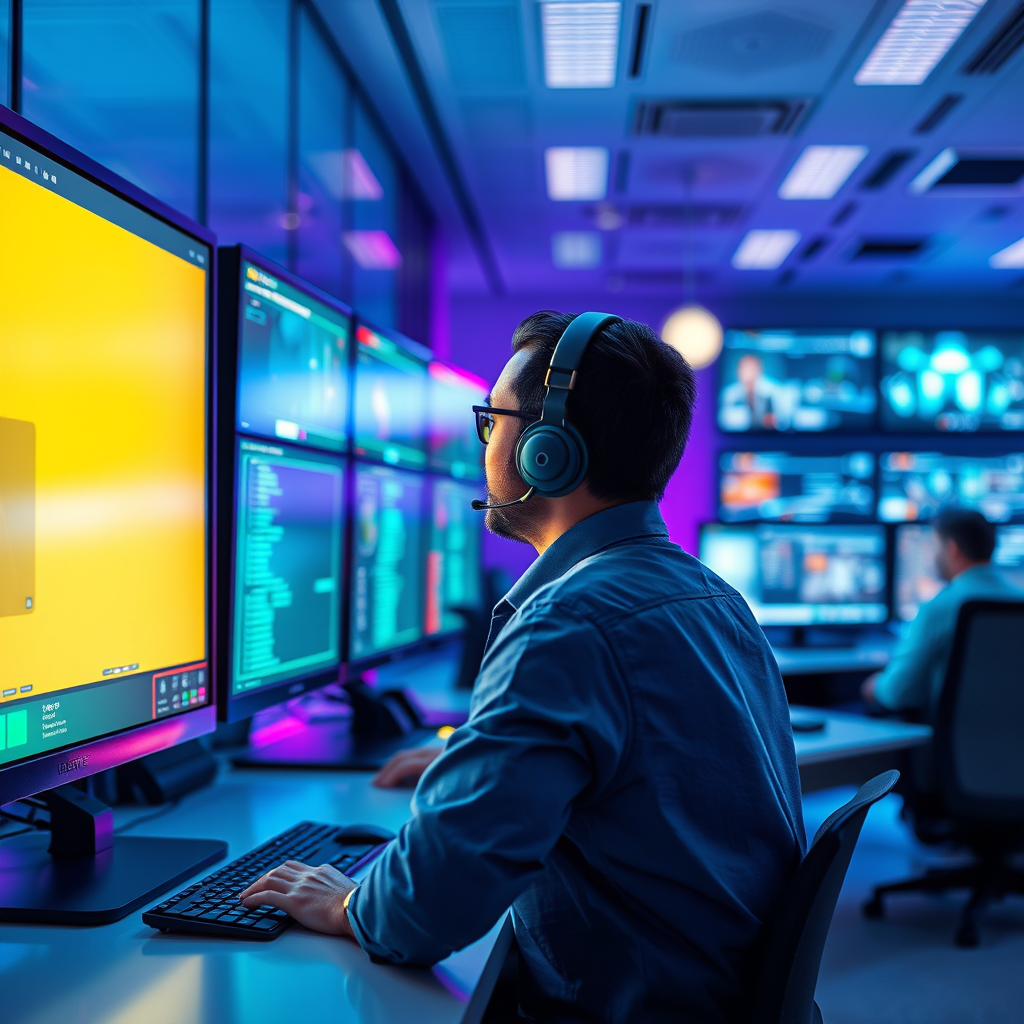

AI-powered displays significantly enhance mission control operations by providing real-time data visualization, predictive analytics, and improved decision-making capabilities. These advanced systems streamline communication and increase situational awareness for operators, making critical tasks more efficient and effective. As organizations strive for excellence in operational performance, the integration of AI technology into mission control environments has proven to be a game-changer. In this article, we will explore the various ways AI technology is transforming mission control environments.
The Role of Real-Time Data Visualization
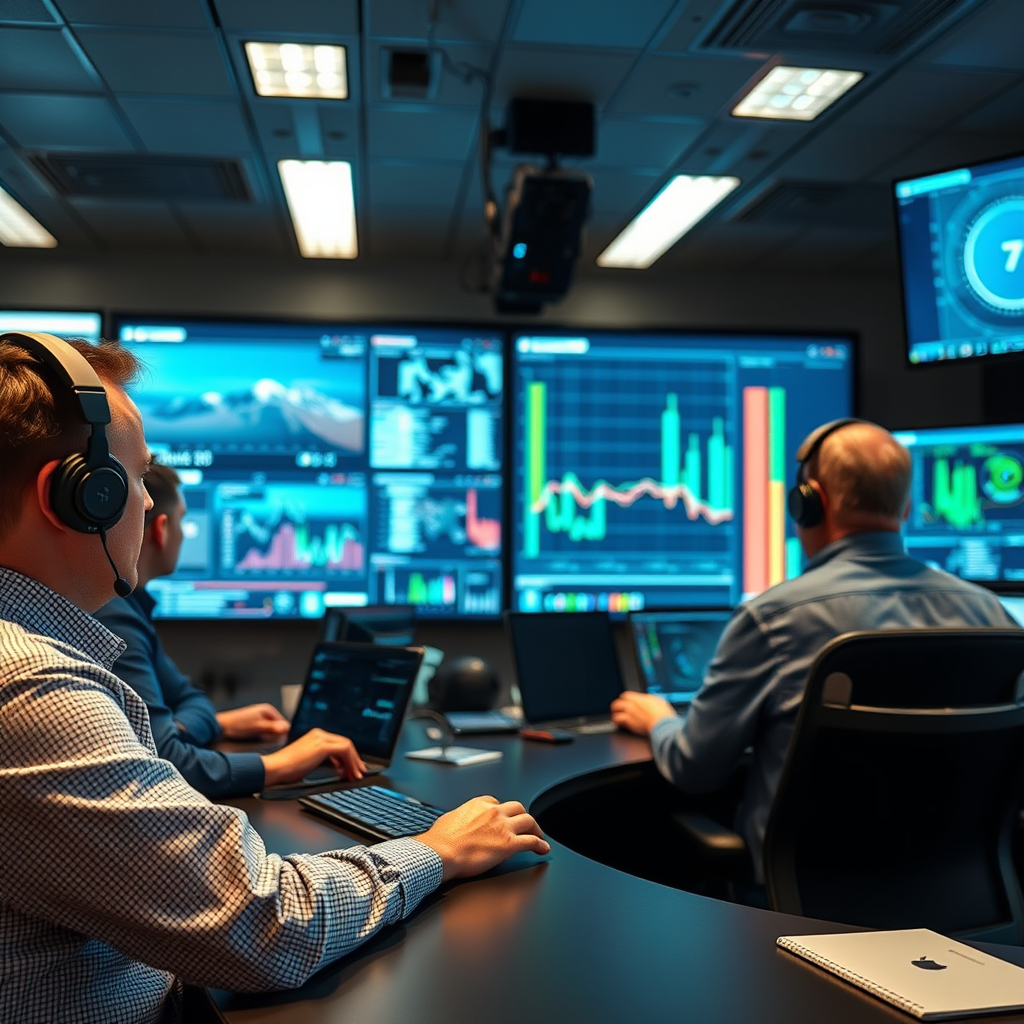
AI displays can aggregate and present data from multiple sources in a clear and intuitive format. This capability is particularly essential in mission control, where operators are tasked with monitoring a multitude of variables that can change in an instant. For instance, during a space mission, information from satellites, ground control, and onboard sensors must be synthesized quickly to provide a complete picture of the operation. AI enhances this process by filtering and displaying the most relevant data, ensuring that mission operators have the insights they need at their fingertips.
Real-time updates allow operators to monitor mission parameters and respond swiftly to changes. Imagine a situation where a spacecraft encounters unexpected atmospheric conditions. With AI-enhanced displays, operators can immediately see the data regarding temperature, pressure, and trajectory, enabling them to make informed decisions without delay. This immediate access to relevant data not only improves response times but also reduces the cognitive load on operators, allowing them to focus on critical decision-making rather than sifting through irrelevant information.
Predictive Analytics for Enhanced Decision-Making

AI algorithms analyze historical data to forecast potential issues, allowing for proactive measures. In mission control, the ability to anticipate challenges before they arise can be the difference between success and failure. For example, by examining past missions and identifying patterns related to equipment failures, AI can suggest preventative actions that may mitigate risks during future operations. This foresight is particularly valuable in high-stakes environments such as space exploration or military operations, where even minor oversights can have significant consequences.
Decision-makers can rely on predictive insights to optimize mission strategies and resource allocation. With AI’s ability to analyze vast amounts of data quickly, mission planners can evaluate different scenarios and choose the most effective path forward. This data-driven approach helps ensure that resources are allocated efficiently, which is crucial in situations where time and assets are limited. By embracing predictive analytics, organizations can enhance their operational strategies and improve overall mission success rates.
Improved Communication Among Teams
AI-powered displays facilitate seamless information sharing between team members, reducing the risk of miscommunication. In mission control, where teams often consist of diverse experts working in tandem, clear communication is vital. AI systems can automatically update and disseminate critical information to all relevant parties, ensuring that everyone is on the same page. This reduces the chance of errors caused by miscommunication and fosters a collaborative environment where team members can work together more effectively.
Enhanced collaboration tools ensure that all stakeholders are on the same page, regardless of their location. For example, during a joint mission involving multiple agencies or organizations, AI displays can standardize the data presented to different teams, ensuring consistency. This level of integration not only streamlines operations but also boosts morale, as team members feel more connected and informed about the mission’s progress.
Customization and Adaptability of Displays
AI systems can be tailored to meet the specific needs of different mission types and environments. This adaptability is crucial, as each mission may present unique challenges that require specialized data and visualization techniques. For instance, a mission focused on planetary exploration may prioritize geological data, while a rescue operation may require a focus on personnel locations and environmental conditions. AI-powered displays can be customized to showcase the most pertinent information, allowing operators to concentrate on what matters most.
Customizable dashboards allow operators to focus on the most relevant data for their tasks. By providing the ability to rearrange, resize, and prioritize data displays, AI technology empowers operators to create a personalized interface that enhances their workflow. This flexibility not only improves efficiency but also increases user satisfaction, as operators can tailor their experience to their preferences and working styles.
Integration with Other Technologies
AI displays can integrate with various systems, such as satellite data and sensor networks, to provide a comprehensive operational view. This level of integration is essential for mission control environments that rely on multiple data sources to inform their decisions. By consolidating information from various technologies into a single display, operators can access a holistic view of the mission, reducing the need to switch between different systems or interfaces.
This integration supports a unified command structure, ensuring that all data feeds into a single, coherent display. For example, in a military operation, real-time data from drones, ground forces, and reconnaissance satellites can all be integrated into one platform, providing commanders with a complete operational picture. This comprehensive view is crucial for making timely and informed decisions that can impact mission outcomes.
Training and Simulation Enhancements
AI-powered displays can be used in training scenarios to simulate real mission conditions and challenges. By creating realistic training environments that replicate the complexities of actual missions, organizations can better prepare their personnel for the demands they will face. For instance, using AI to generate various scenarios helps operators practice their responses to a range of potential issues, from equipment malfunctions to unexpected changes in mission parameters.
Operators can practice responses to various situations, improving readiness and operational effectiveness. This hands-on approach to training not only enhances skills but also boosts confidence among team members, knowing they have practiced and prepared for a variety of situations. Furthermore, the ability to analyze training outcomes using AI can help organizations refine their training programs and address any weaknesses identified during simulations.
Future Trends in AI-Powered Mission Control
Continued advancements in AI technology will lead to even smarter displays capable of more complex analyses. As machine learning and AI algorithms evolve, we can expect displays to provide even deeper insights and predictive capabilities. Future iterations may include features like automatic anomaly detection, where the system identifies and highlights irregularities in data that could indicate potential problems.
Future developments may include augmented reality interfaces that further enhance situational awareness. Imagine mission control operators wearing AR glasses that overlay critical information directly onto their view of the mission environment. This technology could offer real-time data visualization in a way that is both intuitive and immersive, pushing the boundaries of how mission control operations are conducted.
AI-powered displays are revolutionizing mission control operations by providing critical insights and facilitating better decision-making. By enhancing data visualization, predictive analytics, communication, customization, and training, these systems empower operators to navigate complex missions with greater confidence and efficiency. As organizations continue to embrace these technologies, it’s essential to stay informed about the latest developments and consider how they can be integrated into your operational processes. Explore the possibilities of AI in your mission control environment today!
Frequently Asked Questions
How do AI-powered displays improve decision-making in mission control operations?
AI-powered displays enhance decision-making in mission control operations by providing real-time data analysis and visualization. These intelligent systems can synthesize vast amounts of information from various sources, allowing operators to identify patterns and trends quickly. By presenting critical data in an intuitive format, decision-makers can respond faster and make more informed choices, ultimately improving mission outcomes.
What are the key features of AI-powered displays used in mission control?
Key features of AI-powered displays in mission control include advanced data integration, predictive analytics, and interactive visualizations. These displays can aggregate data from multiple sensors and systems, offering a comprehensive view of operations. Additionally, AI algorithms can predict potential issues and suggest optimal actions, while interactive interfaces allow users to drill down into specific data points for deeper insights.
Why should organizations invest in AI-powered displays for their mission control?
Organizations should invest in AI-powered displays for mission control due to their ability to enhance operational efficiency and situational awareness. With AI-driven insights, teams can respond more swiftly to incidents and optimize resource allocation. Moreover, these advanced systems reduce the cognitive load on operators, allowing them to focus on strategic decisions rather than data processing, which can lead to improved mission success rates.
Which industries benefit the most from AI-powered displays in mission control operations?
Industries that benefit the most from AI-powered displays in mission control include aerospace and defense, transportation, and emergency response. In aerospace, for instance, mission control teams rely on real-time data to monitor spacecraft operations. Similarly, in emergency response, AI displays help coordinate resources and assess situations rapidly, ensuring effective and timely interventions in critical scenarios.
How can organizations effectively implement AI-powered displays in their existing mission control systems?
Organizations can effectively implement AI-powered displays by first evaluating their current systems and identifying specific needs for improvement. Next, they should select AI solutions that integrate seamlessly with existing data sources and workflows. Training personnel on the new technology and establishing protocols for its use will also be crucial for successful implementation, ensuring that teams can leverage the full potential of AI insights in their mission control operations.
References
- Artificial intelligence
- https://www.nasa.gov/mission_pages/constellation/main/index.html
- Afghanistan Security Forces Fund: DOD Has Processes for Identifying Training Needs and Maintainin…
- https://www.sciencedirect.com/science/article/pii/S1877050921000565
- https://www.ijcaonline.org/research/volume178/number8/30099-2018-ijca-914721.pdf
- https://www.hindawi.com/journals/complexity/2020/1234567/
- https://www.techrepublic.com/article/how-ai-is-changing-the-way-we-work/
- https://www.bbc.com/future/article/20211012-how-ai-is-revolutionising-the-workplace