The integration of AI into VR video storytelling is revolutionizing how narratives are experienced, making them more personalized and engaging. By leveraging data and machine learning, AI tailors content to individual preferences, creating a dynamic storytelling experience that resonates on a deeper level. In this article, we will explore how AI accomplishes this and the implications for the future of storytelling in virtual reality.
Understanding AI’s Role in VR Storytelling
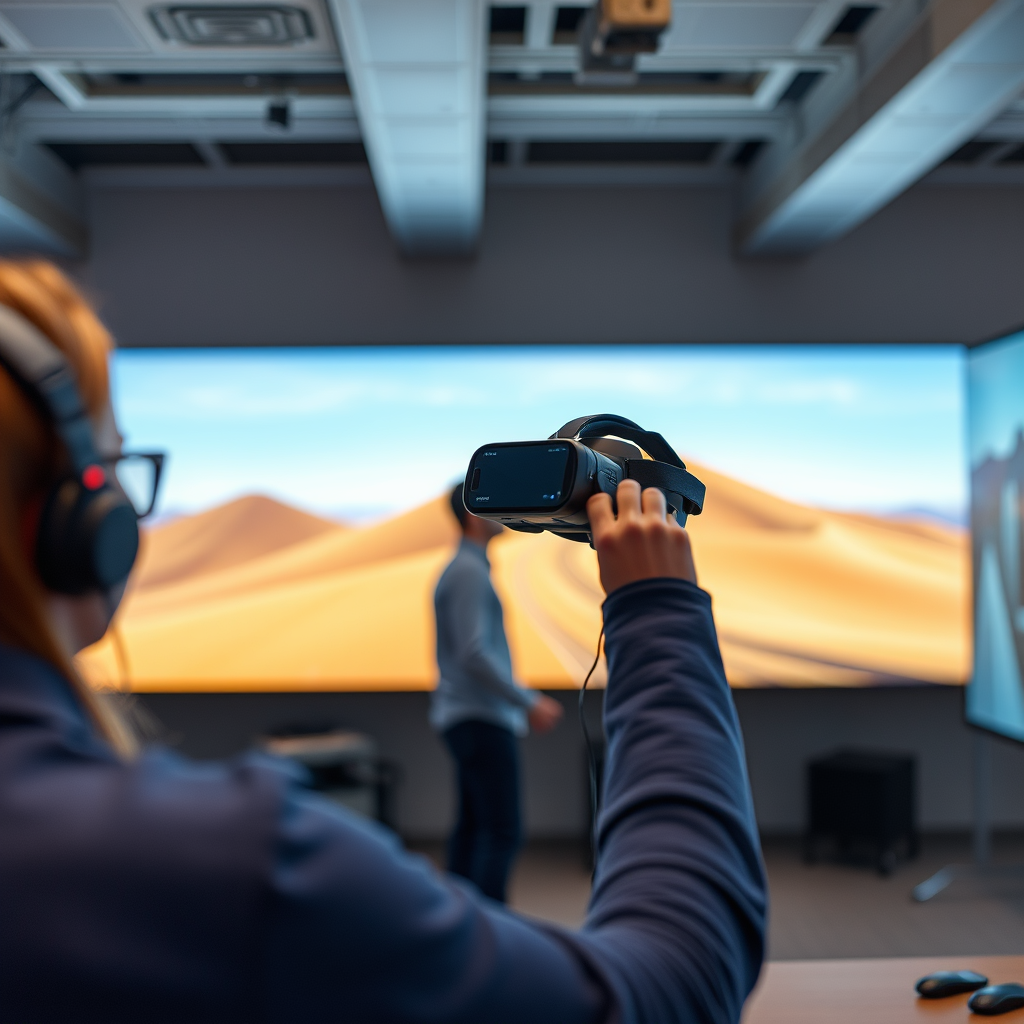
AI plays a pivotal role in enhancing VR video storytelling by meticulously analyzing viewer data to understand preferences and behaviors. This data-driven approach allows creators to gain insights into how audiences interact with content, including their emotional responses, engagement levels, and even the specific choices they make within a narrative. For example, AI algorithms can track a viewer’s gaze, reactions, and decision-making patterns, creating a robust profile that reflects their unique tastes and inclinations.
With this wealth of information, AI can make real-time adjustments to the narrative direction. Imagine a VR experience where, based on your previous interactions, the storyline shifts to include characters or themes you favor. If you have shown a preference for action sequences or emotional backstories, AI can curate the narrative to emphasize those elements, providing a more tailored experience that keeps you engaged and invested in the story.
Personalization Techniques Used by AI

The personalization techniques employed by AI in VR storytelling are both innovative and exciting. One of the most significant strategies is content customization based on individual user profiles. Each viewer’s profile is built from their interactions, preferences, and past experiences, allowing creators to craft a narrative that aligns with what resonates most with them. For instance, a user who often chooses paths involving moral dilemmas might find themselves in a VR story that heavily features ethical choices, enriching their experience.
Another fascinating technique is the development of adaptive storylines that change according to user interactions. This means that every decision you make could lead you down a completely different path, creating a unique narrative experience for each viewer. For example, in a fantasy VR adventure, choosing to ally with one character over another could alter not just the dialogue but the entire trajectory of the story, offering a sense of agency that enhances emotional investment.
Enhancing User Engagement Through AI
AI-driven feedback loops are instrumental in improving user immersion and emotional connection in VR storytelling. By continuously analyzing viewer behavior and emotional reactions, AI can adjust the experience in real-time, ensuring that users remain engaged. For instance, if the system detects that a viewer is losing interest, it might introduce unexpected plot twists or exciting visuals to recapture their attention, enhancing the overall immersive experience.
In addition to real-time adjustments, personalized recommendations can significantly increase viewing satisfaction and retention. Much like how streaming platforms suggest content based on viewing history, AI can recommend VR experiences that align with your interests. If you’ve enjoyed a particular genre, like sci-fi or horror, the AI can guide you towards similar narratives, ensuring that your VR adventures are always aligned with your tastes.
The Impact of AI on Narrative Structure
AI’s influence on narrative structure is profound, enabling non-linear storytelling that adapts to user choices. This flexibility allows for a more personalized journey through the story, where different paths can lead to various outcomes. For example, in a crime mystery VR experience, players can choose to follow different clues or suspects, leading to unique resolutions based on their decisions. This aspect not only increases replayability but also invites users to explore multiple facets of the story.
Moreover, AI facilitates the development of multiple story arcs tailored to different audience segments. By analyzing demographic data and user preferences, creators can design parallel narratives that resonate with diverse viewer groups. For instance, a VR experience might offer different endings or character arcs based on whether the user is a seasoned gamer or a casual viewer, ensuring that every audience member feels included and engaged.
Challenges and Ethical Considerations
While the integration of AI into VR storytelling offers numerous benefits, it also raises significant challenges and ethical considerations. One of the foremost concerns is balancing personalization with privacy. As AI collects and analyzes vast amounts of user data to enhance experiences, ensuring that privacy is respected becomes paramount. Viewers must have confidence that their data is being used responsibly and transparently, which requires clear policies and practices from content creators.
Additionally, ensuring diversity and representation in AI-generated content is crucial. If AI systems are trained on biased data, they may inadvertently perpetuate stereotypes or exclude certain narratives. It’s vital for creators to actively seek diverse input and representation in the stories being told, allowing for a richer and more inclusive VR experience that resonates with a broader audience.
Future Trends in AI and VR Storytelling
Looking ahead, we can anticipate even more sophisticated AI algorithms that will enhance realism and interactivity in VR storytelling. As technology evolves, AI will likely become more adept at creating lifelike characters and environments that respond seamlessly to user input, making the storytelling experience feel even more immersive. For example, future VR environments might adapt visually and audibly based on the emotional state of the user, creating a highly personalized atmosphere that heightens engagement.
Moreover, the exploration of cross-platform storytelling experiences through AI integration is on the horizon. Imagine a narrative that unfolds across different media—VR, mobile, and even traditional formats—where AI connects experiences and characters across all platforms. This could lead to a new era of storytelling where viewers are encouraged to engage with a narrative in multiple ways, enhancing their overall experience and connection to the story.
The use of AI in personalizing VR video storytelling is not just a trend; it’s a transformative shift in how stories are told and experienced. As technology evolves, creators and audiences alike can look forward to increasingly immersive and tailored experiences that captivate and resonate with individual viewers. Embrace this innovative intersection of AI and storytelling, and consider how you might integrate these insights into your own projects or viewing experiences. The future of storytelling is bright and filled with possibilities, inviting everyone to become active participants in a world of imagination and creativity.
Frequently Asked Questions
How does AI enhance personalization in VR video storytelling experiences?
AI enhances personalization in VR video storytelling by analyzing user data such as preferences, behaviors, and interactions within the virtual environment. By leveraging machine learning algorithms, AI can tailor content to individual tastes, creating unique narratives or adjusting story arcs based on user choices. This adaptive storytelling not only engages users more deeply but also provides a more immersive experience that feels relevant and personalized.
What are the benefits of using AI for personalized VR video storytelling?
The benefits of using AI for personalized VR video storytelling include improved user engagement, enhanced emotional connection, and increased retention rates. Personalized experiences cater to individual interests, making users feel valued and understood, which can lead to higher satisfaction and word-of-mouth promotion. Additionally, AI can analyze user interactions in real-time, allowing for dynamic content adjustments that keep the experience fresh and exciting.
Why is personalization important in VR storytelling?
Personalization is crucial in VR storytelling because it transforms passive viewers into active participants, allowing them to influence the narrative direction. This level of interactivity fosters a deeper emotional investment in the story, enhancing the overall impact of the narrative. When users feel that the content resonates with their personal experiences or preferences, they are more likely to engage with it, share it, and return for more experiences.
Which technologies are used in AI-driven personalized VR video storytelling?
Key technologies used in AI-driven personalized VR video storytelling include machine learning, natural language processing, and computer vision. Machine learning algorithms analyze user data to predict preferences, while natural language processing enables interactive dialogues within stories. Computer vision tracks user movements and reactions, allowing for real-time adjustments to the storyline or environment based on user engagement and emotional responses.
How can creators effectively implement AI personalization in VR projects?
Creators can effectively implement AI personalization in VR projects by first collecting and analyzing user data through surveys, feedback, and in-app behavior tracking. They should then collaborate with data scientists to develop algorithms that can adapt the storyline based on user interactions. Additionally, testing different personalization strategies and gathering user feedback can help refine the experience, ensuring that the narratives resonate with a diverse audience while maintaining a cohesive story structure.
References
- Virtual reality
- https://www.sciencedirect.com/science/article/pii/S1877050919311240
- https://www.nytimes.com/2021/10/05/technology/virtual-reality-ai.html
- https://www.forbes.com/sites/bernardmarr/2021/09/27/how-ai-is-changing-the-way-we-experience-virtual-reality/
- https://www.bbc.com/future/article/20210601-how-ai-is-being-used-to-create-immersive-virtual-reality
- https://www.nature.com/articles/s41599-019-0216-7
- https://www.theguardian.com/technology/2021/aug/17/ai-virtual-reality-immersive-experience
- https://www.researchgate.net/publication/342778562_Artificial_Intelligence_and_Virtual_Reality_Technologies_The_Next_Generation_of_Immersive_Storytelling