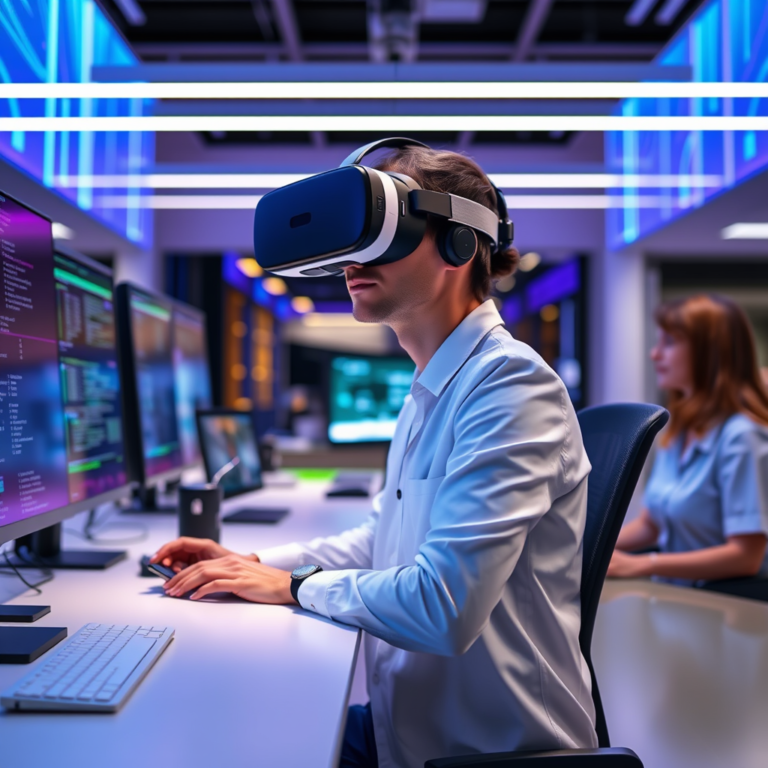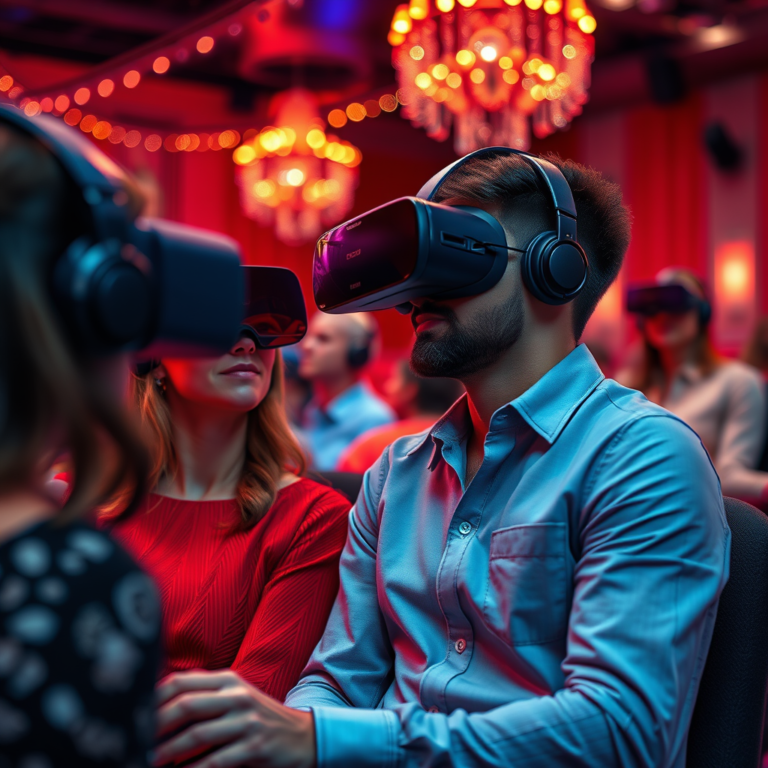

Real-time facial expressions in virtual avatars are significantly enhanced by AI technologies, allowing for more authentic and engaging interactions in digital environments. This innovation is transforming user experiences across various platforms, from gaming to virtual reality and online communication. By leveraging advanced AI algorithms, these avatars can now reflect genuine emotions, making interactions feel more natural and immersive.
Understanding AI’s Role in Facial Expression Recognition
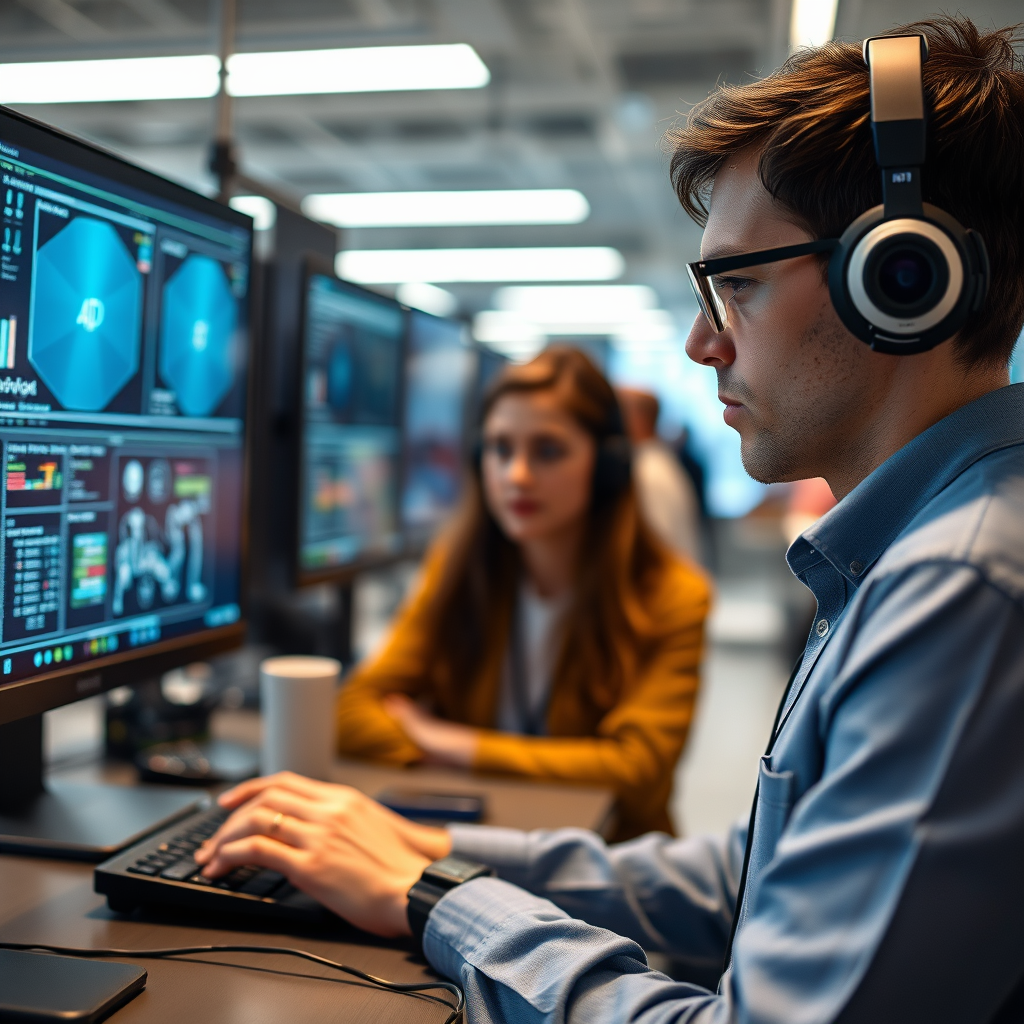
AI plays a crucial role in facial expression recognition by utilizing sophisticated algorithms that analyze facial movements with remarkable precision. Through machine learning, these algorithms are trained to recognize a plethora of human expressions, from joy and surprise to anger and sadness. For instance, a facial recognition system might analyze thousands of images to understand how subtle changes in facial muscles correlate with different emotions. By employing neural networks, AI can improve its accuracy significantly, allowing avatars to mimic real emotions convincingly.
Moreover, the training process involves vast datasets that encompass a diverse range of human expressions. This ensures that avatars can recognize and replicate expressions across various demographics and cultures, promoting inclusivity. With AI’s ability to continuously learn and adapt, the accuracy of expression detection is constantly improving, leading to avatars that can genuinely resonate with users.
The Impact of AI on Avatar Realism
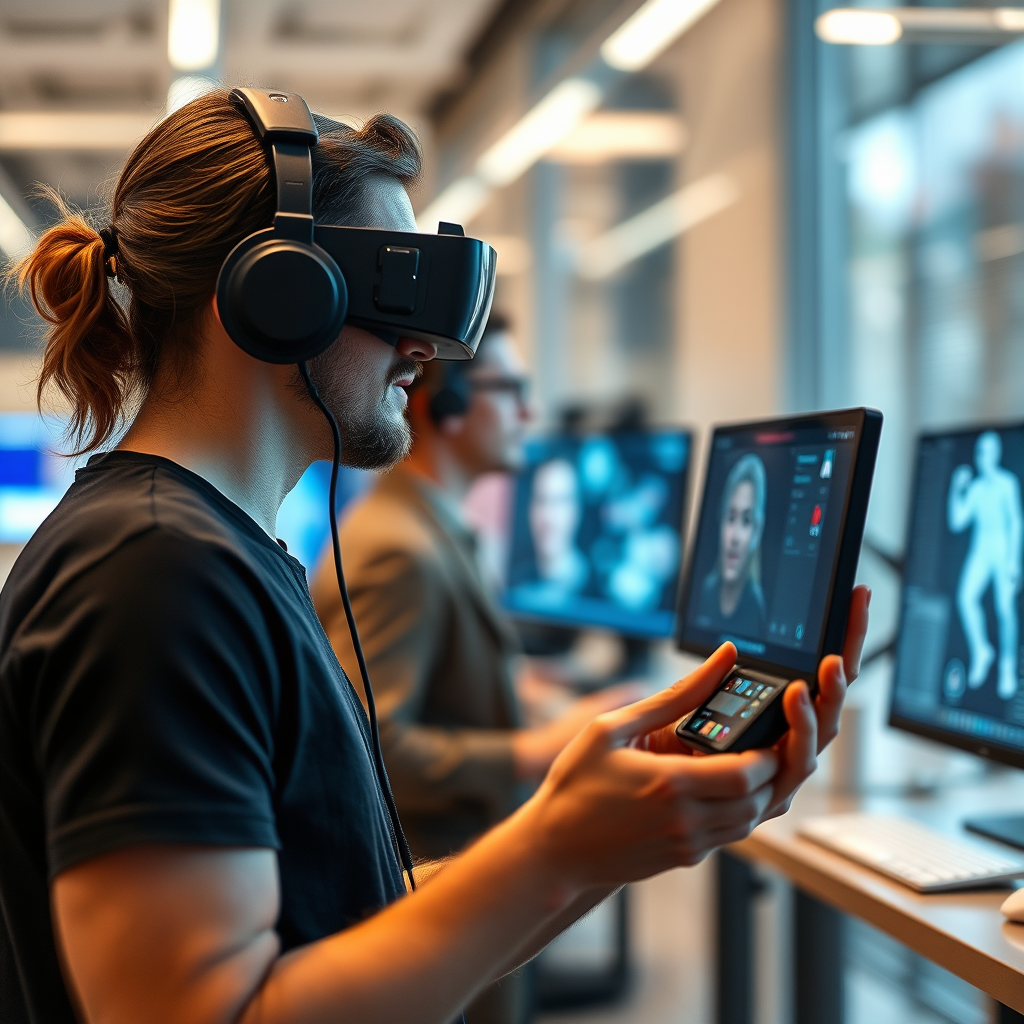
One of the most exciting aspects of AI in virtual avatars is its ability to facilitate real-time processing. This allows avatars to respond instantly to user emotions, creating a seamless interaction experience. For example, if a user smiles during a virtual meeting, an AI-enhanced avatar can immediately reciprocate with a similar smile, reinforcing the connection and making the interaction feel more genuine.
Enhanced realism transforms the emotional landscape of virtual interactions. When users see avatars that can express emotions authentically, it fosters deeper emotional connections. This is especially beneficial in scenarios like virtual therapy, where empathetic responses are crucial. By enriching overall engagement through realistic emotional expressions, AI ensures that users feel understood and valued, enhancing their overall digital experience.
Techniques for AI-Driven Facial Animation
To produce fluid and lifelike animations, AI-driven techniques such as blendshape modeling and motion capture are often combined. Blendshape modeling allows for the manipulation of 3D models to create various facial expressions, while motion capture technology captures the nuances of a user’s facial movements in real-time. When integrated with AI, these techniques enable avatars to exhibit a wide range of emotions with impressive accuracy.
Additionally, AI-driven tools can automatically generate facial expressions based on user input. For instance, if a user types a message that conveys excitement, the avatar can automatically respond with an enthusiastic expression without requiring manual setup. This not only saves time and effort in content creation but also enhances the user experience by ensuring that avatars are always aligned with the emotional tone of the conversation.
Applications of AI-Enhanced Avatars
The applications of AI-enhanced avatars are vast and varied. In the realm of virtual reality, platforms like VRChat and AltspaceVR utilize these avatars to create immersive experiences where users can engage in social interactions, gaming, and creative collaboration. These avatars help bridge the gap between physical and digital presence, making online interactions feel more personal and engaging.
Moreover, businesses are increasingly incorporating AI avatars in customer service roles. For example, companies like LivePerson have adopted AI avatars to provide personalized and responsive interactions, offering customers a friendly face to communicate with. This not only enhances the customer experience but also allows companies to handle inquiries more efficiently, leading to higher satisfaction rates.
Challenges in Implementing AI for Facial Expressions
Despite the numerous advantages of AI in enhancing facial expressions, there are challenges that developers and companies must navigate. One significant challenge is the technical limitations in processing power. Real-time performance can be affected, especially when multiple avatars are engaged simultaneously, leading to potential lag or reduced responsiveness. Developers must continuously innovate to optimize these systems for smooth performance.
Ethical concerns also arise when implementing facial recognition technologies. Privacy and consent are paramount, as users may not be comfortable with their facial data being used for avatar creation. Companies must ensure transparent policies and obtain clear consent from users, balancing innovative technology with ethical responsibility.
Future Trends in AI and Avatar Facial Expressions
The future of AI and avatar facial expressions is incredibly promising. Ongoing advancements in AI will lead to even more sophisticated emotional recognition and expression synthesis. As AI models become more refined, avatars will be able to understand and react to a broader range of emotions and nuances, resulting in even more lifelike interactions.
Additionally, the integration of augmented reality (AR) with AI will further enhance avatar capabilities. Imagine wearing AR glasses that allow avatars to overlay your digital environment with real-time emotional feedback, creating a blend of the physical and digital worlds. This convergence will open new avenues for user experiences, making interactions richer and more engaging than ever before.
The advancements in AI technology are revolutionizing the way virtual avatars express emotions, making them more relatable and engaging. By understanding how these technologies work and their implications, users can leverage these innovations for more immersive digital interactions. As we move forward, the potential for AI-enhanced avatars in various applications seems limitless, paving the way for a future where our digital selves are as expressive and connected as our real-world counterparts.
Frequently Asked Questions
How does AI technology improve the accuracy of facial expressions in virtual avatars?
AI technology enhances the accuracy of facial expressions in virtual avatars by utilizing advanced machine learning algorithms and computer vision techniques. These technologies analyze real-time facial movements and emotions of users, translating them into corresponding expressions on the avatars. By employing deep learning models trained on vast datasets of human facial expressions, AI can create more nuanced and lifelike interactions, making virtual experiences feel more authentic and engaging.
What are the key benefits of using AI-enhanced avatars in virtual communication?
The key benefits of using AI-enhanced avatars in virtual communication include improved emotional representation, increased engagement, and a more immersive experience. AI can capture and reflect subtle facial cues, allowing users to express a wider range of emotions effectively. This leads to better interpersonal connections, reduced miscommunication, and a more personalized interaction, which is particularly valuable in settings like remote work, online gaming, and social virtual reality environments.
Why is real-time facial expression tracking important for virtual avatars?
Real-time facial expression tracking is essential for virtual avatars as it enables immediate and accurate representation of a user’s emotions, fostering authentic interactions. This capability is crucial in enhancing user experience, particularly in environments like virtual meetings or gaming, where emotional feedback significantly impacts communication and engagement. By ensuring that avatars reflect users’ real-time emotions, the technology helps bridge the gap between virtual and real-life interactions, making them more relatable and effective.
Which AI technologies are commonly used to enhance facial expressions in avatars?
Common AI technologies used to enhance facial expressions in avatars include facial recognition software, neural networks, and natural language processing. Facial recognition software captures and analyzes real-time facial movements, while neural networks process these inputs to create dynamic and expressive avatars. Additionally, natural language processing can further enhance interactions by understanding and reacting to user comments, providing a holistic approach to avatar realism and emotional expression.
How can businesses implement AI-powered avatars for customer interaction?
Businesses can implement AI-powered avatars for customer interaction by integrating them into customer service platforms, virtual events, or marketing campaigns. By utilizing SDKs and APIs that offer AI capabilities, companies can develop avatars that reflect their brand personality while engaging customers in real-time. This approach not only enhances customer experience through personalized interactions but also provides businesses with valuable data on customer preferences and behaviors, ultimately driving better service and engagement strategies.
References
- Facial expression
- https://www.sciencedirect.com/science/article/pii/S0360132319302748
- https://www.nytimes.com/2021/02/24/technology/ai-facial-recognition.html
- https://www.frontiersin.org/articles/10.3389/fpsyg.2021.609667/full
- https://www.bbc.com/news/technology-56237088
- https://www.aaai.org/ojs/index.php/aimagazine/article/view/707
- Bleomycin hydrolase regulates the release of chemokines important for inflammation and wound heal…
- https://www.wired.com/story/how-ai-is-changing-the-way-we-communicate/
- https://www.technologyreview.com/2021/07/20/1027627/ai-facial-expression-avatars/
- https://www.researchgate.net/publication/343679103_Towards_Auto-Emotion_Recognition_in_Virtual_Avatars