Incorporating AI-generated backgrounds into green screen filmmaking significantly enhances the creative possibilities and efficiency of production. Filmmakers can now create stunning visuals without the need for extensive physical sets or locations, making the process more accessible and innovative. This transformation allows artists to unleash their creativity while also benefiting from faster turnaround times and reduced costs. In this article, we will explore how AI-powered solutions are revolutionizing the green screen experience, offering countless opportunities for filmmakers.
The Evolution of Green Screen Technology
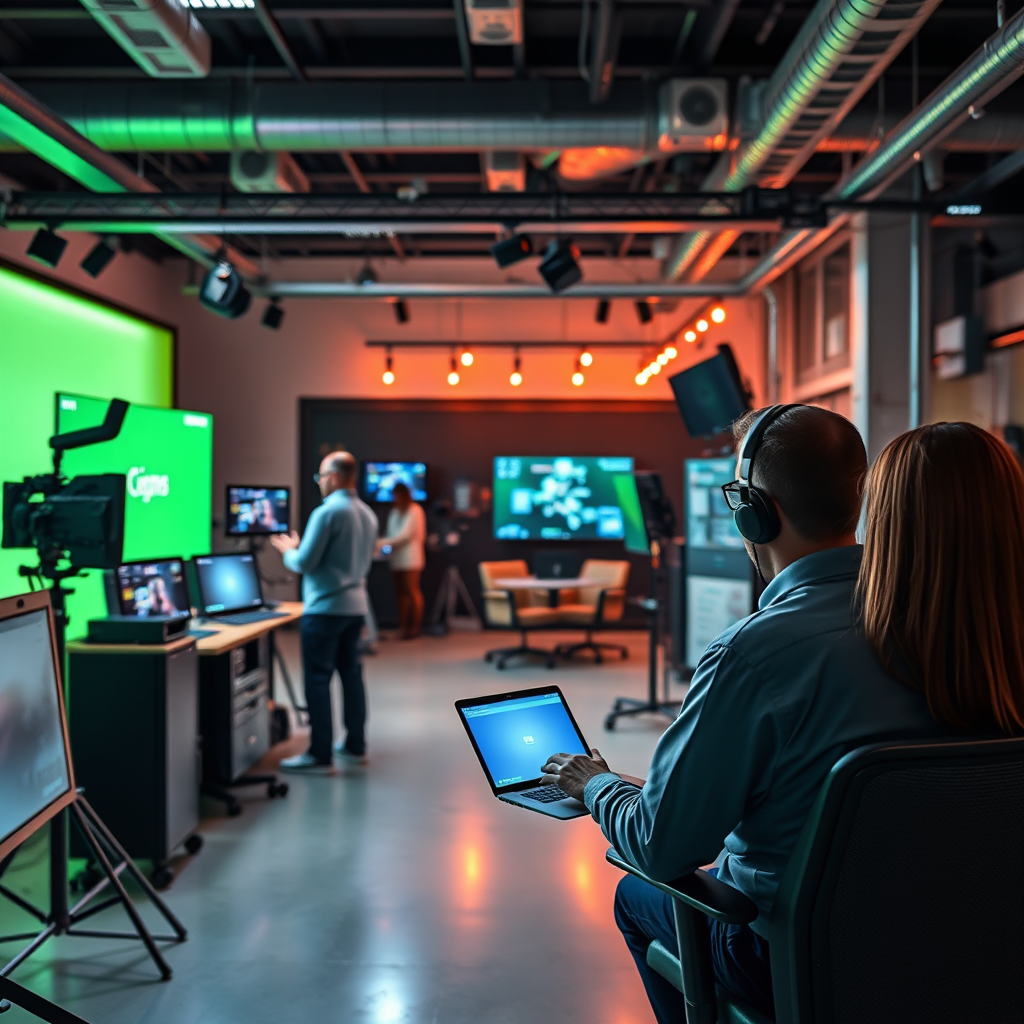
Traditional green screen techniques have been a staple in filmmaking for decades, allowing filmmakers to superimpose actors onto various backgrounds. However, these methods come with limitations, such as the need for physical sets, extensive location scouting, and the challenges of achieving natural lighting and shadows. Often, creating realistic environments required significant resources and meticulous planning, which could lead to delays and increased budgets.
In recent years, the advent of AI technology has played a pivotal role in transforming this landscape. AI can now generate intricate backgrounds based on detailed parameters and can adapt to the specific needs of a project. This means filmmakers can bypass many of the older hurdles associated with green screen work, allowing for a more fluid and dynamic creative process. The fusion of AI with traditional techniques is reshaping how stories are told and visualized on screen.
Benefits of AI-Generated Backgrounds
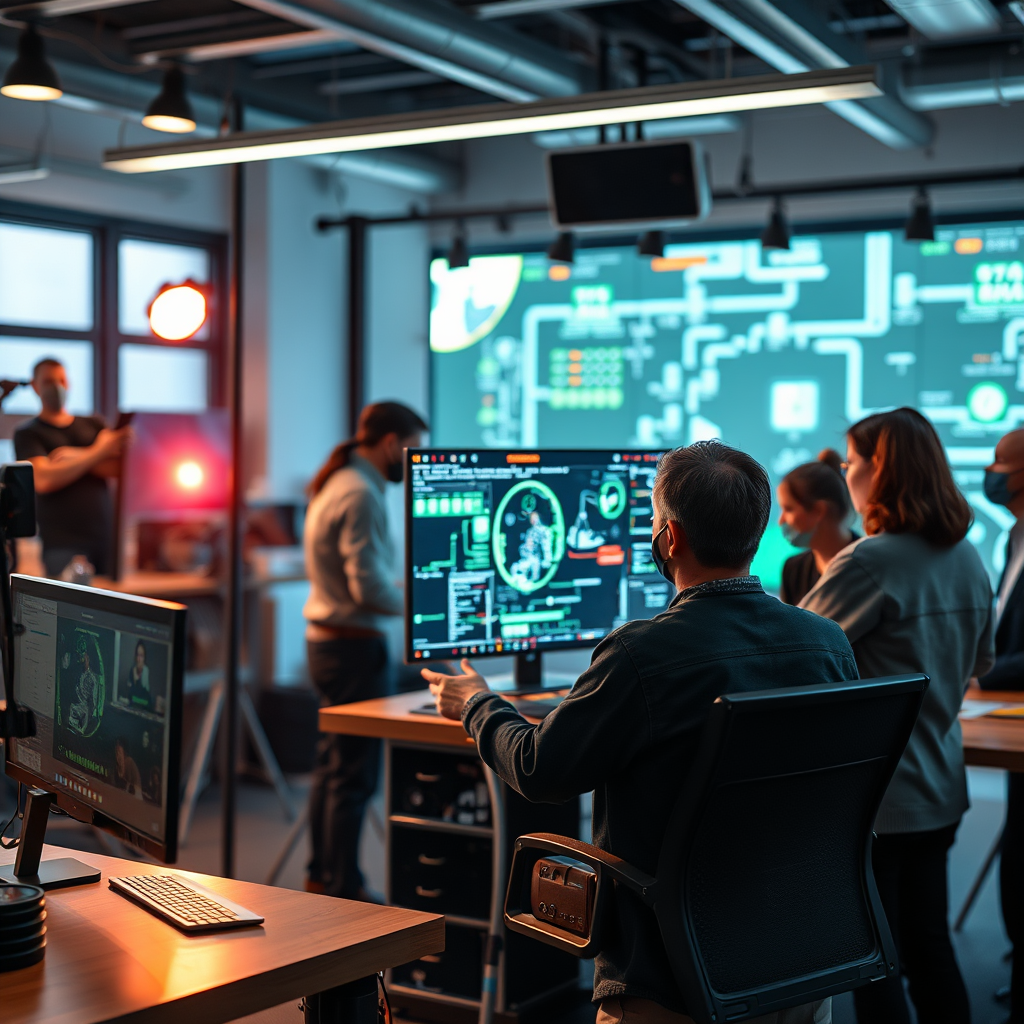
One of the most significant advantages of using AI-generated backgrounds is the increased creative flexibility it offers. Filmmakers can design and customize backgrounds to fit the exact tone and mood of their scenes without being limited by physical location constraints. Whether it’s a bustling cityscape, a serene forest, or an otherworldly landscape, AI provides an endless array of options that can be tailored to enhance storytelling.
Moreover, the time and cost savings associated with AI backgrounds cannot be overstated. Traditional set design and location shooting involve labor-intensive planning, construction, and sometimes travel logistics that can rack up expenses quickly. With AI, filmmakers can generate high-quality backgrounds in a fraction of the time and at a fraction of the cost. This efficiency allows for more resources to be allocated to other aspects of production, such as directing, acting, and post-production, ultimately elevating the overall quality of the film.
How AI Generates Realistic Backgrounds
AI-generated backgrounds are made possible through advanced machine learning algorithms and neural networks. These systems analyze vast datasets of images and learn the nuances of textures, lighting, and spatial relationships to create realistic visuals. For instance, Generative Adversarial Networks (GANs) are commonly used to produce images that can seamlessly blend with live-action footage.
The quality of the generated backgrounds is largely dependent on the data used for training. The more diverse and extensive the training set, the better the AI can understand and replicate various environments. Filmmakers can input specific criteria, such as time of day, weather conditions, and artistic style, allowing the AI to produce tailored backgrounds that meet their creative vision. This capability not only enhances visual fidelity but also allows filmmakers to explore imaginative worlds that might have been too costly or logistically challenging to create otherwise.
Integrating AI Backgrounds into Filmmaking Workflow
Integrating AI-generated backgrounds into existing filmmaking workflows can enhance productivity and creativity. Here are some practical tips for filmmakers looking to adopt this technology:
1. Explore Available Tools: Familiarize yourself with software and platforms that specialize in AI-generated backgrounds, such as RunwayML, Artbreeder, or NVIDIA’s GauGAN. These tools offer user-friendly interfaces and can produce high-quality images suitable for various projects.
2. Experiment with Customization: Don’t hesitate to play around with the customization features of these tools. Adjusting parameters like color palettes, texture details, and lighting can yield unique results that better fit your vision.
3. Combine with Traditional Techniques: Consider blending AI-generated backgrounds with traditional filming techniques. For instance, filming actors in front of a green screen while integrating AI backgrounds can enhance realism and provide a hybrid approach that leverages the strengths of both methods.
4. Stay Updated on Technology: The field of AI is rapidly evolving. Regularly checking for updates and new features in your chosen software can ensure you’re utilizing the latest advancements to improve your production quality.
Case Studies: Successful Use of AI Backgrounds
Several filmmakers have successfully integrated AI-generated backgrounds into their projects, showcasing the technology’s potential. For example, the short film “The Last Train” utilized AI-generated urban environments to depict a futuristic cityscape. The filmmakers reported that using AI backgrounds not only saved time but also allowed them to focus on the narrative and character development without worrying about the constraints of physical sets.
Another notable example is the series “The Mandalorian,” which employed the Unreal Engine to create immersive environments. While not exclusively AI-generated, the techniques used in the production highlight how combining cutting-edge technology with green screen techniques can yield stunning visual results. Filmmakers involved in these projects have shared insights into how AI backgrounds provided them with creative freedom and significantly streamlined their workflows.
Future Trends in AI and Filmmaking
Looking ahead, the evolution of AI technology in the film industry is poised for even greater advancements. We can expect more sophisticated algorithms that offer higher resolution images and more realistic backgrounds with minimal effort. Additionally, AI might begin to play a role in other aspects of filmmaking, such as scriptwriting, editing, and even sound design, creating a holistic approach to film production.
However, the integration of AI in filmmaking is not without its challenges. Ethical considerations regarding copyright and the authenticity of AI-generated content will be crucial discussions moving forward. Filmmakers must navigate these waters carefully to ensure that their work remains original and respects intellectual property rights.
In conclusion, the integration of AI-generated backgrounds into green screen filmmaking not only enhances visual storytelling but also streamlines the production process. By embracing this technology, filmmakers can unlock new creative possibilities while enjoying significant time and cost efficiencies. As the industry continues to evolve, those looking to innovate their projects should consider exploring AI solutions to stay ahead in the competitive landscape. Take the next step in your filmmaking journey by researching available AI tools and incorporating them into your next project. Embrace the future of filmmaking and let your creativity shine!
Frequently Asked Questions
What are AI-generated backgrounds in green screen filmmaking?
AI-generated backgrounds in green screen filmmaking refer to digital environments created using artificial intelligence algorithms. These backgrounds can be tailored to match specific themes or aesthetics, enhancing the visual storytelling of a project. By utilizing advanced machine learning techniques, filmmakers can produce high-quality, realistic backgrounds that integrate seamlessly with live-action footage, providing a more immersive experience for viewers.
How do AI-powered backgrounds improve the green screen process?
AI-powered backgrounds streamline the green screen process by automating the creation of complex environments, reducing the time and resources needed for traditional background design. Filmmakers can quickly generate multiple background options that are visually appealing and contextually relevant, allowing for greater creative flexibility. This technology also minimizes the need for extensive post-production work, as the AI-generated images can be directly incorporated into scenes with minimal adjustments.
Why should filmmakers consider using AI-generated backgrounds over traditional methods?
Filmmakers should consider using AI-generated backgrounds because they offer enhanced efficiency, cost-effectiveness, and scalability compared to traditional methods. With AI, backgrounds can be produced rapidly, allowing for quick iterations and experimentation without the labor-intensive processes involved in manual design. Additionally, these backgrounds can adapt to different styles and genres, making them a versatile tool for filmmakers looking to elevate their projects while staying within budget constraints.
What are the best practices for integrating AI-generated backgrounds with green screen footage?
The best practices for integrating AI-generated backgrounds with green screen footage include ensuring proper lighting and color grading for both the live-action elements and the digital backgrounds. It’s crucial to match the scale and perspective of the background to the subjects in the foreground to create a convincing composite. Additionally, filmmakers should pay attention to shadows and depth of field, using visual effects software to enhance realism and ensure that the final product looks cohesive and professionally polished.
Which software tools are recommended for creating AI-powered backgrounds for green screen projects?
Several software tools are recommended for creating AI-powered backgrounds, including Adobe After Effects with AI plugins, Runway ML, and Artbreeder. These platforms leverage powerful AI algorithms to generate unique backgrounds and offer user-friendly interfaces that cater to both beginners and experienced filmmakers. By utilizing these tools, creators can easily produce stunning, high-quality backgrounds that complement their green screen projects and enhance overall production value.
References
- Chroma key
- https://www.nytimes.com/2020/01/02/technology/artificial-intelligence-film.html
- https://www.wired.com/story/how-ai-is-changing-filmmaking/
- https://www.sciencedirect.com/science/article/abs/pii/S1877050919318322
- https://www.theguardian.com/technology/2021/nov/10/ai-in-film-industry-visual-effects
- https://www.technologyreview.com/2021/06/07/1025685/ai-film-production/
- https://www.bbc.com/future/article/20210304-how-ai-is-transforming-the-film-industry
- https://www.itu.int/en/ITU-T/focusgroups/ai/Pages/default.aspx