
AI-powered biometric displays significantly bolster security by providing advanced, user-friendly methods of authentication. By utilizing unique biological traits such as fingerprints, facial recognition, and even voice patterns, these systems ensure that only authorized individuals gain access to sensitive information and secure areas. As security concerns escalate in various sectors, embracing AI-driven biometric technology has become essential for safeguarding assets and personal data. In this article, we will delve into how these innovative technologies enhance security measures across different industries.
Understanding AI-Powered Biometric Displays
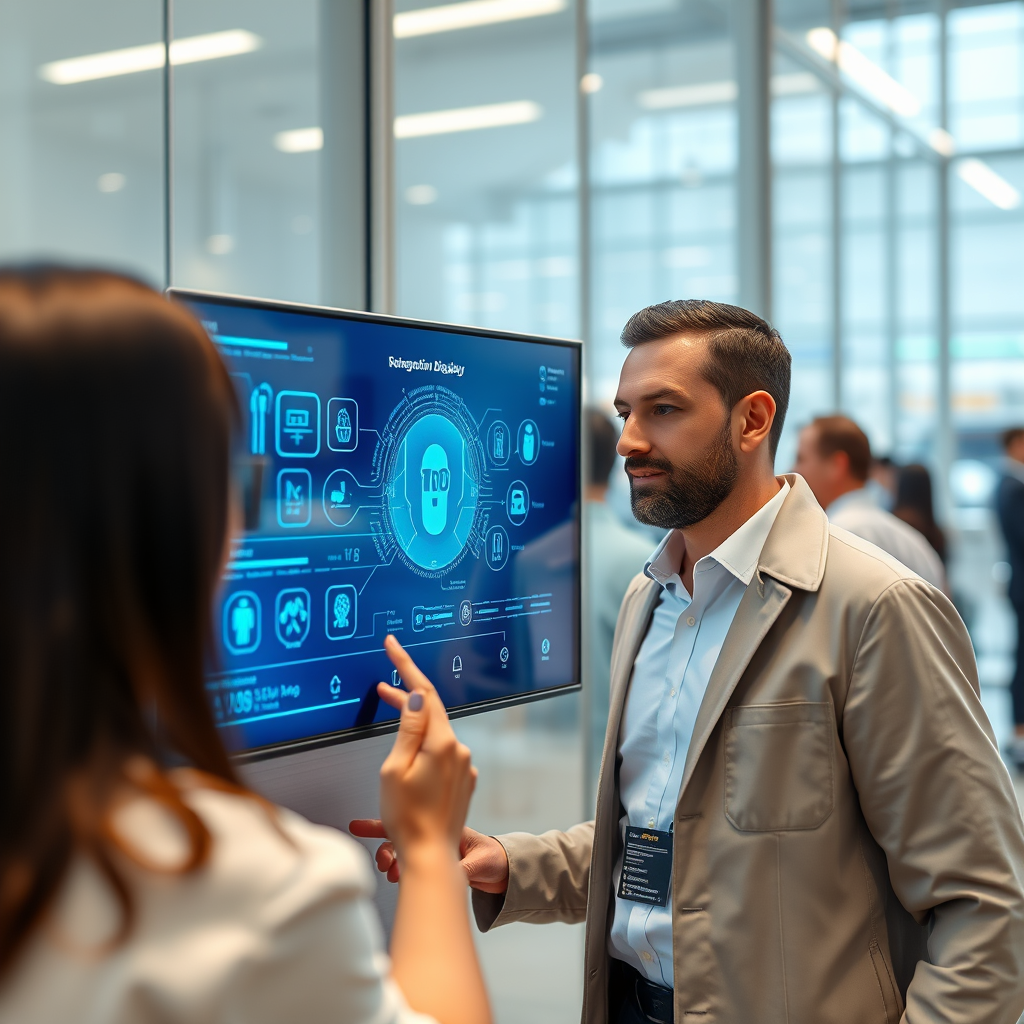
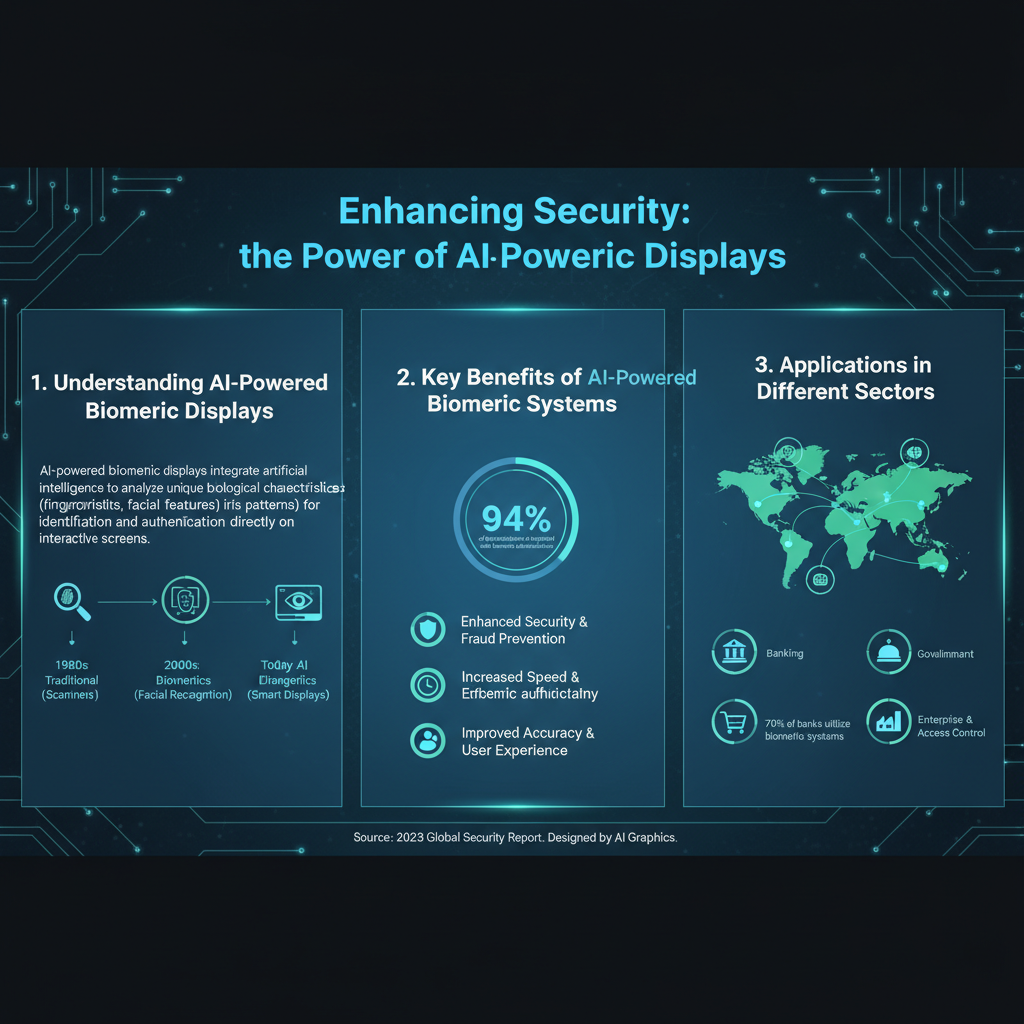
Biometric technology has come a long way since its inception. Initially, biometric systems relied heavily on simple fingerprint scanners, which often faced challenges related to accuracy and reliability. Over the years, the evolution of biometric technology has introduced more sophisticated methods, including iris recognition and facial scanning. With advancements in artificial intelligence, these systems have become significantly more efficient. AI enhances biometric systems by employing machine learning algorithms that analyze and recognize patterns in biological data. This integration results in improved accuracy and speed, allowing for real-time authentication that is both seamless and secure.
For instance, AI algorithms can learn from vast datasets, refining their recognition capabilities over time. This means that as these systems are exposed to more biometric data, they become better at distinguishing between valid users and imposters, reducing the chances of false positives or negatives. As a result, AI-powered biometric displays not only streamline the authentication process but also bolster overall security.
Key Benefits of AI-Powered Biometric Systems
One of the most significant advantages of AI-powered biometric systems is their ability to provide enhanced security through unique identification methods. Unlike traditional passwords or PINs, which can be forgotten, stolen, or hacked, biometric traits are inherently unique to each individual. This uniqueness makes it exceedingly difficult for unauthorized users to gain access to protected areas or sensitive information.
Moreover, the reduction of unauthorized access and fraudulent activities is a direct result of implementing these advanced systems. For example, in a corporate environment, AI-powered biometric displays can restrict access to sensitive documents and resources, ensuring that only designated personnel can view or manipulate critical data. Financial institutions are also leveraging this technology to combat fraud. By employing facial recognition during transactions, banks can quickly verify the identity of customers, thus minimizing the risk of identity theft.
Applications in Different Sectors
The applications of AI-powered biometric displays span various sectors, each benefiting from enhanced security and streamlined processes. In financial institutions, for example, secure transactions are paramount. Banks are increasingly using biometric systems to authenticate users during online banking sessions or at ATMs. By requiring a fingerprint or facial scan, these institutions can ensure that the person accessing the account is indeed the account holder. This not only protects customers but also strengthens the bank’s reputation for security.
Government facilities are another sector where biometric displays are making significant strides. For identity verification, agencies are implementing biometric systems at checkpoints and for document issuance. A notable example is the use of biometric data in passport control systems at airports. By quickly verifying a traveler’s identity through facial recognition technology, these systems help to streamline the travel process while enhancing security measures against illegal activities such as human trafficking and terrorism.
Challenges and Considerations
While the benefits of AI-powered biometric systems are substantial, there are also challenges and considerations to keep in mind. Privacy concerns regarding the collection and storage of biometric data are at the forefront of discussions surrounding this technology. Many individuals are apprehensive about how their biological data is used, stored, and potentially compromised. Ensuring robust data protection measures and transparent policies is essential to alleviate these concerns.
Additionally, potential technical issues and limitations of biometric systems cannot be overlooked. For example, inconsistent lighting conditions can affect facial recognition accuracy, while dirty or wet fingers can hinder fingerprint scanning. It’s crucial for organizations to have fallback authentication methods in place and to ensure that their biometric systems are regularly updated and maintained to mitigate these technical challenges.
Future Trends in Biometric Security
As we look to the future, emerging technologies and innovations in AI and biometrics are likely to shape security protocols even further. Advancements such as multi-factor biometric authentication are becoming more popular, combining two or more biometric traits for enhanced security. For instance, a system might require both a fingerprint scan and facial recognition during access, making it even more challenging for unauthorized users.
Moreover, the integration of AI with other technologies such as blockchain could lead to more secure and transparent biometric data management systems. Predictions suggest that as organizations continue to adopt these advancements, security protocols will evolve, becoming more adaptable and resilient to new threats. This ongoing evolution will not only enhance security measures but also improve user experience, making authentication processes seamless and efficient.
Best Practices for Implementing Biometric Displays
For businesses considering the integration of biometric systems, there are several best practices to follow to ensure effective implementation. First and foremost, conducting a thorough needs assessment is crucial. Organizations should evaluate their specific security requirements and determine the most suitable biometric technology that aligns with their goals.
It’s also essential to prioritize user education and awareness. Employees must understand how to use the biometric systems properly and the importance of safeguarding their biometric data. Providing training sessions and clear communication regarding data privacy policies can foster a culture of security within the organization.
Finally, organizations should continuously monitor and assess their biometric systems. Regular audits and updates can help identify potential vulnerabilities and ensure that the technology remains effective in combating security threats.
The integration of AI-powered biometric displays into security systems offers a sophisticated and reliable way to enhance protection against unauthorized access. As technology progresses, these systems will continue to evolve, offering even more robust solutions for security challenges. Embracing these innovations is crucial for organizations aiming to safeguard their assets and sensitive information effectively. By understanding the benefits, addressing challenges, and following best practices, businesses can confidently implement biometric displays, paving the way for a more secure future.
Frequently Asked Questions
How do AI-powered biometric displays enhance security compared to traditional methods?
AI-powered biometric displays significantly enhance security by utilizing advanced algorithms to analyze unique biological traits, such as fingerprints, facial recognition, or iris scans. Unlike traditional methods that may rely solely on passwords or physical keys, these systems offer a multi-layered security approach that is more difficult to bypass. Additionally, AI can learn from user behavior and detect anomalies, providing real-time alerts for potential security breaches.
What are the main benefits of using AI-powered biometric displays for security systems?
The main benefits of AI-powered biometric displays include increased accuracy, speed, and user convenience. These systems reduce the likelihood of unauthorized access by accurately verifying identities through biometric data, which is unique to each individual. Furthermore, the integration of AI allows for continuous learning and adaptation, ensuring that the system remains effective against evolving security threats.
Why is biometric security considered more reliable than password-based systems?
Biometric security is considered more reliable than password-based systems because it relies on unique physical characteristics that are difficult to replicate. While passwords can be forgotten, stolen, or hacked, biometric traits like fingerprints or facial features are inherent to the individual. This reduces the risk of unauthorized access and identity theft, making biometric systems a more secure option for protecting sensitive information.
Which industries are benefiting the most from AI-powered biometric displays?
Various industries are benefiting from AI-powered biometric displays, including finance, healthcare, and government sectors. In finance, banks use biometric authentication for secure transactions, while healthcare institutions leverage these systems to protect patient data and ensure that only authorized personnel can access sensitive information. Additionally, government agencies utilize biometric displays for identity verification in border control and law enforcement, enhancing public safety.
How can businesses implement AI-powered biometric displays effectively?
Businesses can implement AI-powered biometric displays effectively by first assessing their security needs and identifying the most suitable biometric technology for their environment. It is essential to integrate these systems with existing security infrastructure and train employees on their usage to ensure smooth operation. Moreover, regularly updating the software and maintaining the hardware will help maximize security and efficiency, adapting to new threats as they arise.
References
- Biometrics
- https://www.sciencedirect.com/science/article/pii/S1877050919311703
- https://www.nist.gov/news-events/news/2021/03/biometric-technology-research-helps-improve-security-and-privacy
- https://www.bbc.com/news/technology-51081435
- https://www.researchgate.net/publication/340223534_Biometric_Authentication_A_Review
- https://www.nist.gov/programs-projects/biometric-standards
- https://www.ncbi.nlm.nih.gov/pmc/articles/PMC6872671/
- https://www.forbes.com/sites/bernardmarr/2021/01/25/how-biometric-technology-is-improving-security/
- https://www.techrepublic.com/article/how-ai-and-biometric-authentication-are-improving-security/