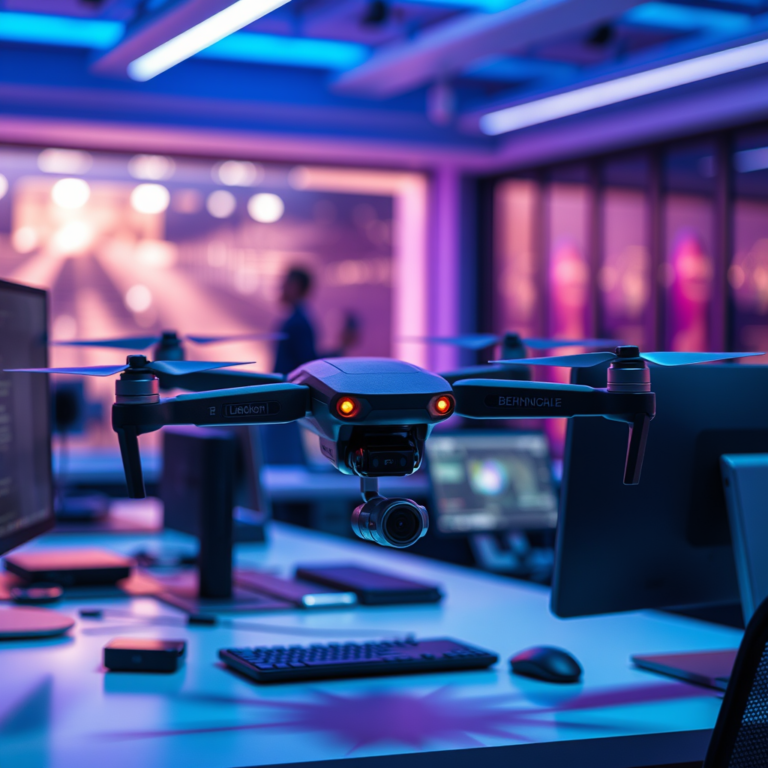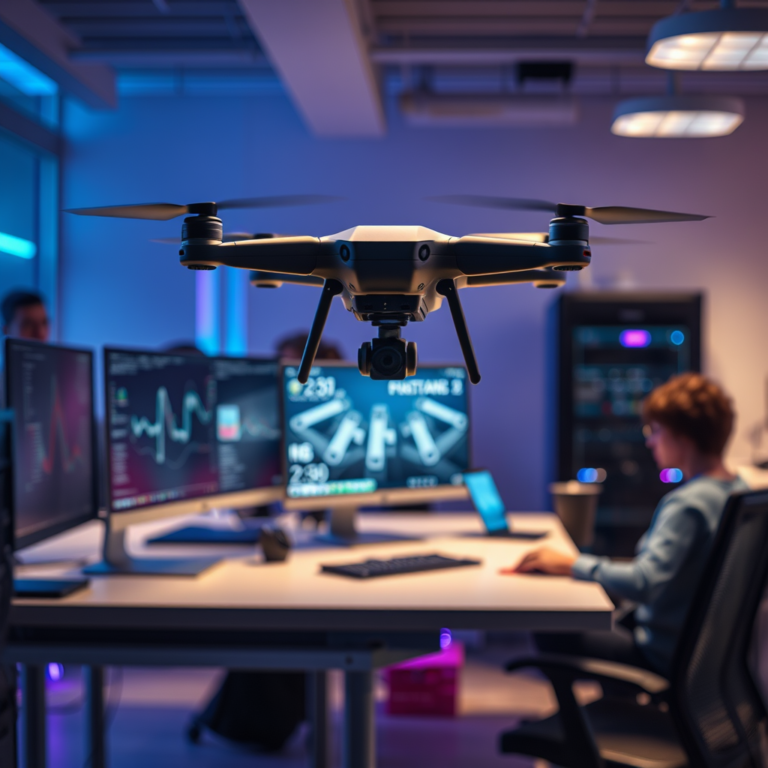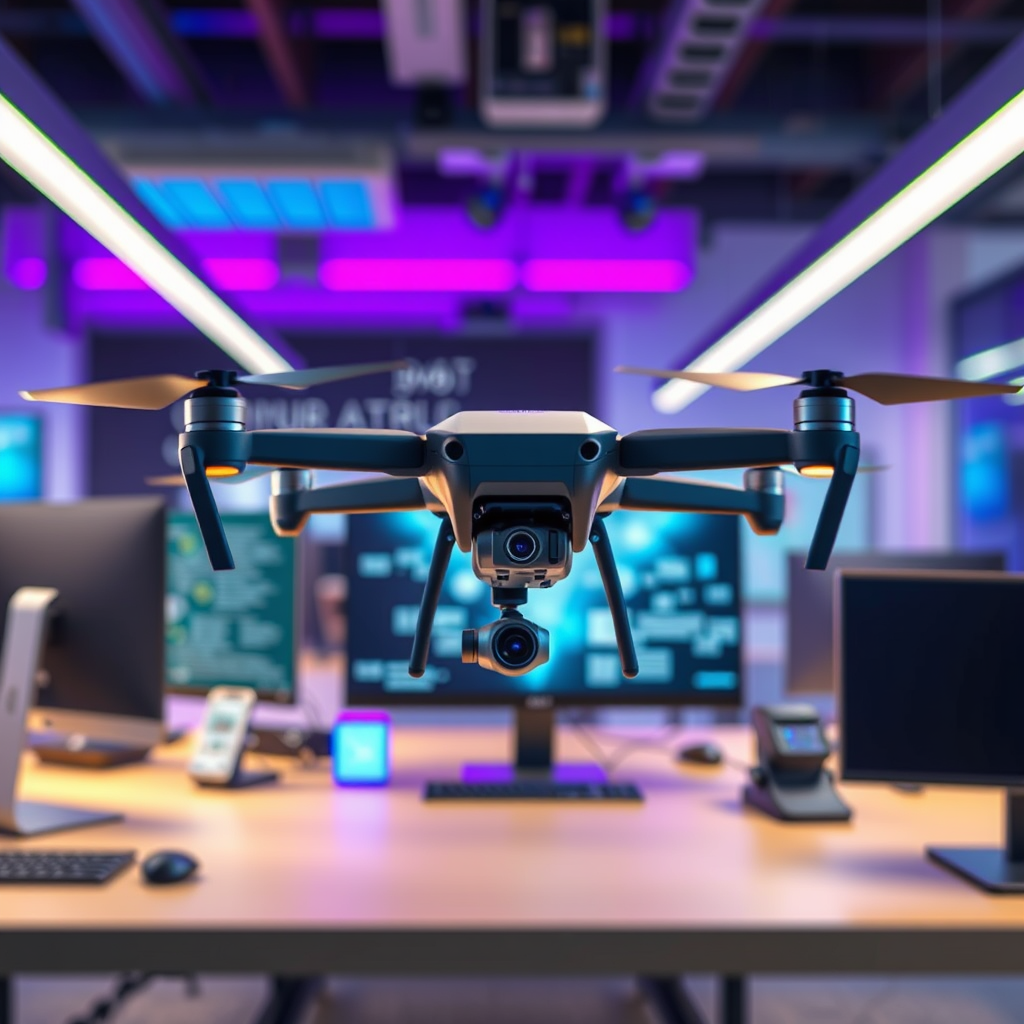

AI-powered drone displays revolutionize advertising by creating dynamic, eye-catching visuals that engage audiences in real-time. These innovative technologies harness artificial intelligence to enhance creativity and effectiveness in marketing campaigns. With the ability to soar through the skies while displaying compelling content, these drones have become a game-changer for brands looking to capture attention in crowded marketplaces. In this article, you’ll discover how these drones operate, their benefits, and the future of aerial advertising.
Understanding AI-Powered Drone Displays
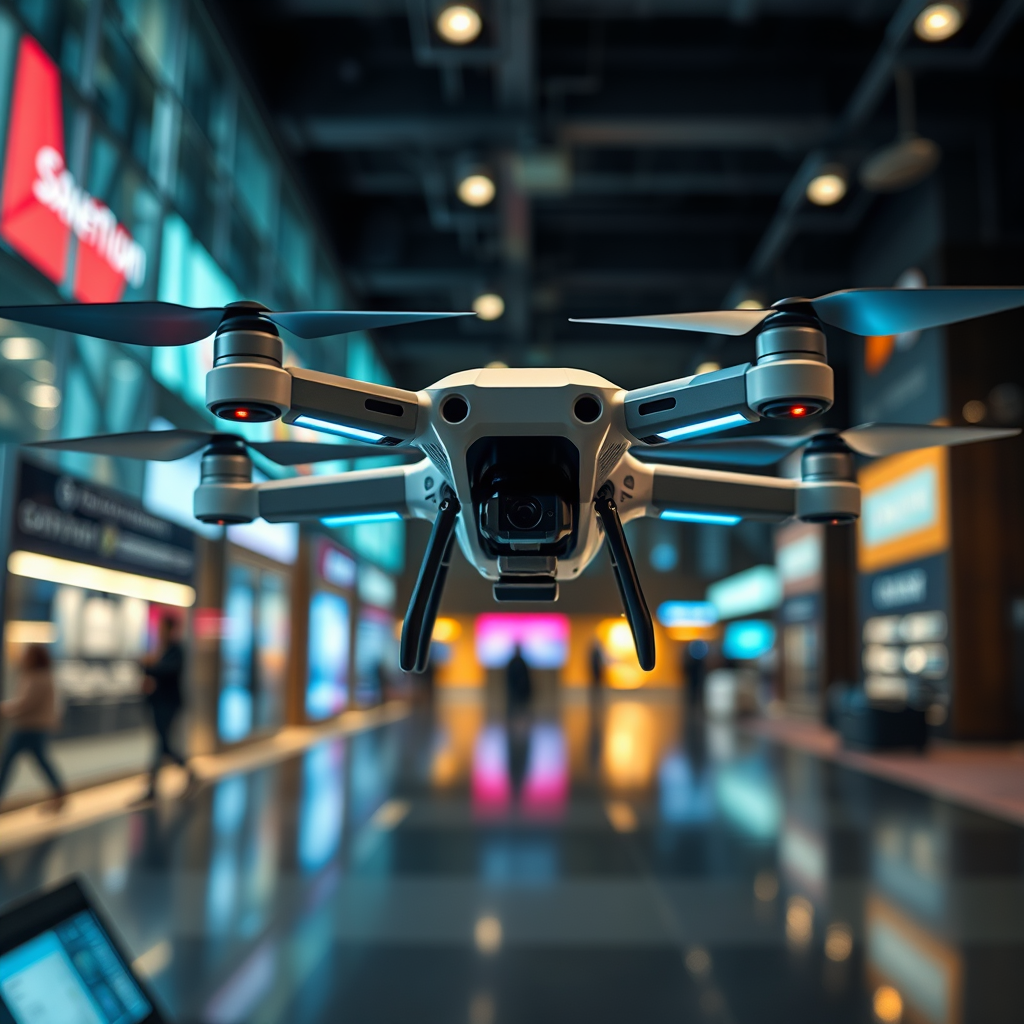
AI-powered drones are equipped with sophisticated technology that allows them to process real-time data and optimize their displays based on audience response and environmental factors. The integration of artificial intelligence enables these drones to analyze surroundings, adjust flight paths, and modify visual content to maximize engagement. For instance, if a drone detects a large crowd, it can increase the brightness of its display or switch to a more captivating animation to draw attention.
The types of displays utilized by these drones generally fall into two categories: LED screens and projectors. LED screens are favored for their vibrant colors and clarity, making them ideal for both daytime and nighttime displays. On the other hand, projectors can create larger visual projections onto various surfaces, allowing for more creative storytelling and immersive experiences. Both display types can be dynamically updated in real-time, creating unique marketing opportunities that were previously unimaginable.
The Technology Behind AI-Driven Drones
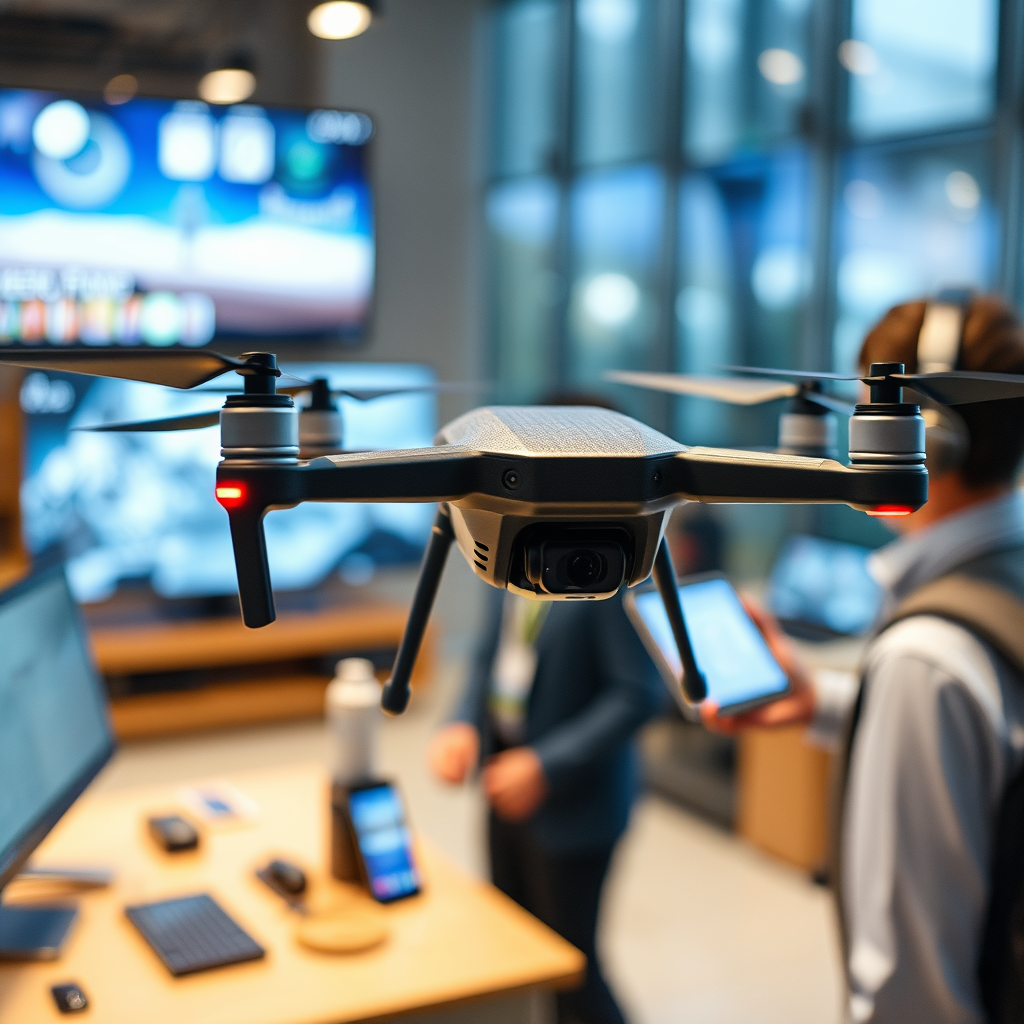
At the heart of AI-powered drone displays lies a combination of advanced hardware and intelligent software. The hardware components include sensors, cameras, and GPS systems that work together to ensure precise navigation and display management. Sensors can detect obstacles, allowing drones to maneuver safely in urban environments, while cameras capture data about audience demographics and behaviors.
The software algorithms governing these drones are equally impressive. They enable intelligent flight patterns that can adapt based on real-time analytics. For instance, if a drone is displaying a promotional video, the software can analyze audience engagement through factors like facial recognition or smartphone interactions. This data allows the drone to adjust its display, ensuring that the content remains relevant and captivating.
Moreover, the integration of machine learning enhances the drones’ ability to predict audience preferences. As these drones gather data over time, they become more effective at optimizing their displays, leading to increasingly successful advertising campaigns.
Advantages of Using Drones in Advertising
One of the most significant advantages of using drones in advertising is their ability to reach larger audiences across various locations. Unlike traditional advertising methods, which are often limited to static placements like billboards, drones can travel to different venues, events, and even remote areas. This mobility expands the potential reach of marketing campaigns, allowing brands to engage with diverse demographics in a single day. A great example is a music festival where drones can fly over the crowd and showcase brand messages to thousands of attendees in real-time.
Additionally, drones can be a cost-effective alternative to traditional advertising. While the initial investment in drone technology may seem steep, the long-term savings can be substantial. For example, the cost per impression for aerial displays can be significantly lower than that of billboards or print media, especially when considering the potential for enhanced audience engagement. Moreover, the creative flexibility offered by drones allows brands to produce content that is not only memorable but also shareable on social media, further extending their reach without incurring additional costs.
Creative Applications in Marketing
The creative possibilities for drone displays in marketing are virtually limitless. Many brands have successfully implemented drone technology into their campaigns, showcasing its effectiveness in captivating audiences. For instance, during the 2020 Super Bowl, a major brand used a fleet of drones to create a spectacular light show that drew in viewers both at the stadium and at home, generating millions of social media impressions.
Moreover, drones can incorporate interactive features that engage audiences directly. Some campaigns have included mobile apps that allow spectators to interact with the drone’s display in real-time, such as voting on which image or message to display next. This level of engagement fosters a sense of participation and can significantly enhance brand loyalty.
Additionally, the opportunity for storytelling through drones is immense. Brands can create narratives that unfold in the sky, using animations and visuals to tell a compelling story that resonates with their audience. This kind of creativity not only entertains but also leaves a lasting impression, making the brand more memorable.
Regulatory and Safety Considerations
As with any innovative technology, the use of drones in advertising must adhere to various legal regulations and safety protocols. In many countries, drone flights in urban areas are subject to strict guidelines to ensure public safety. This includes restrictions on flight altitude, no-fly zones, and requirements for pilot certification.
It’s crucial for advertisers to stay informed about local regulations governing drone operations. Compliance not only ensures legal protection but also instills confidence in the audience regarding safety. Additionally, brands must establish safety protocols, such as pre-flight checks, real-time monitoring of drone operations, and emergency procedures in case of unexpected issues. By prioritizing safety, companies can create a positive experience for both their audience and the public.
Future Trends in Drone Advertising
Looking ahead, the future of drone advertising promises exciting advancements. With ongoing innovations in AI technology, we can expect drones to become even smarter and more capable. Enhanced image recognition, improved data analytics, and seamless integration with other technologies, such as augmented reality, will drive the next wave of creative advertising solutions.
Moreover, collaborations between tech companies and marketing agencies are likely to emerge, facilitating the development of specialized drones tailored for specific advertising needs. Such partnerships could lead to the creation of more interactive experiences, where drones not only display content but also engage in real-time conversations with consumers through voice recognition technology.
As more brands recognize the potential of aerial advertising, we can anticipate a surge in creative campaigns leveraging drones. This evolution will further solidify drones as a staple in the advertising ecosystem, creating opportunities for brands to stand out in an increasingly cluttered marketplace.
The use of AI-powered drone displays is transforming the advertising landscape by combining cutting-edge technology with creative marketing strategies. These drones create engaging, interactive experiences that capture the attention of audiences in ways that traditional methods simply cannot. As this field continues to evolve, businesses should consider incorporating drones into their advertising plans to stay ahead of the competition. Embrace this innovative approach to captivate your audience today!
Frequently Asked Questions
What are AI-powered drone displays and how do they work in advertising?
AI-powered drone displays are aerial advertising systems that utilize drones equipped with LED screens to showcase dynamic content to audiences. These drones are integrated with artificial intelligence technology that enables them to optimize flight patterns, synchronize movements, and tailor advertisements based on real-time data, such as audience engagement and location. This innovative approach allows advertisers to create eye-catching aerial shows that capture attention effectively and deliver personalized messages.
How can businesses benefit from using AI-powered drone displays in their marketing strategies?
Businesses can significantly enhance their marketing strategies by incorporating AI-powered drone displays, as these displays offer high visibility and can reach a large audience in open spaces. The integration of AI allows for data-driven decision-making, enabling marketers to analyze viewer engagement and adjust campaigns on the fly. Additionally, the unique and interactive nature of drone displays can elevate brand awareness and create memorable experiences that resonate with potential customers.
Why should companies consider AI-powered drones over traditional advertising methods?
Companies should consider using AI-powered drones because they provide a modern and innovative alternative to traditional advertising methods, such as billboards or print ads, which can often be overlooked. Drone displays can create a captivating spectacle that draws attention from a distance and engages viewers in a way that static advertisements cannot. Moreover, the ability to use AI for real-time content adjustments ensures that the advertising is relevant and appealing to the target audience, maximizing return on investment.
What are the best use cases for AI-powered drone displays in advertising?
The best use cases for AI-powered drone displays in advertising include large public events, product launches, and promotional campaigns targeting outdoor festivals or concerts. These situations benefit from the aerial visibility of drone displays, allowing brands to reach a wide audience effectively. Additionally, they can be used for seasonal promotions, sporting events, or city-wide advertising campaigns, where their flexibility and adaptability can be leveraged to create striking visual narratives that captivate attendees.
Which industries can maximize the impact of AI-powered drone displays in their advertising efforts?
Various industries can maximize the impact of AI-powered drone displays, with particularly strong applications in entertainment, retail, and tourism. In the entertainment sector, drones can create stunning aerial shows at events, enhancing audience engagement. Retail businesses can use drones for eye-catching promotions during peak shopping seasons, while the tourism industry can leverage drone displays to highlight attractions or festivals, creating immersive experiences that draw visitors and enhance brand visibility.
References
- https://en.wikipedia.org/wiki/Drone_advertising
- https://www.wired.com/story/drones-advertising/
- https://www.forbes.com/sites/bernardmarr/2021/02/01/how-drones-are-changing-the-future-of-advertising/
- https://www.sciencedirect.com/science/article/pii/S235286481730061X
- https://www.researchgate.net/publication/328184262_Advertising_with_Drones_A_Survey_of_Opportunities_and_Challenges
- https://www.bbc.com/news/technology-56977716
- https://www.techrepublic.com/article/how-ai-is-changing-the-future-of-drone-technology/
- https://www.nature.com/articles/s41598-021-81937-0