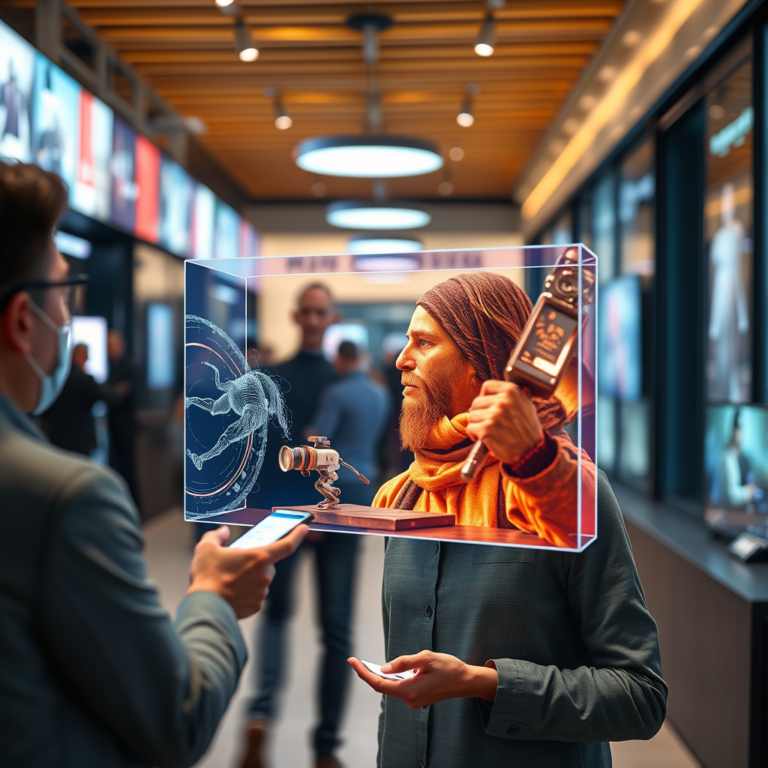

AI-powered video personalization in advertising tailors content to individual viewers, enhancing engagement and conversion rates. By analyzing user data and preferences, these technologies create unique video experiences that resonate with audiences. This innovative approach allows brands to connect with their customers on a more personal level, ensuring that the right message reaches the right person at the right time. In this article, you will discover how this exciting technology works, its benefits, and best practices for implementation.
How AI Collects and Analyzes User Data
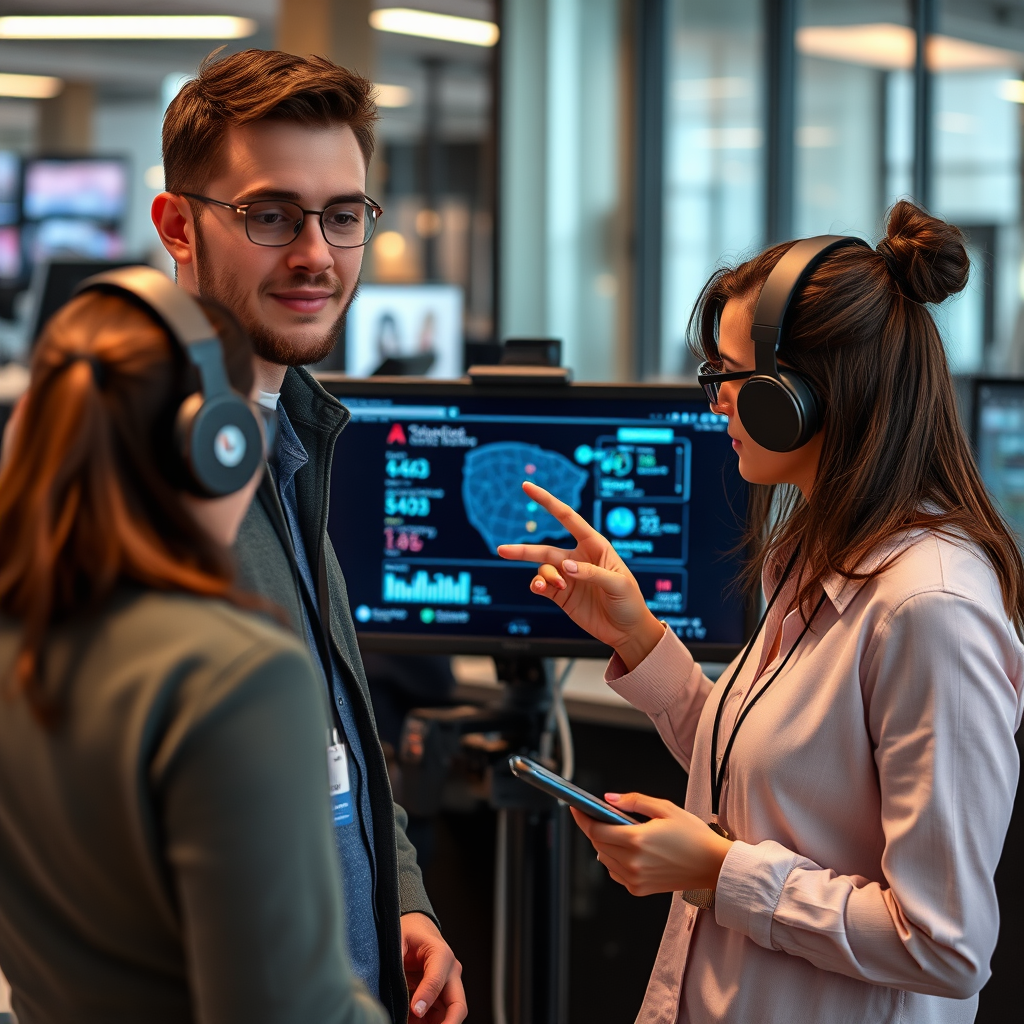
AI algorithms are the backbone of video personalization, collecting data from various sources to create a comprehensive profile of each user. These algorithms track user interactions, such as video views, click-through rates, and social media engagement, as well as demographic information like age, gender, and location. This wealth of data is crucial for understanding viewer preferences.
Machine learning models take this a step further by identifying patterns within the collected data. For instance, they can discern that a viewer who often watches cooking tutorials may respond better to food-related advertisements. By analyzing these patterns, brands can inform their content creation strategy, allowing for the development of videos that specifically cater to the interests of their audience. Essentially, AI turns raw data into actionable insights, paving the way for a more customized advertising experience.
The Mechanics of Video Personalization

The magic of AI-powered video personalization lies in its mechanics. Advanced AI tools can dynamically adjust various elements of video content, such as messaging, visuals, and calls-to-action (CTAs), based on individual user profiles. For example, a video ad for a fitness app might display different workout suggestions depending on whether the viewer has shown interest in yoga or weightlifting.
Real-time data processing is another critical component of this personalization. By continuously analyzing user behavior, AI ensures that video content remains relevant and timely. If a user frequently engages with holiday-themed content in December, an AI system can prioritize festive messaging in video ads directed toward that viewer. This level of customization not only enhances user experience but also increases the likelihood of conversion.
Benefits of AI-Powered Video Personalization
The benefits of AI-powered video personalization are numerous and impactful. First and foremost, increased viewer engagement leads to higher retention rates and improved brand loyalty. When viewers see content tailored to their interests, they are more likely to watch the entire video and take action—whether that means clicking a link, signing up for a newsletter, or making a purchase.
Moreover, personalized ads can significantly boost conversion rates. By presenting tailored offers and messages that resonate with viewers, brands can drive more sales and achieve better overall marketing performance. For instance, studies have shown that personalized video ads can lead to conversion rates that are 20% higher than those of standard ads. This not only makes advertising more efficient but also maximizes return on investment (ROI).
Case Studies of Successful Implementation
To illustrate the effectiveness of AI-driven video personalization, let’s look at a few brands that have successfully harnessed this technology in their advertising strategies. One notable example is Netflix, which uses AI to recommend shows and movies based on viewers’ past viewing habits. By personalizing their video recommendations, Netflix has significantly increased user engagement and retention.
Another example is Coca-Cola, which ran a personalized video campaign for their “Share a Coke” initiative. By using AI to create videos that featured individual names, Coca-Cola was able to connect with consumers on a personal level, leading to a remarkable uptick in sales and brand engagement. Metrics from the campaign indicated that personalized videos garnered higher social shares and comments compared to generic content.
These case studies showcase how AI-powered video personalization can transform advertising strategies, leading to measurable improvements in viewer engagement and conversion rates.
Best Practices for Implementing AI Video Personalization
For brands looking to implement AI video personalization, there are several best practices to consider. First, focus on quality data collection. This includes gathering accurate and comprehensive user data while ensuring compliance with privacy regulations like GDPR. Transparency with users about data usage can foster trust and enhance the effectiveness of personalization efforts.
Second, test different personalization strategies. A/B testing can provide valuable insights into which types of personalized content resonate most with your audience. Continuously optimize your approach based on performance metrics to ensure that your video personalization efforts align with viewer preferences and trends.
Another best practice is to maintain a cohesive brand voice while personalizing content. While it’s essential to cater to individual preferences, the overall messaging should remain consistent with your brand identity. This balance helps in nurturing brand loyalty while still delivering tailored experiences.
Challenges and Considerations
While the advantages of AI-powered video personalization are compelling, there are also challenges and considerations to address. One significant concern is data privacy. As brands collect more user data for personalization, they must navigate potential privacy issues and ensure compliance with regulations. Mismanagement of user data can lead to distrust and damage brand reputation.
Another risk is over-personalization. While tailoring ads to individual preferences can be effective, going too far may lead to discomfort for some users. Striking a balance between personalization and user comfort is crucial. Brands should be mindful of the line between being helpful and intrusive, ensuring that their personalized content enhances the user experience without feeling invasive.
The key takeaway is to approach AI-powered video personalization thoughtfully, keeping user comfort and data privacy at the forefront of your strategy.
In conclusion, AI-powered video personalization offers brands an innovative way to connect with their audiences on a deeper level. By collecting and analyzing user data, dynamically adjusting video content, and implementing best practices, advertisers can enhance engagement and drive conversions. The examples of successful implementations further highlight the potential of this approach. As you explore AI solutions for your advertising needs, consider how you can implement these strategies to elevate your video marketing efforts and achieve better results. Embrace the future of advertising and watch your connection with your audience grow!
Frequently Asked Questions
What is AI-powered video personalization in advertising?
AI-powered video personalization in advertising refers to the use of artificial intelligence to tailor video content to individual viewer preferences and behaviors. This technology analyzes data such as viewer demographics, past interactions, and engagement patterns to create customized video ads that resonate with specific audience segments. By delivering relevant and engaging content, brands can significantly improve viewer retention and conversion rates.
How does AI determine what content to personalize in video ads?
AI determines what content to personalize in video ads through machine learning algorithms that analyze vast amounts of viewer data. These algorithms assess factors like viewer interests, viewing history, and engagement metrics to identify trends and preferences. By understanding these patterns, AI can dynamically adjust elements such as visuals, messaging, and even call-to-action prompts within the video, ensuring a more impactful viewer experience.
Why is video personalization important for digital advertising?
Video personalization is crucial for digital advertising because it enhances user engagement and improves conversion rates. Personalized videos are more likely to capture attention and resonate with viewers, leading to higher click-through rates and increased brand loyalty. In an era where consumers are bombarded with generic ads, personalized video content stands out by addressing specific needs and interests, ultimately driving better marketing outcomes.
What are the best practices for implementing AI-powered video personalization in my advertising strategy?
To effectively implement AI-powered video personalization, marketers should start by collecting comprehensive data on their audience, including demographics and past interactions. Utilizing robust AI tools that offer real-time analytics is essential for understanding viewer preferences. Additionally, testing different personalized video variations and continuously optimizing content based on performance metrics can enhance engagement over time. Integrating storytelling elements that align with audience interests can also significantly boost the effectiveness of personalized ads.
Which industries benefit the most from AI-powered video personalization in advertising?
Many industries benefit from AI-powered video personalization, but sectors such as e-commerce, travel, entertainment, and education see particularly strong results. In e-commerce, personalized video ads can showcase products based on individual shopping behavior, while the travel industry can create tailored experiences highlighting destinations that align with user interests. Similarly, the entertainment sector can recommend shows and movies that fit viewing history. Overall, any sector that aims to engage diverse customer segments can leverage AI-powered personalization to enhance their advertising effectiveness.
References
- Personalization
- https://www.sciencedirect.com/science/article/pii/S0360132319306557
- https://www.forbes.com/sites/bernardmarr/2021/03/22/how-ai-is-changing-the-way-we-personalize-ads/
- https://hbr.org/2020/11/how-ai-is-revolutionizing-marketing
- https://www.wired.com/story/ai-advertising-personalization/
- https://www.researchgate.net/publication/338217142_Artificial_Intelligence_in_Advertising_Potential_and_Challenges
- https://www.bbc.com/news/business-53396730
- https://www.pewresearch.org/fact-tank/2020/11/09/americans-views-of-ai-in-ads/