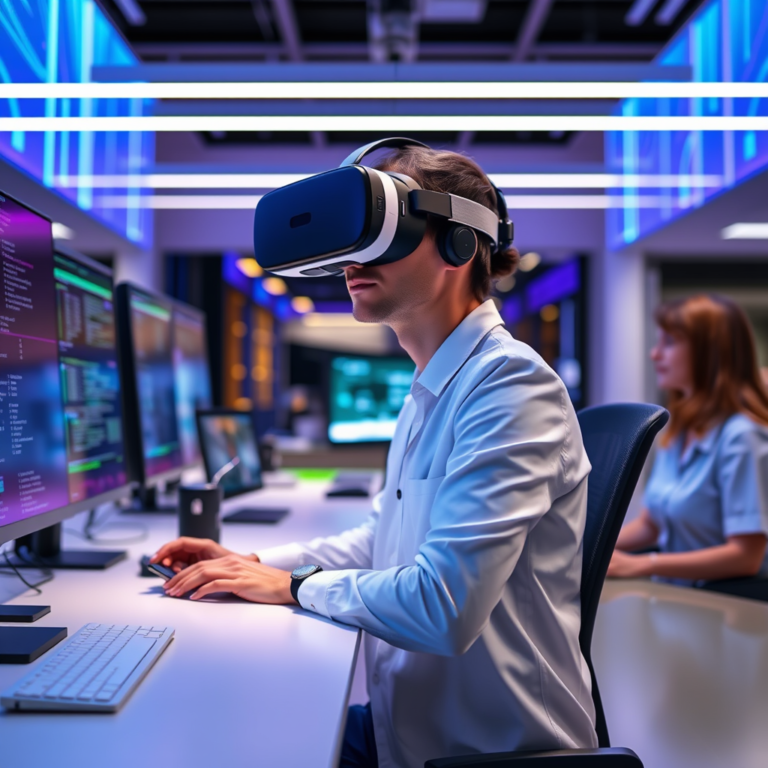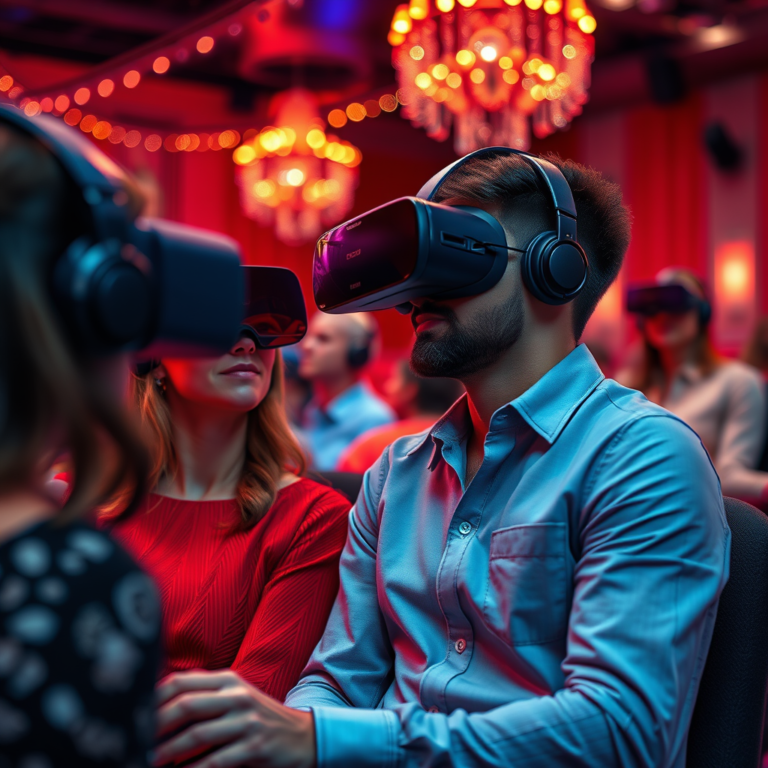

Augmented reality (AR) is poised to revolutionize live events by crafting immersive experiences that deeply engage audiences like never before. By merging digital elements with the real world, attendees will not only witness events but actively participate in them, enhancing their overall experience. This transformation is already underway across various sectors, from concerts to sports, and it’s shaping the future of entertainment in exciting new ways.
Enhanced Audience Engagement

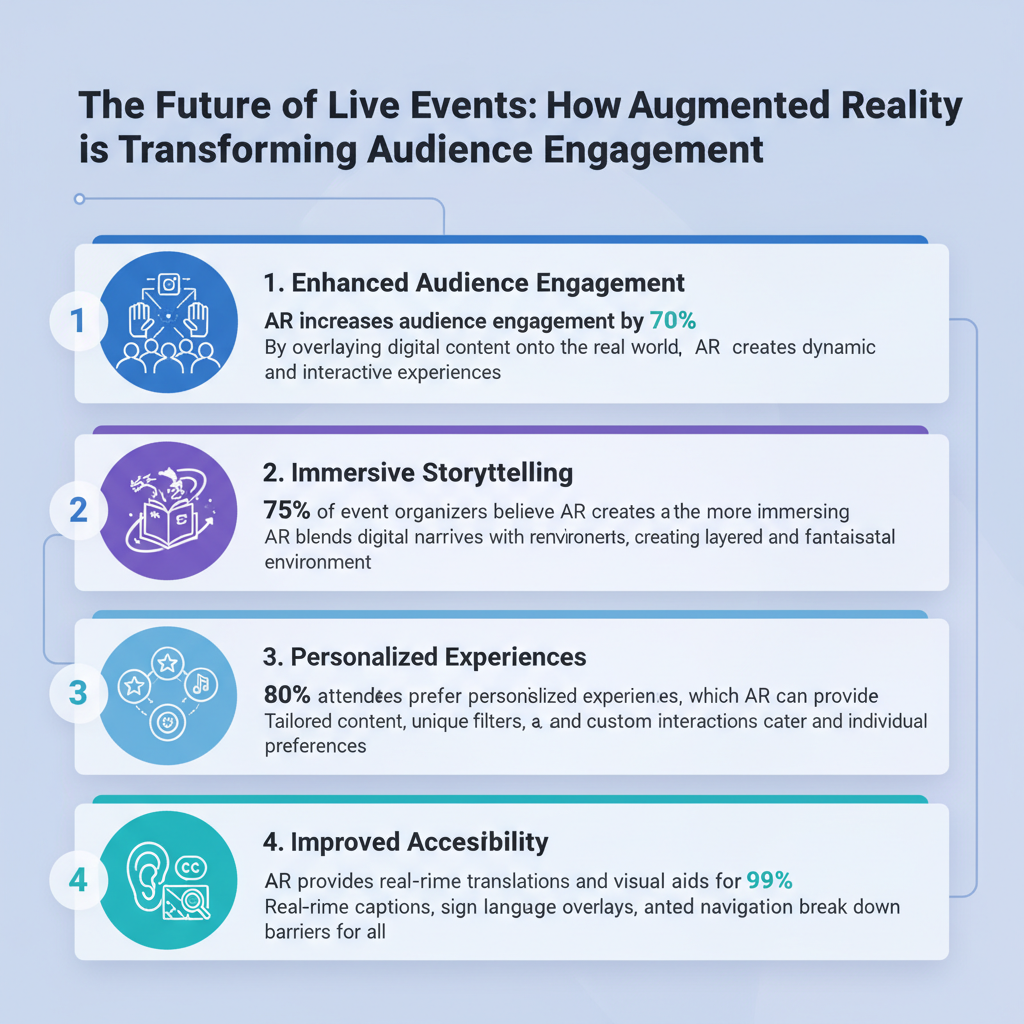
One of the most significant impacts of AR on live events is its ability to foster enhanced audience engagement. Traditional events have often relied on passive observation, where attendees simply watch the action unfold. However, with AR technologies, audiences can enjoy interactive experiences that make them feel more connected to the action. For instance, during a sports game, AR can overlay real-time statistics, player bios, or even 3D replays of crucial moments directly onto the viewer’s field of vision, creating an enriched viewing experience that keeps fans informed and engaged.
Imagine attending a concert where you can point your phone at the stage and see dynamic visuals that sync with the music, or even interactive animations that respond to the beat. This level of engagement not only enhances the enjoyment of the event but also encourages attendees to share their experiences on social media, amplifying the event’s reach and creating a buzz that extends far beyond the venue.
Immersive Storytelling
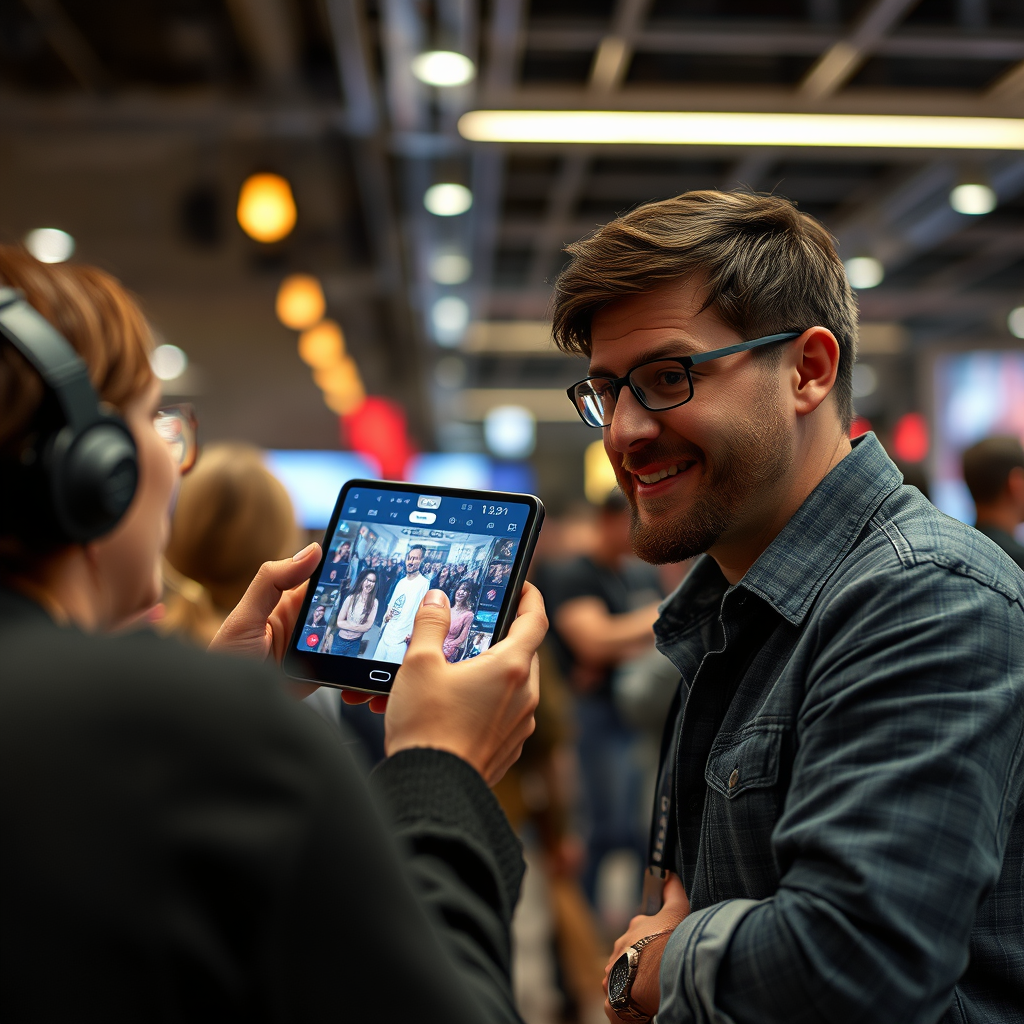
AR offers incredible potential for immersive storytelling, transforming how narratives are delivered during live events. By layering digital content onto the physical environment, event organizers can create rich, multifaceted stories that captivate audiences. For example, at a historical reenactment, AR could provide viewers with additional context through animations that illustrate key events or characters from the era, deepening their understanding and emotional connection to the performance.
Consider theme parks as an example of this narrative enhancement. When attendees visit an attraction, AR can transport them into the story by allowing them to interact with characters or elements from the narrative that might not be visible to the naked eye. This unique storytelling approach keeps audiences engaged throughout the event and can lead to a more memorable experience overall.
Personalized Experiences
One of the most exciting facets of AR in live events is the ability to create personalized experiences tailored to individual preferences. Attendees can customize their interactions based on interests, leading to a more meaningful engagement with the event. For instance, at a music festival, attendees might select their favorite genres beforehand, and the AR system could then suggest personalized schedules or even offer exclusive content from artists they love.
Moreover, features like customized avatars allow attendees to express themselves in innovative ways. Imagine walking into a concert and seeing your avatar dancing alongside your favorite band on a giant screen. Interactive polls and live feedback options can encourage individual participation, making each attendee feel valued and enhancing overall satisfaction. This level of personalization not only boosts the enjoyment of the event but also cultivates a sense of community among participants.
Improved Accessibility
AR technology also plays a crucial role in improving accessibility for individuals with disabilities. By providing assistive features such as sign language interpreters or audio descriptions overlaying the live action, AR ensures that everyone can enjoy the experience fully. For example, during a theater performance, AR might display subtitles in real-time for deaf or hard-of-hearing attendees, allowing them to follow along without missing a beat.
Additionally, virtual attendance options via AR can make live events accessible to those who cannot physically attend. This is particularly beneficial for individuals with mobility challenges, as they can experience the thrill of an event from the comfort of their homes while still feeling connected to the atmosphere. By embracing these technologies, event organizers can create inclusive environments that cater to diverse audiences.
Marketing and Sponsorship Opportunities
The integration of AR in live events opens up exciting new marketing and sponsorship opportunities for brands. Companies can leverage AR to create interactive advertisements that resonate more deeply with audiences, moving beyond traditional promotional tactics. Picture a sports arena where a brand sponsors an AR experience that allows fans to virtually try on gear or interact with products in real time. This hands-on engagement can lead to higher conversion rates and a more memorable brand experience.
Furthermore, AR experiences can provide sponsors with valuable insights through user engagement metrics. By analyzing how attendees interact with AR content, brands can refine their marketing strategies and tailor future campaigns to better meet audience needs. This data-driven approach not only enhances brand visibility but also fosters a more meaningful connection with consumers.
Future Trends in AR for Live Events
As AR technology continues to evolve, we can expect to see even more innovative applications in the realm of live events. The integration of AR with other technologies, such as artificial intelligence (AI) and machine learning, will enhance the capabilities of AR experiences, making them smarter and more responsive. For example, AI could analyze audience reactions in real-time to adjust the AR content dynamically, ensuring that everyone remains engaged and entertained.
Moreover, as AR equipment becomes more affordable and accessible, its adoption is likely to become widespread across various types of events. From small community gatherings to large-scale festivals, the possibilities for AR integration are limitless. As this technology becomes commonplace, we’ll likely see a shift in audience expectations, with attendees increasingly seeking out AR-enhanced experiences as a norm rather than an exception.
AR is set to redefine how we experience live events, making them more engaging, interactive, and personalized than ever before. As this technology continues to advance, event organizers and attendees alike will benefit from the myriad possibilities it offers. By embracing the transformative power of augmented reality, we can look forward to a future where live events are not just witnessed but fully experienced in vibrant and exciting new ways.
Frequently Asked Questions
What is augmented reality (AR) and how can it enhance live events?
Augmented reality (AR) is a technology that overlays digital information, such as images, videos, and sounds, onto the real world through devices like smartphones or AR glasses. In live events, AR can enhance audience engagement by providing interactive experiences, such as 3D visuals of performers, real-time stats for sports events, or immersive storytelling elements. This technology adds an extra layer of excitement and can make the event more memorable for attendees.
How can event organizers effectively implement augmented reality at their events?
Event organizers can effectively implement augmented reality by first identifying specific goals, such as increasing audience engagement or providing unique content. They can collaborate with AR developers to create custom applications or experiences tailored to their event theme. Additionally, promoting the AR features through marketing channels and ensuring attendees have access to the necessary technology, such as QR codes or specific apps, will enhance the overall experience and encourage participation.
Why should businesses consider using augmented reality at their live events?
Businesses should consider using augmented reality at their live events because AR can significantly boost engagement and retention among attendees, leading to a more impactful experience. It allows for the creation of interactive content that can enhance brand storytelling and differentiate the event from others. Moreover, AR can provide valuable data analytics about attendee interactions, helping businesses gauge interest and improve future events.
Which types of live events benefit most from augmented reality integration?
Various types of live events can benefit from augmented reality integration, including concerts, sports events, trade shows, and conferences. Concerts can use AR for visual effects and immersive experiences, while sports events can provide real-time statistics and player information. Trade shows can showcase products interactively, and conferences can enhance presentations with visual aids, making the content more engaging and easier to understand.
What are the best examples of augmented reality in live events?
Some of the best examples of augmented reality in live events include the NBA’s use of AR for enhancing viewing experiences by overlaying real-time stats and graphics during games. Concerts like those by Travis Scott have used AR to create immersive experiences that allow fans to interact with the performance in new ways. Additionally, events like Comic-Con have utilized AR to bring comic book characters to life, offering fans a unique way to engage with their favorite stories and characters.
References
- https://www.wired.com/story/augmented-reality-live-events/
- https://www.sciencedirect.com/science/article/pii/S1877050919312614
- https://www.theguardian.com/technology/2021/jun/27/augmented-reality-live-events-coronavirus
- https://www.forbes.com/sites/bernardmarr/2021/05/31/how-augmented-reality-is-transforming-live-events/?sh=3a6e3e2c4a82
- https://www.itu.int/en/ITU-T/focusgroups/ai4good/Documents/Reports/AI4Good_2020-08-06_AR_in_Live_Events.pdf
- https://www.nytimes.com/2021/08/14/technology/augmented-reality-events.html
- https://www.bbc.com/future/article/20210705-how-augmented-reality-is-changing-live-events
- https://www.researchgate.net/publication/343823927_Augmented_reality_in_live_events_A_review_of_the_current_state_and_future_directions