
Augmented reality (AR) videos are revolutionizing the marketing landscape by offering immersive experiences that captivate and engage consumers. By integrating AR technology, brands can enhance storytelling, improve product visualization, and create interactive campaigns that resonate deeply with their target audiences. This article delves into the ways brands effectively implement AR videos in their marketing strategies, revealing how this innovative medium is changing the game.
The Rise of Augmented Reality in Marketing
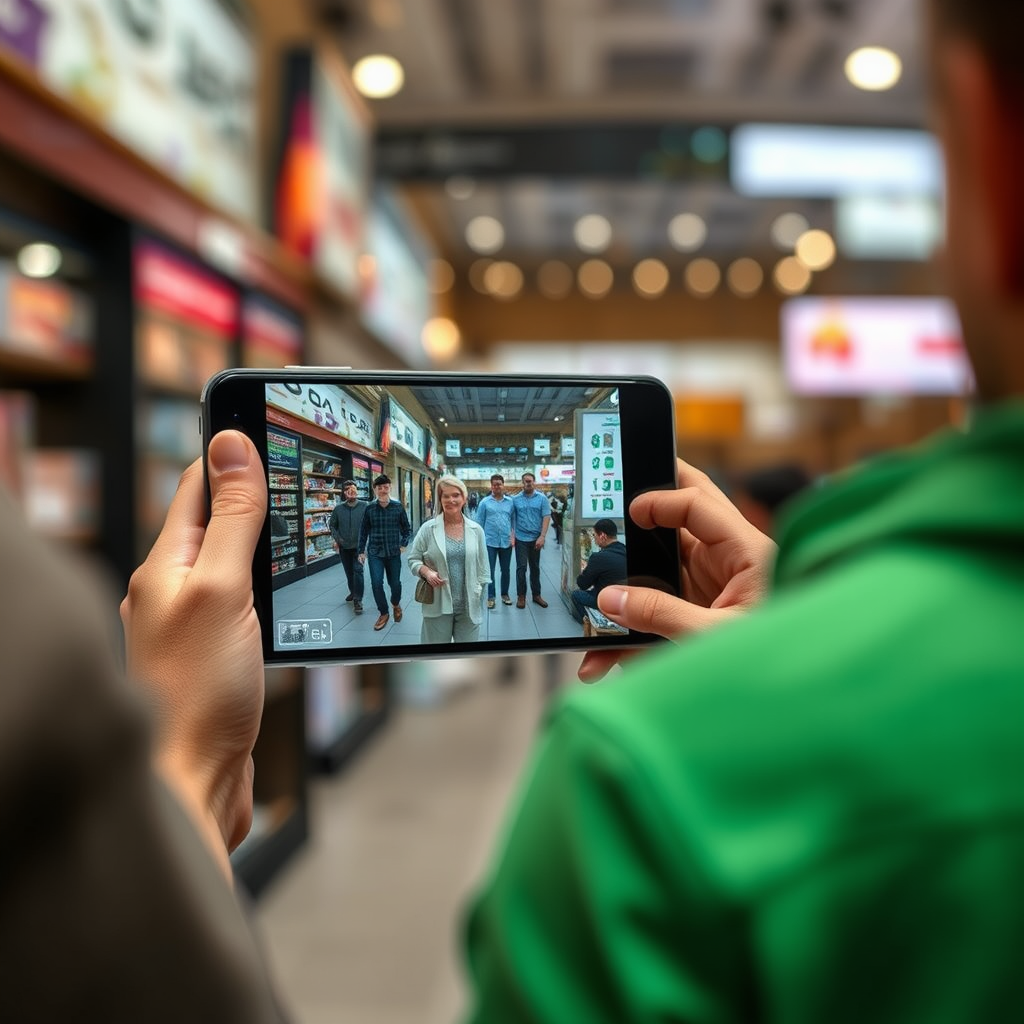
Augmented reality has seen remarkable growth over the past few years. Initially popularized through mobile games like Pokémon GO, AR has evolved into a critical marketing tool for brands across various industries. According to a recent report by Statista, the AR market is projected to reach $198 billion by 2025, demonstrating a clear trend towards increased investment in AR technologies.
This surge in AR adoption can be attributed to consumers’ growing appetite for interactive content. A survey conducted by Retail Perceptions found that 61% of shoppers prefer to shop at stores that offer AR experiences. Additionally, AR experiences can lead to a staggering 70% increase in conversion rates, highlighting the effectiveness of these technologies in capturing consumer attention and driving sales.
Enhancing Customer Experience with AR Videos
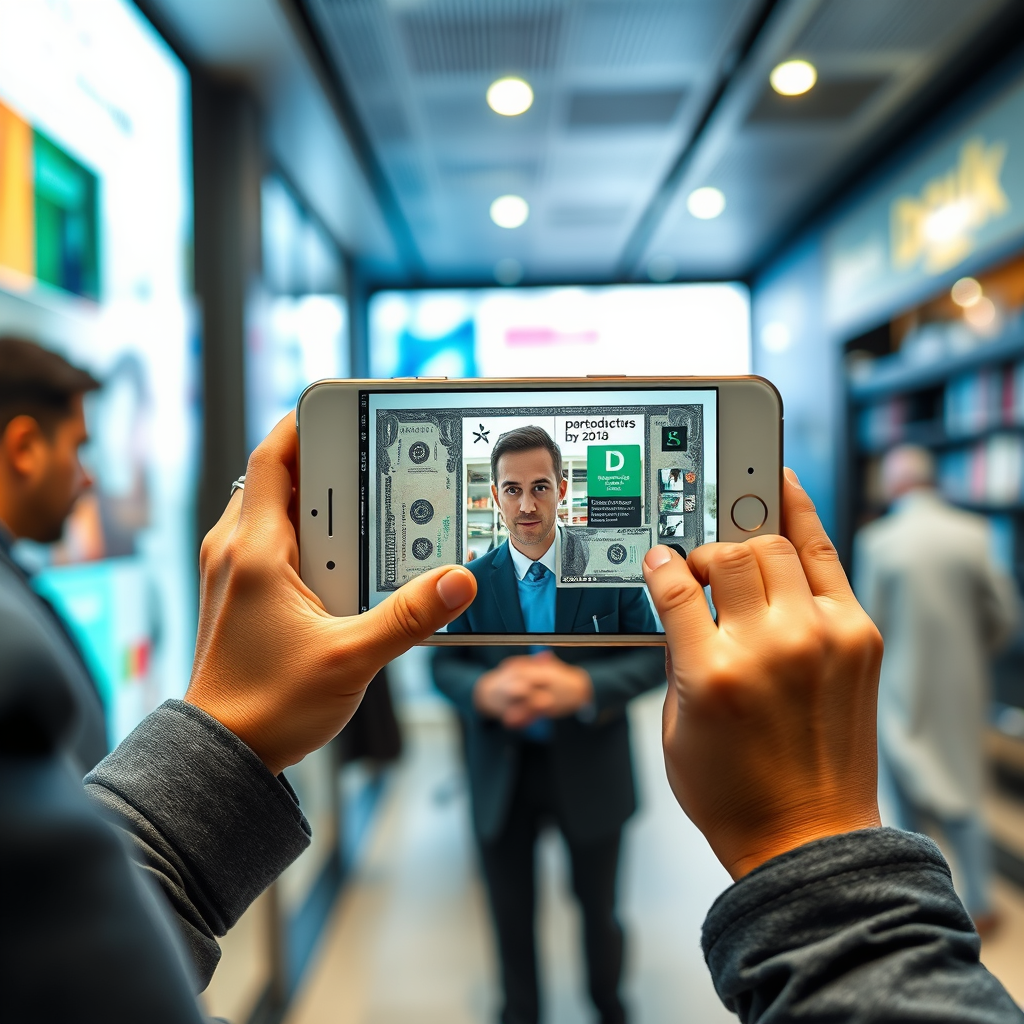
One of the most significant advantages of AR videos is their ability to facilitate product trials and virtual fittings. For instance, companies like IKEA have embraced AR through their app, allowing customers to visualize how furniture would look in their own homes before making a purchase. By simply pointing their smartphone camera at a space, users can see a life-sized version of a sofa or table, making it easier to make informed buying decisions.
The psychological impact of immersive experiences on consumer behavior is profound. Research indicates that AR can evoke emotions such as excitement and novelty, which are crucial for memory retention and brand loyalty. When consumers engage with AR content, they feel more connected to the brand, enhancing their overall shopping experience and increasing the likelihood of repeat purchases.
Storytelling Through Augmented Reality
Brands that successfully integrate AR into their storytelling can create compelling narratives that resonate with audiences. For example, the fashion brand Gucci launched an AR campaign that allowed customers to virtually try on shoes via their mobile devices. This interactive experience not only showcased the products but also communicated the brand’s innovative spirit, creating a deeper emotional connection with consumers.
Another notable example is the National Geographic magazine, which uses AR to bring its pages to life. Readers can point their devices at specific images to unlock videos and interactive content. This approach transforms a traditional reading experience into an engaging and educational journey, enriching the brand narrative and fostering a sense of wonder.
The role of AR in storytelling is not just about showcasing products; it’s about creating experiences that evoke emotional responses. When consumers feel a connection to a narrative, they are more likely to engage with the brand on a personal level, leading to increased loyalty and advocacy.
Interactive Campaigns: Engaging Audiences
AR videos have the unique ability to encourage user participation and sharing on social media, making them a powerful tool for interactive marketing campaigns. For instance, the popular cosmetics brand L’Oréal launched an AR campaign called “Makeup Genius,” where users could virtually apply makeup products using their phone cameras. This not only allowed consumers to experiment with different looks but also encouraged them to share their experiences on social media platforms, amplifying the campaign’s reach.
Another successful case study is the “Snapchat Lens” campaign by Taco Bell, which offered users a fun AR experience during the launch of their new taco. Users could transform their faces into tacos using the Snapchat app, generating buzz and driving foot traffic to stores. Campaigns like these highlight how AR can create memorable experiences that not only engage users but also encourage them to share content, ultimately driving brand awareness.
Measuring Success: Analytics and Feedback
To evaluate the effectiveness of AR marketing efforts, brands utilize various tools and metrics. Engagement rates, such as the number of interactions and time spent on AR experiences, provide valuable insights into consumer behavior. Additionally, tracking conversion rates can help brands understand how AR influences purchasing decisions.
Consumer feedback is equally important in refining AR strategies. Surveys and user reviews can provide insights into what aspects of an AR experience resonated with users and what could be improved. For instance, if users find a particular feature confusing or unappealing, brands can adjust their approach to enhance user experience. This continuous feedback loop allows brands to stay aligned with consumer preferences and optimize their AR campaigns for maximum impact.
Future Trends in AR Marketing
As AR technology continues to evolve, several trends are emerging that brands should keep an eye on. One prediction is the increasing integration of artificial intelligence (AI) with AR, enabling even more personalized experiences. Imagine a future where AR not only shows products but also recommends items based on a user’s unique preferences and past behaviors.
Another trend is the rise of 5G technology, which will enhance AR experiences by providing faster load times and higher-quality visuals. This advancement will allow brands to create even more immersive content, making AR experiences seamless and engaging. Brands should also be aware of the growing importance of sustainability in marketing. AR can promote eco-friendly practices by allowing consumers to visualize the environmental impact of their purchases, aligning with the values of today’s socially conscious consumers.
The use of augmented reality videos in marketing is not just a trend; it’s a powerful tool that can drive significant engagement and conversion rates. By understanding how to effectively implement AR into their marketing strategies, brands can create memorable experiences that captivate consumers and set themselves apart in a crowded marketplace. Embrace the potential of AR in your marketing campaign today!
Frequently Asked Questions
What are the benefits of using augmented reality videos in marketing?
Augmented reality (AR) videos enhance customer engagement by allowing users to interact with products in a virtual environment. This immersive experience not only captures attention but also increases brand recall and consumer trust. Additionally, AR videos can lead to higher conversion rates, as they provide customers with a deeper understanding of the product, ultimately making them more likely to make a purchase.
How do brands create effective augmented reality marketing videos?
Brands can create effective AR marketing videos by integrating user-friendly technology that allows seamless interaction. They should focus on storytelling to convey brand messages clearly and engagingly. Moreover, using high-quality graphics and ensuring compatibility with various devices enhances user experience. Testing the AR content with target audiences can also provide valuable insights for improvements.
Why are augmented reality videos becoming popular in marketing strategies?
Augmented reality videos are gaining popularity because they offer a unique way to engage consumers, making marketing campaigns more memorable and interactive. As technology evolves, consumers increasingly expect immersive experiences that traditional marketing methods cannot provide. Additionally, AR can help brands differentiate themselves in a crowded market, ultimately driving customer loyalty and enhancing brand perception.
Which industries are leveraging augmented reality videos for marketing purposes?
Several industries are successfully utilizing augmented reality videos, including retail, real estate, automotive, and entertainment. For instance, retail brands use AR to allow customers to visualize products in their homes, while real estate companies can offer virtual property tours. The automotive industry also employs AR for virtual test drives, showcasing features and designs in an engaging manner, enhancing the consumer experience.
What are some examples of successful augmented reality marketing campaigns?
Successful examples of augmented reality marketing campaigns include IKEA’s Place app, which allows users to visualize furniture in their own spaces, and Pepsi’s AR-enabled bus shelter ad that surprised commuters with virtual experiences. Another notable campaign is L’Oreal’s Virtual Makeup app, which lets users try on cosmetics through their smartphones. These campaigns illustrate how AR can create memorable interactions, driving both brand awareness and customer engagement.
References
- Augmented reality
- https://www.forbes.com/sites/bernardmarr/2021/02/01/how-brands-are-using-augmented-reality-to-transform-marketing-and-sales/
- https://www.sciencedirect.com/science/article/pii/S2212567121000101
- https://www.theguardian.com/media-network/2017/jul/25/augmented-reality-brands-marketing-strategy
- https://www.researchgate.net/publication/342654678_The_Impact_of_Augmented_Reality_on_Consumer_Behavior
- https://www.pewresearch.org/fact-tank/2021/01/12/10-facts-about-augmented-reality-and-virtual-reality/
- Insights | Nielsen