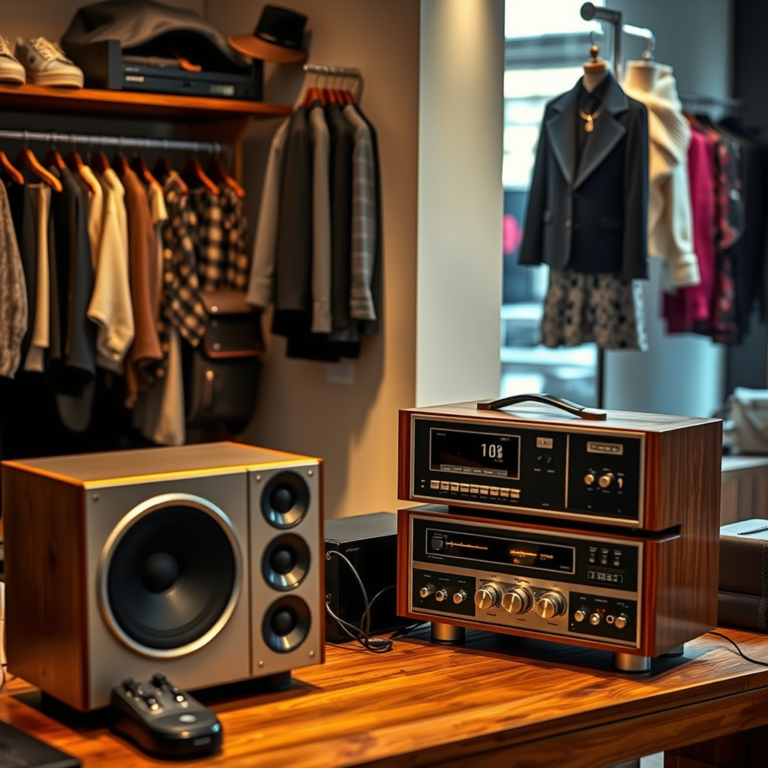
Understanding frequency response is crucial as it directly impacts how you perceive sound quality and clarity. A well-tuned frequency response can enhance your listening experience, making music and audio more enjoyable. In this article, you will discover how frequency response works, its importance, and how it affects different listening environments.
What is Frequency Response?

Frequency response refers to the range of frequencies that an audio device can reproduce and how accurately it does so. It is a critical specification that indicates the performance of headphones, speakers, microphones, and other audio equipment. The frequency response is typically represented as a graph that plots the output level in decibels (dB) against frequency in hertz (Hz).
The frequency spectrum is divided into three primary ranges:
1. Bass (20 Hz – 250 Hz): This range includes low-frequency sounds such as bass guitars, kick drums, and other deep tones. A strong bass response can provide a sense of depth and fullness to music.
2. Midrange (250 Hz – 4 kHz): This range contains the majority of vocal frequencies and many musical instruments. Clarity in the midrange is crucial for speech intelligibility and overall musical detail.
3. Treble (4 kHz – 20 kHz): This range encompasses higher frequencies, including the crispness of cymbals, the brightness of strings, and the clarity of vocals. A well-tuned treble allows for a more detailed sound and enhances the listening experience.
The Importance of Frequency Response in Audio Gear

The frequency response of an audio device significantly affects sound clarity and detail. A flat frequency response, where all frequencies are reproduced equally, is often preferred by professional audio engineers for mixing and mastering, as it allows for an accurate representation of the audio being produced.
Different devices have varying frequency responses, impacting how sound is perceived:
– Headphones: High-quality headphones often boast a wider frequency response, which can enhance the listening experience, particularly for genres that rely heavily on intricate details, such as classical or jazz music.
– Speakers: A good home audio system with a balanced frequency response can fill a room with sound that feels immersive. Speakers with poor frequency response may emphasize certain frequencies at the expense of others, leading to an unbalanced and less enjoyable listening experience.
Measuring Frequency Response
Frequency response is measured through frequency response curves, typically displayed as graphs. These graphs illustrate how the output varies across different frequencies. The X-axis represents frequency (in Hz), while the Y-axis shows the output level (in dB).
Comparison Table of Frequency Response Specifications
Top 7 Headphones by Frequency Response Range (2024)
| # | Model | Frequency Response (Hz) | Impedance (Ω) | Sensitivity (dB) |
|---|---|---|---|---|
| 1 | Sennheiser HD 800S | 4 – 51,000 | 300 | 102 |
| 2 | Beyerdynamic DT 1990 Pro | 5 – 40,000 | 250 | 102 |
| 3 | Audio-Technica ATH-M50x | 15 – 28,000 | 38 | 99 |
| 4 | Sony WH-1000XM4 | 4 – 40,000 | 16 | 105 |
| 5 | Focal Clear | 5 – 28,000 | 55 | 104 |
| 6 | Bose 700 | 20 – 20,000 | 250 | 105 |
| 7 | Shure SRH1540 | 5 – 25,000 | 46 | 101 |
Bar Chart of Headphones Frequency Response Performance
Frequency Response Performance of Top Headphones
Frequency Response and Personal Preference
Individual listening preferences play a significant role in how frequency response is perceived. Some listeners may prefer a bass-heavy sound, while others might lean towards a more balanced, flat response that accurately represents the audio. This variation can be particularly pronounced across different music genres.
For instance, genres such as hip-hop and electronic music often benefit from enhanced bass, making headphones or speakers with a boosted low-end response more desirable. Conversely, classical music enthusiasts may prioritize clarity in the midrange and treble to appreciate the subtleties of orchestral arrangements.
Additionally, the equipment used for playback can further influence personal preferences. Audiophiles may gravitate towards high-fidelity systems that offer a flat frequency response, while casual listeners might enjoy the more colored sound that enhances certain frequencies.
Frequency Response in Different Listening Environments
The listening environment significantly impacts the perceived frequency response. Room acoustics, such as the size, shape, and materials of a space, can alter how sound waves propagate, which in turn affects sound quality.
For example, small rooms with hard surfaces tend to create echoes and reflections, which can emphasize certain frequencies and diminish others. On the other hand, larger spaces may allow for more balanced sound dispersion, resulting in a clearer listening experience.
To optimize your setup, consider implementing room treatment solutions, such as acoustic panels, bass traps, and diffusers, which can help minimize unwanted reflections and improve frequency response. Additionally, speaker placement and positioning can greatly influence audio performance—placing speakers too close to walls or corners can lead to an exaggerated bass response, while positioning them correctly can enhance clarity across the frequency spectrum.
Tips for Choosing Audio Equipment Based on Frequency Response
When evaluating audio gear, several factors should be considered to ensure the best frequency response for your needs:
1. Frequency Range: Look for devices with a wide frequency range that covers the full spectrum of human hearing (20 Hz to 20 kHz) to ensure you experience the full depth of sound.
2. Impedance and Sensitivity: Consider the impedance rating and sensitivity of headphones or speakers. Lower impedance devices may be more suitable for portable use, while higher impedance gear may require dedicated amplifiers for optimal performance.
3. Personal Listening Habits: Reflect on your listening habits—are you a casual listener or a critical audiophile? Choose equipment that aligns with your preferences to enhance your experience.
4. Genre Considerations: Think about the genres you enjoy most. If you primarily listen to bass-heavy music, opt for equipment that emphasizes low frequencies without sacrificing clarity.
Improving Your Listening Experience
To optimize your audio setup based on frequency response, consider the following suggestions:
– Invest in Quality Gear: High-quality headphones and speakers often provide better frequency response and sound clarity. Research reputable brands and read reviews to make informed choices.
– Room Treatment: Implement acoustic treatments to minimize reflections and improve sound quality. Soft furnishings, carpets, and wall treatments can help create an ideal listening environment.
– Speaker Placement: Experiment with speaker placement to find the optimal position for sound dispersion. Aim for symmetry and distance from walls to achieve a balanced sound.
– Use EQ Settings: Many audio devices come with equalizer (EQ) settings that allow you to tailor the frequency response to your liking. Don’t hesitate to adjust these settings to suit your personal preferences.
By understanding the significance of frequency response, you can make informed decisions about your audio equipment and listening environment. Whether you’re a casual listener or an audiophile, optimizing frequency response will elevate your overall listening experience. Take the time to evaluate your gear and setup, and enjoy the full spectrum of sound!
Frequently Asked Questions
What is frequency response and why is it important for my listening experience?
Frequency response refers to the range of frequencies that an audio device can reproduce accurately. It is crucial for your listening experience because it determines how well you can hear different sounds, from deep bass to high treble. A wider frequency response typically results in a more balanced and immersive sound, allowing you to enjoy music and audio content as intended by the creators.
How does frequency response affect the sound quality of headphones?
The frequency response of headphones directly influences sound quality by determining how well they can reproduce various frequencies. Headphones with a flat frequency response provide a more natural and accurate sound, while those with exaggerated bass or treble can alter the listening experience. Choosing headphones with a frequency response that suits your music preferences can enhance your overall enjoyment and clarity of sound.
Why should I consider frequency response when buying speakers?
When purchasing speakers, frequency response is a key factor that affects audio clarity and depth. Speakers with a wide and balanced frequency response can deliver a richer sound, making music more enjoyable and movies more immersive. Ignoring this aspect could result in speakers that lack the ability to reproduce certain frequencies, leading to a less satisfying listening experience.
What is the best frequency response range for studio monitors?
The best frequency response range for studio monitors typically falls between 40 Hz to 20 kHz. This range allows for accurate reproduction of bass, midrange, and treble sounds, which is essential for mixing and mastering music. Selecting studio monitors that cover this frequency range ensures that audio professionals can hear their mixes clearly and make informed decisions about sound adjustments.
Which factors influence the frequency response of audio equipment?
Several factors influence the frequency response of audio equipment, including the design of the drivers, the materials used, and the acoustic environment. Quality components and thoughtful engineering can lead to a more accurate frequency response, while poor design may result in distortion or uneven sound. Understanding these factors can help you make informed choices when selecting audio gear to optimize your listening experience.
References
- Frequency response
https://en.wikipedia.org/wiki/Frequency_response - https://pubmed.ncbi.nlm.nih.gov/30302643/
https://pubmed.ncbi.nlm.nih.gov/30302643/ - https://www.sciencedirect.com/science/article/abs/pii/S0006349514002356
https://www.sciencedirect.com/science/article/abs/pii/S0006349514002356 - https://www.nature.com/articles/s41598-020-68629-7
https://www.nature.com/articles/s41598-020-68629-7 - https://www.bbc.com/future/article/20200821-what-is-the-best-sound-frequency
https://www.bbc.com/future/article/20200821-what-is-the-best-sound-frequency - https://www.ncbi.nlm.nih.gov/pmc/articles/PMC4800154/
https://www.ncbi.nlm.nih.gov/pmc/articles/PMC4800154/ - Expert Business & Marketing Solutions for Hearing Healthcare | CQ Partners
https://www.earq.com/blog/the-importance-of-frequency-response-in-hearing-aids - Google Scholar Google Scholar
https://scholar.google.com/scholar?q=how+frequency+response+affects+listening+experience - Google Scholar Google Scholar
https://scholar.google.com/scholar?q=freqency+response+music+listening - Google Scholar Google Scholar
https://scholar.google.com/scholar?q=impact+of+frequency+response+on+audio+perception