Understanding human eye perception is crucial for developing display technology that is visually appealing and effective. By recognizing how our eyes perceive color, contrast, and motion, manufacturers can create screens that enhance user experience and reduce eye strain. This article will explore the intricate relationship between human vision and advancements in display technology.
The Basics of Human Eye Perception
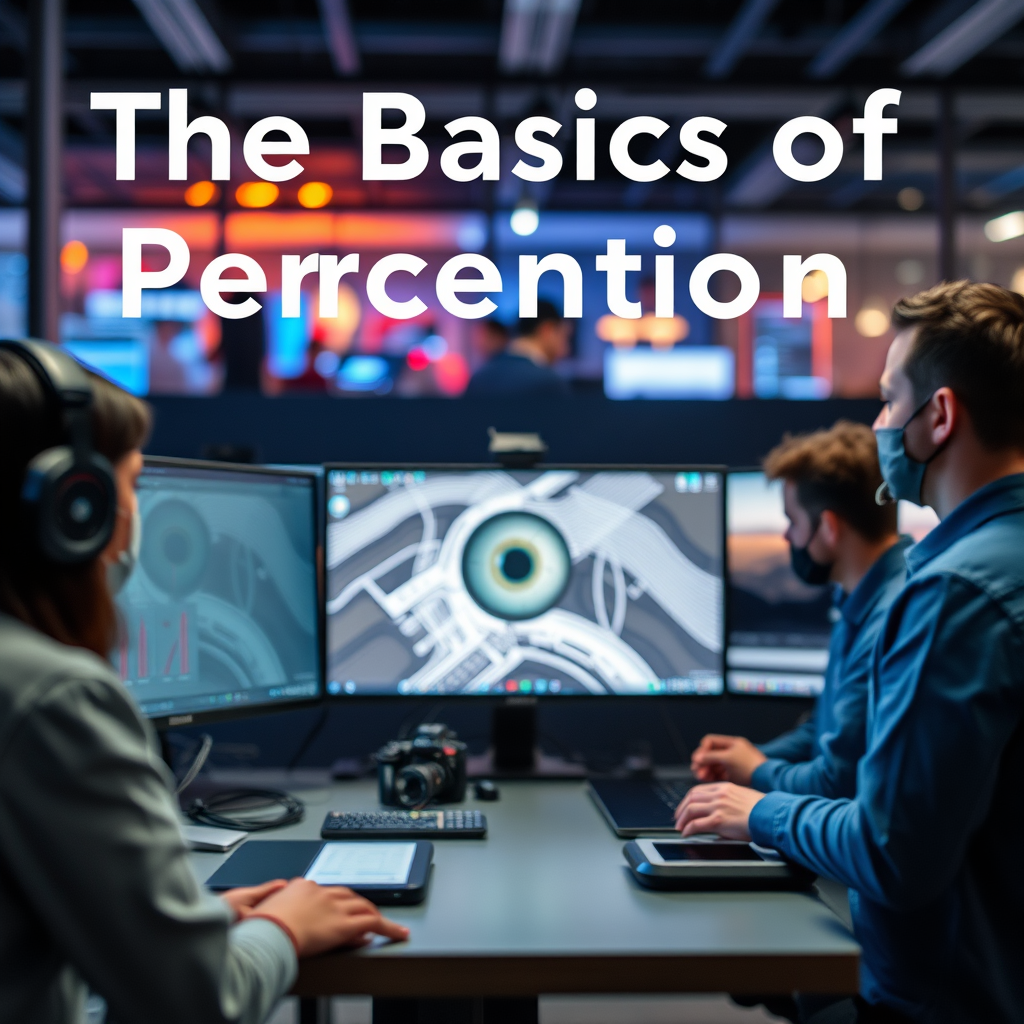
The human eye is an intricate organ that plays a pivotal role in how we perceive the world around us. At its core, the eye consists of several key components: the cornea, lens, retina, and optic nerve. Light enters through the cornea, is focused by the lens, and then projected onto the retina, where it is converted into electrical signals that are sent to the brain for processing. This complex pathway enables us to see a rich tapestry of colors and details.
Color perception, in particular, is facilitated by specialized cells in the retina known as cones. There are three types of cones—sensitive to red, green, and blue wavelengths of light—that work together to allow us to see a wide spectrum of colors. This blending of signals is what enables us to perceive millions of different hues. Understanding this process is essential for display manufacturers, as it underscores the importance of color accuracy in screen technology. If a display can mimic the way our eyes naturally perceive colors, it can create a more immersive and enjoyable viewing experience.
Factors Influencing Perception in Displays

Brightness and contrast are two critical factors that significantly impact readability and comfort when using screens. A display that is too bright can cause glare and strain, while one that is too dim may lead to squinting and discomfort. The ideal brightness level allows users to view content effortlessly, enhancing the overall experience. For example, many modern displays come equipped with adaptive brightness features that automatically adjust screen luminosity based on ambient lighting conditions, helping to reduce eye strain.
Similarly, contrast plays a vital role in how we perceive information on screens. A high-contrast display, where dark colors are deep and vibrant against light backgrounds, can vastly improve readability, especially in text-heavy applications. Displays with poor contrast can lead to fatigue as our eyes work harder to differentiate between similar shades. Manufacturers are increasingly prioritizing contrast ratios in their designs to ensure that users can enjoy clear, crisp visuals without unnecessary effort.
Color accuracy is another fundamental aspect of display technology. True-to-life color reproduction not only enhances the aesthetic appeal of content but is also essential for professionals in fields like photography, graphic design, and video production. Displays that fail to accurately reproduce colors can lead to misinterpretations and errors in work. Technologies like quantum dot displays are paving the way for more vibrant and accurate colors, ensuring that what users see on their screens closely resembles the real world.
Motion Perception and Display Technologies
Motion perception is crucial, especially in today’s fast-paced digital landscape. When watching fast-moving images, such as in video games or action films, the phenomenon of motion blur can occur, making the visuals appear smeared or unclear. This can detract from the overall experience and cause discomfort, particularly during prolonged viewing sessions.
To combat motion blur, manufacturers are focusing on increasing refresh rates, which refer to how many times the display updates the image per second. A higher refresh rate—such as 120Hz or even 240Hz—results in smoother motion and a more visually pleasing experience. For example, gaming monitors are often designed with high refresh rates to cater to gamers who demand precision and clarity in fast-moving scenes. This not only enhances enjoyment but also minimizes potential motion-related issues, such as dizziness or headaches.
The Role of Viewing Distance
Viewing distance is another important factor that influences visual clarity and detail perception. The distance between the viewer and the display can significantly affect how images and text are perceived. For instance, sitting too close to a large screen can lead to pixelation, where individual pixels become visible, detracting from the overall image quality. Conversely, sitting too far from a display can result in a lack of detail and clarity.
Optimal viewing distances vary depending on the size and resolution of the screen. For example, the general rule of thumb is that viewers should sit about 1.5 to 2.5 times the diagonal size of a TV screen away for the best experience. For computer monitors, sitting at a distance of about 20 to 30 inches is often recommended. This awareness of viewing distance can help users position their screens for maximum visual comfort and clarity.
Innovations in Display Technology Driven by Eye Perception
In recent years, innovations in display technology have been heavily influenced by our understanding of eye perception. One notable advancement is adaptive brightness and color adjustment based on ambient light. This technology ensures that displays automatically adjust to their surroundings, providing optimal visibility without causing eye strain. For instance, many smartphones now feature automatic brightness settings that take into account the surrounding lighting conditions, allowing for a more comfortable viewing experience.
Emerging technologies like OLED (Organic Light Emitting Diode) displays have also made significant strides in aligning with human eye perception. OLED screens are known for their ability to produce deep blacks and vibrant colors, creating a more immersive viewing experience. Unlike traditional LCDs, OLEDs do not require a backlight, enabling each pixel to emit its own light, resulting in better contrast and color accuracy. This technology not only appeals to casual viewers but also meets the demands of professionals who require precise color representation.
The Importance of Eye Comfort in Design
Designing displays with eye comfort in mind is becoming increasingly important as people spend more time in front of screens. Strategies for minimizing eye strain include implementing flicker-free technology, which reduces the subtle flickering that can cause discomfort over time. Additionally, features like blue light filters have gained popularity, as they help reduce exposure to blue light wavelengths that can contribute to digital eye strain and disrupt sleep patterns.
Ergonomics also play a crucial role in display setup for better visual health. Proper monitor height, angle, and distance can significantly affect comfort and reduce the risk of developing eye strain or musculoskeletal issues. Manufacturers are now offering adjustable stands and mounts that allow users to customize their viewing experience to suit their individual needs, ensuring that screens are positioned at an optimal height and distance.
Future Trends in Display Technology
As our understanding of eye perception continues to evolve, so too will display technology. Predictions suggest that future displays will increasingly incorporate features tailored to individual visual preferences, allowing users to customize settings such as brightness, contrast, and color temperature based on their specific needs. This level of personalization could enhance comfort and usability for diverse groups of users, from gamers to professionals.
Moreover, advances in augmented reality (AR) and virtual reality (VR) technology will likely further refine our understanding of human vision. These immersive experiences rely heavily on the way we perceive depth, motion, and color, pushing manufacturers to innovate in ways that prioritize visual comfort and clarity. Future displays may not only adapt to environmental conditions but also to the physiological responses of the user, creating a seamless and comfortable viewing experience.
Summarizing the interplay between human eye perception and display technology reveals that advancements in this field are deeply rooted in understanding how we see. Moving forward, consumers should look for displays that not only meet technological standards but also prioritize visual comfort and clarity. For more insights on display technologies, stay tuned for our upcoming articles!
Frequently Asked Questions
How does the human eye perceive color in relation to display technology?
The human eye perceives color through specialized cells called cones, which are sensitive to different wavelengths of light. Display technology, such as LED and OLED screens, mimics this perception by using a combination of red, green, and blue (RGB) light to create a full spectrum of colors. Understanding how the eye perceives color is crucial for manufacturers to design displays that can accurately represent images and videos, ensuring that colors appear vibrant and true-to-life.
What role does contrast play in how we perceive displays?
Contrast refers to the difference in luminance between the darkest and lightest parts of an image. It greatly impacts our perception of depth and detail in display technology. High contrast ratios enhance our ability to distinguish between colors and shapes, leading to a more immersive viewing experience, which is why many display technologies, like OLED, focus on achieving superior contrast for better image quality.
Why is refresh rate important for human eye perception on screens?
Refresh rate, measured in hertz (Hz), indicates how many times a display updates its image per second. A higher refresh rate results in smoother motion, which is especially important for fast-paced content such as gaming and action movies. The human eye can perceive motion more fluidly at refresh rates of 60Hz or higher, reducing motion blur and enhancing the overall viewing experience.
Which display technologies are best suited for different human eye perceptions?
Different display technologies cater to various aspects of human eye perception. For example, OLED displays provide deeper blacks and excellent contrast, making them ideal for cinematic experiences. On the other hand, LCD displays are known for their brightness and color accuracy, making them suitable for environments with more ambient light. Understanding the strengths of each technology can help consumers choose the best display for their specific viewing needs.
How does eye fatigue relate to display technology and human perception?
Eye fatigue, or digital eye strain, often results from prolonged exposure to screens that do not align well with human visual perception. Factors such as glare, poor contrast, and inadequate refresh rates can contribute to discomfort. Display technologies that incorporate features like blue light filters, higher refresh rates, and adjustable brightness can significantly reduce eye strain, making them more comfortable for extended use and aligning better with how our eyes naturally perceive light.
References
- Human eye
- https://www.ncbi.nlm.nih.gov/pmc/articles/PMC5425694/
- https://www.sciencedirect.com/science/article/pii/S1047320316302811
- https://www.optica.org/en-us/home/optics/optics-and-eye-health/human-vision-and-perception/
- https://www.visionresearch.org/vision-research-articles/
- https://www.researchgate.net/publication/327757677_Human_Vision_and_Display_Technology
- AAAS Home | American Association for the Advancement of Science (AAAS)
- https://www.bbc.com/future/article/20200214-what-is-the-best-way-to-see-the-world
- https://www.nist.gov/publications-articles/2022-01/impact-human-vision-display-technology
- https://www.color.org/education/educational-resources/vision-and-color/