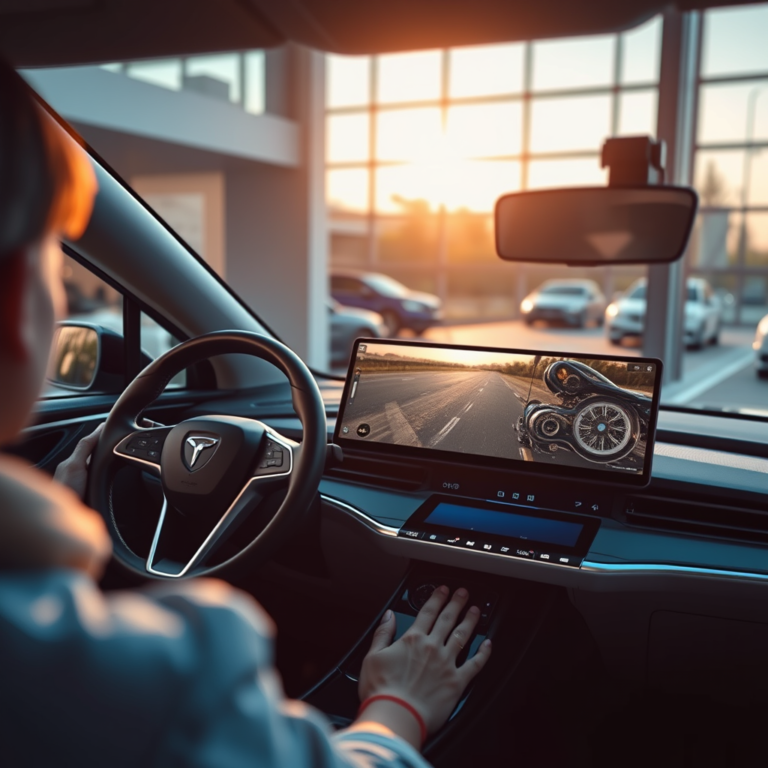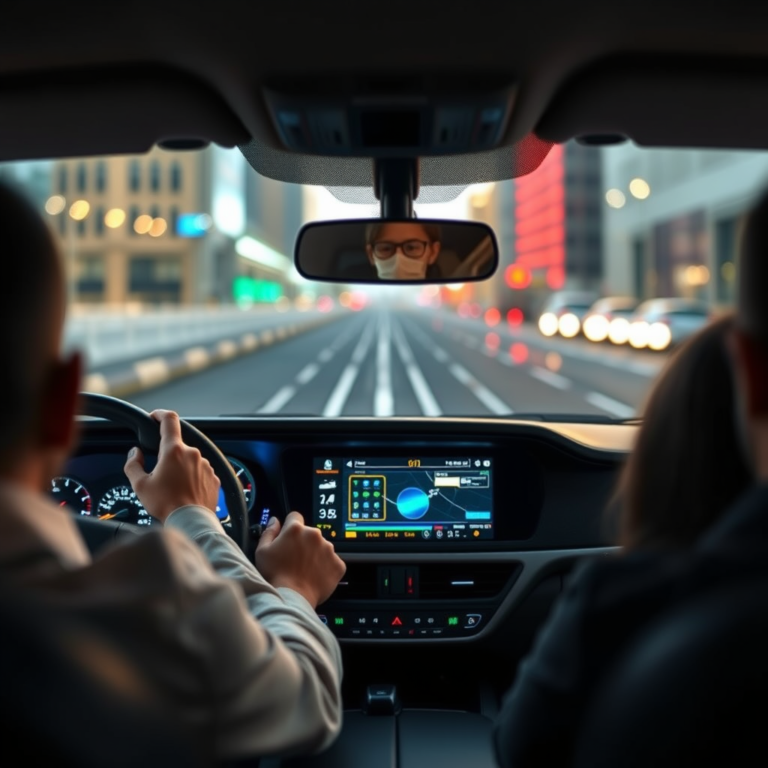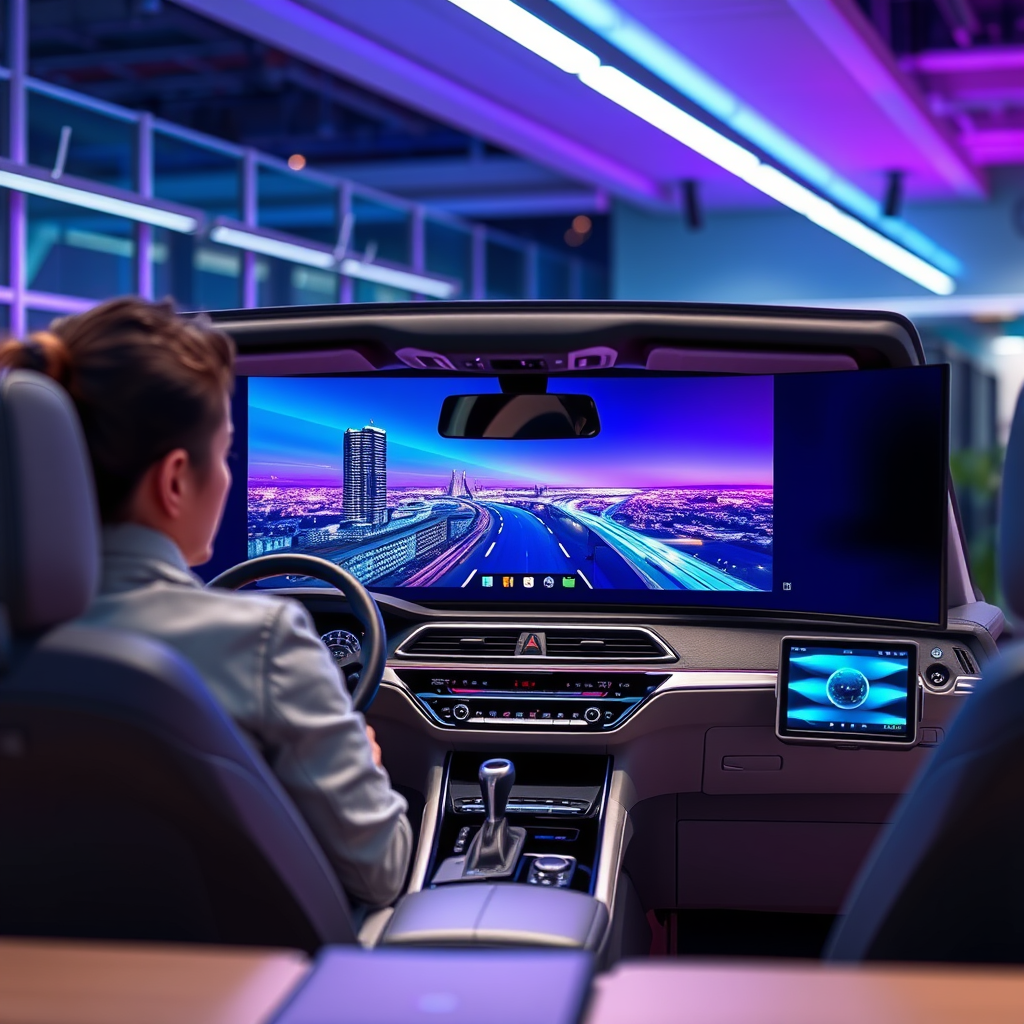

The integration of OLED displays is revolutionizing in-car entertainment by providing superior picture quality, vibrant colors, and improved energy efficiency. This technology enhances the overall driving experience, making journeys not just a means of transportation but an engaging adventure for passengers. With their ability to deliver stunning visuals and interactive features, OLED displays take in-car entertainment to new heights, ensuring that every ride is enjoyable, whether for a quick commute or a long road trip.
Advantages of OLED Technology
– Vivid Color Reproduction: One of the standout features of OLED technology is its ability to reproduce colors more vividly than traditional LCD screens. With a broader color gamut, OLED displays can produce colors that are more lifelike and saturated, making movies and video games pop with vibrancy. This is particularly beneficial for passengers who want to enjoy an immersive experience while watching their favorite films or playing games during long trips. For instance, when watching a nature documentary, the lush greens of the forest and the deep blues of the ocean appear more realistic, enhancing the overall viewing experience.
– High Contrast Ratios: OLED displays excel in their high contrast ratios, which means they can show true blacks alongside bright colors. This capability significantly improves clarity and detail in images. With an OLED screen, shadows in a movie scene become deeper and more pronounced, while highlights appear brighter and more dynamic. This contrast makes content feel more immersive, drawing viewers into the story and keeping them engaged. Imagine watching an action-packed movie where explosions and vibrant colors leap off the screen, captivating everyone in the vehicle.
Enhanced Viewing Angles
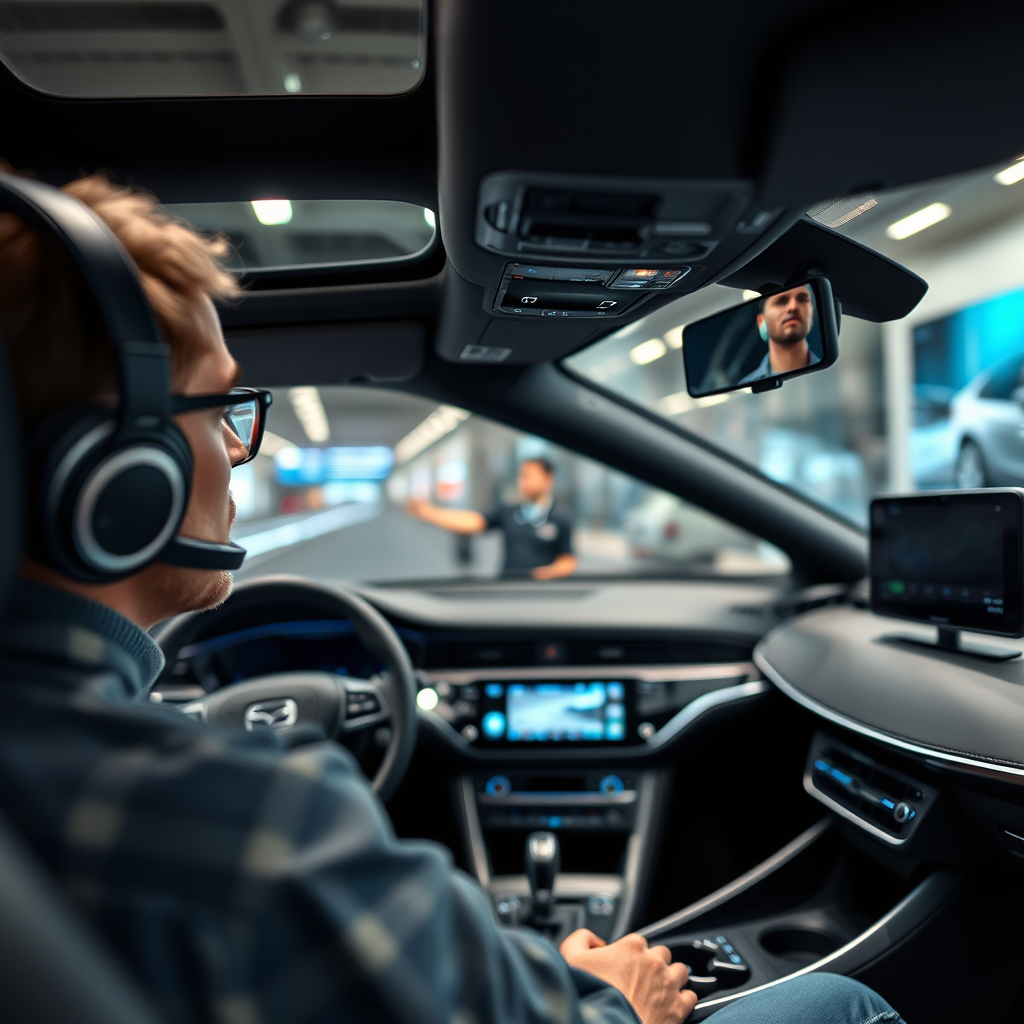
– Wide Viewing Angles: One of the common issues with traditional displays is that the picture quality deteriorates when viewed from an angle. In contrast, OLED screens maintain their color accuracy and brightness from various viewpoints, ensuring that every passenger, no matter where they’re seated, can enjoy the same high-quality visual experience. This feature is particularly beneficial for families or groups traveling together, as everyone can gather around and share in the entertainment without compromising on quality.
– Flexible Design Options: The slim and lightweight design of OLED displays allows for innovative placements within the vehicle’s interior. Whether mounted in the back of the front seats or integrated into the dashboard, OLEDs can fit seamlessly into different vehicle layouts. This flexibility not only enhances the aesthetic appeal of the car’s interior but also allows manufacturers to create more engaging and functional entertainment systems that cater to the needs of modern consumers.
Energy Efficiency and Impact on Vehicle Performance
– Lower Power Consumption: One of the most significant advantages of OLED technology is its lower power consumption compared to LCD displays. OLED screens use organic compounds that emit light individually, meaning they only draw power when displaying color. This efficiency can lead to improved fuel efficiency in combustion vehicles and longer battery life in electric vehicles, as the strain on the vehicle’s power system is minimized. For eco-conscious consumers, this means they can enjoy in-car entertainment without worrying about excessive energy use.
– Heat Management: Another practical benefit of OLED displays is their reduced heat generation. Traditional displays can become warm, which can affect the comfort of passengers, especially during hot weather. OLED technology, by emitting less heat, helps maintain a more comfortable cabin environment. This not only enhances passenger comfort but also lessens the strain on the vehicle’s climate control system, resulting in overall better performance and efficiency.
Integration with Advanced Technologies
– Smart Connectivity: As in-car entertainment becomes increasingly tech-savvy, OLED displays are perfectly positioned to integrate seamlessly with smartphones and other smart devices. This connectivity allows passengers to access their favorite streaming services and apps directly from the display. Imagine being able to watch a Netflix series or play mobile games on a high-definition screen while on the road, creating a truly personalized entertainment experience.
– Augmented Reality Features: The future of in-car entertainment is also looking bright with the potential integration of augmented reality (AR) features on OLED screens. AR overlays could provide real-time navigation assistance or enhance gaming experiences by blending the virtual and real worlds. For example, while navigating a new city, an AR overlay might highlight points of interest or provide directions directly on the OLED screen, making it easier for drivers and passengers to explore their surroundings without distractions.
User Experience and Customization
– Personalized Content: Customization is becoming a vital aspect of the user experience in vehicles, and OLED displays facilitate this trend beautifully. Users can tailor interfaces and content based on their preferences, choosing what they want to watch or play. For instance, families can set up individual profiles that remember their favorite shows, games, or music playlists, allowing for a more personal and enjoyable journey.
– Interactive Features: With touch-sensitive technology, OLED screens can enhance user interaction in a way that traditional displays cannot. Passengers can navigate menus, select content, or even play games with simple gestures or taps. This interactivity provides a more engaging experience, making it easy for everyone in the car to participate in entertainment choices, from adults to children.
Future Trends in In-Car Entertainment
– Evolving Display Sizes: As technology continues to evolve, we can expect larger OLED screens that occupy more space within the vehicle’s interior. These expansive displays will be designed to provide a true cinematic experience, transforming the car into a mobile theater. Think of road trips where everyone can enjoy a movie on a giant screen, making the journey as exciting as the destination.
– Sustainability Initiatives: With increasing awareness of environmental issues, manufacturers are exploring eco-friendly production methods for OLED displays. This commitment to sustainability aligns with consumer demand for greener automotive solutions. As manufacturers prioritize sustainable practices, we may see more vehicles equipped with OLED technology that is not only high-performing but also environmentally responsible.
The adoption of OLED displays is not just a trend; it represents a significant leap forward in improving in-car entertainment experiences. With their vibrant visuals, energy efficiency, and versatility, these displays are set to redefine how passengers engage with entertainment while on the road. Embrace the future of in-car entertainment and explore vehicles featuring this cutting-edge technology today! As the automotive industry continues to innovate, passengers can look forward to increasingly engaging and personalized experiences in their vehicles.
Frequently Asked Questions
What are the benefits of OLED displays in in-car entertainment systems?
OLED displays offer several advantages for in-car entertainment systems, including superior picture quality with deeper blacks and vibrant colors, thanks to their self-emissive technology. This results in a more immersive viewing experience for passengers. Additionally, OLED screens are thinner and lighter than traditional LCDs, allowing for more versatile design options within vehicle interiors.
How do OLED displays enhance the user experience in vehicles?
OLED displays enhance the user experience in vehicles by providing quicker response times and wider viewing angles compared to conventional displays. Users can enjoy clearer visibility from different seating positions, making it easier for passengers to watch movies or play games. The high contrast ratio of OLED technology also reduces glare, which is particularly beneficial in bright sunlight, enhancing overall enjoyment.
Why are automotive manufacturers increasingly adopting OLED technology for displays?
Automotive manufacturers are increasingly adopting OLED technology due to its ability to deliver superior visual performance while also allowing for innovative design flexibility. As car interiors evolve to become more tech-focused and luxurious, OLED displays enable seamless integration into dashboards and entertainment systems, catering to consumer demands for modern aesthetics and enhanced functionality.
What are the challenges of implementing OLED displays in cars?
While OLED displays have numerous advantages, challenges include higher production costs and potential longevity issues, such as burn-in, where static images can leave a permanent mark on the screen. Manufacturers must also address factors like temperature fluctuations and moisture, which can affect the display’s performance in diverse driving environments. Overcoming these challenges is essential for widespread adoption in the automotive market.
Which automotive brands are leading the way in using OLED technology for in-car entertainment?
Leading automotive brands such as Mercedes-Benz, BMW, and Audi are at the forefront of integrating OLED technology into their in-car entertainment systems. These brands utilize OLED displays to enhance their vehicles’ aesthetics and functionality, often incorporating large, curved screens that provide a cutting-edge look and feel. As consumers seek more advanced tech features, these manufacturers continue to innovate and set trends in the automotive industry.
References
- OLED
- https://www.sciencedirect.com/science/article/pii/S2351978917301865
- https://www.reuters.com/technology/oleds-automotive-displays-2021-09-30/
- https://www.techcrunch.com/2022/01/05/oled-displays-in-the-automotive-industry/
- https://www.wired.com/story/oled-technology-in-cars/
- https://www.nytimes.com/2021/09/29/business/oled-displays-automotive.html
- https://www.bbc.com/future/article/20220311-the-future-of-car-displays
- https://www.theguardian.com/technology/2021/nov/15/oled-displays-in-automotive-applications