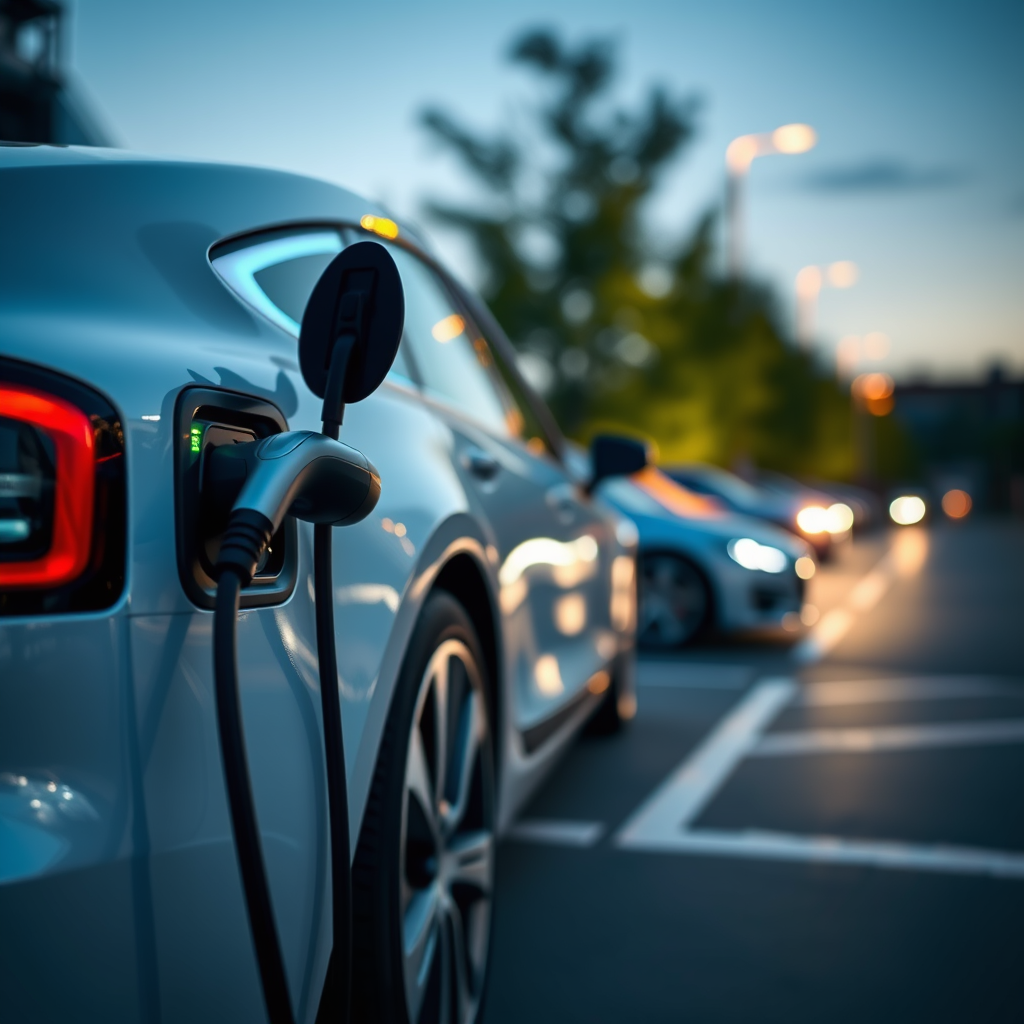
The groundbreaking advancement in electric vehicle technology has led to a significant reduction in battery charging time, now taking just 5 minutes for a full charge. This rapid charging capability is set to revolutionize the EV market, making electric vehicles more convenient and accessible than ever before. Imagine pulling into a charging station and being back on the road in the time it takes to grab a cup of coffee! In this article, we will explore the technology behind this innovation, its implications for consumers, and what it means for the future of electric mobility.




The Technology Behind Rapid Charging
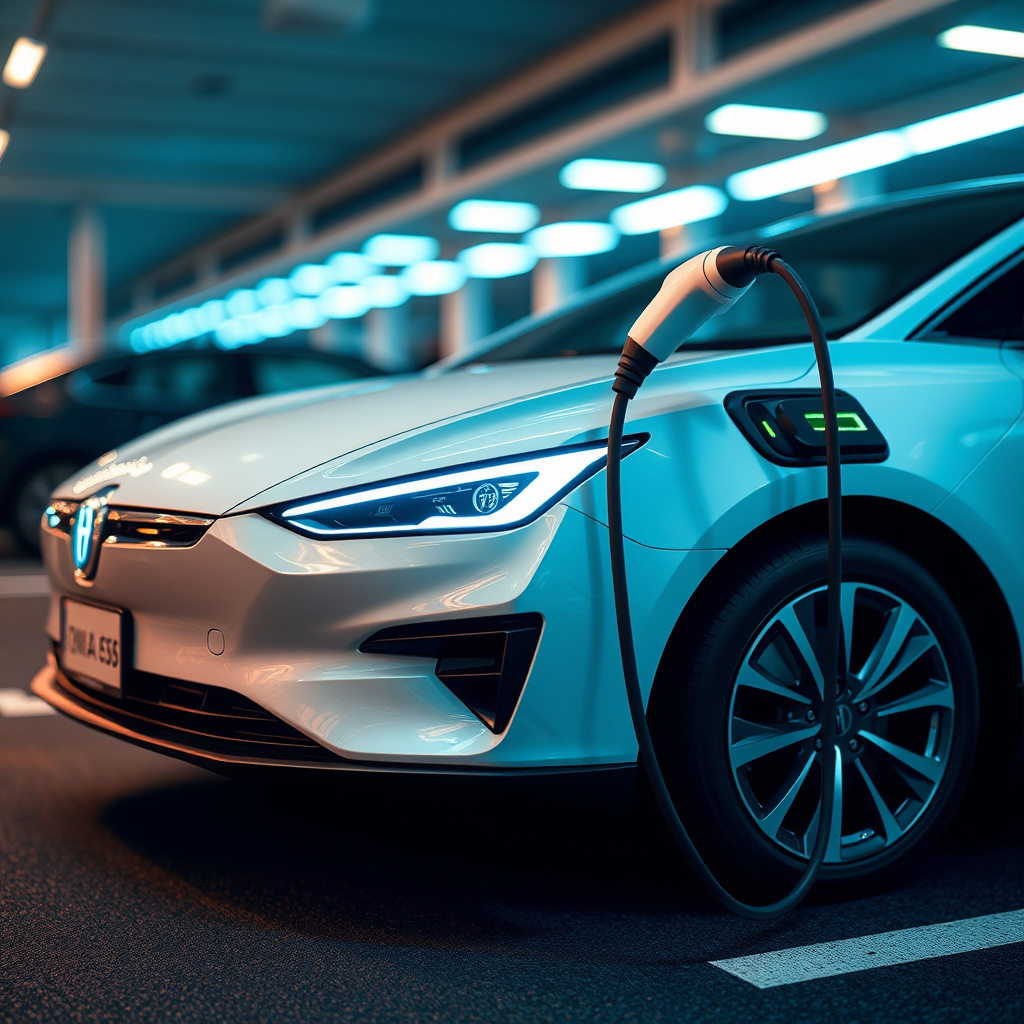
At the heart of this transformative charging speed are new battery technologies that utilize advanced materials and innovative designs. One of the most promising developments is the advent of solid-state batteries, which replace the liquid electrolyte used in traditional lithium-ion batteries with a solid electrolyte. This change not only enhances energy density but also allows for faster ion movement, leading to significantly reduced charging times.
Additionally, improvements in battery management systems (BMS) and thermal regulation technologies have optimized energy flow and temperature control during the charging process, preventing overheating and ensuring safety. Companies like QuantumScape are at the forefront of this technology, working on solid-state batteries that could not only charge in minutes but also last longer than conventional batteries. This new generation of batteries is essential for making rapid charging a reality, and it’s a game-changer for electric vehicles.
Benefits for Electric Vehicle Owners
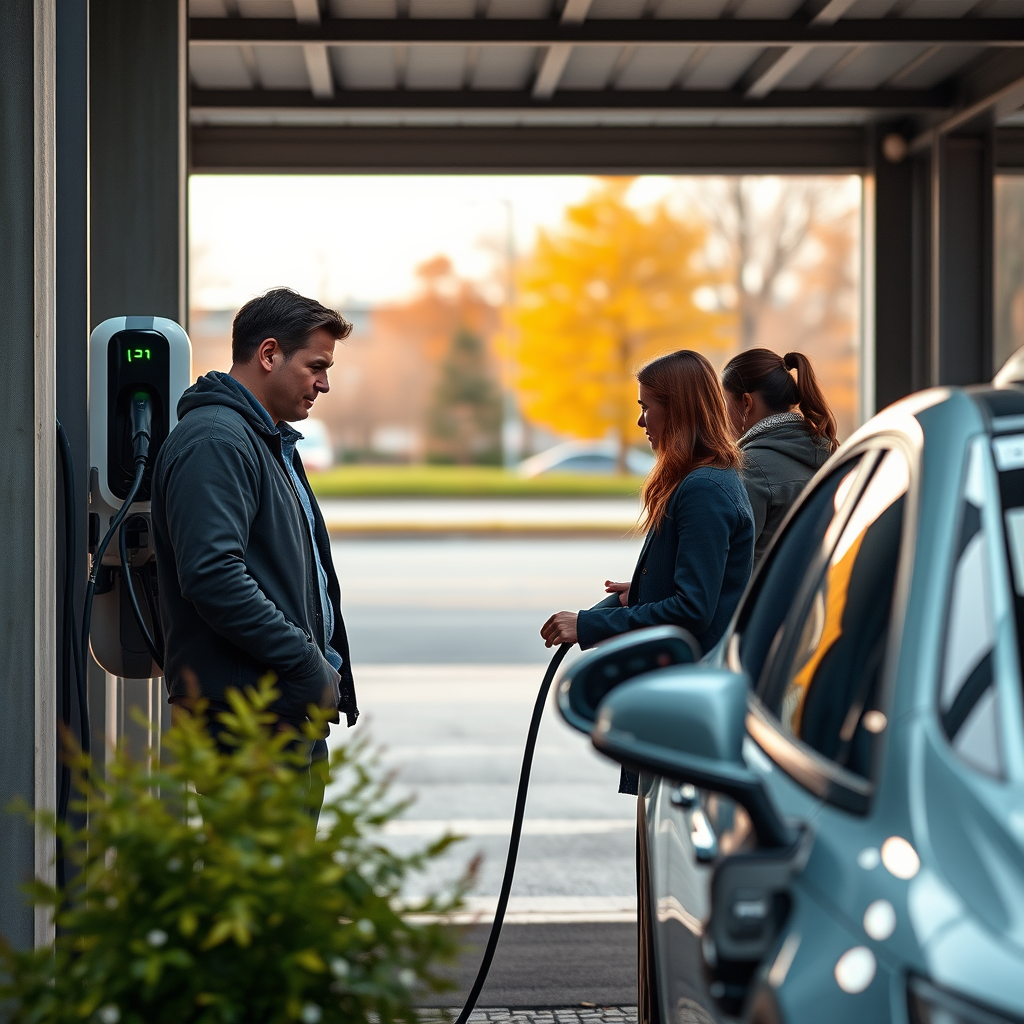
The convenience of a 5-minute charging time cannot be overstated. For everyday users, this means that electric vehicles (EVs) can now compete directly with gasoline vehicles in terms of refueling convenience. Commuters can easily charge their vehicles during a short break, making long road trips more feasible without the fear of long stops.
Moreover, this rapid charging capability can significantly alleviate range anxiety—a common concern among potential EV buyers worried about running out of battery power. With charging times comparable to a quick stop at a gas station, consumers may feel more confident transitioning to electric vehicles, knowing they can recharge in the blink of an eye. In fact, a recent survey indicated that over 60% of potential EV buyers would feel more inclined to purchase an electric vehicle if charging times were minimized.
Infrastructure Implications
To support this rapid charging revolution, substantial upgrades to existing charging infrastructure are necessary. High-power charging stations need to be equipped with advanced technology capable of delivering these quick charges, which often means investing in new hardware and electrical systems.
Municipalities and private companies are already responding to this shift. For instance, major players like Tesla and ChargePoint are expanding their networks of ultra-fast chargers, while traditional gas stations are exploring partnerships with EV charging companies to adapt their facilities. This transition not only improves accessibility for EV users but also encourages a broader adoption of electric vehicles, transforming how we view transportation infrastructure.
Impact on EV Adoption Rates
With reduced charging times, we can expect a substantial increase in electric vehicle sales. The convenience of a 5-minute charge could sway undecided consumers and encourage more people to consider electric vehicles as a practical option. According to a recent report from the International Energy Agency (IEA), electric vehicle sales have already surged, with rapid charging technology expected to contribute to an increase in global EV sales by an estimated 40% over the next five years.
Additionally, studies show that charging time significantly influences purchasing decisions. Prospective buyers are more likely to choose EVs if they perceive charging as quick and efficient—further proving that advancements in charging technology will have a direct impact on market growth and consumer behavior.
Environmental Considerations
Faster charging technology also has important environmental implications. With quicker charging times, more drivers might opt for electric vehicles, leading to a reduction in greenhouse gas emissions associated with traditional gasoline-powered cars. The transition to electric mobility is essential in combating climate change, and increased EV adoption can significantly lower urban air pollution levels.
Moreover, as renewable energy sources continue to grow, the environmental benefits become even more pronounced. If the electricity used for charging comes from clean sources, the overall carbon footprint of electric vehicles diminishes substantially. This makes rapid charging not just a convenience for drivers but a vital step towards a more sustainable future.
Future of Electric Vehicle Technology
Looking ahead, the innovations in battery technology are expected to continue at a rapid pace. Researchers are exploring lithium-silicon batteries that could potentially offer even greater capacity and faster charging capabilities. Moreover, the integration of artificial intelligence in battery management systems could optimize performance and charging efficiency in real-time.
As we witness these advancements, the automotive industry is likely to undergo a significant transformation. The potential for autonomous electric vehicles, coupled with rapid charging technology, could redefine urban transportation, leading us towards more efficient and eco-friendly mobility solutions.
Consumer Considerations and FAQs
As rapid charging technology becomes mainstream, consumers may have questions about its practicality and implications. Common inquiries include concerns about the lifespan of batteries subjected to frequent rapid charging and whether existing electric vehicles can utilize these new charging stations.
When choosing the right EV, it’s essential to consider the charging infrastructure available in your area, your daily driving habits, and how often you anticipate needing a charge. Additionally, understanding the differences in charging options—such as Level 1, Level 2, and DC fast charging—can empower you to make an informed decision that best suits your lifestyle.
In conclusion, the rapid advancements in EV battery technology that allow for a complete charge in just 5 minutes highlight its transformative impact on the automotive landscape. This innovation not only enhances the convenience of electric vehicles but also encourages greater adoption, paving the way for a more sustainable future. As new technologies continue to emerge, staying informed about these changes can help you consider how they could benefit your next vehicle purchase!
Frequently Asked Questions
What advancements have led to EV battery charging times being reduced to just 5 minutes?
Recent breakthroughs in battery technology, particularly the development of solid-state batteries and fast-charging systems, have significantly reduced EV charging times. These innovations improve energy density and thermal stability, allowing for quicker ion transfer during the charging process, which dramatically cuts down the time required for a full charge.
How does a 5-minute charging time impact the convenience of owning an electric vehicle?
A 5-minute charging time enhances the convenience of owning an electric vehicle (EV) by making it comparable to refueling a gasoline car. Owners can easily charge their EVs during short stops, such as at a coffee shop or grocery store, reducing range anxiety and promoting more widespread adoption of electric vehicles.
Why is reducing EV battery charging time important for the electric vehicle market?
Lowering EV battery charging times is crucial for increasing consumer acceptance and expanding the electric vehicle market. Fast charging addresses common concerns about convenience, range anxiety, and infrastructure, ultimately encouraging more people to transition from traditional vehicles to electric options, thus supporting environmental sustainability.
Which types of electric vehicles will benefit most from a 5-minute charging capability?
All electric vehicles, particularly those designed for longer-range travel or high-performance applications, will benefit significantly from a 5-minute charging capability. This includes electric SUVs, trucks, and performance cars, as it allows for quick top-ups during long trips, making them more practical for everyday use.
What are the potential challenges or limitations of achieving 5-minute EV charging?
While the prospect of 5-minute EV charging is exciting, challenges include the need for advanced charging infrastructure, potential overheating issues, and the cost of new battery technologies. Additionally, widespread implementation requires significant investment in charging stations and grid upgrades to handle the increased power demands, which can be a barrier to rapid adoption.
References
- https://www.sciencedirect.com/science/article/abs/pii/S1369702119301930
- https://www.reuters.com/business/autos-transportation/ev-battery-technology-advancements-2023-10-02/
- https://www.bbc.com/news/technology-67174504
- https://www.nytimes.com/2022/09/30/business/ev-battery-charging-time.html
- https://www.energy.gov/eere/electricvehicles/ev-battery-charging
- https://www.wired.com/story/ev-battery-charging-time-innovation/
- https://www.nature.com/articles/s41560-021-00867-3
- https://www.ucsusa.org/resources/electric-vehicle-batteries
- News | American Association for the Advancement of Science (AAAS)
- https://www.forbes.com/sites/patrickmoorhead/2023/10/03/ev-battery-charging-research-breakthroughs/