Smart bus stop displays significantly improve public transportation by providing real-time information, enhancing passenger experience, and promoting efficient service. These innovative technologies transform the way commuters interact with transit systems, leading to increased reliability and satisfaction. With real-time updates, interactive features, and enhanced safety measures, smart bus stop displays are becoming essential components of modern urban transit, making the experience smoother and more enjoyable for everyone involved.
The Role of Real-Time Information
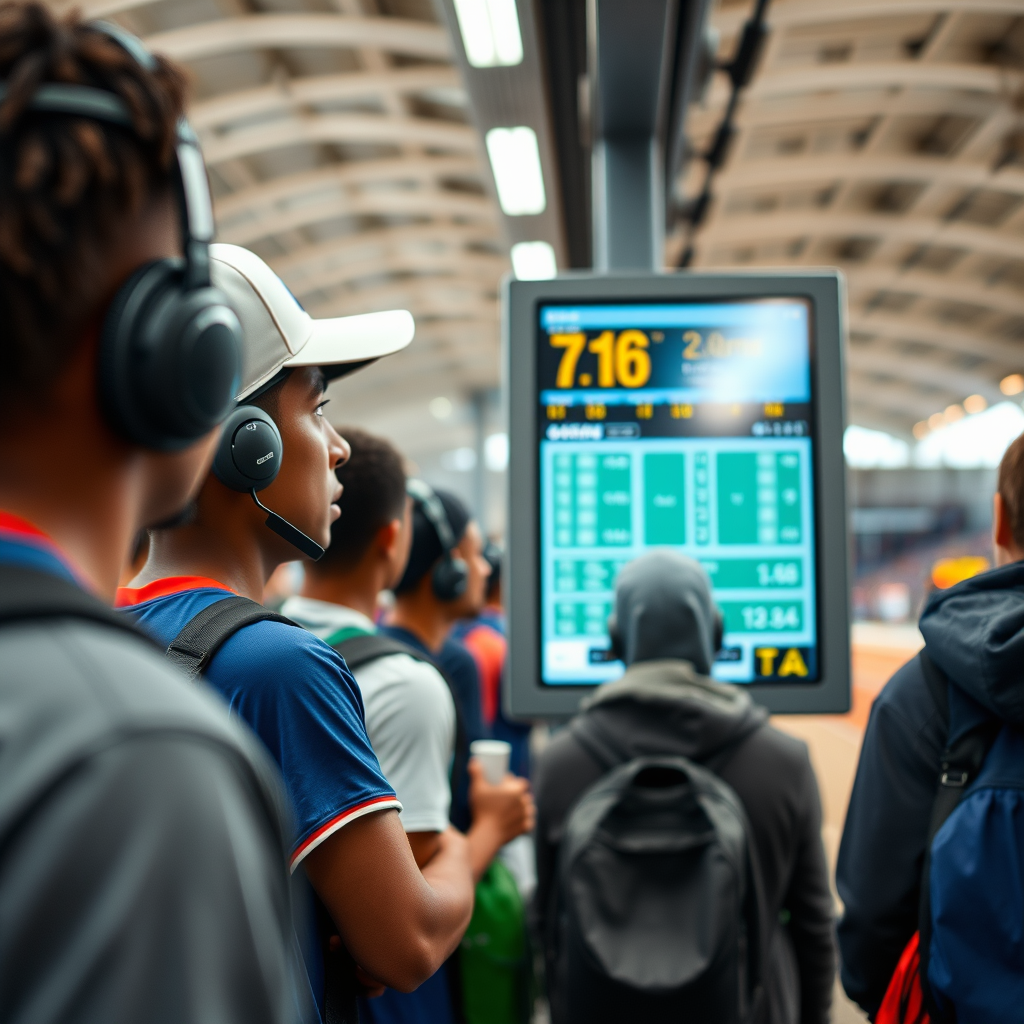
One of the most significant benefits of smart bus stop displays is the provision of real-time information. Passengers receive live updates on bus arrival times, which dramatically reduces uncertainty and anxiety associated with waiting for public transport. No more guessing or checking the clock repeatedly; riders can see exactly when their bus will arrive, allowing them to plan their time more effectively.
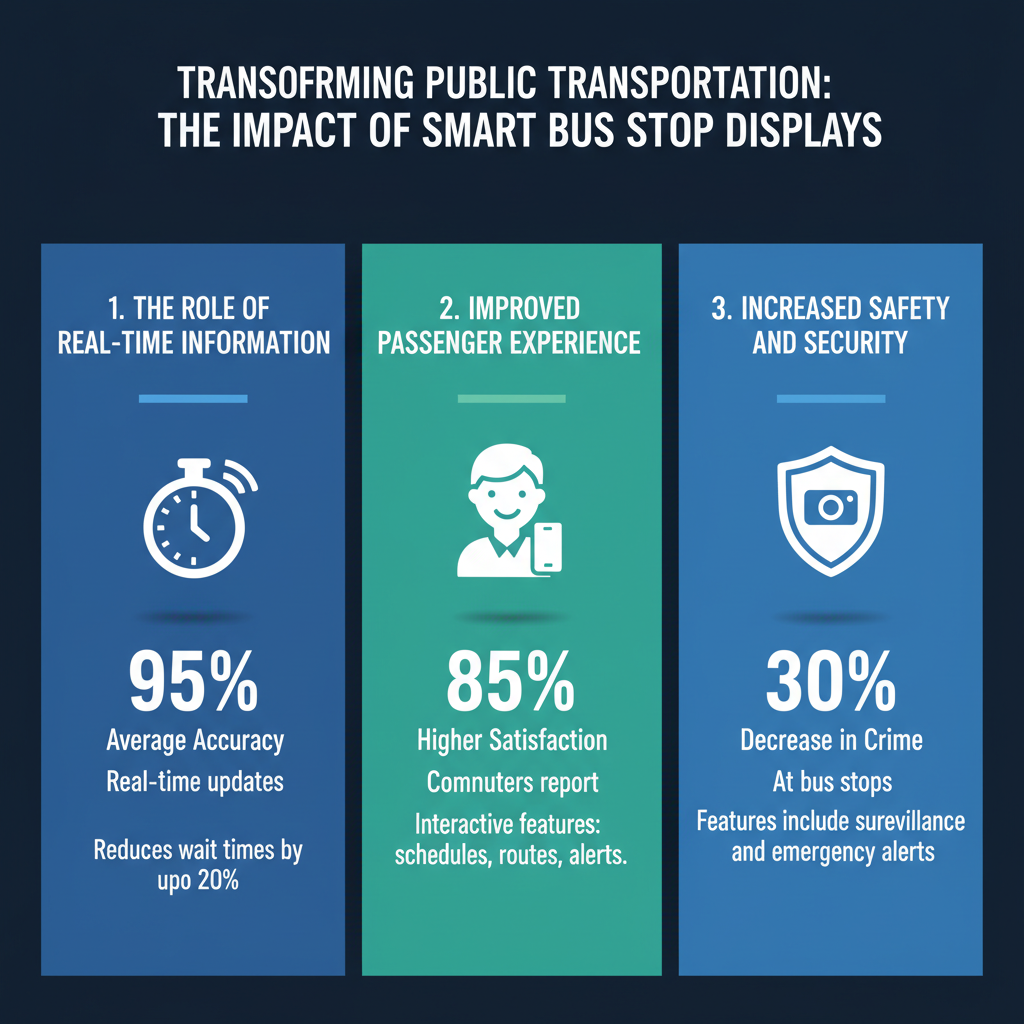
Additionally, enhanced communication through these displays helps manage passenger expectations. When commuters know that their bus is delayed or on time, it leads to less frustration and a more pleasant waiting experience. For instance, cities like San Francisco have implemented real-time tracking systems that allow riders to track their buses via mobile apps or digital displays, making the entire process much more transparent. Such systems not only inform riders but also contribute to a more organized transit environment.
Improved Passenger Experience
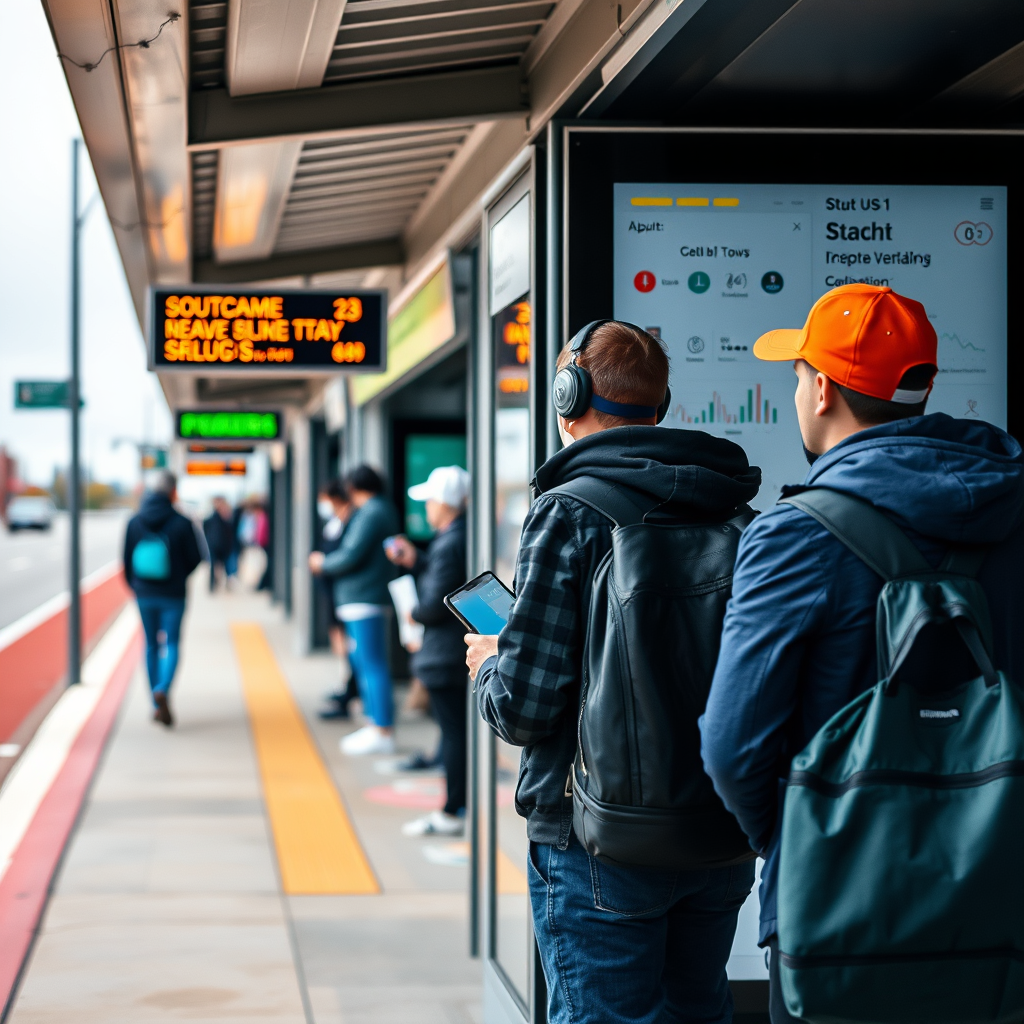
Smart bus stop displays significantly enhance the passenger experience through interactive features. These displays often provide route maps, schedules, and service alerts, all in one convenient location. Imagine being a tourist in a new city; having access to a user-friendly interface that shows you how to navigate the public transport system can make a world of difference. This accessibility is especially crucial for non-native speakers or those who may not be tech-savvy, as many smart displays are designed with intuitive layouts and multiple language options.
Furthermore, these displays can offer real-time updates on service disruptions or changes, ensuring that passengers are well-informed throughout their journey. For example, in cities like London, smart bus stops not only display bus arrival times but also provide information about upcoming events or community announcements, creating a more engaging environment for commuters.
Increased Safety and Security
Safety is a paramount concern for public transportation systems, and smart bus stop displays contribute significantly to a secure commuting environment. Well-lit and monitored smart displays deter vandalism and crime, as their visibility and the presence of surveillance can discourage potential wrongdoers.
Moreover, these displays can serve as crucial communication tools during emergencies. In critical situations, emergency alerts can be communicated quickly and effectively, ensuring that passengers receive vital information when they need it most. For instance, during natural disasters or severe weather events, smart displays can keep riders informed about service changes or safety protocols, helping to guide them safely to their destinations.
Operational Efficiency for Transit Authorities
Smart bus stops are not just beneficial for passengers; they also provide transit authorities with valuable data that enhances operational efficiency. The data collected from these displays aids in route optimization and service planning. By analyzing real-time usage patterns, transit agencies can adapt their services to meet the needs of the community more effectively.
For instance, if a particular bus route consistently experiences delays during peak hours, transit authorities can adjust schedules or increase service frequency to alleviate congestion. This dynamic response to real-time data fosters a more reliable transit system overall. Cities like New York have begun utilizing such technologies, enabling them to respond to delays and adjust schedules dynamically, ultimately improving the overall efficiency of their public transportation networks.
Environmental Impact of Smart Displays
In today’s eco-conscious world, smart bus stop displays contribute positively to sustainability efforts in public transportation. By transitioning from printed schedules and notices to digital displays, transit systems can significantly reduce paper waste. This not only benefits the environment but also streamlines the dissemination of information, as updates can be made in real-time without the need for reprinting.
Moreover, many smart displays are designed with energy-efficient technology, which helps reduce the carbon footprint of public transport systems. For example, solar-powered displays are becoming increasingly popular in cities like Los Angeles, where they provide crucial information while operating sustainably. Such innovations not only support environmental goals but also demonstrate a commitment to modernizing public transport infrastructure.
Case Studies of Successful Implementations
Many cities around the world have successfully integrated smart bus stop displays into their public transportation systems, and the results speak volumes. In Helsinki, Finland, the introduction of smart displays has led to measurable improvements in ridership and user satisfaction. Passengers appreciate the real-time information and enhanced communication, leading to increased trust in the transit system.
Similarly, in Toronto, the city has seen a rise in public transit use since deploying smart displays, which have improved the overall experience for commuters. Surveys indicate that users feel more confident in their travel plans and are more likely to opt for public transportation over personal vehicles due to the enhanced service reliability. These case studies illustrate the tangible benefits that smart bus stop displays can bring to urban transit systems.
The Future of Smart Bus Stop Technology
Looking ahead, the future of smart bus stop technology is bright and full of potential advancements. Innovations such as artificial intelligence (AI) and machine learning stand to revolutionize how these systems operate. Imagine AI-driven displays that not only provide real-time information but also predict future bus arrival times based on historical data and current traffic conditions.
Moreover, the integration of smart displays with other urban mobility solutions, such as bike-sharing programs and ride-hailing services, could create a seamless transportation ecosystem. This holistic approach would allow commuters to plan their journeys more efficiently, accessing multiple modes of transportation through a single interface.
As cities continue to evolve and embrace technology, smart bus stop displays will undoubtedly play a pivotal role in shaping the future of public transportation.
Smart bus stop displays are revolutionizing public transportation by enhancing the travel experience, promoting safety, and improving operational efficiency. As cities continue to adopt these technologies, the benefits for passengers and transit authorities will only grow. By providing real-time information, improving passenger experience, ensuring safety, and fostering operational efficiency, smart displays make public transit more appealing and reliable. Stay informed about advancements in your local transit system and advocate for the adoption of smart technologies in your community to enjoy the full benefits of modern public transportation.
Frequently Asked Questions
What are smart bus stop displays and how do they work?
Smart bus stop displays are digital information boards installed at bus stops that provide real-time updates on bus arrivals, schedules, and service alerts. These displays use GPS technology and data from transit management systems to deliver accurate information to commuters, enhancing the overall public transportation experience. By displaying real-time data, they help reduce wait times and improve passenger satisfaction.
How do smart bus stop displays enhance public transportation efficiency?
Smart bus stop displays improve public transportation efficiency by providing timely information that allows passengers to plan their journeys more effectively. With real-time updates on bus arrivals and delays, commuters can make informed decisions on whether to wait or seek alternative transportation options. This can lead to better bus utilization and reduced overcrowding during peak times, ultimately improving the overall flow of the transit system.
Why are smart bus stop displays important for urban public transportation systems?
Smart bus stop displays are crucial for urban public transportation systems as they promote transparency and reliability. By offering real-time information, these displays help build trust among users, encouraging more people to utilize public transit instead of personal vehicles. Additionally, they can be integrated with mobile apps and other smart city technologies, further enhancing the user experience and supporting sustainable urban mobility initiatives.
Which features should I look for in a smart bus stop display?
When selecting a smart bus stop display, look for features such as high-resolution screens, real-time bus tracking, multi-language support, and accessibility options for individuals with disabilities. Additionally, consider displays that provide additional information such as weather updates, service alerts, and nearby points of interest. Integration with mobile apps and Wi-Fi capabilities can also enhance user engagement and provide a more comprehensive transit experience.
What are the benefits of implementing smart bus stop displays for transit authorities?
Implementing smart bus stop displays offers numerous benefits for transit authorities, including improved operational efficiency, enhanced customer satisfaction, and better data collection for planning purposes. By providing real-time information, transit agencies can reduce calls to customer service and lower complaints related to service delays. Furthermore, the data collected from these displays can help transit authorities optimize routes and schedules, ultimately leading to more efficient public transportation systems.
References
- Intelligent transportation system
- https://www.nytimes.com/2021/02/23/us/smart-bus-stops.html
- https://www.transportation.gov/mission/smart-transportation
- https://www.sciencedirect.com/science/article/pii/S0968090X21000062
- https://www.itu.int/en/ITU-T/Study-Groups/2017-2020/20/Pages/default.aspx
- Assessing Interactions Between Access Management Treatments and Multimodal Users | The National A…
- https://www.ashrae.org/technical-resources/standards-and-guidelines/standards-90-1
- Blurbs New | Blurbs | Main