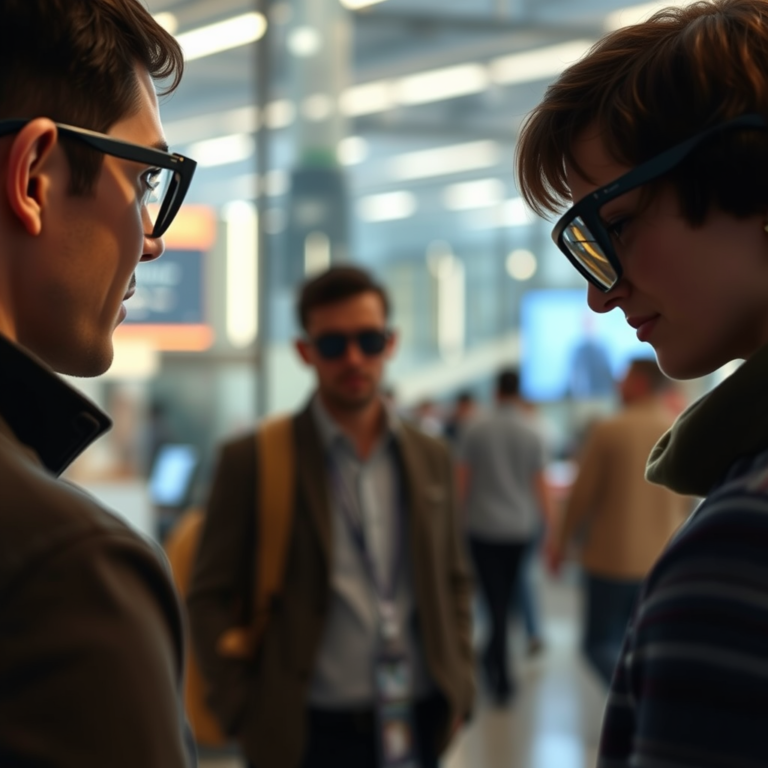

Smart contact lenses could soon eliminate the need for smartphone screens by delivering augmented reality (AR) experiences directly to our eyes. This groundbreaking technology has the potential to revolutionize the way we access information and engage with digital content, making interaction more seamless and immersive than ever before. Imagine being able to browse the web, navigate your surroundings, or even play games without ever reaching for a device in your pocket! In this article, we will explore the potential of smart contact lenses, their benefits, and the challenges they face as they inch closer to mainstream adoption.
The Technology Behind Smart Contact Lenses
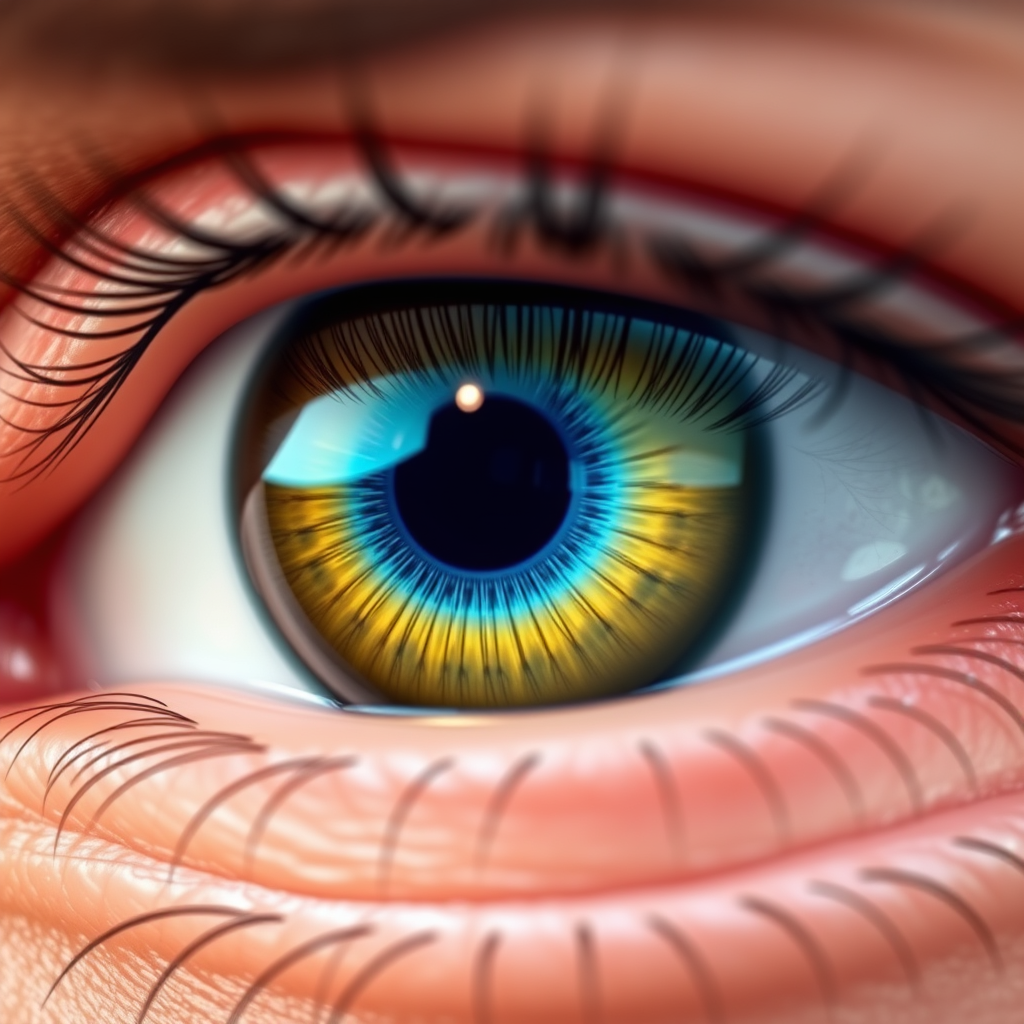
Smart contact lenses are at the forefront of an exciting technological evolution, utilizing advanced micro-displays and sensors to create interactive experiences. These lenses typically contain tiny LED or OLED displays that can project images directly onto the retina, allowing users to see digital information overlaid on their real-world environment. The integration of sensors enables the lenses to detect eye movements, adjust focus, and even monitor health metrics such as glucose levels.
Moreover, smart contact lenses are designed to integrate seamlessly with existing devices and platforms. They can connect via Bluetooth to smartphones, tablets, or computers, allowing users to receive notifications, stream media, or access applications without needing to look away from their surroundings. This level of connectivity opens up a world of possibilities, making everyday tasks more efficient and enjoyable.
Advantages Over Smartphones

One of the most significant advantages of smart contact lenses is the convenience of hands-free operation. Imagine receiving navigation directions in real time while walking or cycling, without needing to glance down at a screen. This capability not only enhances safety but also allows users to remain fully engaged in their environment. Additionally, the immediate access to information means that important updates—like text messages or weather alerts—can be seen as they happen, reducing the lag time that often accompanies smartphone use.
The enhanced user experience provided by augmented reality applications is another remarkable benefit. With smart contact lenses, users can overlay digital content onto their physical world, enhancing interactions in ways that smartphones simply cannot match. For instance, students could visualize complex scientific concepts through interactive models, or shoppers could receive real-time discounts and product information as they browse. The immersive nature of AR applications can make learning and shopping more engaging and effective.
Potential Applications
Smart contact lenses hold tremendous potential across various fields, including healthcare, education, and entertainment. In healthcare, for example, these lenses could be used to monitor patients’ vital signs and provide real-time feedback to healthcare professionals. Imagine a contact lens that alerts a diabetic patient when their blood sugar levels are low, allowing for timely interventions.
In education, smart lenses can enhance learning experiences by providing interactive content that aligns with the curriculum. Students could engage in virtual field trips or access supplementary materials simply by looking at their textbooks. Such applications not only make learning more dynamic but also cater to various learning styles.
The entertainment industry is also exploring the possibilities of smart contact lenses. Imagine playing a video game where your physical surroundings become part of the gameplay, or attending a concert and seeing virtual effects projected directly in your line of sight. As tech companies continue to innovate, the scope of applications for smart contact lenses is likely to expand even further.
Challenges and Limitations
Despite their enormous potential, smart contact lenses face several technical challenges. One of the primary hurdles is ensuring a reliable power supply. Current technologies often require a dedicated power source, which poses challenges for miniaturization and comfort. Researchers are exploring options like wireless charging and energy harvesting techniques, but these solutions need to be optimized for safe and effective use in contact lenses.
Another critical concern is user comfort and safety. Contact lenses must be comfortable to wear for extended periods, and the integration of technology must not compromise eye health. Additionally, privacy issues arise with the ability to capture images or videos directly through the lenses. As this technology develops, addressing these concerns will be vital to gaining user trust and ensuring widespread adoption.
Future Outlook
The future of smart contact lenses looks promising, with predictions suggesting that we may see widespread adoption within the next decade. As technology continues to advance, collaborations between tech companies and healthcare providers are likely to accelerate innovation and bring these products to market. Companies are already investing heavily in research and development, aiming to create lenses that are not only functional but also stylish and comfortable.
Furthermore, as public awareness grows about the benefits of AR and smart technology, consumer demand will drive further advancements. With the right partnerships and a focus on safety and usability, smart contact lenses could become a staple in our daily lives, potentially replacing smartphone screens as we know them.
What Consumers Need to Know
As we approach a future where smart contact lenses may replace smartphones, it’s essential for consumers to prepare for this transition. First, staying informed about the latest developments in smart lens technology is crucial. Follow tech news, participate in discussions, and consider trying early prototypes or beta versions if available.
When it comes to costs, initial investments for smart contact lenses may be higher than traditional eyewear, given the advanced technology involved. However, as the market grows and competition increases, prices are likely to become more accessible. Keep an eye on product launches and reviews to gauge the best options when they become available.
In summary, smart contact lenses represent the next frontier in technology, with the potential to transform our interaction with digital content. From hands-free convenience to immersive experiences, these innovative lenses could soon become an integral part of everyday life. As we stand on the brink of this exciting evolution, staying informed and open to change is key. Embrace the future, and keep your eyes peeled for what’s to come in this fascinating field!
Frequently Asked Questions
What are smart contact lenses and how do they work?
Smart contact lenses are innovative wearable devices designed to be worn directly on the eye, integrating advanced technology to display digital information. These lenses utilize micro-displays, sensors, and wireless connectivity to project images and data directly in the user’s field of vision, enabling functionalities akin to smartphone screens. The lenses can connect to smartphones and other devices, providing users with real-time notifications, navigation, and augmented reality experiences without the need for a handheld device.
How could smart contact lenses improve daily tasks compared to smartphones?
Smart contact lenses could significantly enhance daily tasks by providing hands-free access to information and notifications, reducing the need to glance at a smartphone screen. This technology allows for seamless multitasking, as users can receive directions, manage calls, or view messages without interrupting their activities. Additionally, the integration of augmented reality could facilitate immersive experiences, such as real-time translation or enhanced fitness tracking, making everyday tasks more efficient and engaging.
Why are smart contact lenses considered safer than using smartphones?
Smart contact lenses are considered safer than smartphones because they allow users to maintain better situational awareness while accessing information. With a display directly in the line of sight, users can keep their heads up and remain aware of their surroundings, reducing the risk of accidents often associated with texting or browsing on smartphones. Furthermore, by minimizing screen time and eye strain, smart lenses could promote healthier usage patterns overall.
What are the potential challenges of using smart contact lenses instead of smartphones?
While smart contact lenses offer exciting potential, there are several challenges to consider, including privacy concerns, battery life, and comfort. Users may worry about data security and unauthorized access to their information, as these lenses could continuously collect and display sensitive data. Additionally, ensuring long-lasting battery life and maintaining comfort during prolonged wear are critical factors that developers must address to make smart contact lenses a viable alternative to smartphones.
Which companies are leading the development of smart contact lenses?
Several companies are at the forefront of developing smart contact lenses, including tech giants like Google and companies specializing in ophthalmic products, such as Mojo Vision. Google has explored augmented reality solutions through its Google Lens initiative, while Mojo Vision is focused on creating lenses that provide a heads-up display for various applications. These companies are paving the way for future advancements in smart lens technology, aiming to revolutionize how we interact with digital content.
References
- Bionic contact lens
- https://www.sciencedirect.com/science/article/pii/S2211285517300104
- https://www.nytimes.com/2021/05/19/technology/smart-contact-lenses.html
- https://www.bbc.com/news/technology-60258250
- https://www.ncbi.nlm.nih.gov/pmc/articles/PMC7030471/
- https://www.technologyreview.com/2021/06/02/1025360/smart-contact-lenses-augmented-reality/
- https://www.wired.com/story/smart-contacts-vision-augmented-reality/
- https://www.nature.com/articles/s41598-020-73595-5