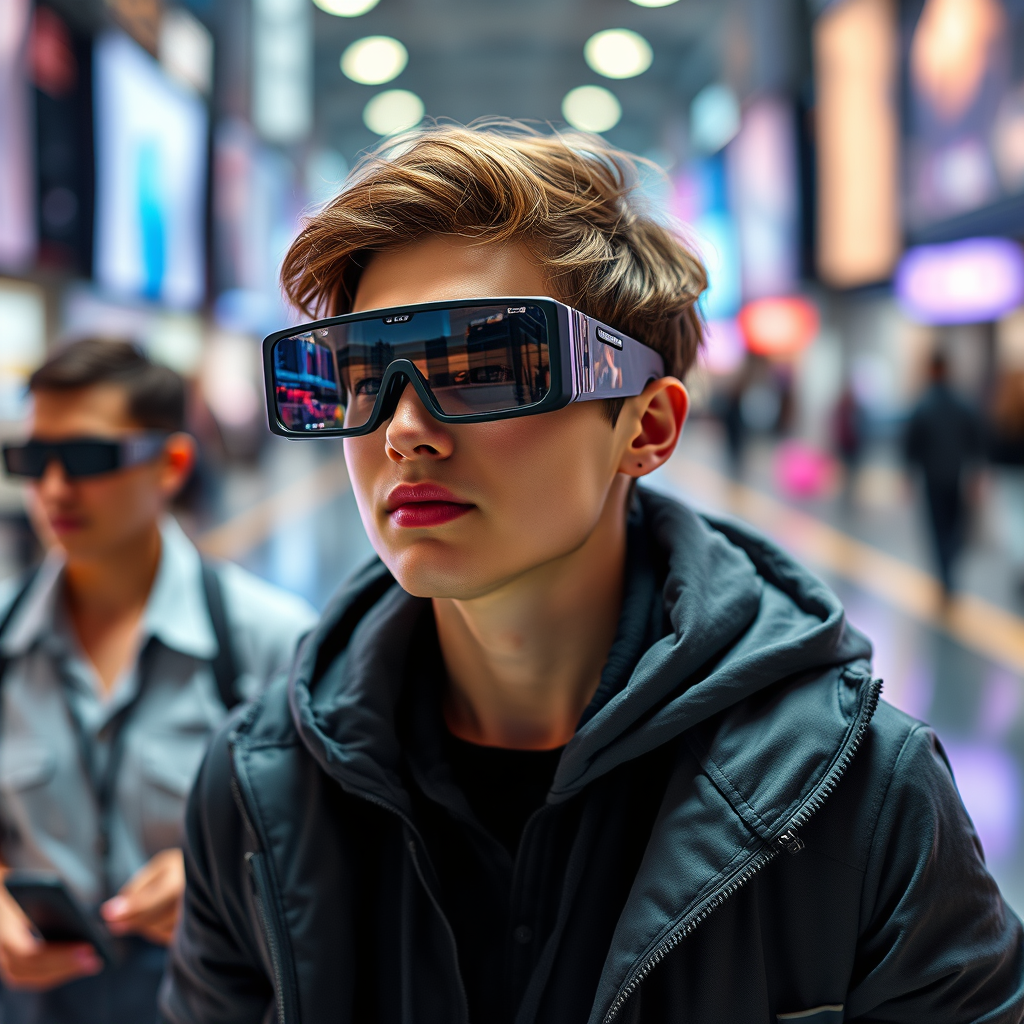

Smart glasses are set to revolutionize our interaction with the metaverse by offering immersive experiences that seamlessly blend the digital and physical worlds. Unlike traditional screens that confine users to a flat display, smart glasses empower individuals to engage with virtual environments in a hands-free manner, significantly enhancing both productivity and enjoyment. In this article, we’ll delve into the implications of this technology shift, explore the myriad benefits of smart glasses, and consider what the future holds for our digital interactions in the metaverse.
The Rise of Smart Glasses in Digital Interaction

The popularity of smart glasses has surged in recent years, making them more affordable and accessible to a broader audience. Companies like Google and Microsoft have set the stage with their AR glasses, while newer entrants like Snap and Facebook are continuously innovating to attract consumers. This growing interest is not just limited to tech enthusiasts; businesses are also recognizing the potential of smart glasses as tools for enhancing workflow and collaboration.
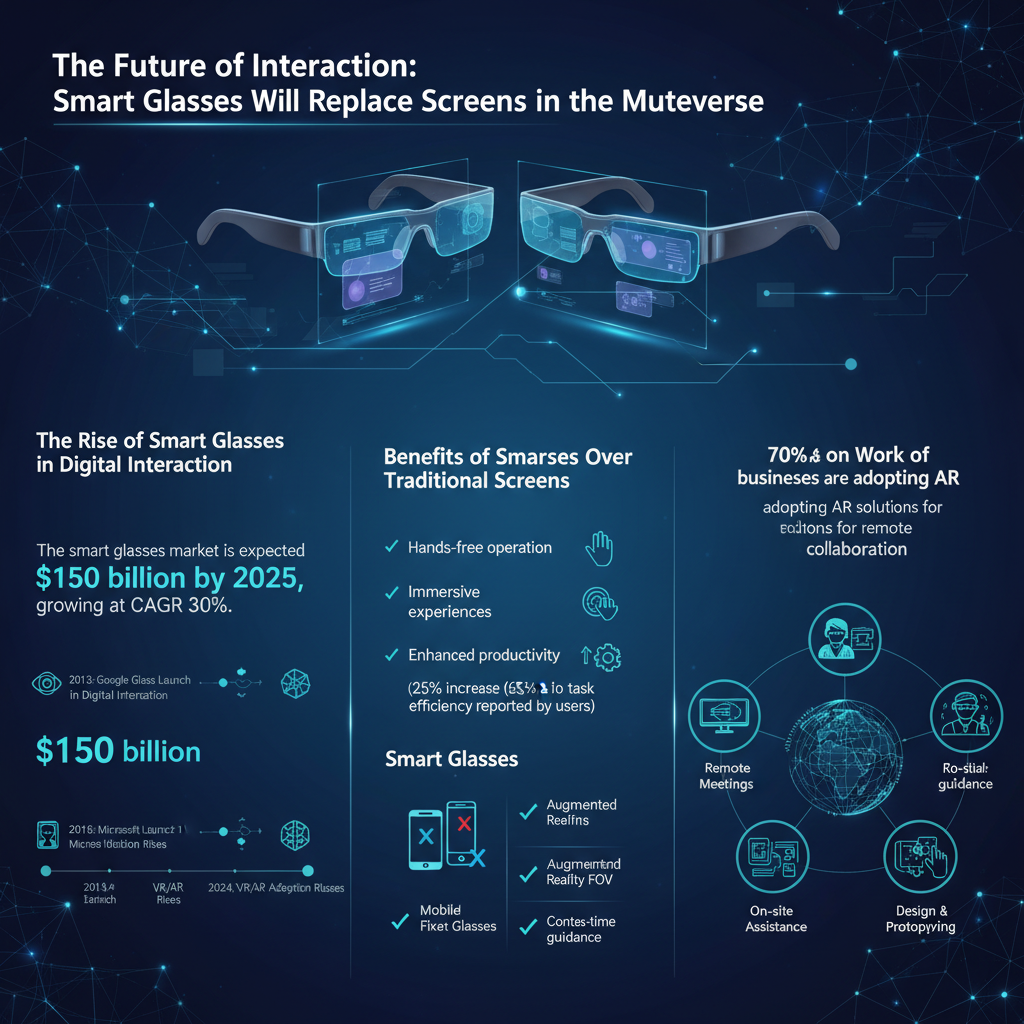
Advancements in augmented reality (AR) and virtual reality (VR) technologies are driving the functionality of smart glasses to new heights. For example, AR overlays digital information onto the real world, allowing users to see directions, notifications, or even virtual objects as if they exist in their physical environment. As these technologies continue to evolve, smart glasses are becoming increasingly capable, providing users with enhanced experiences that can be tailored to their specific needs.
Benefits of Smart Glasses Over Traditional Screens

One of the standout advantages of smart glasses is their hands-free operation, which allows users to multitask effortlessly. Imagine being able to attend a meeting while simultaneously accessing relevant data without the need to juggle multiple devices. This natural interaction with virtual content creates a more intuitive experience, making it easier for users to stay engaged and focused.
Additionally, smart glasses offer enhanced immersion through spatial audio and 3D visuals, resulting in a more engaging user experience. For instance, when enjoying a movie or playing a game, users can feel enveloped in the action as sounds from different directions and realistic visuals create a sense of presence that traditional screens simply cannot provide. This level of immersion not only makes for more enjoyable entertainment but also enhances learning and retention in educational contexts.
Impact on Work and Collaboration
In the workplace, smart glasses are transforming how teams collaborate, especially in remote settings. They allow users to share their field of view with colleagues in real-time, enabling a new level of collaboration that transcends geographical boundaries. Imagine an engineer on-site using smart glasses to show a remote team exactly what they’re seeing, allowing for instantaneous feedback and problem-solving.
Moreover, businesses can leverage smart glasses for training and simulations, which can significantly improve learning outcomes and reduce costs. For example, companies in the manufacturing sector are already using AR glasses to train employees on complex machinery, allowing them to practice in a risk-free environment. This hands-on approach not only enhances understanding but also boosts confidence, ultimately leading to a more skilled workforce.
The Role of Smart Glasses in Gaming and Entertainment
The gaming industry is at the forefront of embracing smart glasses to deliver more immersive and interactive experiences. With platforms like Microsoft’s HoloLens and Magic Leap, game developers are creating environments where players can interact with virtual characters and elements in their real-world surroundings. The integration of smart glasses into gaming opens up a world of possibilities, allowing for experiences that feel more like reality than ever before.
Furthermore, smart glasses can personalize entertainment by overlaying digital elements onto the real world, creating unique storytelling opportunities. For example, a user could watch a movie while engaging with augmented characters that interact with their environment, effectively blending storytelling with personal experience. This new form of entertainment not only captivates audiences but also provides a level of engagement that screens cannot replicate.
Challenges and Considerations
Despite their promising potential, the widespread adoption of smart glasses comes with challenges that must be addressed. Privacy concerns surrounding data collection and user surveillance are at the forefront of public apprehension. Users are rightfully cautious about how their data is being used and who has access to it. Companies must prioritize transparency and user consent to build trust and foster acceptance of this innovative technology.
Additionally, technical limitations such as battery life and comfort remain significant obstacles. Many smart glasses currently available have limited battery life, which can hinder their usability in daily activities. Comfort is another essential factor; bulky designs can restrict users from wearing them for extended periods. Future developments will need to focus on overcoming these challenges to ensure that smart glasses become a staple in our everyday lives.
Future Trends and Developments
Looking ahead, innovations in AI and machine learning are poised to further enhance smart glasses, making them more intuitive and responsive to user needs. Imagine glasses that can recognize your environment and adjust settings automatically or provide real-time translations during conversations. The integration of these technologies will make smart glasses smarter, allowing for a seamless interaction between the user and their digital content.
As the metaverse evolves, smart glasses are likely to become a primary interface for accessing virtual spaces. With the rise of virtual workplaces and social interactions in the metaverse, having a device that allows users to navigate these spaces naturally will be crucial. The future of smart glasses looks bright, with the potential to not only replace traditional screens but to redefine how we connect and interact in a digital world.
The transition from screens to smart glasses in the metaverse represents a significant shift in how we interact with digital content. As technology continues to advance, these devices will likely redefine our experiences in virtual environments, making them more immersive and integrated into our daily lives. Embrace the evolution of digital interaction by staying informed about smart glasses and their potential to transform the way we connect with the metaverse.
Frequently Asked Questions
What are smart glasses and how do they relate to the metaverse?
Smart glasses are wearable devices that incorporate augmented reality (AR) and virtual reality (VR) capabilities, allowing users to interact with digital content seamlessly integrated into their real-world environment. In the context of the metaverse, smart glasses serve as a bridge between the physical and virtual realms, enabling immersive experiences without the need for traditional screens, thereby enhancing user interaction and engagement within this digital universe.
How will smart glasses improve user experience in the metaverse compared to traditional screens?
Smart glasses offer a more immersive and interactive experience in the metaverse by providing hands-free access to digital content while allowing users to remain engaged with their physical surroundings. Unlike traditional screens that can create a barrier between users and the real world, smart glasses overlay digital information directly in the user’s line of sight, enhancing social interactions, navigation, and real-time data visualization, thus creating a more natural and intuitive experience.
Why are smart glasses considered the future of screen technology in the metaverse?
Smart glasses are considered the future of screen technology in the metaverse due to their potential to revolutionize how we consume and interact with digital content. They eliminate the need for physical screens, making experiences more portable and accessible while facilitating richer interactions through gesture recognition and voice commands. This evolution is pivotal in creating a more connected and engaging metaverse, where users can seamlessly blend their physical and digital lives.
What features should I look for in smart glasses for optimal metaverse experiences?
When selecting smart glasses for the best metaverse experiences, look for features such as high-resolution displays for crisp visuals, a wide field of view for immersive experiences, and robust AR capabilities for interactive overlays. Additionally, consider devices with lightweight designs for comfort during prolonged use, long battery life for extended sessions, and compatibility with various metaverse platforms to ensure a versatile and enjoyable user experience.
Which brands currently lead the market in smart glasses designed for metaverse applications?
Some of the leading brands in smart glasses tailored for metaverse applications include Microsoft with its HoloLens, which excels in enterprise solutions, and Meta (formerly Facebook) with its Ray-Ban Stories, designed for social media integration. Other notable mentions are Google with its Glass Enterprise Edition and Snap with its Spectacles, which focus on social and creative uses. These brands are at the forefront of developing technology that enhances connectivity and interaction within the metaverse.
References
- Smartglasses
- https://www.bbc.com/news/technology-59152534
- https://www.nytimes.com/2021/09/27/technology/smart-glasses-ar.html
- https://www.theguardian.com/technology/2021/jun/24/smart-glasses-ar-future
- https://www.sciencedirect.com/science/article/abs/pii/S1877050921002610
- https://www.wired.com/story/smart-glasses-augmented-reality-future/
- https://www.techcrunch.com/2021/10/01/the-future-of-smart-glasses/
- https://www.nist.gov/news-events/news/2021/09/smart-glasses-future-augmented-reality
- https://www.forbes.com/sites/juliewalmsley/2021/07/29/the-future-of-smart-glasses-in-the-metaverse/