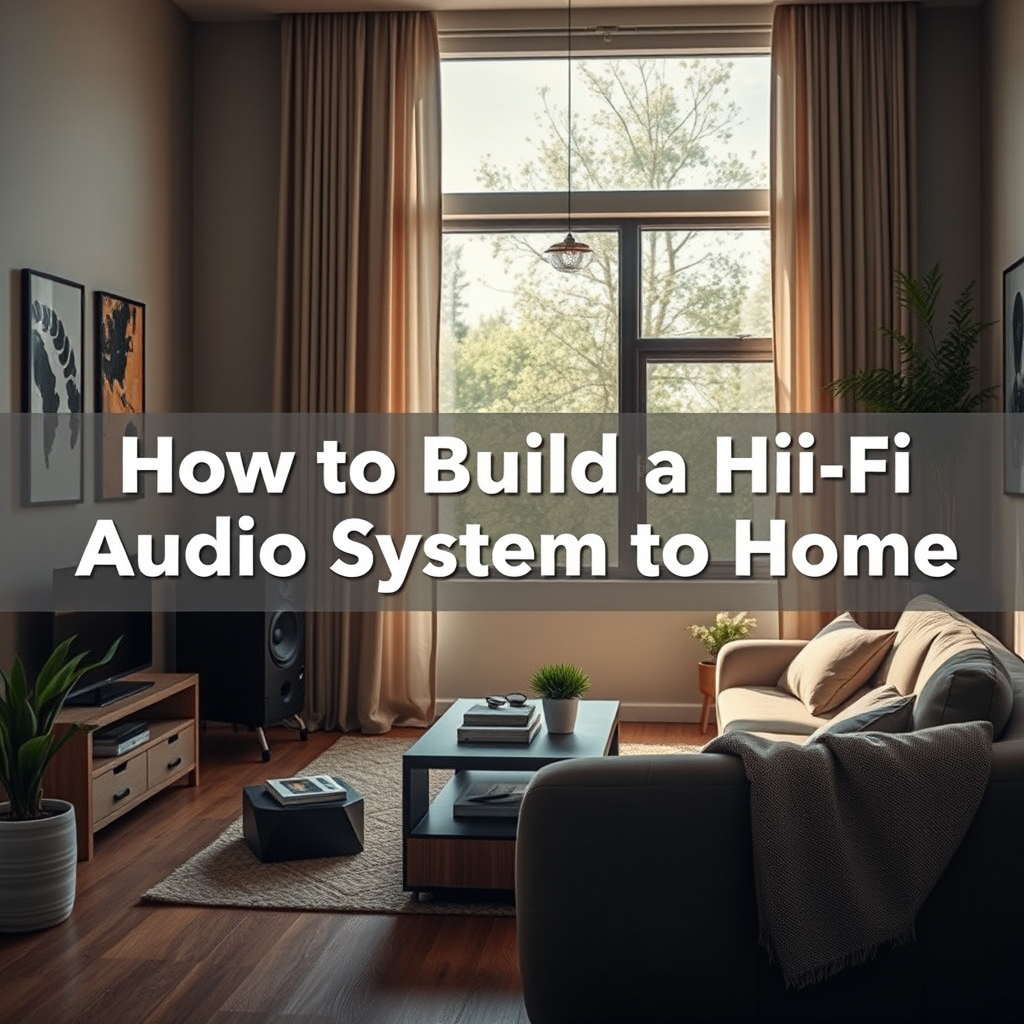

Building a high-fidelity audio system at home is simpler than you might think. With the right components and a clear plan, you can create an immersive listening experience that rivals professional setups. This guide will walk you through everything you need to know, from selecting the right equipment to setting it up for optimal sound quality.
Understanding Hi-Fi Audio Components
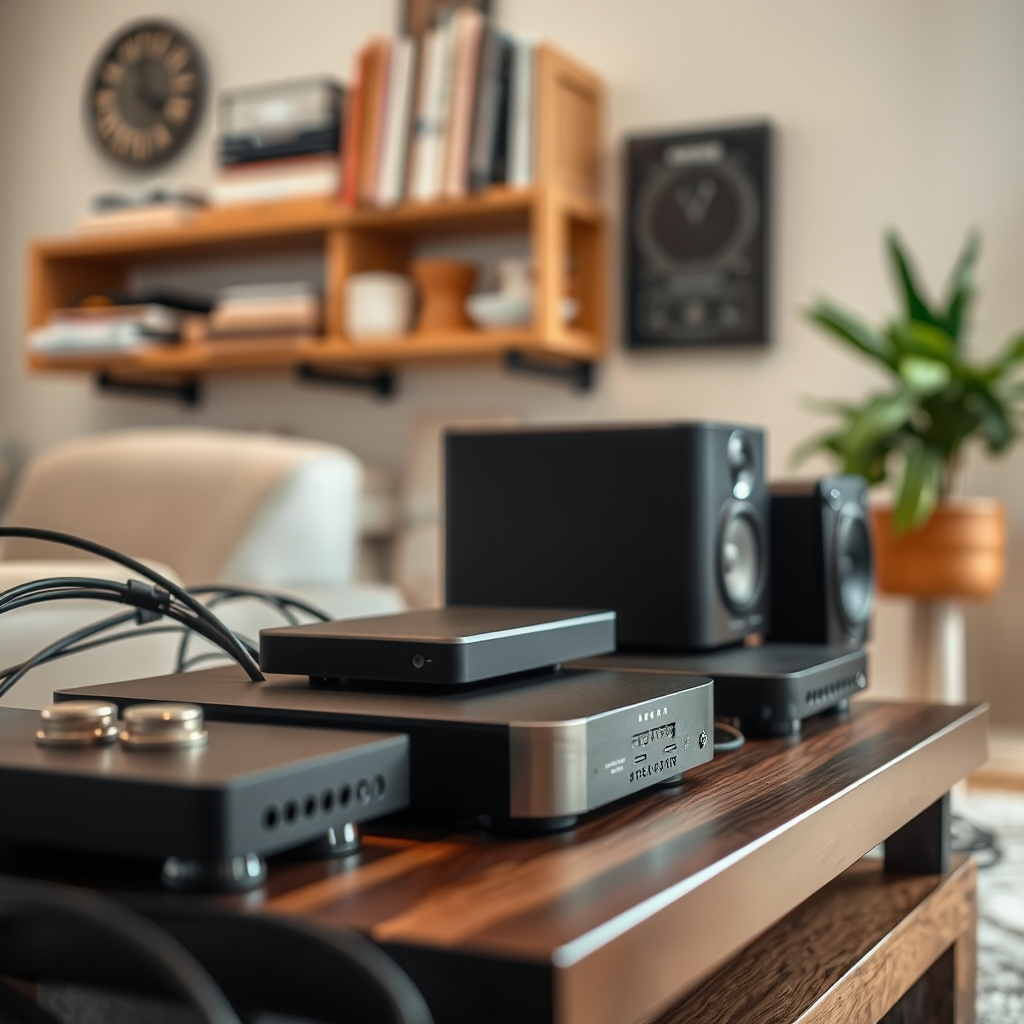
When it comes to crafting an exceptional audio experience, the components you choose are crucial.
– Speakers: Start by deciding what type of speakers will best suit your space and listening habits. If you have a larger room and enjoy a powerful sound, floor-standing speakers might be your best bet. They typically deliver a richer bass and a fuller sound stage. For smaller areas, bookshelf speakers are a great choice, as they can still provide impressive audio quality without taking up too much space. Studio monitors, on the other hand, are designed for accuracy and are often preferred by audio professionals, making them a solid option if you’re keen on producing or mixing music.
– Amplifiers: The amplifier is the heart of your audio system, driving the speakers and ensuring sound clarity. There are several types of amplifiers to consider: integrated amplifiers combine a preamp and power amp, making them a convenient choice for most users. Separate preamps and power amps can offer increased flexibility and potentially better sound quality but require a bit more knowledge to set up. When selecting an amplifier, make sure it matches the power requirements of your speakers to avoid damaging them.
Selecting the Right Source Components
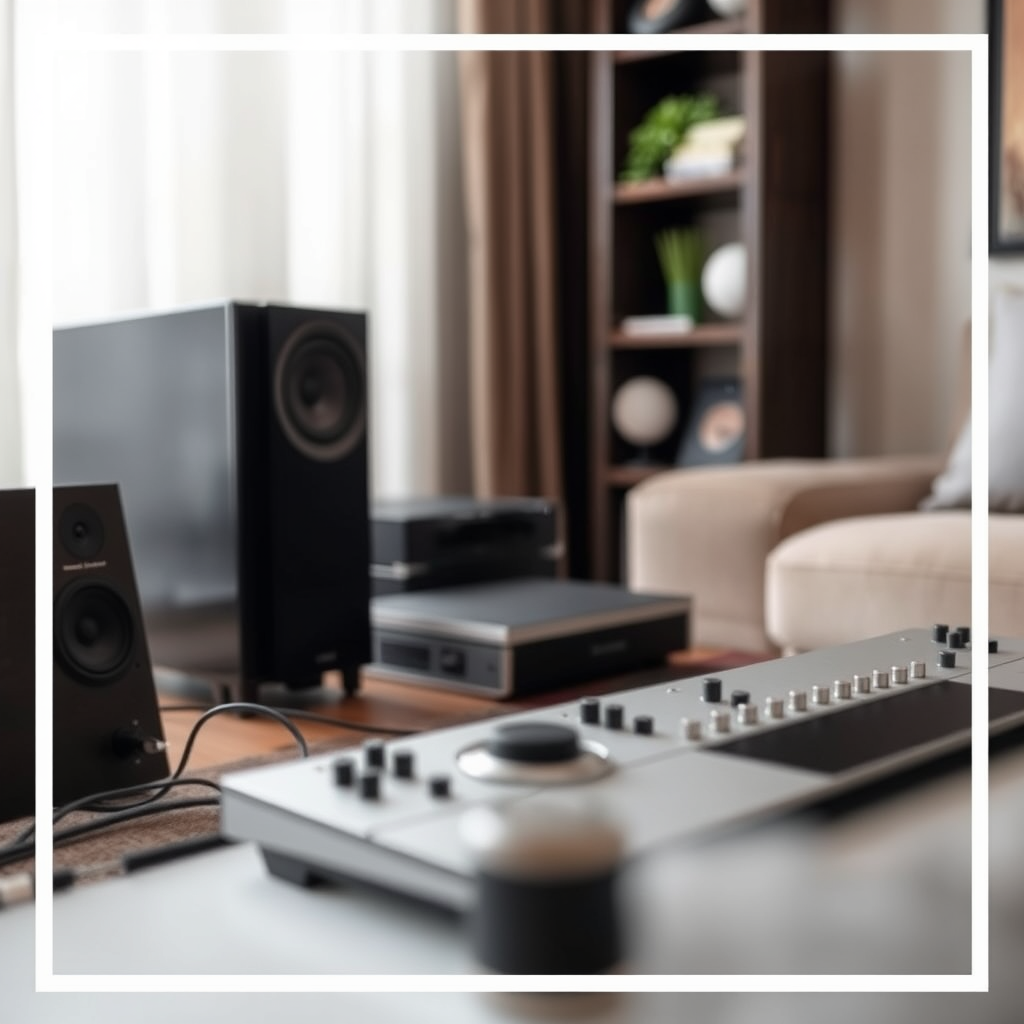
The source components of your audio system are what deliver the music to your speakers, and choosing the right ones is essential for achieving that desired high-fidelity sound.
– Digital Sources: In today’s tech-savvy world, digital sources have become a staple for many audio enthusiasts. High-quality CD players and digital music players can provide excellent playback. Streaming devices, such as those from Sonos or a dedicated DAC (Digital-to-Analog Converter), allow for high-resolution audio streaming from services like Tidal or Qobuz. Invest in a quality streaming device that supports high-definition audio formats to get the most out of your music library.
– Analog Sources: For those who appreciate a vintage touch, analog sources like vinyl turntables can add character to your listening experience. The warmth of vinyl often resonates more with audiophiles than digital formats. If vinyl isn’t your style, consider cassette players for a nostalgic flair. Regardless of your choice, ensure that your analog source is paired with a suitable phono preamp to amplify the signal for your system.
Importance of Quality Cables and Accessories
Often overlooked, the cables and accessories play a significant role in the overall performance of your audio system.
– Speaker Cables: The gauge and material of your speaker cables can greatly impact sound quality. Thicker cables (lower gauge numbers) are better for long distances, as they minimize resistance and signal loss. Copper is the most common material, but consider silver-plated cables for even better conductivity.
– Interconnects: Interconnect cables link your source components to your amplifier and speakers. It’s essential to choose high-quality interconnects that are shielded to reduce interference and noise. Look for cables with solid connectors that fit snugly to avoid any signal loss.
Setting Up Your Audio System
Once you have all your components, the next step is to set them up properly for the best sound.
– Room Acoustics: The layout of your room can drastically affect sound quality. Position your speakers away from walls and corners to avoid bass buildup, which can muddy the sound. An equilateral triangle setup, where the speakers and your listening position form a triangle, is ideal. Experiment with speaker placement to find the sweet spot where the sound is most balanced.
– Isolation and Damping: To enhance sound quality, consider using speaker stands or isolation pads to reduce vibrations. Acoustic panels can also help manage echo and reverberation in your space. These elements can significantly improve clarity and detail in your audio playback.
Fine-Tuning Your System
Once your system is set up, it’s time to refine it for optimal performance.
– Equalization: An equalizer can be a powerful tool for adjusting the frequency balance of your audio, allowing you to tailor the sound to your liking. Each room has unique acoustics, so don’t hesitate to tweak the settings until you find what sounds best to you.
– Listening Tests: Critical listening tests are essential in determining how well your system performs. Play familiar tracks across different genres and take notes on areas that might need improvement. This process will help you make necessary adjustments, whether it’s repositioning your speakers or fine-tuning your equalizer settings.
Maintenance and Upgrades
To keep your Hi-Fi audio system performing at its best, regular maintenance and thoughtful upgrades can go a long way.
– Regular Checks: Every so often, take the time to check connections, clean your components, and assess the overall performance of your system. Loose connections can lead to sound issues, so ensure everything is securely plugged in.
– Future Upgrades: As technology advances and your tastes evolve, consider potential upgrades that could enhance your system. Newer speaker models or a high-quality DAC can provide improvements in sound quality, while upgrading to a better turntable can bring out even more detail in your vinyl records.
Building your own Hi-Fi audio system is both a rewarding and enjoyable process. By carefully selecting and setting up your components, you can create a listening experience that truly resonates with you. Start planning your system today and enjoy the rich, detailed sound that only high-fidelity audio can provide. Whether you’re a casual listener or a serious audiophile, the journey of assembling your audio system is sure to bring you joy for years to come.
Frequently Asked Questions
What components do I need to build a Hi-Fi audio system at home?
To build a Hi-Fi audio system at home, you will need several key components: a high-quality audio source (like a CD player or streaming device), an amplifier to boost the sound signal, and a pair of well-matched speakers to deliver the audio. Additionally, consider incorporating a digital-to-analog converter (DAC) for better sound quality and speaker stands or isolation pads to enhance speaker performance.
How do I choose the right speakers for my Hi-Fi audio system?
Choosing the right speakers for your Hi-Fi audio system involves considering factors such as your room size, listening preferences, and speaker type (bookshelf, floor-standing, or in-wall). It’s essential to listen to different models in person to evaluate sound quality and ensure they match your amplifier’s power output. Pay attention to speaker sensitivity and frequency response to find the best fit for your music genres.
Why is an amplifier important for a Hi-Fi audio system?
An amplifier is crucial for a Hi-Fi audio system because it increases the low-level audio signal from your source components, allowing your speakers to produce sound with clarity and volume. A quality amplifier can enhance the overall audio experience by providing better dynamics, detail, and control over the speakers, ultimately resulting in a richer soundstage for your listening enjoyment.
What is the best way to set up my Hi-Fi audio system for optimal sound quality?
To set up your Hi-Fi audio system for optimal sound quality, start by placing your speakers at an appropriate distance from walls and corners to reduce unwanted reflections. Ensure they are positioned at ear level when seated and angled towards the listening area. Additionally, use quality cables to connect components, and experiment with different placements to find the sweet spot that delivers the best acoustic performance in your room.
Which audio formats should I use to get the best sound quality from my Hi-Fi system?
To achieve the best sound quality from your Hi-Fi audio system, opt for lossless audio formats like FLAC or ALAC, which preserve the original recording quality. Streaming services that offer high-resolution audio options, such as Tidal or Qobuz, can also enhance your listening experience. Avoid compressed formats like MP3 for critical listening sessions, as they can lead to loss of detail and dynamics in the music.
References
- Sound system
- https://www.audioholics.com/how-to-build-a-hifi-audio-system
- https://www.soundguys.com/how-to-build-a-hifi-audio-system-21041/
- https://www.npr.org/sections/health-shots/2020/11/02/930155695/the-science-of-sound-why-audio-quality-matters
- Acoustic & Visual Systems Specialists | AudioEngineering
- https://www.aja.com/technical-resources/articles/how-to-build-a-hifi-audio-system
- https://www.acoustics.org/
- https://www.hifinews.com/
- https://www.researchgate.net/publication/318559115_The_Audio_Quality_Experience_A_Science-Based_Approach_to_High-Fidelity_Audio