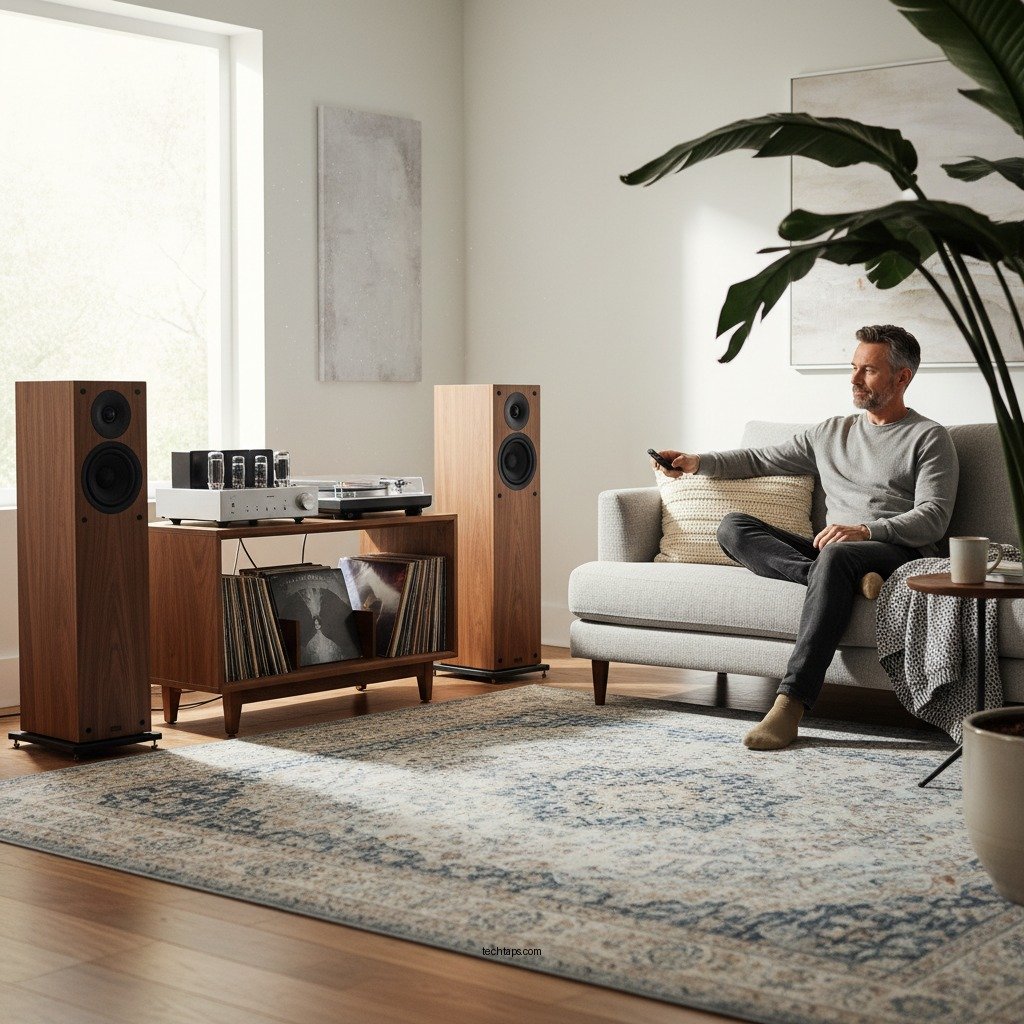

Fine-tuning your home audio system for audiophile-level sound requires a comprehensive understanding of your equipment, the acoustics of your space, and the nuances of sound preferences. By meticulously adjusting components, optimizing room acoustics, and implementing calibration techniques, you can enhance your listening experience to ensure every note and nuance of your music resonates beautifully, just as the artists intended. This guide will provide you with essential techniques to transform your audio setup into an audiophile’s dream.
Understanding Your Audio Components
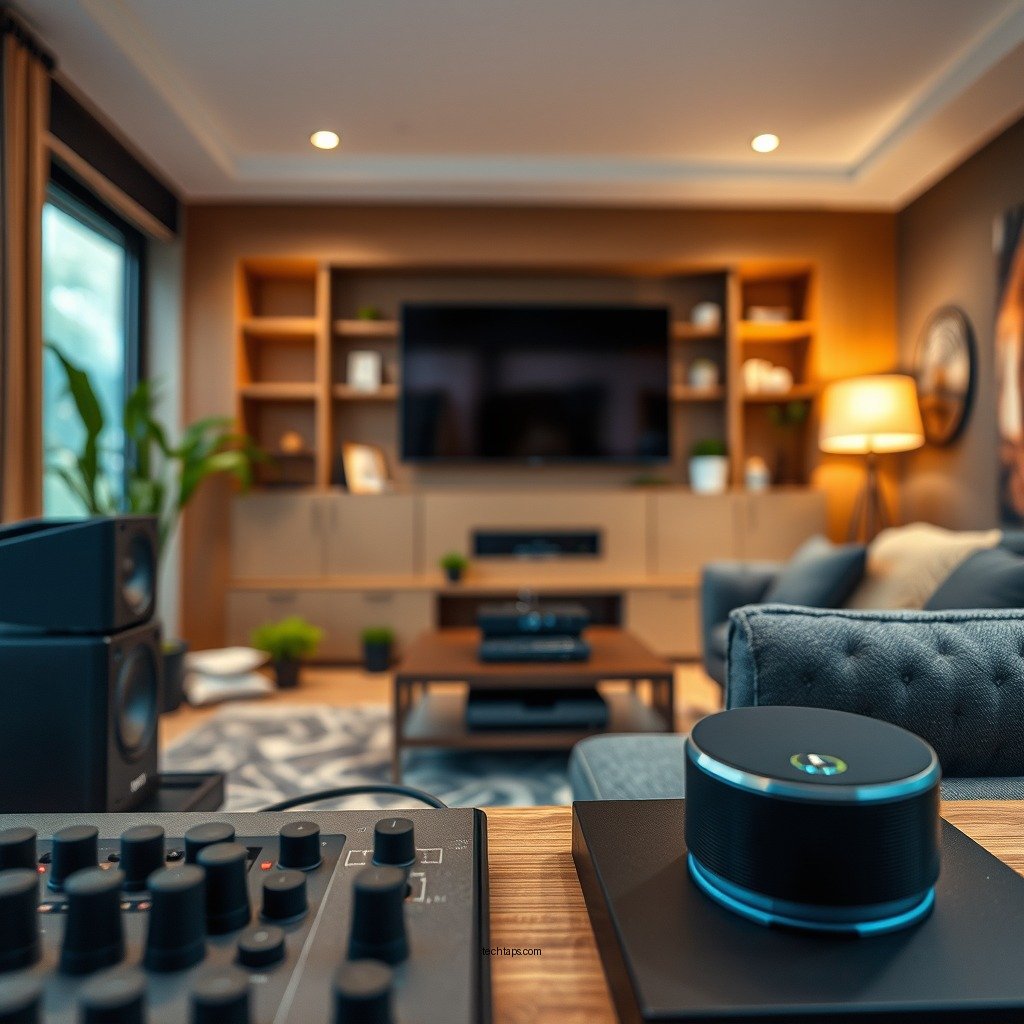
To achieve optimal sound quality, it’s crucial to understand the core components of your audio system: speakers, amplifiers, and source devices. Each of these elements plays a vital role in delivering clear and accurate sound reproduction.
Speakers
Speakers are often the most critical component in any audio system. They convert electrical energy into sound waves and come in various types such as floor-standing, bookshelf, and subwoofers. When selecting speakers, consider their frequency response, sensitivity, and power handling capabilities. The right speakers can dramatically affect the richness and clarity of sound.
Amplifiers
Amplifiers are essential for boosting the audio signal from your source device to your speakers. A quality amplifier can enhance dynamic range and overall sound quality. Ensure that the amplifier matches the power requirements of your speakers for optimal performance. Pay attention to specifications such as total harmonic distortion (THD) and signal-to-noise ratio (SNR), as these factors indicate the amplifier’s ability to deliver high-fidelity sound.
Source Devices
Source devices, including CD players, turntables, streaming devices, and digital audio players, provide the audio signal that your system amplifies. The quality of these devices can significantly influence the sound quality. For instance, high-resolution audio files can offer superior detail compared to standard resolution formats. Ensure that your source device is compatible with your amplifier and speakers for seamless integration.
Assessing compatibility among these components is crucial to guarantee that they work harmoniously together, contributing to an exceptional audio experience.
Room Acoustics and Setup
The acoustics of your room can significantly impact sound quality. Factors such as room dimensions, wall materials, and furnishings all contribute to how sound waves behave in your space.
Analyzing Room Dimensions
Begin by measuring your room’s dimensions. A larger room may require more powerful speakers or additional bass support, while smaller spaces might benefit from more compact speakers that fit snugly without overpowering the acoustics.
Materials and Reflections
Hard surfaces like tile or glass can cause sound reflections, leading to echoes and muddiness in sound. Conversely, soft materials can absorb sound, reducing clarity. Analyzing the materials in your room helps you identify areas where sound may be adversely affected.
Experimenting with Speaker Placement
Speaker placement is vital for achieving an optimal soundstage. Start by positioning your speakers at ear level and at least a few feet apart. A general rule of thumb is to create an equilateral triangle between the speakers and your listening position. Experimenting with angles and distances can dramatically alter the soundstage and overall clarity.
Calibration Techniques
Calibration is essential for achieving a balanced and immersive sound experience. Proper calibration involves measuring sound levels and adjusting frequency responses to suit your preferences.
Measuring Sound Levels
Utilize a sound level meter or a smartphone app to measure sound levels in different areas of the room. This practice helps identify peaks or dips in sound that may require compensatory adjustments.
Adjusting Equalizer Settings
Most audio systems come equipped with equalizers that allow you to tailor the frequency response to your liking. Begin by flattening the EQ settings and gradually adjusting frequencies to match your preferred sound profile. Pay attention to enhancements in bass, mids, and treble, ensuring all frequencies are well-balanced.
Top 7 Factors Influencing Sound Quality in Home Audio Systems
| # | Factor | Impact Level | Adjustability | Recommended Action |
|---|---|---|---|---|
| 1 | Speaker Quality | High | Low | Invest in high-end speakers |
| 2 | Room Acoustics | High | Medium | Use acoustic treatments |
| 3 | Amplifier Quality | High | Low | Upgrade amplifier |
| 4 | Source Quality | Medium | High | Choose high-res audio formats |
| 5 | Cable Quality | Medium | High | Upgrade to high-quality cables |
| 6 | Listening Position | High | Medium | Optimize seating arrangement |
| 7 | Calibration | High | High | Regularly calibrate system |
Cable Quality and Connections
The quality of cables and connections can significantly affect your audio system’s performance.
Investing in High-Quality Cables
Using high-quality speaker cables and interconnects minimizes signal loss and distortion. Look for cables that have good shielding to prevent interference from external sources. While it may be tempting to go for the cheapest option, investing in quality cables can enhance audio fidelity, delivering a clearer sound.
Ensuring Secure Connections
Ensure that all connections are secure and free from corrosion. Loose or oxidized connections can introduce noise and degrade sound quality. Regularly inspect and clean connectors with appropriate solutions to maintain optimal audio integrity.
Utilizing Acoustic Treatments
Implementing acoustic treatments can significantly enhance your listening experience by addressing unwanted sound reflections and resonances.
Adding Acoustic Panels
Acoustic panels help absorb sound waves, reducing echoes and improving clarity. Position these panels on walls at the reflection points of your speakers for maximum effectiveness.
Bass Traps and Diffusers
Bass traps are essential for managing low frequencies that can overwhelm a room, while diffusers scatter sound waves, creating a more balanced acoustic environment. Integrating these elements can transform your listening space into a refined acoustic haven.
Soft Furnishings
Incorporating soft furnishings such as carpets, curtains, and upholstered furniture further aids in sound absorption. These additions can help reduce harsh reflections, contributing to a warmer and more inviting sound profile.
Listening Position Optimization
Finding the right listening position is crucial for experiencing the full impact of your audio setup.
Identifying the Sweet Spot
The sweet spot is the ideal position where sound quality is most balanced and immersive. This is typically located at the intersection of the equilateral triangle formed by your speakers. Spend time testing different locations within the room to find this optimal listening area.
Experimenting with Arrangements
Don’t hesitate to experiment with different seating arrangements and speaker positions. Slight adjustments can lead to significant improvements in sound quality, allowing you to enjoy a more engaging listening experience.
Regular Maintenance and Updates
Maintaining your audio equipment is essential for long-term performance and enjoyment.
Regular Equipment Checks
Regularly inspect and update your audio equipment to keep up with technological advancements. This includes checking firmware updates for digital devices and considering upgrades as new technologies become available.
Periodic Cleanings
Schedule periodic cleanings of equipment and cables to remove dust and debris that can affect sound quality. A clean system not only sounds better but also lasts longer, ensuring you continue to enjoy your audiophile-level sound experience.
By following these steps, you’ll be well on your way to achieving audiophile-level sound in your home audio system. Fine-tuning requires patience and experimentation, but the reward is a listening experience that brings your favorite music to life. Start optimizing your setup today and enjoy the richness of sound in every note.
Frequently Asked Questions
How can I properly set up my speakers for optimal sound quality?
To achieve the best sound quality from your home audio system, ensure your speakers are positioned at ear level and equidistant from your listening position. Ideally, form an equilateral triangle between your speakers and seating area. Additionally, consider room acoustics; using soft furnishings can help absorb excess reflections and enhance clarity.
What are the best audio cables to use for high-fidelity sound?
For audiophile-level sound, invest in high-quality speaker cables and interconnects, such as oxygen-free copper cables or those with gold-plated connectors. Look for cables that minimize interference and ensure a secure connection to your audio components. Remember, the right cable can significantly impact the overall sound clarity and detail of your home audio system.
Why is room acoustics important in fine-tuning my audio system?
Room acoustics play a crucial role in the overall sound quality of your audio system because they affect how sound waves interact within the space. Hard surfaces can create echoes and distortions, while soft materials can absorb sound and provide a more balanced listening experience. By using acoustic treatments, such as bass traps and diffusers, you can refine the acoustics and enhance the fidelity of your audio playback.
Which audio settings should I adjust to improve sound quality?
To optimize sound quality, begin by adjusting the equalizer settings on your audio receiver or streaming device to suit your listening preferences. Focus on balancing bass, midrange, and treble frequencies, and consider using a calibrated microphone to measure the sound in your room. Additionally, ensure that any surround sound settings are configured correctly for stereo or multi-channel audio sources.
What is the best way to break in new audio equipment for improved performance?
Breaking in new audio equipment is essential for achieving the best performance and sound quality. Generally, you can break in speakers and headphones by playing a variety of music at moderate volume levels for 20 to 50 hours. This process allows the components to loosen up, resulting in improved clarity, warmth, and overall sonic performance in your home audio system.
References
- Sound system
https://en.wikipedia.org/wiki/Audio_system - https://www.nature.com/articles/s41598-020-79591-0
https://www.nature.com/articles/s41598-020-79591-0 - https://www.sciencedirect.com/science/article/pii/S2351978919304881
https://www.sciencedirect.com/science/article/pii/S2351978919304881 - https://www.bbc.com/future/article/20200330-how-to-set-up-audio
https://www.bbc.com/future/article/20200330-how-to-set-up-audio - https://www.theguardian.com/music/2021/dec/07/how-to-set-up-your-home-audio-system
https://www.theguardian.com/music/2021/dec/07/how-to-set-up-your-home-audio-system - Google Scholar Google Scholar
https://scholar.google.com/scholar?q=fine-tuning+home+audio+system - Google Scholar Google Scholar
https://scholar.google.com/scholar?q=audiophile+level+sound+system+setup - Google Scholar Google Scholar
https://scholar.google.com/scholar?q=home+audio+system+optimization - Google Scholar Google Scholar
https://scholar.google.com/scholar?q=How+to+Fine-Tune+Your+Home+Audio+System+for+Audiophile-Level+Sound - How to Fine-Tune Your Home Audio System for Audiophile-Level Sound – Search results
https://en.wikipedia.org/wiki/Special:Search?search=How+to+Fine-Tune+Your+Home+Audio+System+for+Audiophile-Level+Sound