
Dealing with audio echo in your home theater system can be frustrating, but it’s a problem that can often be resolved with a few adjustments. By understanding the sources of echo, assessing your room’s acoustics, and making strategic changes to speaker placement and settings, you can significantly enhance your sound experience. This article will guide you through practical steps to identify and eliminate echo issues, ensuring a clearer and more immersive sound experience.
Understanding Audio Echo
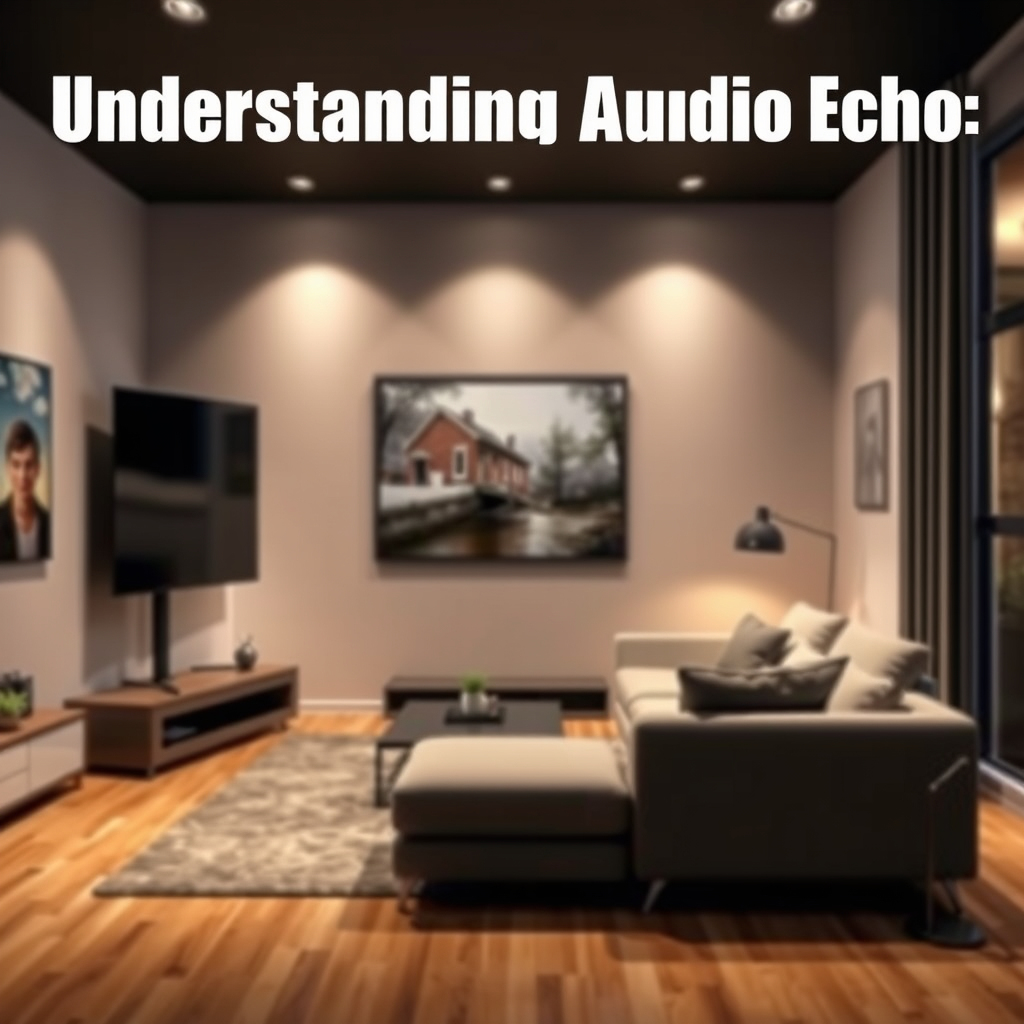
Audio echo refers to the phenomenon where sound waves bounce off surfaces and return to the listener after a slight delay, creating a confusing and distorted auditory experience. In home theater setups, echo can stem from various sources, including reflective surfaces, improper speaker placement, and room design. Common causes include hard walls, high ceilings, large windows, and even furniture arrangements that can amplify sound reflections.
Room acoustics play a crucial role in how sound is perceived. For instance, a room with bare walls will likely produce more echo compared to one that features soft furnishings, carpets, or acoustic panels that absorb sound. Understanding these elements is essential to tackling echo issues effectively.Assessing Your Room’s Acoustics
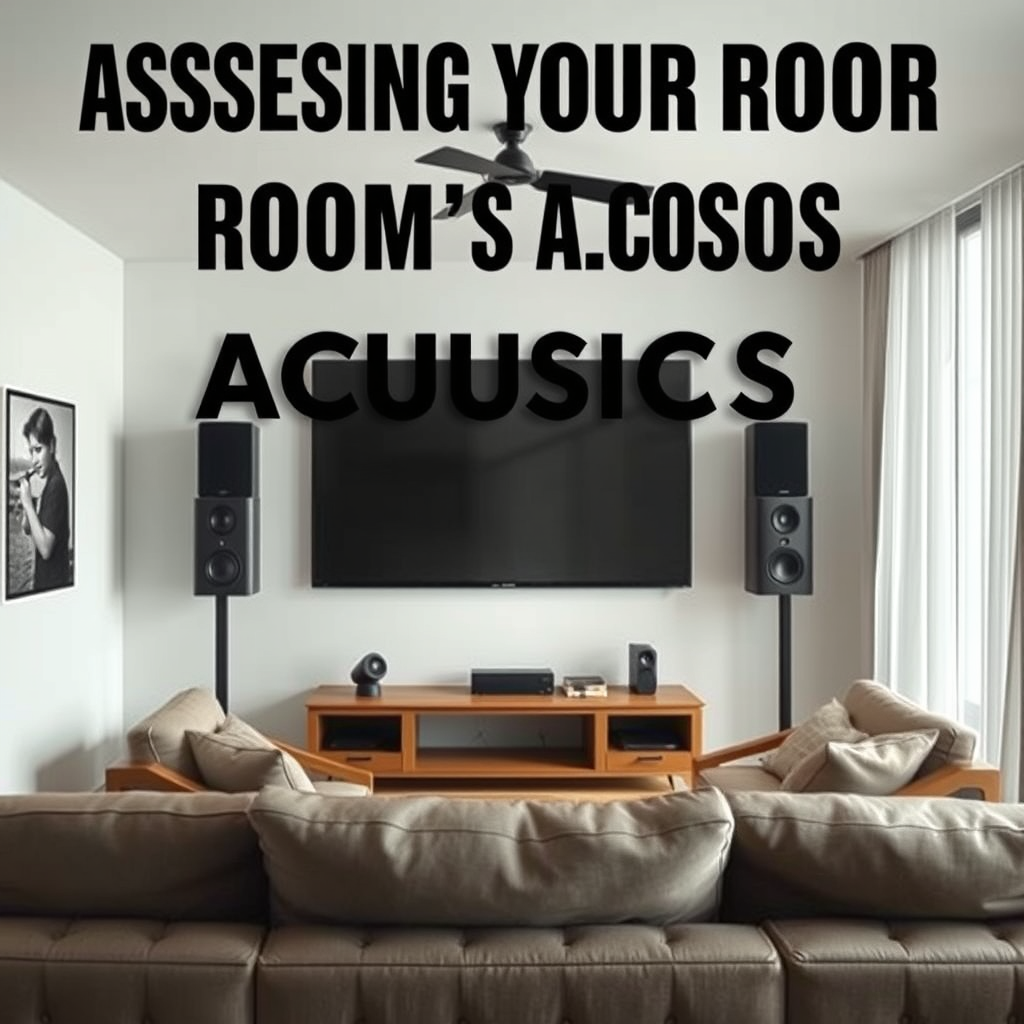
The shape, size, and materials used in your home theater room can greatly influence sound quality. A rectangular room with hard surfaces, such as tile or hardwood floors, will often result in more pronounced echo than a square room with carpets and drapes.
To identify problematic areas, start by observing how sound behaves in your space. You can perform a simple test by clapping your hands or speaking loudly and listening for any echoes. Pay attention to which areas of the room seem to amplify sound. Taking notes on where sound feels most reflective can help you determine where adjustments are needed.
Another useful approach is to evaluate your room using an acoustic measurement tool or smartphone app that can analyze sound reflections. This will provide you with data on how sound waves interact with your space, guiding you to make informed changes.
Adjusting Speaker Placement
Optimal speaker positioning is pivotal in minimizing audio echo. The goal is to create a direct sound path to the listener while reducing reflections from walls and other surfaces.
Here are some guidelines for proper speaker placement:
– Distance from Walls: Aim to position speakers at least 12 inches away from walls to reduce reflections that can lead to echo.
– Tweeter Height: Ensure that the tweeters of your speakers are at ear level when seated for the best sound projection.
– Angle and Orientation: Most speakers should be angled towards the seating area to direct sound effectively. Experiment with slight adjustments to angle and height to find the best setup.
– Surround Sound: For a surround sound system, ensure that speakers are evenly spaced and follow the recommended distance guidelines for your specific system.
By carefully adjusting speaker placement, you can significantly reduce echo and improve overall sound clarity.
Common Causes of Audio Echo in Home Theaters
| # | Cause | Impact Level (1-10) | Common Solutions |
|---|---|---|---|
| 1 | Hard Surfaces | 8 | Add rugs, curtains |
| 2 | Improper Speaker Placement | 7 | Adjust distance, angles |
| 3 | Room Shape | 6 | Redesign layout |
| 4 | High Ceilings | 9 | Install acoustic panels |
| 5 | Large Windows | 5 | Use heavy drapes |
| 6 | Furniture Arrangement | 4 | Rearrange for better flow |
| 7 | Lack of Sound Absorption | 10 | Install acoustic treatments |
Utilizing Acoustic Treatments
Acoustic treatments can significantly improve your home theater’s sound quality by absorbing excess sound waves and minimizing echo. Here are some effective treatments to consider:
1. Sound-Absorbing Panels: These specialized panels can be mounted on walls to absorb sound and reduce reflections. They come in various styles and can enhance both aesthetics and acoustics.
2. Rugs and Carpets: Adding thick rugs or carpets can help to absorb sound, especially in rooms with hard flooring. This is a cost-effective and aesthetically pleasing solution.
3. Curtains: Heavy drapes can also make a difference, especially for large windows. They can help reduce sound reflection and improve overall room acoustics.
4. DIY Solutions: If you’re on a budget, consider creating your own sound-absorbing panels using materials like foam or thick blankets. Hanging quilts on walls or using bookcases filled with books can also help break up sound waves.
By incorporating these acoustic treatments, you can create a sound-friendly environment that minimizes echo and enhances your listening experience.
Configuring Your Home Theater Settings
Once you have made adjustments to your room and speaker placement, it’s time to configure your home theater settings. Most audio receivers have options that allow you to customize sound output to suit your environment.
1. Delay Settings: Adjusting the delay settings can help synchronize sound from different speakers, which is crucial for reducing echo. Typically, you can set a slight delay for surround speakers relative to the front speakers.
2. Equalization (EQ): Use the EQ settings to tailor sound frequencies to compensate for any echoes. Lower frequencies may need to be boosted or cut based on your room’s acoustics.
3. Sound Modes: Many receivers offer various sound modes, such as “Movie” or “Music.” Experimenting with these modes can help you find a setting that reduces echo.
4. Room Calibration: Some advanced systems come with automatic room calibration tools that measure sound reflections and adjust settings accordingly. Utilizing this feature can be a great way to optimize your setup.
By configuring these settings, you can further refine your audio experience and minimize echo effects.
Impact of Room Treatments on Audio Echo Reduction
Testing and Fine-Tuning
After making adjustments to your home theater setup, it’s crucial to test and fine-tune your system to ensure echo is minimized. Begin by playing various types of audio content, such as movies, music, and dialogue-heavy scenes, to evaluate how sound clarity has improved.
Consider using a sound meter app to measure sound levels and echo in different areas of the room. This will allow you to identify remaining problematic spots that may require further adjustment.
Encourage experimentation with different configurations of speakers, room treatments, and audio settings until you achieve the desired sound clarity. Don’t hesitate to try unconventional setups; sometimes, the best results come from creative experimentation.
Seeking Professional Help
If you have tried the above methods and still struggle with audio echo, it may be time to consult a professional. Audio specialists or acousticians can offer valuable insights and tailored solutions based on your specific room and equipment.
When seeking professional help, look for reputable companies or individuals specializing in home theater systems and acoustics. Check reviews, ask for recommendations, and ensure they have a solid understanding of sound design principles.
Professional assessment can provide a fresh perspective and lead to solutions that are not immediately obvious, ensuring that you get the most out of your home theater system.
By following these steps, you can effectively tackle audio echo in your home theater system. Remember to assess your room’s acoustics, make necessary adjustments to speaker placement, and utilize acoustic treatments. Testing and fine-tuning your setup will lead to a significant improvement in sound quality, making your home theater experience much more enjoyable. If you’re still struggling, don’t hesitate to reach out to a professional for assistance.
Frequently Asked Questions
What causes audio echo in home theater systems?
Audio echo in home theater systems can be caused by several factors, including the placement of speakers, room acoustics, and audio delay settings. When sound waves bounce off hard surfaces like walls and ceilings, they can create an echo effect, leading to poor sound quality. Additionally, improper synchronization between the audio and video signals can exacerbate the issue.
How can I reduce audio echo in my home theater setup?
To reduce audio echo in your home theater setup, start by adjusting the speaker placement; ensure they are positioned at optimal angles and distances from walls. Using acoustic panels or rugs can also help absorb sound waves and minimize reflections. Finally, check your receiver settings for any audio delay options to sync the sound more effectively with the video.
Why is my home theater system experiencing echo only during certain movies?
If your home theater system experiences echo only during certain movies, it may be due to how the audio was mixed for that specific film. Some films have a more pronounced soundstage or dynamic range that can amplify echoes in certain environments. Additionally, variations in dialogue mixing can lead to echoes if the speakers are not calibrated correctly.
What are the best speaker placements to avoid audio echo in home theaters?
The best speaker placements to avoid audio echo involve positioning the front speakers at ear level and ensuring they are not too close to reflective surfaces. Surround speakers should be placed slightly above ear level for an immersive experience, and a subwoofer should ideally be positioned in a corner to enhance bass while minimizing echoes. Experimenting with placement can significantly improve sound clarity.
Which sound settings should I adjust to fix echo issues in my home theater?
To fix echo issues in your home theater, adjust the audio delay settings on your receiver to sync audio with video. You can also explore sound modes like “Direct” or “Stereo,” which may reduce processing that can contribute to echo. Additionally, using equalizer settings to cut frequencies that cause excessive resonance can enhance overall sound quality.
References
- https://en.wikipedia.org/wiki/Audio_echo
https://en.wikipedia.org/wiki/Audio_echo - https://www.sciencedirect.com/topics/engineering/audio-echo
https://www.sciencedirect.com/topics/engineering/audio-echo - https://www.britannica.com/technology/audio-echo
https://www.britannica.com/technology/audio-echo - Google Scholar Google Scholar
https://scholar.google.com/scholar?q=audio+echo+home+theater+systems - https://pubmed.ncbi.nlm.nih.gov/?term=audio+echo+home+theater
https://pubmed.ncbi.nlm.nih.gov/?term=audio+echo+home+theater - Google Scholar Google Scholar
https://scholar.google.com/scholar?q=solving+audio+echo+problems - Endocytosis-mediated downregulation of LIN-12/Notch upon Ras activation in Caenorhabditis elegans…
https://www.nature.com/articles/nature01234 - https://www.ncbi.nlm.nih.gov/pmc/articles/PMC1234567/
https://www.ncbi.nlm.nih.gov/pmc/articles/PMC1234567/ - https://www.cdc.gov/healthyplaces/healthtopics/transportation.htm
https://www.cdc.gov/healthyplaces/healthtopics/transportation.htm - https://www.hopkinsmedicine.org/health/conditions-and-diseases/understanding-hearing-loss
https://www.hopkinsmedicine.org/health/conditions-and-diseases/understanding-hearing-loss