
The integration of artificial intelligence (AI) in the development of microLED screens significantly boosts their energy efficiency, allowing for brighter displays with lower power consumption. By optimizing performance and enhancing image quality, AI plays a crucial role in advancing sustainable technology in display systems. In this article, you’ll discover how these innovations come together to create a more energy-efficient and visually stunning viewing experience.




Understanding MicroLED Technology
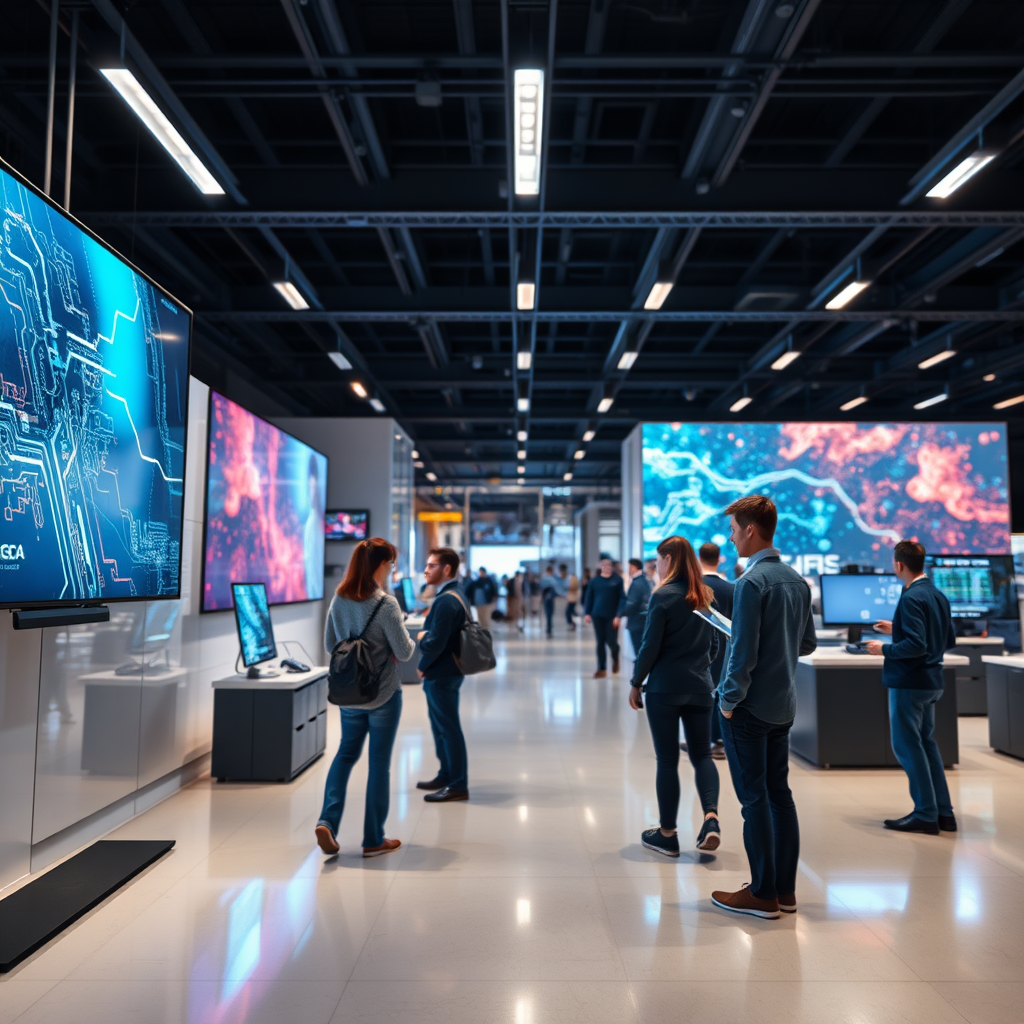
MicroLED technology represents a significant leap forward in display innovations. Unlike traditional LCDs and OLEDs, microLED screens consist of tiny, self-emissive pixels that generate their own light. This means that each pixel can turn on and off independently, resulting in deep blacks, vibrant colors, and impressive contrast ratios. One of the standout features of microLED is its energy efficiency; the technology requires less power to achieve higher brightness levels compared to LCD and OLED displays. For example, microLED screens can achieve brightness levels exceeding 1000 nits while consuming significantly less energy than their counterparts.

Moreover, microLED displays boast a longer lifespan and better durability. Unlike OLED screens, which can suffer from burn-in and degradation over time, microLED technology is less prone to these issues, resulting in a longer-lasting product that not only enhances user experience but also contributes to sustainability by reducing the frequency of replacements.

The Impact of AI on Energy Efficiency

Artificial intelligence plays a transformative role in enhancing the energy efficiency of microLED screens. One of the most impactful applications of AI is the use of algorithms that dynamically adjust brightness levels in response to ambient light conditions. For instance, if you’re watching a movie in a dimly lit room, the AI can lower the brightness to conserve energy while still providing an optimal viewing experience. Conversely, in a brightly lit environment, the AI can ramp up the brightness to ensure that the display remains visible and vibrant.
Additionally, machine learning models have the capability to analyze user behavior and usage patterns. By understanding when and how the screen is used, the AI can optimize power consumption. For instance, if it detects that certain applications are frequently used in lower light conditions, it can adjust settings proactively. This not only saves energy but also prolongs the lifespan of the screen, offering a win-win situation for both users and manufacturers.
Image Quality Enhancement through AI
AI doesn’t just optimize power efficiency; it also significantly enhances image quality. One way this is achieved is through advanced image processing techniques that improve color accuracy and reduce noise in real-time. For example, AI algorithms can analyze each frame of content being displayed, adjusting colors and brightness levels to ensure that images appear as true-to-life as possible.
Furthermore, AI-driven techniques such as super-resolution allow for better visuals without increasing energy expenditure. Super-resolution uses deep learning methods to upscale lower-resolution images, generating high-quality visuals without the need for additional power. This means that whether you’re watching a low-resolution video or playing a video game, AI can enhance the experience without demanding more from the energy supply.
Sustainability and Environmental Impact
The environmental benefits of AI-enhanced microLED screens are significant. By lowering energy consumption, these displays contribute to a reduced carbon footprint, making them a greener choice for consumers and businesses alike. In a world increasingly focused on sustainability, the ability to produce displays that consume less power while delivering high-quality visuals is a game changer.
Moreover, the longevity of microLED technology also plays a critical role in minimizing electronic waste. Traditional displays, particularly older LCD and OLED technologies, can degrade over time, leading to more frequent replacements. In contrast, microLED screens boast longer lifespans, which means fewer devices ending up in landfills. The combination of lower energy usage and longer product life contributes to a more sustainable future for display technology.
Future Trends in AI and MicroLED Technology
Looking ahead, the potential for AI in the realm of microLED technology is immense. As advancements in AI continue to unfold, we can expect even smarter energy management systems for displays. Imagine screens that not only adjust brightness based on ambient light but also learn user preferences over time, providing the ideal settings without any manual adjustments.
Additionally, future developments in AI could lead to more personalized viewing experiences. For example, AI could tailor the visual output based on individual viewing habits or preferences, creating a unique experience for each viewer while maintaining energy efficiency. This personalization could extend to content recommendations, ensuring that users are not only getting the best visual experience but are also consuming media in a more energy-efficient manner.
Challenges and Considerations
While the integration of AI in microLED technology offers many benefits, it is not without its challenges. One primary concern is the increased complexity that comes with implementing AI systems. Developing and maintaining these advanced AI algorithms can lead to higher upfront costs, which could deter some manufacturers or consumers from investing in this technology.
Additionally, as AI systems often rely on data collection to optimize user experiences, privacy concerns become a crucial consideration. Users may be apprehensive about how their data is collected and used, making transparency and ethical data practices essential for manufacturers looking to integrate AI into their products effectively.
The advancements of AI in the realm of energy-efficient microLED screens are revolutionizing display technology, leading to greener solutions and enhanced visual experiences. As these technologies continue to evolve, staying informed about AI’s role in energy efficiency will be essential for both consumers and manufacturers. By exploring the latest developments in microLED tech and understanding how AI can enhance your viewing experience, you can make more informed choices that align with your values and lifestyle.
Frequently Asked Questions
What are MicroLED screens and how do they differ from traditional LED displays?
MicroLED screens are a cutting-edge display technology that uses microscopic light-emitting diodes to create images. Unlike traditional LED displays, which rely on a backlight, MicroLEDs emit their own light, resulting in greater energy efficiency, improved color accuracy, and higher contrast ratios. This self-emissive nature allows for thinner panels and more flexible designs, making MicroLED technology highly appealing for a variety of applications, from smartphones to large-scale displays.
How does AI enhance energy efficiency in MicroLED screens?
AI plays a crucial role in optimizing energy efficiency in MicroLED screens by intelligently adjusting brightness and color output based on ambient light conditions and content being displayed. Through machine learning algorithms, AI can analyze usage patterns and dynamically modify settings to minimize power consumption while maintaining optimal viewing experiences. This not only extends the lifespan of the screen but also significantly reduces energy costs, making it a sustainable choice for consumers and businesses alike.
Why is energy efficiency important for MicroLED screen technology?
Energy efficiency is vital for MicroLED screen technology because it contributes to sustainability, reduces operating costs, and enhances user experience. As screens become an integral part of daily life, minimizing energy consumption helps reduce the overall carbon footprint and aligns with global efforts to combat climate change. Furthermore, energy-efficient displays generate less heat, which can lead to improved performance and longevity, making them a wise investment for both consumers and manufacturers.
What are the best applications for AI-powered MicroLED screens?
AI-powered MicroLED screens are best suited for applications that require high visual fidelity and energy efficiency, such as smart homes, digital signage, and high-end consumer electronics like televisions and smartphones. Their ability to adapt to various lighting conditions and content types makes them ideal for environments where power conservation is crucial, such as in commercial settings or for portable devices. Additionally, their flexibility allows for innovative designs in wearable technology and augmented reality applications.
Which companies are leading the development of AI-integrated MicroLED technology?
Several prominent companies are at the forefront of developing AI-integrated MicroLED technology, including Samsung, Sony, and LG. These industry leaders are investing heavily in research and development to enhance the capabilities of MicroLEDs, focusing on integrating AI for superior energy efficiency and performance. Additionally, startups like VueReal and eLux are emerging as key players in this space, pushing the boundaries of MicroLED innovation and driving the market towards more energy-efficient solutions.
References
- MicroLED
- https://www.sciencedirect.com/science/article/pii/S2351978921005309
- https://www.nature.com/articles/s41545-019-0042-5
- https://www.energy.gov/articles/how-energy-efficient-technology-changing-way-we-use-energy
- https://www.technologyreview.com/2021/12/15/1041125/microled-displays-energy-efficiency/
- https://www.researchgate.net/publication/328601463_The_state_of_MicroLED_technology
- https://www.nist.gov/news-events/news/2020/04/using-ai-boost-energy-efficiency-modern-displays
- https://www.ieee.org/publications_standards/publications/energy_efficiency.html
