
To fix low bass output in your home audio setup, start by checking your speaker placement, ensuring proper subwoofer connections, and adjusting your audio settings. A well-balanced audio setup is essential for an immersive listening experience, and a lack of bass can significantly detract from the sound quality. This article will guide you through these essential steps and more to enhance your bass performance, ensuring you enjoy deep, resonant low frequencies.
Check Speaker Placement
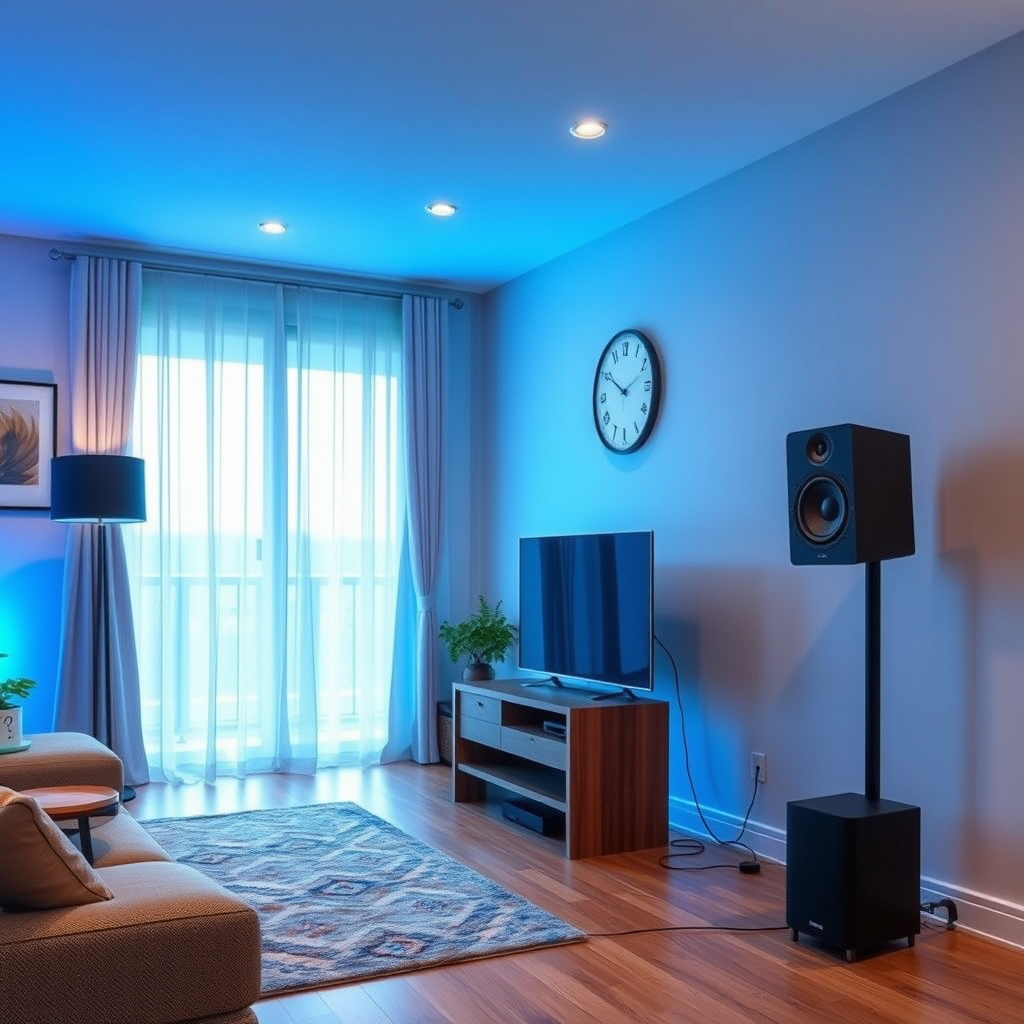
– Position Speakers Away from Walls and Corners: Placing speakers too close to walls or in corners can lead to sound reflections that muddy the audio. Ideally, your speakers should be at least a foot away from walls to allow sound waves to disperse properly. This can help prevent the bass from becoming overly boomy or distorted.
– Optimal Subwoofer Placement: The subwoofer plays a crucial role in delivering low frequencies. While some may think placing it in a corner amplifies bass, it can also cause uneven sound. A better strategy is to experiment with positioning the subwoofer near a front wall or in the middle of the room. This allows for more even bass distribution and can reduce standing wave effects that cause fluctuations in bass levels.
Adjust Audio Settings

To enhance bass performance, your audio settings need to be calibrated correctly. This involves both hardware and software adjustments.
– Increase Bass Levels: Many audio receivers and sound systems come equipped with equalizers that allow you to boost the bass levels. Increase these levels incrementally and test the sound to find a setting that enhances the overall audio experience without overpowering the mid and high frequencies.
– Enable Bass Boost Features: If your sound system has a bass boost feature, enable it. This setting is designed to enhance low frequencies, allowing for a richer sound experience. However, be cautious not to overdo it, as excessive bass can lead to distortion and a lack of clarity in the overall sound.
Inspect Speaker Connections
Ensuring that your speaker connections are secure and in good condition is fundamental for optimal audio performance.
– Verify Cable Connections: Loose or damaged cables can lead to signal loss, significantly affecting sound quality. Check that all cables are firmly connected to both the speakers and the audio source. If you notice frayed or damaged cables, replace them immediately to avoid further issues.
– Use Quality Speaker Wires: The type of speaker wire you use can also impact performance. Invest in high-quality speaker wires, as they minimize resistance and ensure a clearer signal. This, in turn, allows your speakers to reproduce bass frequencies more effectively.
Evaluate Room Acoustics
Room acoustics play a significant role in how sound is perceived, particularly bass frequencies.
– Dampen Sound Reflections: Adding rugs, curtains, or acoustic panels can help absorb sound reflections and improve bass response. Hard surfaces like tile or hardwood can create undesirable echoes, while soft furnishings can help mitigate this effect.
– Consider Room Shape and Size: The dimensions and layout of your room can dramatically influence bass output. For instance, a smaller, square room may produce excessive bass due to sound waves bouncing off walls. Conversely, a larger room may require additional bass reinforcement. Always consider your room’s acoustics when setting up your audio system.
Top 7 Subwoofer Brands for Home Audio (2024)
| # | Brand | Power (W) | Frequency Range (Hz) | Price ($) |
|---|---|---|---|---|
| 1 | SVS | 1000 | 16-260 | $699 |
| 2 | Klipsch | 300 | 24-120 | $499 |
| 3 | BIC America | 150 | 30-150 | $299 |
| 4 | Polk Audio | 200 | 30-200 | $349 |
| 5 | Yamaha | 400 | 28-200 | $499 |
| 6 | JBL | 250 | 25-150 | $399 |
| 7 | Sonos | 200 | 35-150 | $699 |
Upgrade Equipment
If you have optimized your setup and still find the bass output lacking, it may be time to consider upgrading your equipment.
– Invest in a Dedicated Subwoofer: A dedicated subwoofer can significantly enhance bass performance. Look for models that are specifically designed for home theater use, as they are engineered to deliver deep, resonant bass that can fill a room.
– Quality Audio Receivers or Amplifiers: Upgrading to a higher quality audio receiver or amplifier can provide better bass management and overall sound quality. Look for devices that support advanced audio codecs and have robust equalization options to fine-tune your audio experience.
Utilize Bass Management Features
Modern audio systems often come equipped with advanced bass management features that can optimize your low-frequency output.
– Explore AV Receiver Settings: Take the time to dive into your audio receiver’s settings. Look for options related to bass management, including crossover settings that determine how low frequencies are shared between your subwoofer and speakers.
– Set the Crossover Frequency: Setting the right crossover frequency is crucial for ensuring a smooth transition between your speakers and subwoofer. A lower crossover frequency typically allows your subwoofer to handle more of the low-end frequencies, enhancing overall bass performance.
Bass Management Features in Popular AV Receivers (2024)
Experiment and Fine-Tune
Finally, don’t underestimate the importance of experimentation in achieving the best sound.
– Test Different Settings and Placements: The ideal configuration for one person may not work for another. Spend time testing different speaker and subwoofer placements, as well as adjusting various settings, to find what sounds best in your specific environment.
– Use Bass Test Tracks: Utilizing bass test tracks can help you identify specific areas that need improvement. These tracks are designed to highlight low frequencies and can guide you in making the necessary adjustments to optimize performance.
By following these steps and considering your audio setup’s specific needs, you can effectively enhance the bass output in your home audio system. Remember that sound quality can be subjective, so take the time to experiment with different configurations and settings until you find the perfect balance for your listening preference. Whether you’re enjoying music, movies, or gaming, a well-tuned audio setup can elevate your entire experience.
Frequently Asked Questions
What are the common causes of low bass output in a home audio setup?
Low bass output in a home audio setup can stem from several factors, including improper speaker placement, inadequate room acoustics, and insufficient power from the amplifier. Additionally, settings on your audio receiver or equalizer may not be optimized for bass response, leading to a lack of low-frequency sound. Checking these elements can help identify the root cause of your bass issues.
How can I improve the bass response of my home audio system?
To improve bass response, start by adjusting the placement of your speakers and subwoofer, ideally positioning them in corners to enhance low-frequency output. You can also use an equalizer to boost the lower frequencies, ensuring that your audio settings are properly calibrated. Finally, consider adding bass traps or acoustic panels to your room to enhance sound quality.
Why is my subwoofer not producing enough bass?
If your subwoofer is not producing enough bass, it may be due to incorrect settings, such as a low crossover frequency or volume level. Additionally, the subwoofer’s placement and the room’s acoustics can significantly impact performance; ensure it’s positioned optimally for the best sound. Checking the connections and ensuring your audio source is providing a strong signal can also help remedy this issue.
What is the best way to adjust my audio receiver settings for better bass?
To adjust your audio receiver settings for better bass, access the bass management settings and set the crossover frequency to an appropriate level, usually around 80Hz. Increase the subwoofer volume or gain, and make sure the receiver is configured to send the correct audio signal to the subwoofer. Additionally, utilizing any built-in room calibration features can enhance overall bass performance.
Which room acoustics treatments are most effective for enhancing bass output?
Effective room acoustics treatments for enhancing bass output include installing bass traps in the corners of the room, where low frequencies tend to build up. Using acoustic panels on the walls can also help absorb excess sound reflections, improving clarity and bass response. Additionally, rugs and heavy curtains can dampen sound waves and contribute to a more balanced audio experience.
References
- Sound system
https://en.wikipedia.org/wiki/Sound_system - https://www.ncbi.nlm.nih.gov/pmc/articles/PMC4019616/
https://www.ncbi.nlm.nih.gov/pmc/articles/PMC4019616/ - https://www.bbc.com/future/article/20200728-how-to-make-your-home-theatre-sound-better
https://www.bbc.com/future/article/20200728-how-to-make-your-home-theatre-sound-better - https://www.sciencedirect.com/topics/engineering/audio-signal-processing
https://www.sciencedirect.com/topics/engineering/audio-signal-processing - https://www.ata.org/education/low-frequency-bass-reduction-in-audio-systems
https://www.ata.org/education/low-frequency-bass-reduction-in-audio-systems - https://www.theguardian.com/technology/2017/jul/27/how-to-get-the-best-sound-from-your-home-audio-system
https://www.theguardian.com/technology/2017/jul/27/how-to-get-the-best-sound-from-your-home-audio-system - https://www.nature.com/articles/s41598-019-54625-5
https://www.nature.com/articles/s41598-019-54625-5 - Google Scholar Google Scholar
https://scholar.google.com/scholar?q=Fix+Low+Bass+Output+Home+Audio+Setup - Google Scholar Google Scholar
https://scholar.google.com/scholar?q=Improving+Bass+Response+in+Audio+Systems - Google Scholar Google Scholar
https://scholar.google.com/scholar?q=Home+Theater+Bass+Optimization