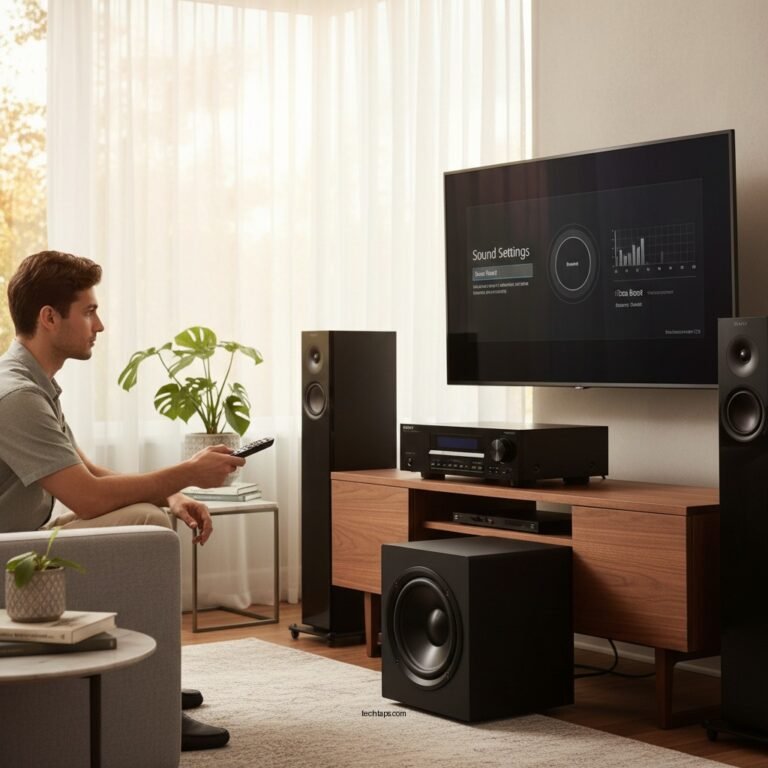

Improving dialogue clarity in home theater systems can significantly enhance your viewing experience, allowing you to catch every word and nuance. Key adjustments, such as optimizing speaker placement, tweaking sound settings, and utilizing soundbars or subwoofers, can make a substantial difference. In this article, we’ll explore effective strategies to ensure you never miss a line again.
Optimize Speaker Placement
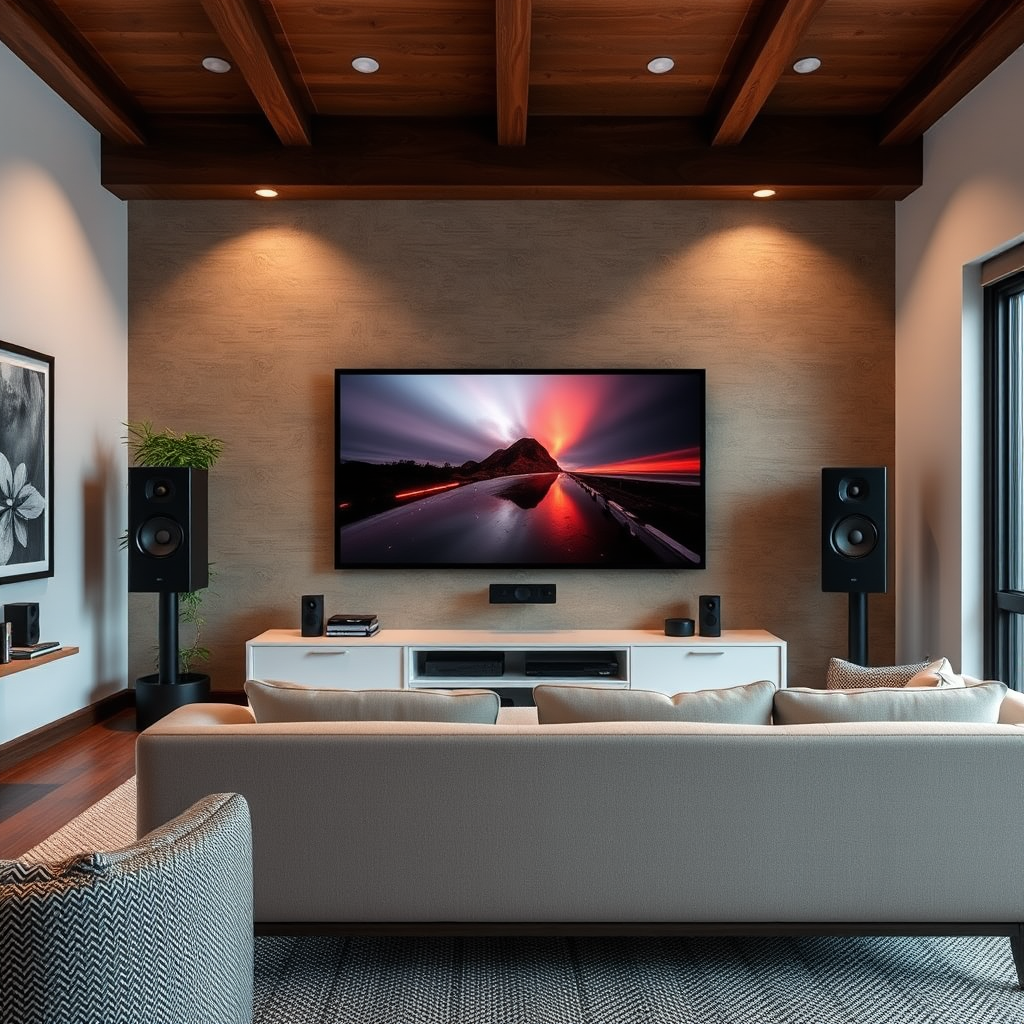
The placement of speakers is crucial for achieving optimal sound clarity in a home theater setting. To begin with, ensure that the speakers are positioned at ear level. This positioning allows sound waves to reach the listener directly and reduces the chances of distortion or muddiness. The center channel speaker, which is primarily responsible for delivering dialogue, should be placed directly in front of the viewer, ideally just below or above the screen. This alignment ensures that the dialogue sounds as though it is coming from the characters on screen rather than the speakers themselves.
In addition to height, consider the distance between the speakers and the viewing area. Speakers that are too far away can result in a loss of clarity, particularly for dialogue. Ideally, the distance should be calculated based on the size of the room and the type of speaker used. Experimenting with angles can also yield better results; slightly angling speakers towards the listening position can enhance the soundstage and make dialogue more prominent.
Adjust Sound Settings
Most modern home theater systems feature a variety of sound settings that can be adjusted to enhance dialogue clarity. One of the most effective adjustments is to utilize the equalizer settings to boost mid-range frequencies, where human voices typically reside. By increasing the mid-range levels, dialogue can be made clearer, cutting through background noise and enhancing overall comprehension.
Many sound systems come equipped with a dialogue enhancement feature, which automatically adjusts the balance of sound to make spoken words more intelligible. This feature works by lowering the volume of background sounds while amplifying dialogue, providing a more immersive viewing experience. It’s advisable to experiment with these settings, as every room and system configuration can yield different results.
Use a Quality Soundbar
Investing in a high-quality soundbar can be an excellent solution for improving dialogue clarity without the need for a full surround sound setup. Many soundbars now come equipped with dialogue enhancement technology, which serves to isolate and amplify vocal frequencies. When selecting a soundbar, look for models that include a dedicated center channel, which is specifically designed for focused sound delivery of dialogue.
Additionally, consider soundbars with features like DTS Virtual:X or Dolby Atmos, which enhance the surround sound experience. These technologies can create a more expansive soundstage, making it easier to hear dialogue amidst action sequences or background noise. A soundbar not only simplifies installation but also reduces the number of components needed, leading to a cleaner and more efficient setup.
Incorporate Subwoofers Wisely
While subwoofers are primarily known for delivering deep bass, they can also play a crucial role in dialogue clarity when used correctly. The key is to set the subwoofer to avoid overpowering dialogue. This can be achieved by adjusting the volume level and crossover frequency. The crossover frequency determines which audio frequencies are sent to the subwoofer; setting this appropriately ensures that dialogue frequencies remain clear and present.
It is important to find a balance where the subwoofer enhances the overall sound without drowning out the dialogue. Many systems allow for custom settings that can be adjusted based on personal preference and the specific acoustics of the room. Regularly testing and fine-tuning these settings can lead to significant improvements in clarity.
Explore Room Acoustics
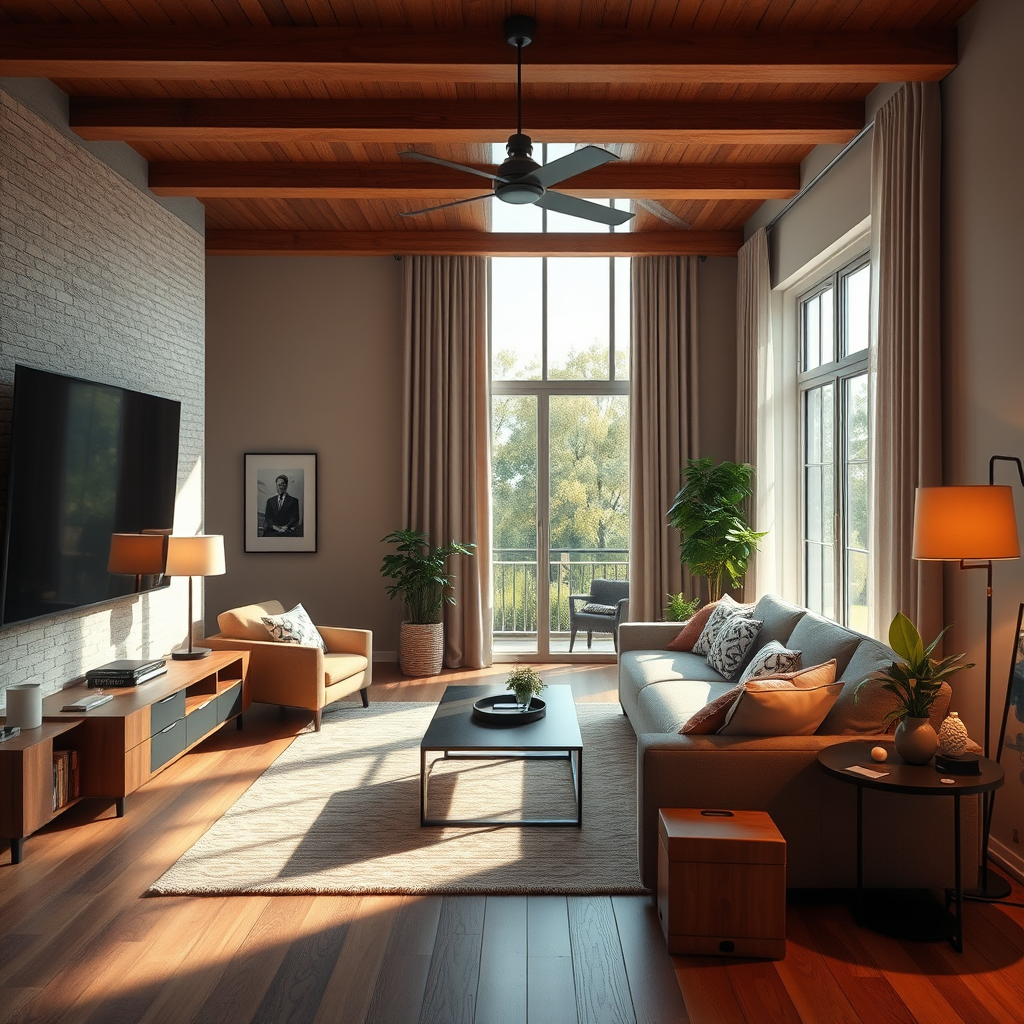
Room acoustics can greatly impact the clarity of dialogue in home theater systems. Hard surfaces, such as bare walls and floors, can create echoes that muddle sound. To minimize this effect, consider adding soft furnishings like rugs, curtains, and upholstered furniture, which help absorb sound and reduce reflections.
In addition, acoustic panels can be strategically placed on walls to further improve sound quality. These panels are designed to absorb sound waves and reduce echo, providing a clearer audio experience. Rearranging furniture to avoid sound reflections can also be beneficial; for instance, placing a couch against a wall can help prevent sound from bouncing off hard surfaces.
Choose the Right Content Settings
Many modern sound systems come equipped with specific settings designed to enhance dialogue clarity during various viewing conditions. Utilizing ‘night mode’ or similar settings can be advantageous, as these features often boost dialogue levels while lowering the volume of background noise and sound effects. This can be particularly useful during late-night viewing when loud noises may disturb others in the household.
For instances where dialogue clarity remains an issue, engaging subtitles can serve as a temporary solution. While not ideal for every viewer, subtitles can help ensure that no vital dialogue is missed, enhancing the overall viewing experience.
Regular System Maintenance
Regular maintenance of your home theater system is essential to ensure optimal performance over time. Check and update firmware for your sound systems and receivers regularly, as manufacturers often release updates that can improve sound quality and fix bugs.
Cleaning speakers and connections is also important; dust and debris can affect sound quality and cause degradation over time. A quick wipe down of speakers and checking connections can help maintain clarity and performance. Additionally, ensure that all cables are secure and free from damage, as poor connections can lead to audio dropouts and diminished sound quality.
Top 7 Sound Systems for Dialogue Clarity (2024)
| # | Sound System | Dialogue Clarity Rating | Features | Price |
|---|---|---|---|---|
| 1 | Sonos Arc | ★★★★★ | Dolby Atmos, Voice Enhancement | $799 |
| 2 | Bose Soundbar 700 | ★★★★★ | Alexa Built-in, ADAPTiQ Audio | $799 |
| 3 | Yamaha YAS-209 | ★★★★☆ | DTS Virtual:X, Built-in Alexa | $349 |
| 4 | LG SN11RG | ★★★★☆ | Dolby Atmos, Meridian Technology | $1,299 |
| 5 | Samsung HW-Q950A | ★★★★★ | Dolby Atmos, 11.1.4 Channel | $1,399 |
| 6 | Vizio Elevate | ★★★★☆ | Surround Sound, Dolby Atmos | $799 |
| 7 | Klipsch R-41SA | ★★★★☆ | Dolby Atmos, Up-firing Speakers | $499 |
Dialogue Clarity Enhancements by System (2024)
Improving dialogue clarity in your home theater system involves a combination of thoughtful adjustments and equipment choices. By applying these strategies, you can transform your audio experience and make every word crystal clear. Don’t hesitate to implement these tips, and consider seeking further expert advice if needed to perfect your setup. A well-configured home theater can bring the cinematic experience directly into your living room, enhancing both enjoyment and comprehension.
Frequently Asked Questions
What are the common reasons for unclear dialogue in home theater systems?
Unclear dialogue in home theater systems can be caused by several factors, including poor speaker placement, suboptimal audio settings, and room acoustics. Additionally, low-quality soundbars or speakers and the mixing of background sounds can overshadow dialogue clarity. To improve your experience, it’s essential to assess these elements and make necessary adjustments.
How can I adjust my home theater system settings to enhance dialogue clarity?
To enhance dialogue clarity, start by adjusting the equalizer settings on your home theater system. Increase the midrange frequencies where dialogue typically resides, and consider enabling dialogue enhancement features if available. Additionally, lowering the bass levels can help reduce interference from background sounds, allowing speech to stand out.
Why is speaker placement important for clear dialogue in a home theater setup?
Speaker placement is crucial for clear dialogue because the positioning affects sound direction and interaction with room acoustics. Ideally, front speakers should be at ear level and directed toward the listening area to ensure optimal sound delivery. Poor placement can lead to sound reflections and distortion, making dialogue harder to understand.
What are the best types of speakers for improving dialogue clarity in home theaters?
The best types of speakers for improving dialogue clarity are dedicated center channel speakers, as they are specifically designed to reproduce dialogue frequencies. Additionally, consider investing in high-quality bookshelf or floor-standing speakers that provide clear mids and highs. Avoid low-quality soundbars that may lack the necessary audio fidelity for clear speech.
Which room treatments can I use to enhance dialogue clarity in my home theater?
To enhance dialogue clarity, consider using acoustic panels, area rugs, and curtains to minimize sound reflections and absorb excess noise. Strategically placing these treatments can help balance the acoustic environment, making dialogue more intelligible. Additionally, ensuring that the room is not cluttered can further improve sound quality by reducing interference.
References
- Home cinema
https://en.wikipedia.org/wiki/Home_theater - https://www.ncbi.nlm.nih.gov/pmc/articles/PMC5548962/
https://www.ncbi.nlm.nih.gov/pmc/articles/PMC5548962/ - https://www.sciencedirect.com/topics/engineering/home-theater
https://www.sciencedirect.com/topics/engineering/home-theater - https://www.bbc.com/news/technology-47573190
https://www.bbc.com/news/technology-47573190 - https://www.theguardian.com/technology/2020/mar/19/home-theatre-systems-sound-quality
https://www.theguardian.com/technology/2020/mar/19/home-theatre-systems-sound-quality - https://pubmed.ncbi.nlm.nih.gov/31330245/
https://pubmed.ncbi.nlm.nih.gov/31330245/ - https://www.nature.com/articles/s41598-018-37583-4
https://www.nature.com/articles/s41598-018-37583-4 - Google Scholar Google Scholar
https://scholar.google.com/scholar?q=Improve+Dialogue+Clarity+in+Home+Theater+Systems - Google Scholar Google Scholar
https://scholar.google.com/scholar?q=Home+Theater+Audio+Clarity - Google Scholar Google Scholar
https://scholar.google.com/scholar?q=Enhancing+Dialogue+In+Home+Theater+Systems