

Effective sound system optimization in your office can significantly boost productivity, creating an environment that fosters focus and collaboration. By strategically evaluating and enhancing your sound system, you can reduce distractions and improve communication among team members. This article will guide you through key strategies to enhance your office sound system, ensuring it meets the needs of your team while minimizing distractions.
Assess Your Current Sound System
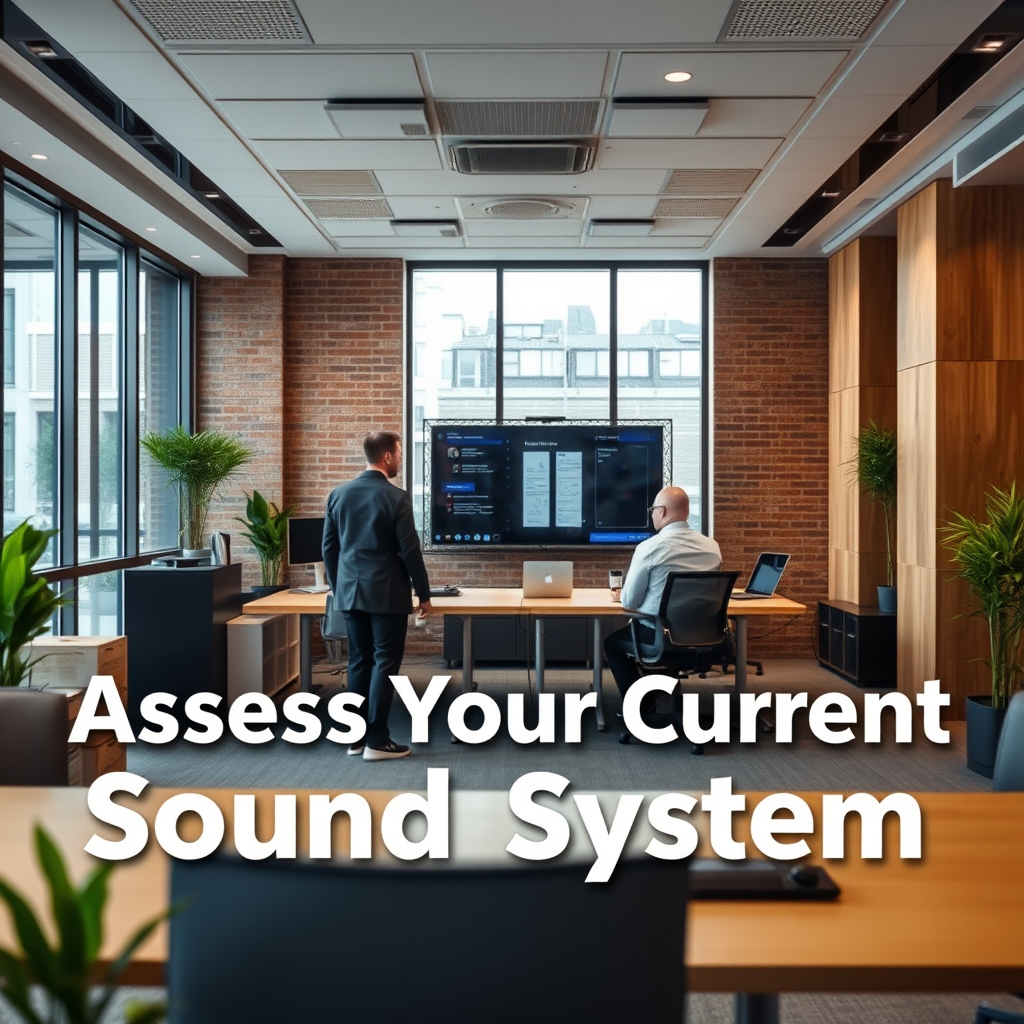
The first step in optimizing your office sound system is conducting a thorough assessment of your current setup. This evaluation involves examining the existing audio equipment, including speakers, microphones, and any other relevant components. Pay close attention to how these devices perform in various office areas—do they produce clear sound, and are the volume levels appropriate for different spaces?
Common issues may include inadequate sound clarity, where voices sound muffled or distorted, or imbalanced volume levels that may lead to frustration during meetings. Furthermore, consider the placement of speakers and microphones; improper positioning could result in dead spots where sound does not reach effectively. By identifying these issues, you can lay the groundwork for a more effective sound system tailored to your office needs.
Choose the Right Equipment

Once you have assessed your current sound system, it is essential to invest in high-quality equipment that meets the specific requirements of your office environment. Choosing the right speakers and microphones is crucial, especially as the size and layout of your office can greatly influence sound distribution. For larger spaces, consider floor-standing speakers with a wider soundstage, while smaller offices may benefit from compact, high-fidelity models.
Additionally, wireless options offer flexibility and ease of use, particularly during meetings or presentations. Wireless microphones can eliminate the clutter of cords, allowing for free movement and engagement. Moreover, look for equipment with advanced features, such as noise cancellation and echo reduction, to ensure optimal audio quality during conversations and collaborative efforts. Investing in the right equipment can dramatically enhance communication and productivity within your office.
Optimize Acoustics in the Workspace
Creating an acoustically pleasant workspace is critical for maintaining focus and collaboration. Sound-absorbing materials play a pivotal role in reducing echo and minimizing disruptive noise. Implementing carpets, curtains, and wall panels can significantly improve the acoustics of your office, effectively softening hard surfaces that reflect sound.
Furthermore, strategic furniture arrangement can foster comfortable sound zones tailored for collaboration or quiet work. For example, placing soft furnishings in meeting areas can absorb sound, while creating designated quiet zones with minimal furniture can help employees concentrate. By thoughtfully designing your workspace with acoustics in mind, you can create a more conducive environment for productivity.
Top 7 Acoustic Treatments for Offices (2024)
| # | Treatment Type | Effectiveness (%) | Cost ($) | Installation Ease |
|---|---|---|---|---|
| 1 | Acoustic Panels | 85% | 150 | Moderate |
| 2 | Soundproof Curtains | 75% | 100 | Easy |
| 3 | Carpets | 70% | 200 | Moderate |
| 4 | Acoustic Ceiling Tiles | 80% | 250 | Difficult |
| 5 | Bookshelves | 60% | 300 | Moderate |
| 6 | Soundproof Glass | 90% | 400 | Difficult |
| 7 | Acoustic Baffles | 85% | 150 | Moderate |
Implement Sound Management Software
In addition to optimizing physical acoustics, implementing sound management software can take your office sound system to the next level. Such software allows for precise sound level control and the creation of presets tailored to various office activities, such as meetings, collaborative sessions, or quiet work.
For instance, during meetings, the software can adjust the sound to ensure clarity, while during open work hours, it can play background music or white noise to minimize distractions. Many sound management solutions also offer features like audio analytics, which can help identify peak noise times and allow for adjustments to be made accordingly. By utilizing these tools, you can create a dynamic sound environment that adapts to the needs of your team.
Train Employees on Sound Etiquette
Even the best sound systems can be compromised by poor sound etiquette. It is essential to educate your team on the importance of maintaining appropriate volume levels during conversations and meetings. Establishing guidelines for sound etiquette can create a more harmonious work environment where everyone is mindful of the auditory landscape.
Encourage employees to use headphones for personal audio, which can prevent sound pollution in open spaces. Additionally, providing training sessions on effective communication techniques, such as using clear and concise language during discussions, can further enhance the overall auditory experience in the office. By promoting awareness and responsibility regarding sound, you can empower employees to contribute positively to the office atmosphere.
Regularly Review and Adjust Settings
The optimization process is not a one-time effort; it requires ongoing evaluation and adjustments. Schedule periodic assessments of the sound system’s effectiveness, and gather feedback from employees regarding their experiences with the audio setup. This feedback can provide invaluable insights into necessary changes or upgrades.
Be open to making modifications based on evolving needs, technological advancements, or changes in office layout. Regular reviews can help ensure your sound system continues to meet the dynamic demands of your team and remains a valuable asset for productivity.
Office Sound System Features Comparison (2024)
Foster a Culture of Sound Awareness
Creating a culture of sound awareness in your office is vital for maintaining an optimal auditory environment. Encourage open discussions about sound preferences and productivity among your team, allowing employees to voice their concerns and suggestions regarding the sound system. This dialogue can lead to valuable insights and foster a sense of ownership over the office environment.
Additionally, consider implementing a feedback system where employees can share their experiences with the sound setup. This feedback loop can guide further enhancements and reinforce the importance of sound management in relation to productivity. By fostering a culture of sound awareness, you can cultivate an atmosphere that values both individual needs and collective collaboration.
By taking these steps to optimize your office sound system, you can create a more productive and harmonious work environment. Regularly reassess your setup and remain open to employee feedback to ensure your sound system continues to meet the needs of your team. Start implementing these strategies today for a more focused workplace!
Frequently Asked Questions
What are the key components needed to optimize an office sound system for productivity?
To optimize an office sound system for productivity, key components include high-quality speakers, a reliable audio source, and an effective sound mixer. Additionally, consider incorporating noise-canceling microphones for clear communication and acoustic panels to reduce sound reflection and echo, creating a more comfortable auditory environment.
How can background music enhance productivity in an office setting?
Background music can enhance productivity by creating a pleasant atmosphere that reduces stress and distractions. Research shows that certain types of music, especially instrumental or ambient tracks, can improve focus and creativity, leading to increased efficiency and a more enjoyable work experience for employees.
Why is sound quality important for an office sound system?
Sound quality is crucial for an office sound system because poor audio can lead to miscommunication, employee frustration, and reduced productivity. Clear and high-quality sound ensures that announcements, presentations, and background music are easily understood, fostering a more engaging and effective work environment.
What is the best way to arrange speakers for optimal sound distribution in an office?
The best way to arrange speakers for optimal sound distribution is to place them at ear level and evenly distribute them throughout the workspace. Consider using a triangular configuration with speakers positioned at corners or walls to minimize sound distortion and ensure that all areas of the office receive balanced audio coverage.
Which factors should be considered when choosing a sound system for a large office space?
When choosing a sound system for a large office space, consider factors such as the size of the area, the number of employees, and the type of activities conducted. Additionally, evaluate the system’s scalability, ease of installation, and features like wireless connectivity and integration with existing technology to ensure it meets the unique needs of your office environment.
References
- https://www.ncbi.nlm.nih.gov/pmc/articles/PMC5402820/
https://www.ncbi.nlm.nih.gov/pmc/articles/PMC5402820/ - https://www.sciencedirect.com/science/article/abs/pii/S036013231630147X
https://www.sciencedirect.com/science/article/abs/pii/S036013231630147X - https://www.who.int/publications/i/item/9789241515249
https://www.who.int/publications/i/item/9789241515249 - https://www.cdc.gov/niosh/docs/2019-136/default.html
https://www.cdc.gov/niosh/docs/2019-136/default.html - https://www.nature.com/articles/s41598-021-93529-9
https://www.nature.com/articles/s41598-021-93529-9 - https://www.bbc.com/worklife/article/20220420-how-the-sound-of-your-office-affects-productivity
https://www.bbc.com/worklife/article/20220420-how-the-sound-of-your-office-affects-productivity - https://www.theguardian.com/sustainable-business/2017/jun/19/how-to-create-the-perfect-office-environment-for-productivity
https://www.theguardian.com/sustainable-business/2017/jun/19/how-to-create-the-perfect-office-environment-for-productivity - Google Scholar Google Scholar
https://scholar.google.com/scholar?q=How+to+Optimize+an+Office+Sound+System+for+Productivity - Google Scholar Google Scholar
https://scholar.google.com/scholar?q=office+acoustics+productivity - Google Scholar Google Scholar
https://scholar.google.com/scholar?q=sound+environment+workplace+efficiency