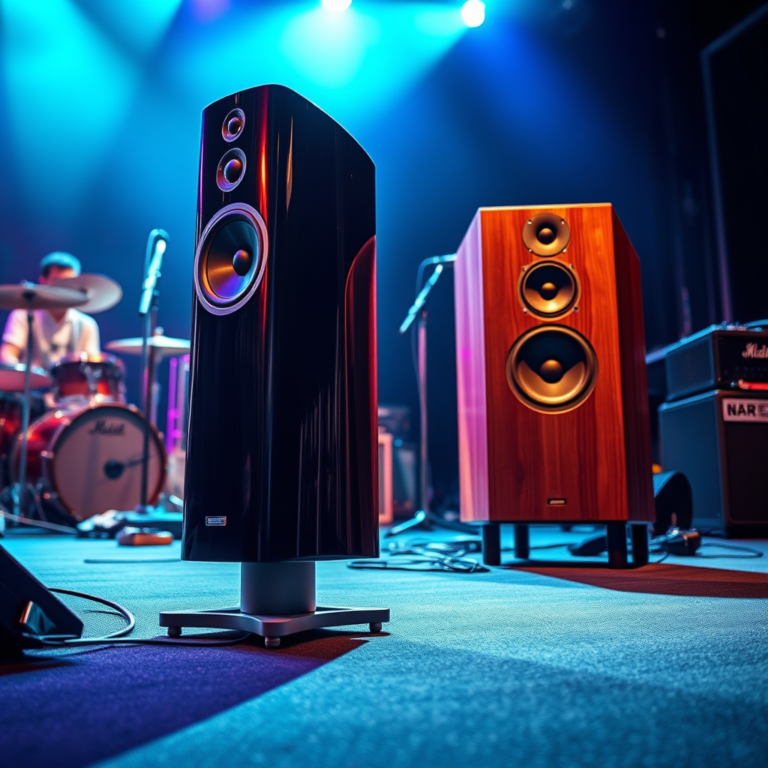

Burning in your new speakers is essential to achieve optimal sound quality and performance. This process helps the internal components of your speakers settle in, allowing them to perform at their best. Properly burning in your speakers can lead to richer sound, improved clarity, and a more enjoyable listening experience. In this article, you’ll learn the best practices for effectively burning in your new speakers to enhance your listening experience.
Understanding the Burn-In Process
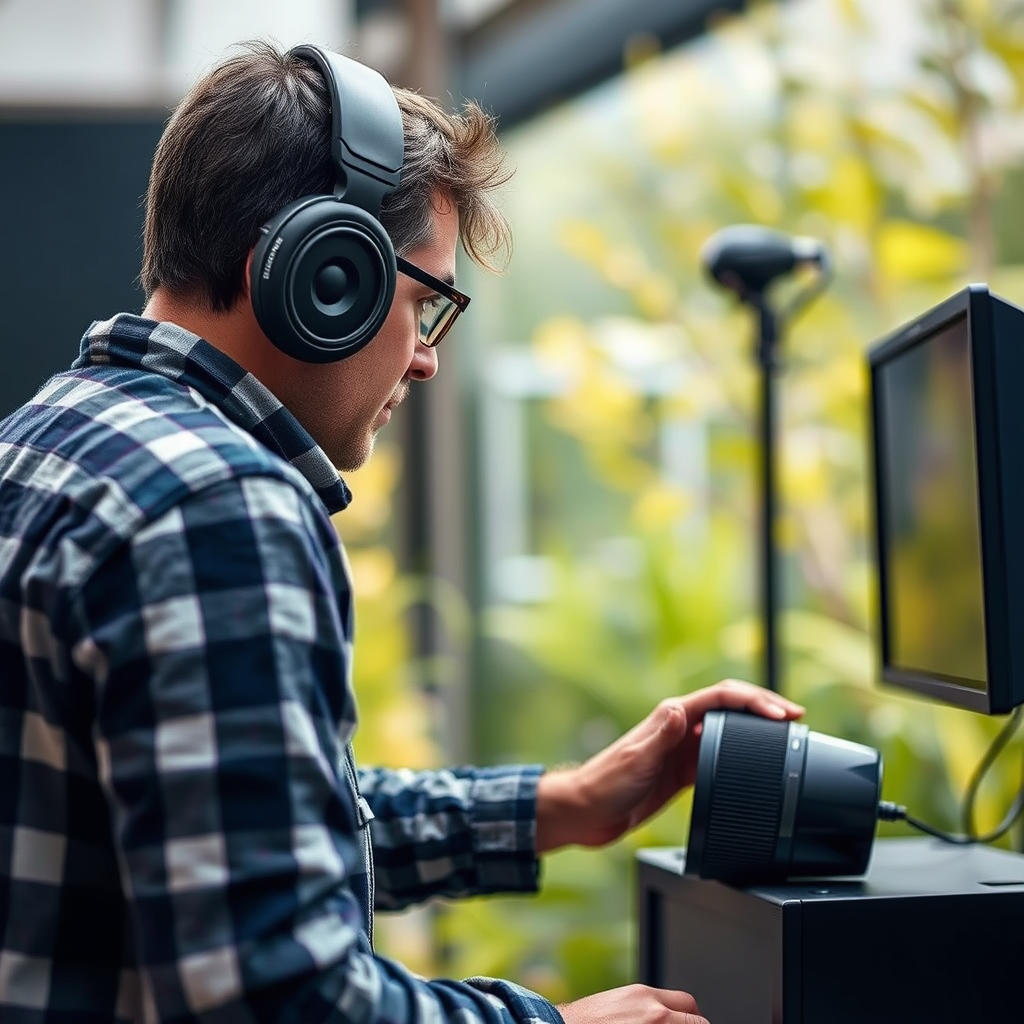
The burn-in period is a crucial phase during which the materials in your speakers—such as the cone, surround, and voice coil—loosen up and acclimate to their intended operating conditions. Think of it like breaking in a new pair of shoes; they need a little time to conform to your feet for maximum comfort. Many audiophiles passionately believe that this process leads to noticeable improvements in sound quality over time, enhancing everything from bass response to treble clarity. As these components flex and settle, they can perform more efficiently, allowing for a fuller and richer sound profile.
Recommended Burn-In Duration
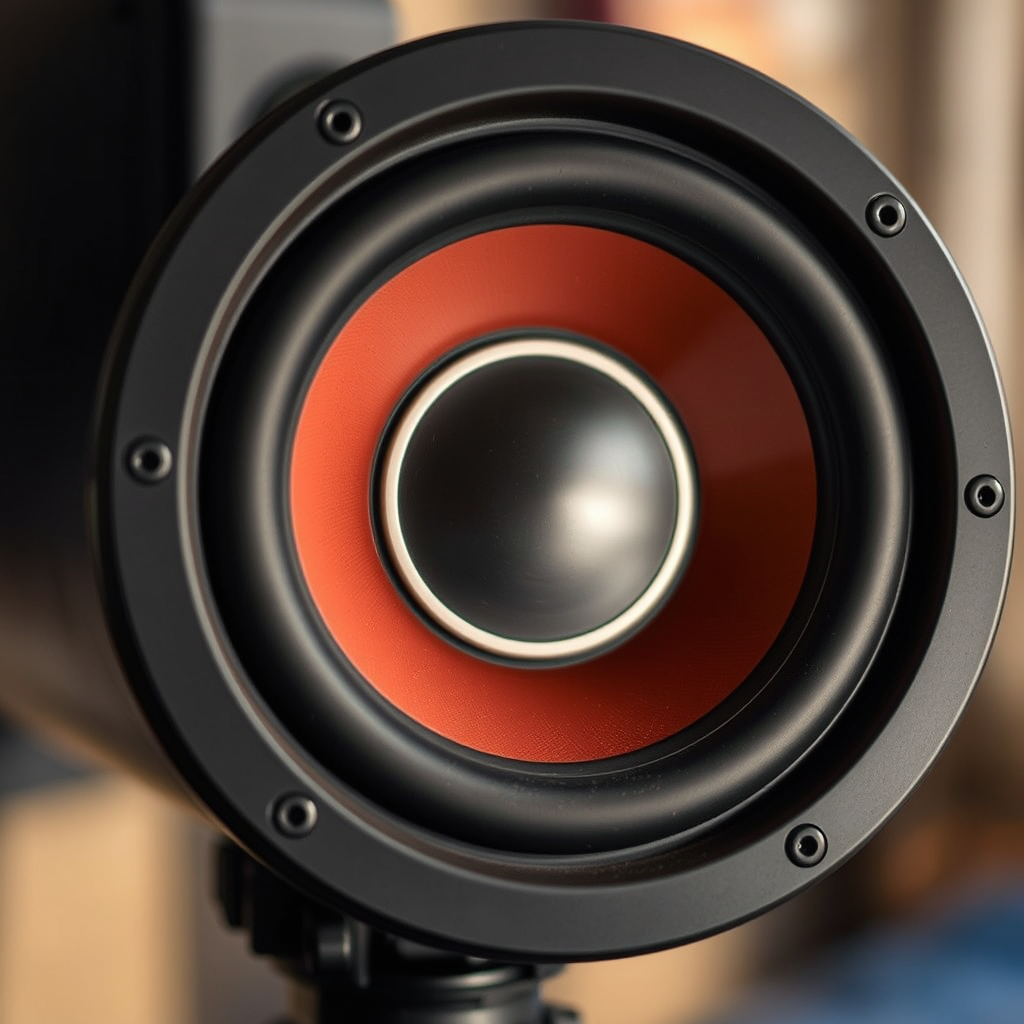
How long should you burn in your speakers? A typical burn-in period can range from 20 to 100 hours, but this depends heavily on the specific model and manufacturer recommendations. Some high-end speakers may require more extensive burn-in time, while others may be ready to perform well after a shorter period. Always refer to the manufacturer’s guidelines for the most accurate recommendations. This information can usually be found in the product manual or on the brand’s website. Keep in mind that patience is key; rushing the burn-in process can lead to suboptimal sound quality.
Techniques for Effective Burn-In
To maximize the effectiveness of your burn-in process, it’s important to use a variety of sound frequencies and genres. This diversity will allow you to cover the entire range of your speaker’s capabilities, ensuring that every component gets the workout it needs. For instance, consider playing classical music with its dynamic range, rock music for its punchy bass lines, and vocal tracks to test clarity. Additionally, gradually increase the volume levels during the initial phase to avoid damaging the speakers. Start at a low level and incrementally raise it, ensuring that your speakers are not overwhelmed by sudden bursts of sound. This thoughtful approach will help you achieve a balanced burn-in process that promotes optimal performance.
Monitoring Sound Changes
As you burn in your speakers, take the time to listen for subtle changes in sound quality. Pay close attention to clarity, bass response, and overall balance. Initially, the sound may seem a bit tight or harsh, but over time, you should notice a softening and richness in the audio. Keeping notes on your observations can be incredibly helpful; jot down the characteristics of the sound at various intervals. For example, you might note that the bass becomes fuller after 30 hours or that the treble feels more refined after 60 hours. This tracking will not only help you appreciate the improvements but can also inform any adjustments you might need to make to your setup.
Common Myths About Speaker Burn-In
There are several myths surrounding the burn-in process that are worth addressing. One common misconception is that burn-in is unnecessary and that speakers perform just as well out of the box. However, scientific perspectives suggest that materials used in speakers undergo changes with use, which can lead to improved performance. Another myth is the idea that specific types of music are universally better for burn-in. While variety is key, the notion that only certain genres can positively affect the process is misleading. Ultimately, the goal is to expose your speakers to a wide range of sounds, frequencies, and dynamics for the best results.
Tips for Optimizing Your Listening Environment
Creating an ideal listening environment is just as important as the burn-in process itself. Ensure that your speakers are positioned correctly for optimal sound dispersion; this often means placing them at ear level and at least a few feet away from walls to minimize reflections. Additionally, consider the acoustics of your room; hard surfaces can create unwanted echoes, while carpets and curtains can help absorb sound. Arranging furniture thoughtfully can also enhance audio quality; for instance, avoid placing large obstacles between the speakers and the listening area. These adjustments will not only aid during the burn-in period but will also enhance your overall listening experience long after the process is complete.
Final Steps After Burn-In
Once you’ve completed the burn-in process, it’s time to reassess your sound quality. Take a moment to listen to your favorite tracks and see how they resonate after the burn-in period. You may find that some adjustments are necessary to achieve your desired sound. Perhaps you want to tweak your EQ settings or experiment with different speaker cables or amplifiers to further enhance performance. This is also a great time to explore additional tuning options, such as isolation pads or speaker stands, which can help improve sound quality even more. The goal is to create a listening setup that truly satisfies your auditory preferences.
Burning in your new speakers is a crucial step that can significantly impact your audio experience. By following the outlined techniques and understanding the importance of this process, you can ensure your speakers reach their full potential. Remember, patience and careful monitoring are key! Start your burn-in process today and enjoy the refined sound quality in your music and movies for years to come. Happy listening!
Frequently Asked Questions
What is speaker burn-in and why is it important?
Speaker burn-in refers to the process of gradually breaking in new speakers to optimize their performance. During this period, the speaker components, such as the drivers and surround materials, loosen up, leading to improved sound quality, clarity, and overall performance. Proper burn-in can help achieve a more natural sound, making it an essential step for audiophiles and casual listeners alike.
How long should I burn in my new speakers for optimal sound?
The duration for burning in new speakers can vary, but a common recommendation is between 20 to 100 hours of playtime at moderate volume levels. It’s important to avoid excessive volume during this process to prevent damage. Listening to a mix of music genres during burn-in can also help in providing a balanced break-in experience, allowing the drivers to adapt well to different frequencies.
What is the best method to burn in my new speakers?
The best method to burn in your new speakers involves playing a variety of audio tracks at moderate volume, ensuring that both low and high frequencies are covered. You can also use specialized burn-in tracks designed to gradually exercise different frequency ranges. Additionally, leaving the speakers playing while you’re not around can be effective, but ensure they are positioned correctly for optimal sound distribution.
Why do some people believe that speaker burn-in is a myth?
Some skeptics argue that speaker burn-in is a myth, claiming that perceived changes in sound quality are due to listener acclimatization rather than actual physical changes in the speakers. However, scientific studies have shown that certain speaker components do undergo changes during the burn-in process, impacting their performance. Understanding the physiological aspects of sound perception can help clarify why some may doubt burn-in effects.
Which types of speakers benefit the most from the burn-in process?
Generally, high-end speakers with more complex components, such as audiophile-grade models or those with advanced driver technologies, benefit the most from the burn-in process. However, even budget-friendly speakers can improve over time. It’s worth noting that passive speakers typically require more burn-in than powered speakers due to their mechanical parts’ nature and the need for those components to settle into their optimal performance.
References
- Loudspeaker
- https://www.audioholics.com/how-to-articles/speaker-break-in
- https://www.soundonsound.com/techniques/loudspeaker-break-in
- https://www.theabsolutesound.com/articles/breaking-in-your-loudspeakers
- https://www.stereophile.com/content/speaker-breakin
- https://www.psaudio.com/pauls-posts/break-in-your-speakers/