
Setting up a high-fidelity stereo system at home involves selecting the right components, placing them effectively, and connecting them properly for optimal sound quality. This guide will walk you through the essential steps to create an immersive audio experience that brings your favorite music to life, allowing you to enjoy every nuance and detail of your sound system.
Choosing the Right Components
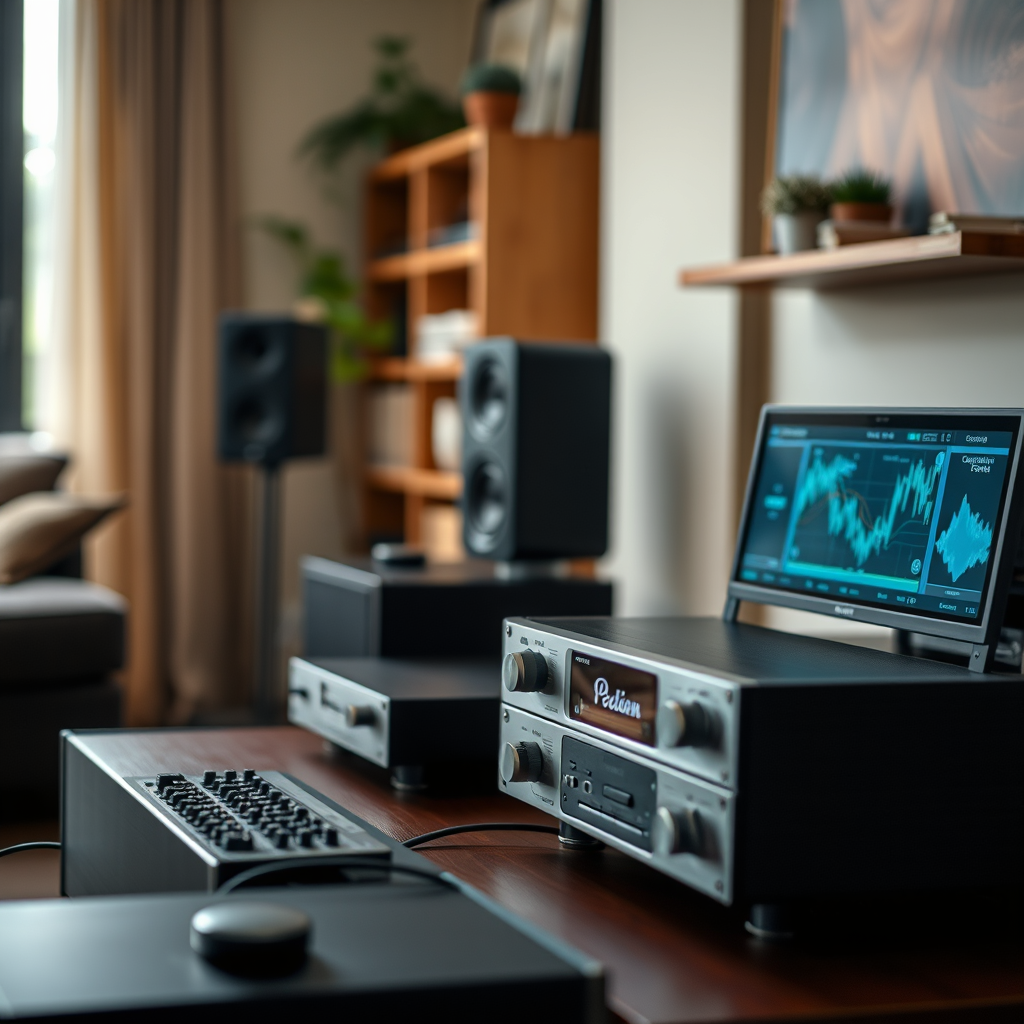
The foundation of any high-fidelity stereo system lies in its components. Choosing the right equipment tailored to your space and listening preferences can significantly enhance your audio experience.
– Speakers: Start with high-quality speakers that fit your room size and listening habits. Consider options like bookshelf speakers for smaller spaces or floor-standing models for larger rooms. Brands such as Bowers & Wilkins, KEF, and Klipsch are renowned for their excellent sound reproduction. Pay attention to specifications like frequency response, sensitivity, and power handling to ensure they match your needs.
– Amplifiers and Receivers: Next, invest in a quality amplifier or receiver. This component is crucial as it powers your speakers and processes audio signals. Look for amplifiers that provide enough wattage to drive your speakers efficiently without distortion. Brands like Yamaha, Denon, and Marantz offer a range of models catering to different budgets and requirements. Consider integrated amplifiers for a compact solution or separate preamplifiers and power amplifiers for a more customizable system.
Understanding Speaker Placement
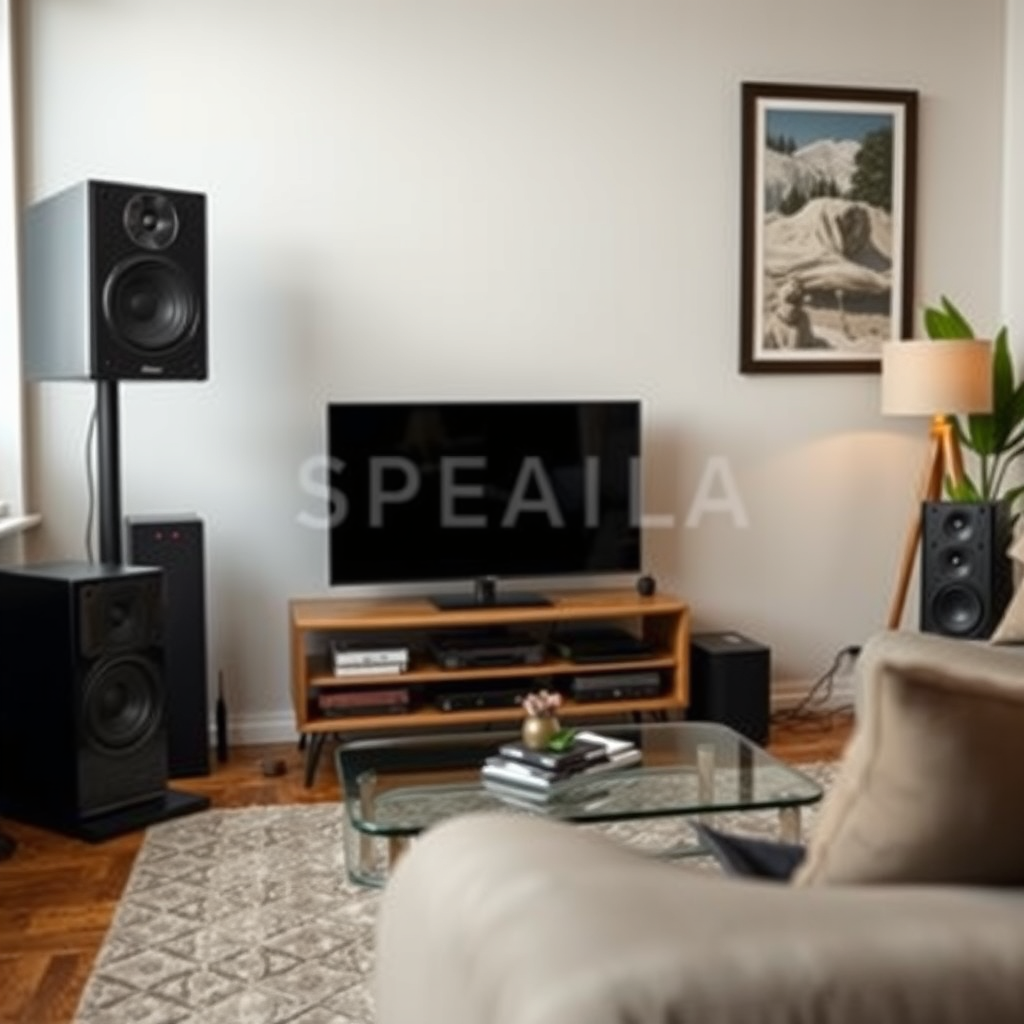
The placement of your speakers can drastically affect sound quality. Proper speaker positioning helps create a balanced soundstage and enhances the overall listening experience.
– Ear Level Positioning: For optimal sound projection, aim to position your speakers at ear level when seated. This alignment ensures that the sound waves reach your ears directly, providing clarity and detail.
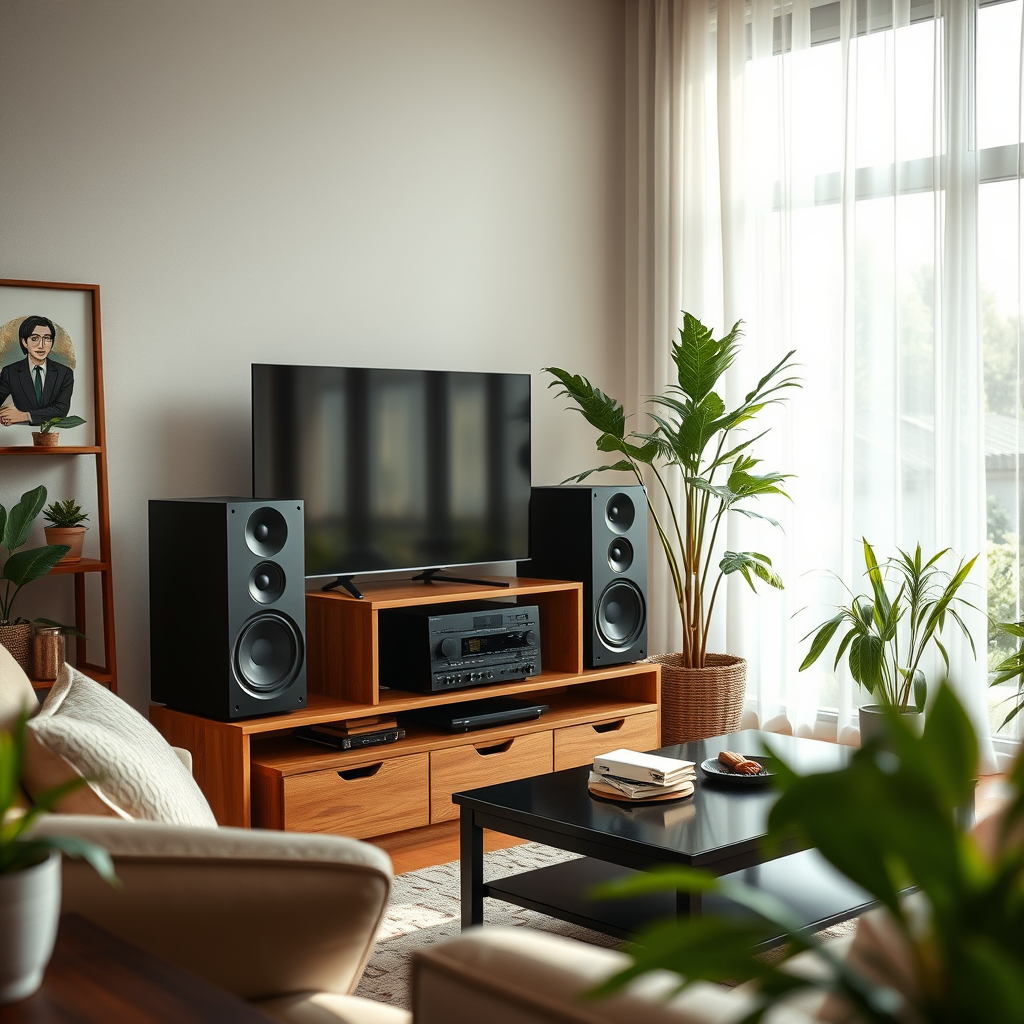
– Equilateral Triangle Setup: Arrange your speakers and listening position to form an equilateral triangle. The distance between the speakers and your listening position should be equal, which helps in achieving a balanced audio experience. This technique allows for better stereo imaging, enabling you to perceive the depth and spatial nuances in your music.
Top 7 Hi-Fi Speaker Brands (2024)
| # | Brand | Type | Price Range | Best For |
|---|---|---|---|---|
| 1 | Bowers & Wilkins | Bookshelf/Floorstanding | $600 – $5,000 | Audiophiles |
| 2 | KEF | Bookshelf/Floorstanding | $500 – $3,500 | Home Theaters |
| 3 | Klipsch | Bookshelf/Floorstanding | $400 – $2,800 | Loud Sound |
| 4 | Sonos | Wireless | $200 – $1,500 | Smart Homes |
| 5 | Polk Audio | Bookshelf/Surround | $150 – $1,200 | Budget Buyers |
| 6 | Pioneer | Surround | $300 – $2,000 | Casual Listeners |
| 7 | Focal | Bookshelf/Floorstanding | $700 – $5,500 | High-End Systems |
Connecting Your Equipment
Properly connecting your stereo system components is crucial for achieving the best audio quality.
– Cables: Use high-quality cables to minimize signal loss and interference. Consider options like oxygen-free copper cables that enhance conductivity. Look for speaker cables with adequate gauge to reduce resistance. Brands like AudioQuest and Monster Cable offer a range of options suited for different budgets.
– Secure Connections: Ensure that all connections are secure and properly configured. Loose connections can introduce noise and degrade sound quality. Double-check the connections between your amplifier, speakers, and audio sources, and utilize banana plugs or spade connectors for a reliable fit.
Setting Up Audio Sources
Your audio sources are the gateway to your music collection. Choosing the right sources is essential for an enriching listening experience.
– Digital vs. Analog: Decide between digital sources (streaming services, CDs) and analog sources (vinyl players, cassette decks). Streaming services like Tidal and Qobuz offer high-resolution audio, while vinyl brings a nostalgic charm and tactile interaction. Choose sources that align with your listening style and preferences.
– Connection Compatibility: Connect your audio sources to the amplifier or receiver, ensuring compatibility with your components. For digital sources, utilize digital inputs such as optical or coaxial cables. For analog devices, use RCA cables and ensure you have the right phono preamp if using a turntable.
Calibrating Your System
Calibration is a vital step in optimizing the performance of your stereo system.
– Sound Meter: Utilize a sound meter or calibration microphone to measure volume levels and speaker distances. This process helps you adjust the settings to achieve an even sound distribution throughout the listening space.
– Equalizer Settings: Fine-tune equalizer settings to enhance bass, midrange, and treble frequencies based on your listening preferences. Most modern receivers come equipped with built-in room correction systems that automatically adjust settings for optimal performance. However, manual adjustments can also be made to cater to specific genres or personal taste.
Speaker Calibration Techniques Effectiveness
Maintaining Your Stereo System
Regular maintenance of your stereo system is crucial for long-term performance and sound quality.
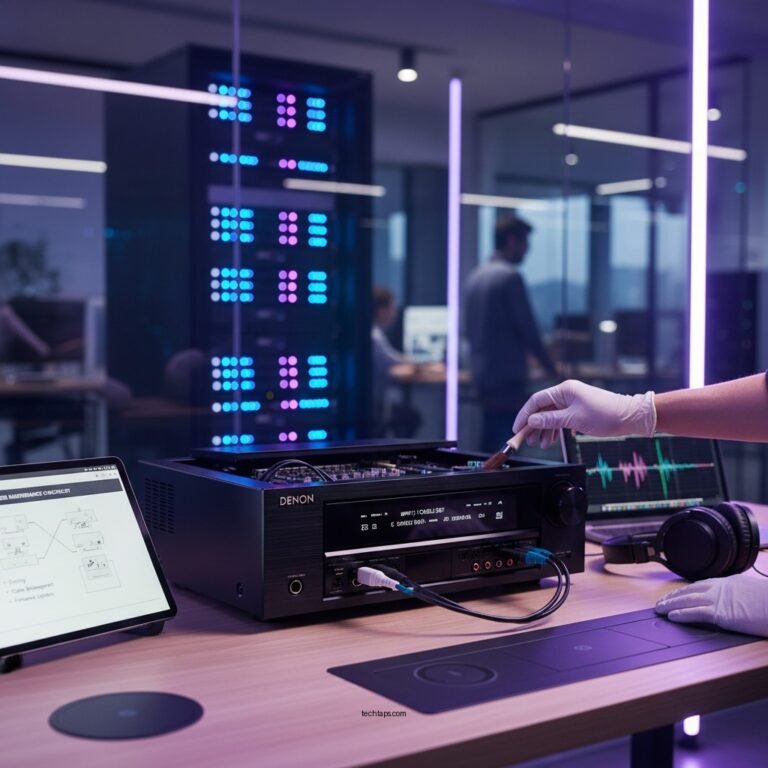
– Cleaning: Regularly clean your components and cables to prevent dust build-up, which can affect performance. Use a soft, dry microfiber cloth for electronics and a vacuum cleaner with a brush attachment for speakers.
– Firmware Updates: Stay updated with firmware on digital devices to ensure optimal performance and compatibility with new formats. Additionally, inspect and replace any worn cables or connectors periodically, as degraded connections can lead to sound quality issues.
Enhancing Your Listening Experience
After setting up your stereo system, consider taking additional steps to enhance your overall listening experience.
– Audio Formats: Experiment with different audio formats and streaming services to discover the best sound quality. High-resolution formats like FLAC or DSD offer superior sound quality compared to standard MP3 files.
– Room Acoustics: Consider adding acoustic treatments to your room to minimize sound reflections and improve clarity. Solutions such as bass traps, diffusers, and wall panels can significantly enhance the sound quality, making your listening environment more enjoyable.
By following these steps, you can successfully set up a high-fidelity stereo system that delivers exceptional sound quality. Create your ideal listening environment and enjoy your favorite music like never before. Take the first step today by researching your component options and planning your setup!
Frequently Asked Questions
What components do I need to set up a high-fidelity stereo system at home?
To set up a high-fidelity stereo system at home, you’ll need several key components: a pair of high-quality speakers, an amplifier or receiver, a source device (like a CD player, turntable, or streaming device), and quality cables to connect everything. Additionally, consider investing in a good DAC (Digital-to-Analog Converter) for improved sound quality and a suitable stand or shelf for your equipment.
How do I position my speakers for optimal sound quality?
To achieve optimal sound quality, position your speakers at ear level when seated and ensure they form an equilateral triangle with your listening position. Avoid placing them too close to walls or corners, as this can cause bass resonance and muddiness. Experiment with toe-in angles to find the best balance and clarity for your specific room acoustics.
Why is an amplifier important for a high-fidelity stereo system?
An amplifier is crucial for a high-fidelity stereo system because it boosts the audio signal from your source device to drive the speakers effectively. A good amplifier not only enhances sound clarity and detail but also ensures that your speakers perform at their best without distortion. Choosing an amplifier that matches the power handling and impedance of your speakers is essential for optimal performance.
What is the best way to connect my components for a high-fidelity experience?
The best way to connect your components for a high-fidelity experience is to use high-quality, shielded cables, like balanced XLR or unbalanced RCA, depending on your equipment. Ensure that your source device is connected to the amplifier using the most appropriate input, and connect the amplifier to your speakers with the correct gauge speaker wire to minimize resistance and maximize sound quality.
Which streaming services are best for high-fidelity audio?
For high-fidelity audio streaming, services like Tidal, Qobuz, and Amazon Music HD are among the best options available. These platforms offer lossless audio formats that preserve the integrity of the original recordings, allowing you to enjoy your music with superior sound quality. Additionally, they often feature extensive libraries and curated playlists to enhance your listening experience.
References
- Stereophonic sound
https://en.wikipedia.org/wiki/Stereophonic_sound - https://www.bbc.com/future/article/20210315-how-to-set-up-a-perfect-home-audio-system
https://www.bbc.com/future/article/20210315-how-to-set-up-a-perfect-home-audio-system - Google Scholar Google Scholar
https://scholar.google.com/scholar?q=How+to+Set+Up+a+High-Fidelity+Stereo+System+at+Home - Google Scholar Google Scholar
https://scholar.google.com/scholar?q=High-Fidelity+Audio+Setup - Google Scholar Google Scholar
https://scholar.google.com/scholar?q=Home+Audio+System+Setup+Guide - https://www.musictech.net/guides/essential-guide/home-studio-setup/
https://www.musictech.net/guides/essential-guide/home-studio-setup/ - Front-of-Package Nutrition Rating Systems and Symbols: Phase I Report | The National Academies Press
https://www.nap.edu/catalog/12957/creating-a-sustainable-home-audio-system - How to Set Up a High-Fidelity Stereo System at Home – Search results
https://en.wikipedia.org/wiki/Special:Search?search=How+to+Set+Up+a+High-Fidelity+Stereo+System+at+Home - https://www.ncbi.nlm.nih.gov/search/research-articles/?term=How+to+Set+Up+a+High-Fidelity+Stereo+System+at+Home
https://www.ncbi.nlm.nih.gov/search/research-articles/?term=How+to+Set+Up+a+High-Fidelity+Stereo+System+at+Home