
Setting up a professional audio system for events is all about meticulous planning and selecting the right equipment to deliver a seamless sound experience. Whether you’re hosting a corporate conference, a lively concert, or a romantic wedding, focusing on your audio setup can significantly enhance the atmosphere and engagement of your event. In this guide, you’ll discover the essential steps to create an effective audio setup, from understanding your event’s specific needs to optimizing the acoustics of your venue.
Understanding Your Event’s Audio Needs
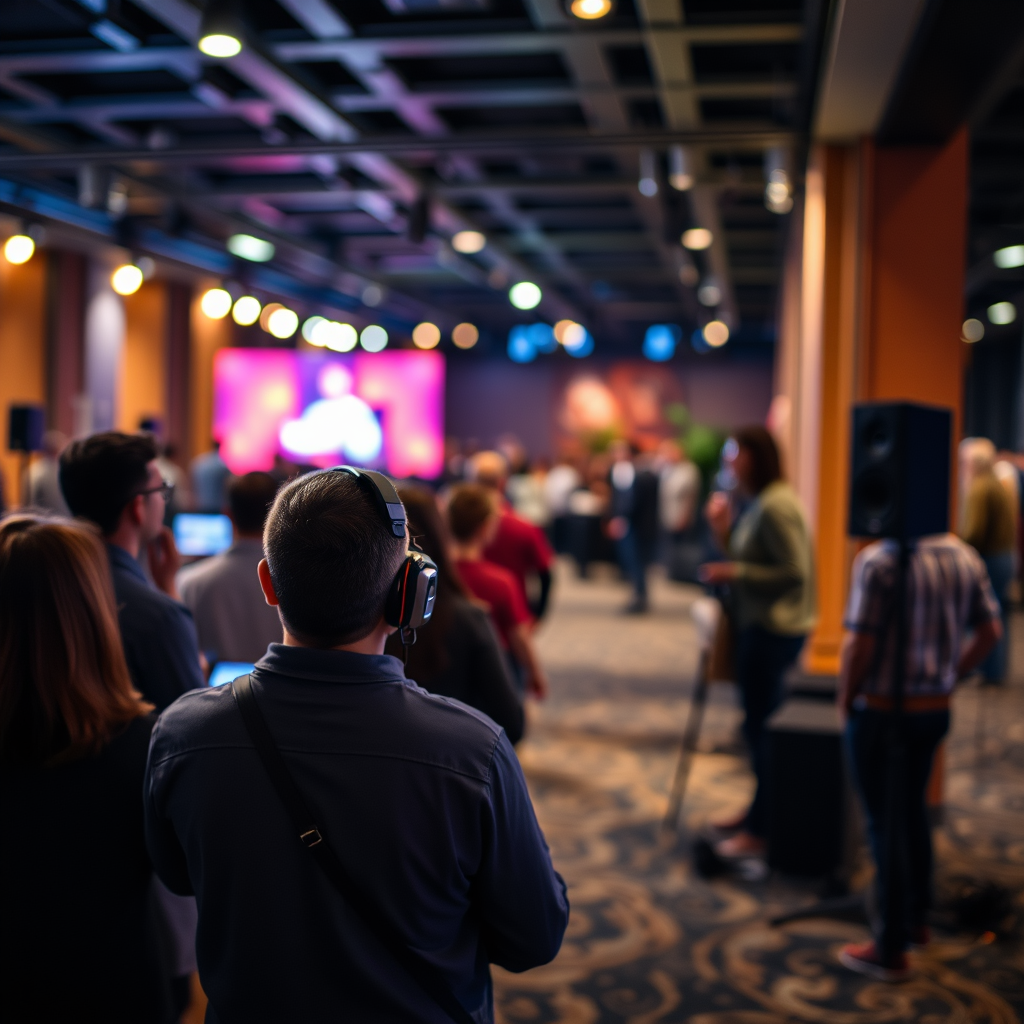
To set up an effective audio system, start by identifying the type of event you’re hosting. Different events have distinct audio requirements. For instance, a conference may primarily require clear speech intelligibility, while a concert needs rich sound quality that can handle a variety of musical instruments. Knowing the primary focus of your event will guide your equipment choices.
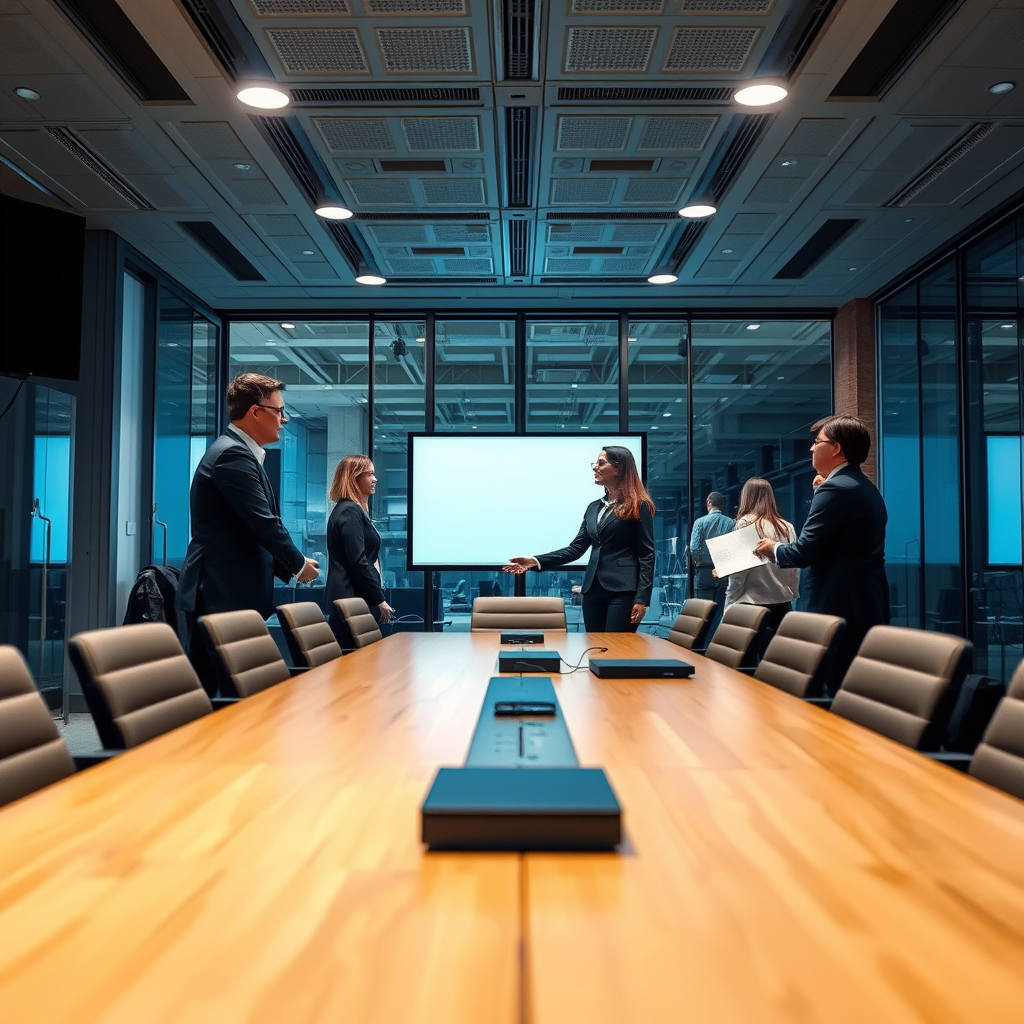
Next, assess the size of your venue and the expected audience size. A small conference room will require a different setup than a large auditorium or an outdoor festival. For example, a 50-person workshop can manage with a couple of portable speakers and a single microphone, while a 500-person concert may need a complete PA system with multiple speakers and microphones strategically placed around the venue. Understanding these dynamics will help you choose the right equipment that meets both the technical requirements and the audience’s expectations.
Selecting the Right Audio Equipment
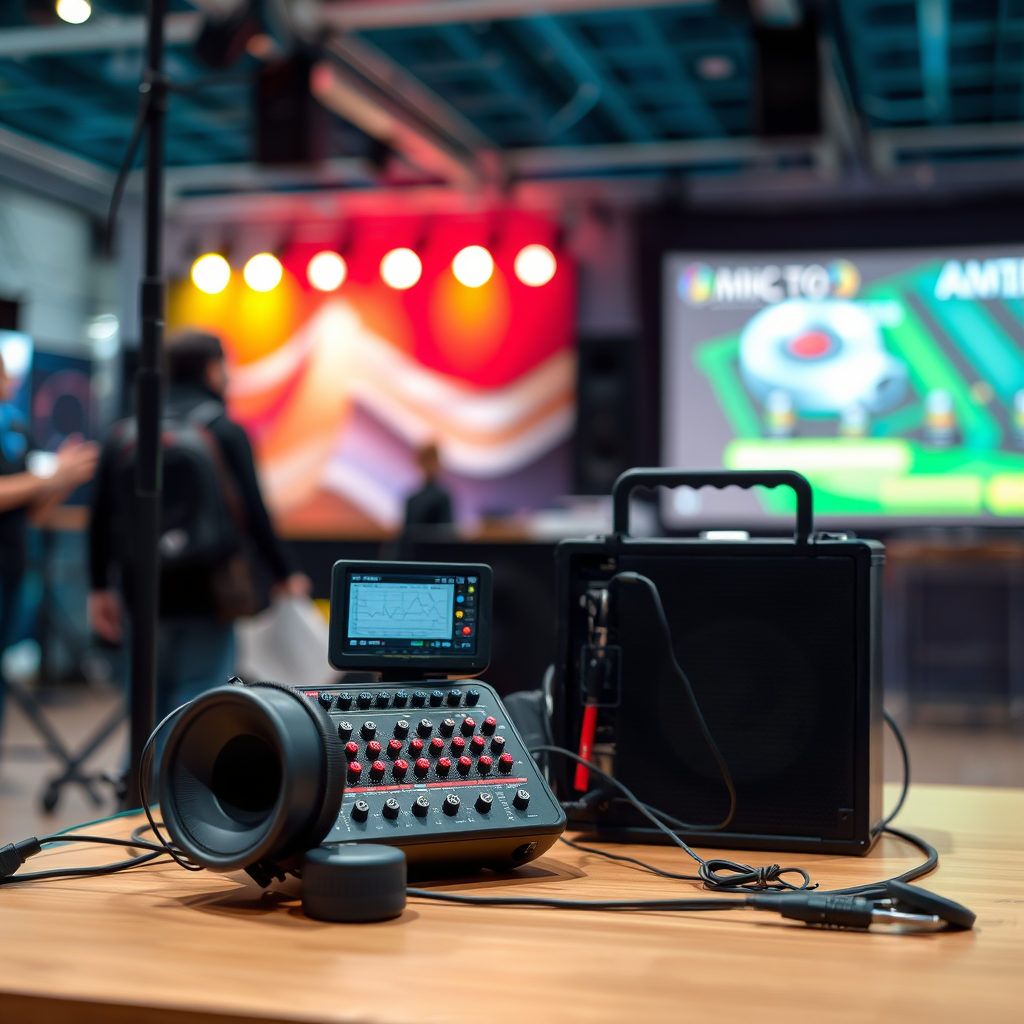
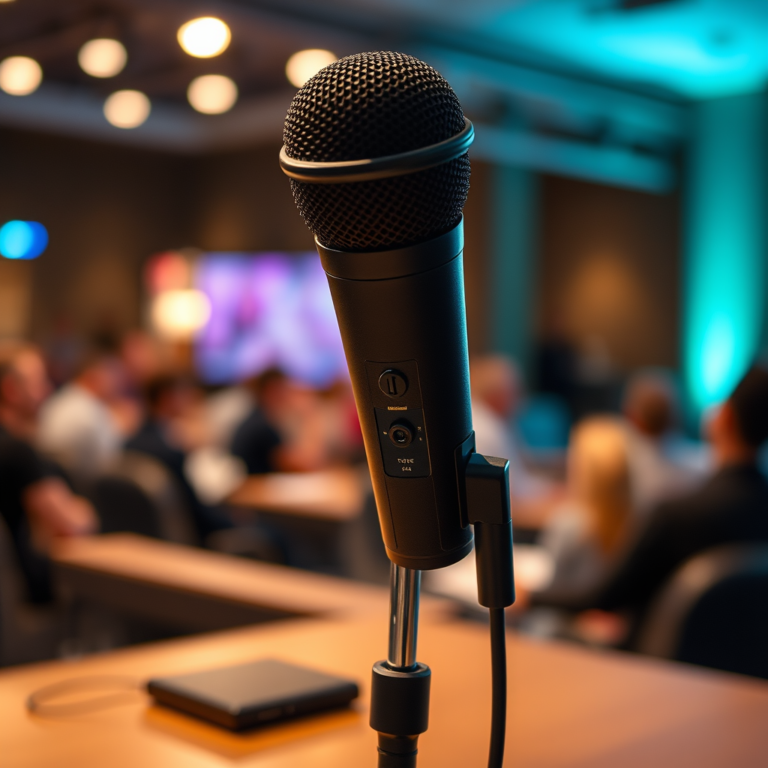
Choosing the right audio equipment is crucial to achieving high-quality sound. Begin with microphones; your choice can depend on the nature of your event. For speeches and presentations, consider using lapel microphones, which allow for hands-free operation and provide clear audio without obstructing the speaker’s face. On the other hand, handheld microphones are ideal for interviews or performances where mobility is key.
When it comes to speakers, you want to ensure they can adequately cover the entire audience area. A good rule of thumb is to opt for powered speakers that can easily fill the space without distortion. For larger venues, consider line array systems or multiple speaker placements to ensure even sound distribution. Additionally, if your event includes music, investing in subwoofers can significantly enhance the audio experience by providing depth and richness to the sound.
Properly Setting Up the Sound System
Once you’ve selected your equipment, it’s time to set up the sound system properly. Start by arranging speakers strategically to cover the entire audience area without creating dead spots. This may involve placing speakers at various heights and angles to ensure sound travels evenly throughout the space.
Don’t forget about safety! Ensure all cables are securely routed and taped down to avoid tripping hazards. If you’re outside, consider using weatherproof gear and securing cables in a way that protects them from the elements. A well-organized setup not only looks professional but also reduces the risk of accidents during the event.
Testing the Audio Setup
Before the event kicks off, conducting thorough sound checks is essential. This is your opportunity to adjust levels, eliminate feedback, and ensure everything is working as it should. Have key speakers or performers involved in the testing process; their feedback can be invaluable in fine-tuning the audio experience.
Make sure to test various scenarios—speaking at different volumes, moving around the stage, and even playing music if applicable. This comprehensive testing phase will help identify any weak spots and allow you to make adjustments before your audience arrives.
Managing Audio During the Event
During the event, having an experienced audio technician on hand is crucial. This person will monitor sound levels, making real-time adjustments to ensure the audio remains consistent and clear. They should be well-versed in handling the equipment and prepared to troubleshoot any unexpected issues that may arise, such as equipment failure or outside noise interference.
It’s also helpful to have a communication system in place, allowing the technician to stay in contact with the event organizers. This way, they can quickly address any concerns regarding audio, ensuring a smooth experience for both speakers and attendees.
Enhancing the Audio Experience
To elevate your audio setup further, consider incorporating additional elements. For instance, if you’re hosting a concert or a DJ event, adding subwoofers can provide that extra bass punch that gets everyone dancing. Digital mixers can enhance control over sound levels, effects, and equalization, allowing for a more tailored audio experience.
Additionally, think about options for live streaming or recording the event. This not only broadens your audience reach but also allows those who couldn’t attend in person to enjoy the experience. Ensure your setup can accommodate these options seamlessly, integrating them into your overall audio plan.
Post-Event Review and Feedback
After the event concludes, gather feedback from attendees and speakers regarding their audio experience. This information is invaluable for refining your approach in the future. Did the sound levels meet expectations? Were there any technical issues that disrupted the experience?
Taking the time to review the performance of your audio system—along with the feedback received—can provide insights into what worked well and what can be improved. Documenting these observations will help you make informed decisions for your next event, ultimately leading to even better audio experiences.
Summarizing the key steps in setting up a professional audio system for events can greatly enhance the overall experience. By understanding your audio needs, selecting the right equipment, and ensuring proper management during the event, you can create a seamless sound experience. Take these insights and start planning your next event with confidence, knowing that a professional audio setup can make all the difference.
Frequently Asked Questions
What are the essential components of a professional audio system for events?
A professional audio system typically includes several key components: a mixer, amplifiers, speakers, microphones, and audio interfaces. Depending on the event size, you may also need monitors for performers, a digital audio workstation (DAW) for sound editing, and various cables and connectors. Ensuring you have high-quality equipment tailored to your specific event needs will significantly enhance sound clarity and overall guest experience.
How do I choose the right speakers for my event audio setup?
Choosing the right speakers involves considering the size of your venue, the type of event, and audience size. For larger venues, you may require powered speakers that can deliver high volume and clarity, while smaller events may only need portable options. Additionally, assess the speaker’s frequency response and wattage to ensure it can handle the specific audio requirements of your event, whether it’s a live concert or a corporate presentation.
Why is acoustics important when setting up an audio system for events?
Acoustics play a crucial role in how sound travels and is perceived in a venue. Poor acoustics can lead to issues like echo, distortion, and sound muddiness, which detracts from the audience’s experience. By understanding the acoustics of your venue, you can strategically place speakers, utilize sound-absorbing materials, and adjust settings on your mixer to optimize sound quality and ensure clear audio delivery throughout the space.
What is the best way to manage audio levels during an event?
The best way to manage audio levels is to conduct a thorough sound check before the event starts. Use a sound level meter to monitor decibel levels and ensure they are within a comfortable range for the audience. Continuously monitor levels throughout the event using the mixer, adjusting as necessary based on audience feedback and the dynamic nature of the performance, ensuring a balanced sound experience.
Which microphone types are most suitable for different events?
Different microphone types serve various purposes: dynamic microphones are ideal for live performances and loud environments, while condenser microphones are better suited for studio recordings and capturing vocals with clarity. For speeches or presentations, lapel or lavalier microphones offer hands-free convenience, while shotgun microphones are perfect for capturing sound from a distance. Selecting the right microphone type enhances audio quality and accommodates the specific needs of your event.
References
- Sound system
- https://www.musictech.net/guides/essential-guide-to-setting-up-a-live-sound-system/
- https://www.ise.eu/en/knowledge/insights/how-to-set-up-a-professional-sound-system-for-events.html
- https://www.thebalancecareers.com/how-to-set-up-a-sound-system-2455985
- https://www.soundonsound.com/techniques/setting-up-sound-system-events
- https://www.penn.edu/
- National Endowment for the Arts Home Page | National Endowment for the Arts
- https://www.aes.org/technical/documents/
- Home – Australian Society of Anaesthetists
- Search results: Smith Introduction-to-Sound-System-Design-2nd-Edition | Pearson US