
Setting up a home audio system for multi-use spaces requires careful selection of versatile equipment and strategic placement to ensure optimal sound quality in every area. This guide will walk you through the essential components, installation considerations, and tips to create an immersive audio experience that caters to your lifestyle and enhances your living environment.
Selecting the Right Audio Equipment
The foundation of any successful home audio setup lies in the equipment you choose. Opting for versatile speakers is imperative, especially in multi-use spaces where different audio needs may arise. Bookshelf speakers, for instance, are compact yet powerful, making them ideal for smaller areas where space is limited. Floor-standing models, on the other hand, provide robust sound and can fill larger rooms with rich audio.
Furthermore, consider investing in a multi-room audio system. These systems allow you to stream music across various zones in your home, enabling seamless transitions between different activities, whether it’s hosting a party, enjoying a movie night, or simply relaxing with your favorite playlist. Brands like Sonos and Bose offer excellent solutions that integrate well with both wired and wireless setups.
Understanding Room Acoustics
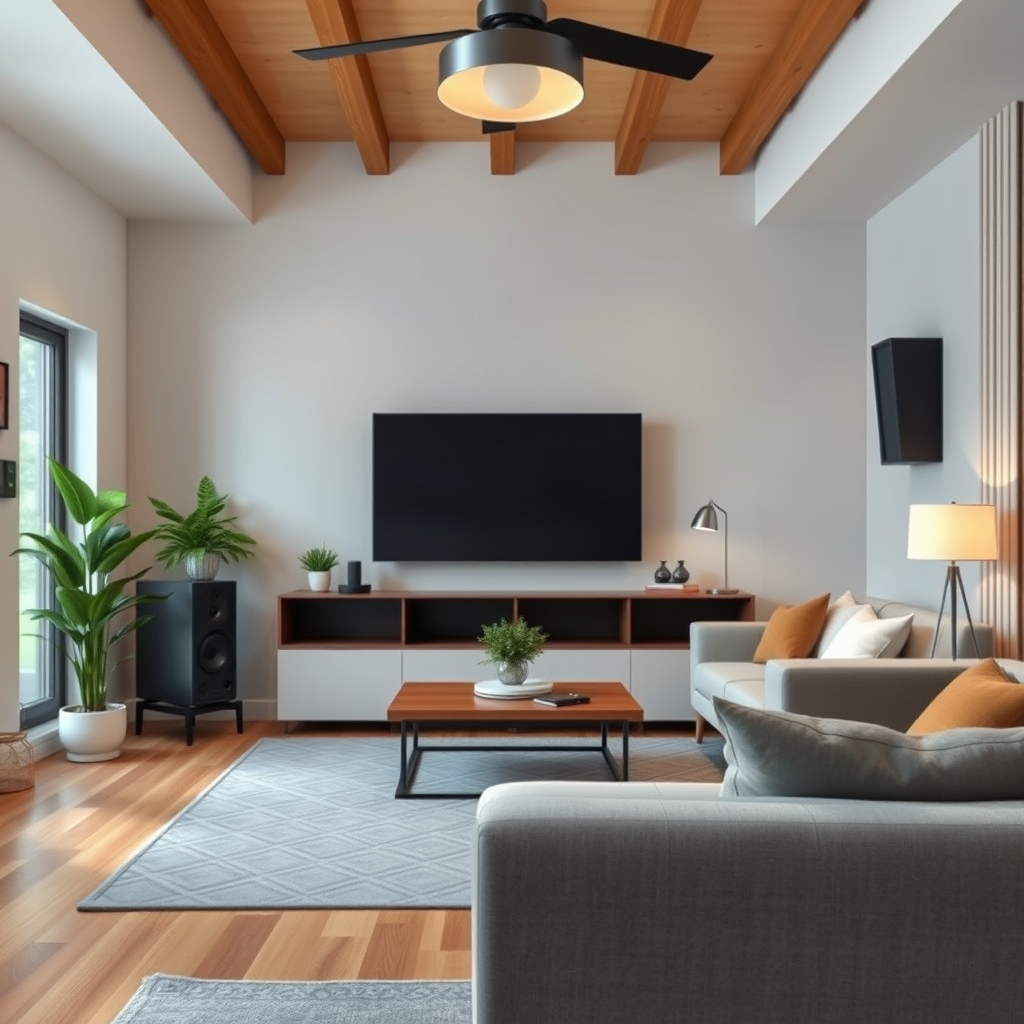
Before finalizing your audio system, it’s crucial to understand the acoustics of your space. The size and shape of the room play a significant role in how sound waves behave. For example, larger rooms may require additional speakers or subwoofers to ensure an even sound distribution. Conversely, smaller spaces might benefit from fewer speakers or even sound-absorbing materials to prevent overwhelming acoustics.
To enhance sound quality, consider installing acoustic panels or using soft furnishings like rugs and curtains. These items can help reduce echo and reverberation, creating a more controlled audio environment. Analyzing your room’s unique acoustics will help you make informed decisions about speaker placement and necessary adjustments to your setup.
Planning Your Layout
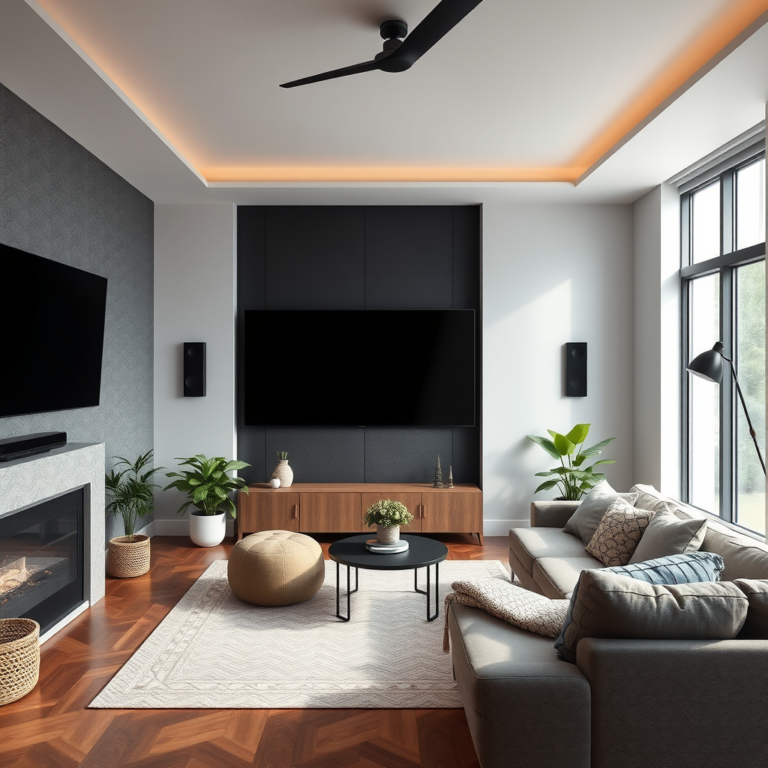
The layout of your audio system is pivotal for achieving the best sound experience. Positioning speakers at ear level is essential for optimal listening. This can be achieved by placing bookshelf speakers on stands or mounting them on walls. Additionally, creating an optimal listening triangle—where the distance between the speakers and the listener is equal—can significantly enhance the audio experience.
Beyond speaker placement, ensure that your cables are neatly organized and hidden whenever possible. Not only does this maintain a clean aesthetic in your multi-use space, but it also prevents potential tripping hazards and keeps your environment looking organized.
Top 7 Features of Multi-Room Audio Systems (2024)
| # | Feature | Sonos | Bose | Amazon Echo |
|---|---|---|---|---|
| 1 | Voice Control | Yes | Yes | Yes |
| 2 | Streaming Services | Multiple | Multiple | Limited |
| 3 | Multi-Room Capability | Yes | Yes | No |
| 4 | Wireless Connectivity | Yes | Yes | Yes |
| 5 | App Integration | Yes | Yes | Limited |
| 6 | User-Friendly Setup | Yes | Yes | Yes |
| 7 | Sound Quality | Excellent | Excellent | Good |
Integrating Smart Technology
In today’s digital age, integrating smart technology into your home audio system can significantly enhance convenience and functionality. Smart speakers, such as those from Amazon, Google, and Apple, provide intuitive voice control, allowing you to manage your audio settings and playlists hands-free. This feature is especially beneficial in multi-use spaces where you may not always have access to your devices.
Moreover, consider incorporating home automation systems that allow for centralized control of all your audio devices. Many modern audio systems can be controlled via mobile apps, enabling you to customize settings, switch between sources, and adjust volume levels from anywhere in your home.
Setting Up Different Zones
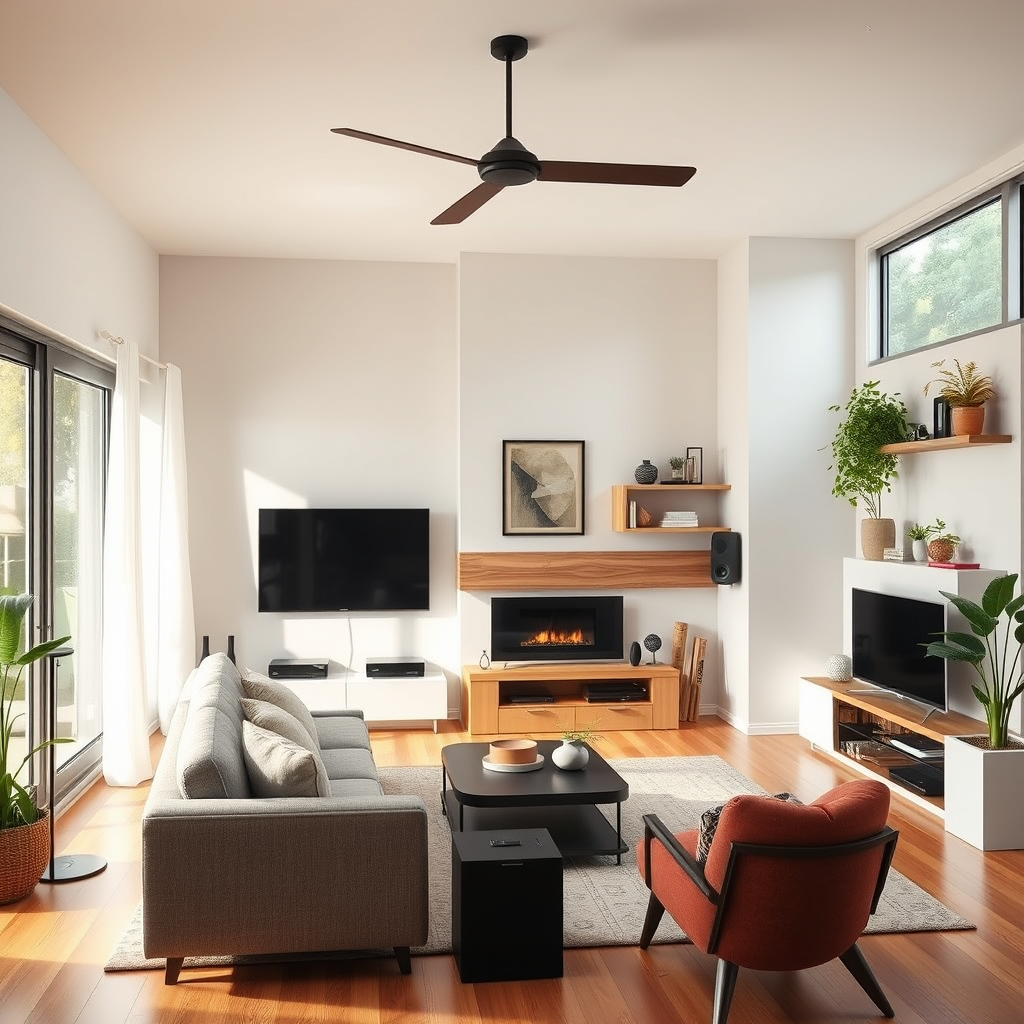
Creating distinct audio zones within your multi-use space can transform how you engage with your environment. Designate specific areas for various activities—such as a cozy corner for reading, a dedicated movie-watching setup, or an entertainment area for social gatherings. By using zoning controls, you can customize audio settings for each area, ensuring that the ambiance matches the activity.
For instance, you might want more pronounced bass for movie nights, while a softer, background sound may suffice during casual listening sessions. Many multi-room audio systems offer the ability to control each zone independently, allowing you to tailor the audio experience to fit your lifestyle.
Decibel Levels for Different Activities (2024)
Testing and Calibration
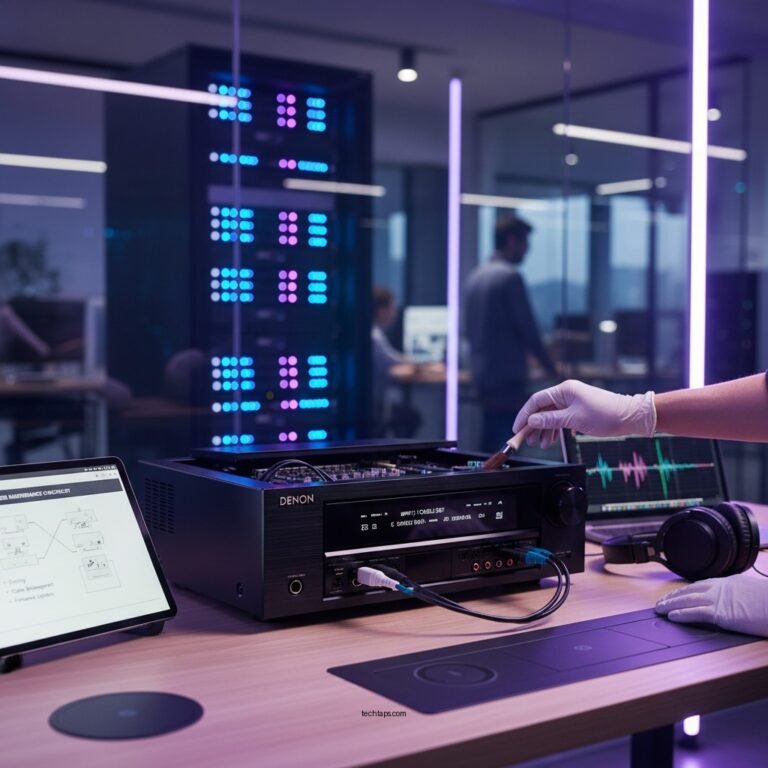
After setting up your audio system, it’s vital to conduct thorough testing and calibration. Start by adjusting volume levels and equalization settings for each zone to ensure optimal performance. Many modern audio systems come with built-in calibration tools that automatically adjust settings based on your room’s acoustics.
Utilizing sound measurement tools can further enhance your setup. Devices like SPL meters can help you gauge the sound pressure levels in different areas, ensuring that your audio experience is balanced and immersive. Regularly revisiting your settings and making adjustments as necessary will help maintain sound quality over time.
By following these calibration steps, you will not only enhance your audio experience but also prolong the lifespan of your equipment.
[CONCLUSION PARAGRAPH]
By selecting the right equipment, understanding acoustics, and thoughtfully planning your layout, you can create an exceptional home audio system tailored for multi-use spaces. Take the next step by assessing your current setup and considering upgrades that enhance your listening experience today. Embracing smart technology and establishing distinct audio zones will enable you to enjoy an immersive and versatile sound environment tailored to your unique lifestyle.
Frequently Asked Questions
What are the essential components for setting up a home audio system in a multi-use space?
To create an effective home audio system for a multi-use space, you need essential components such as a quality receiver, speakers (either floor-standing or bookshelf), a subwoofer for enhanced bass, and an audio source like a streaming device or a turntable. Additionally, consider including a soundbar for TV connectivity and smart home integration for convenience.
How can I ensure optimal sound quality in a multi-use room?
To ensure optimal sound quality in a multi-use room, start by strategically placing your speakers to avoid corner placement, which can cause distortion. Use acoustic panels or rugs to minimize echo and reflections, and consider calibrating your system with a sound meter or an automatic calibration feature if available on your receiver.
Why is speaker placement important in a multi-use audio setup?
Speaker placement is crucial in a multi-use audio setup because it directly influences the soundstage, clarity, and overall listening experience. Properly positioning your speakers based on the room’s layout and listening zones can enhance audio performance, ensuring that every area of the room benefits from balanced sound.
What is the best type of speakers for a multi-use audio system?
The best type of speakers for a multi-use audio system typically includes a combination of bookshelf and floor-standing speakers for versatility and range. For smaller spaces, consider in-ceiling or in-wall speakers to save space while still delivering quality sound, and a subwoofer to provide the necessary low frequencies for movies and music.
Which audio streaming services are recommended for a multi-use home audio system?
Recommended audio streaming services for a multi-use home audio system include Spotify, Apple Music, and Tidal, as they offer extensive music libraries and high-quality audio options. Additionally, consider services like Amazon Music and YouTube Music for their unique features and integration capabilities with smart devices, ensuring seamless access to your favorite content.
References
- Sound system
https://en.wikipedia.org/wiki/Audio_system - https://www.sciencedirect.com/topics/engineering/audio-systems
https://www.sciencedirect.com/topics/engineering/audio-systems - Possible implications of sea level changes for species migration through the Suez Canal | Scienti…
https://www.nature.com/articles/s41598-020-78313-2 - Google Scholar Google Scholar
https://scholar.google.com/scholar?q=home+audio+systems+multi-use+spaces - Google Scholar Google Scholar
https://scholar.google.com/scholar?q=setting+up+home+audio+systems - Google Scholar Google Scholar
https://scholar.google.com/scholar?q=multi-use+spaces+audio+setup - https://www.bbc.com/future/article/20200206-how-to-set-up-a-home-audio-system
https://www.bbc.com/future/article/20200206-how-to-set-up-a-home-audio-system - When a Therapist and Life Coach Spill the Tea
https://www.verywellmind.com/how-to-create-a-multifunctional-space-5199811 - https://www.theguardian.com/lifeandstyle/2021/jul/31/how-to-set-up-a-home-cinema
https://www.theguardian.com/lifeandstyle/2021/jul/31/how-to-set-up-a-home-cinema - https://www.nytimes.com/2021/02/24/realestate/home-theater-systems.html
https://www.nytimes.com/2021/02/24/realestate/home-theater-systems.html