
Tuning your car audio system like a pro is not just about turning knobs and pressing buttons; it requires a thoughtful approach to understanding your equipment and optimizing sound quality. By following the essential steps outlined in this guide, you can significantly enhance your listening experience, whether you’re a casual listener or a dedicated audiophile. With the right knowledge and techniques, you can transform your car into a mobile concert hall.
Understanding Your Audio Components
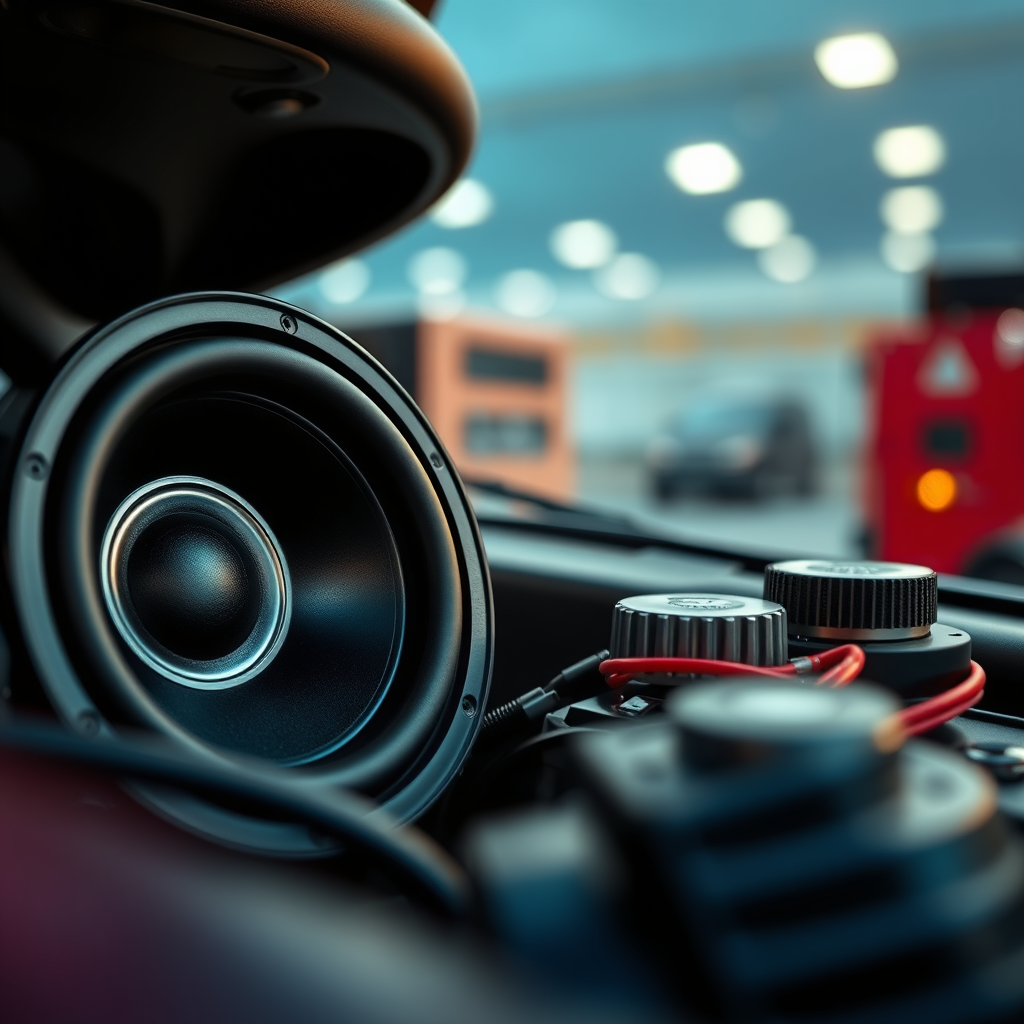
To get the most out of your car audio system, it’s crucial to familiarize yourself with its key components: the head unit, speakers, and amplifier. Each part plays a pivotal role in sound reproduction and overall audio quality.
– Head Unit: This is the control center of your audio system. It houses the radio, Bluetooth connectivity, and various sound settings. Understanding its features, such as equalization options and built-in DSP (Digital Signal Processing), can significantly impact your tuning process.
– Speakers: Different types of speakers (woofers, midrange, and tweeters) are designed to reproduce different frequencies. Knowing the specifications of your speakers, including sensitivity and power handling, helps you choose the right settings for optimal performance.
– Amplifier: The amplifier boosts the audio signal to drive the speakers. An understanding of RMS (Root Mean Square) power ratings and impedance matching is essential for ensuring your amplifier and speakers work harmoniously together.
Investing time in understanding these components will enable you to maximize their potential and achieve a finely tuned sound experience.
Setting Up Your Equipment
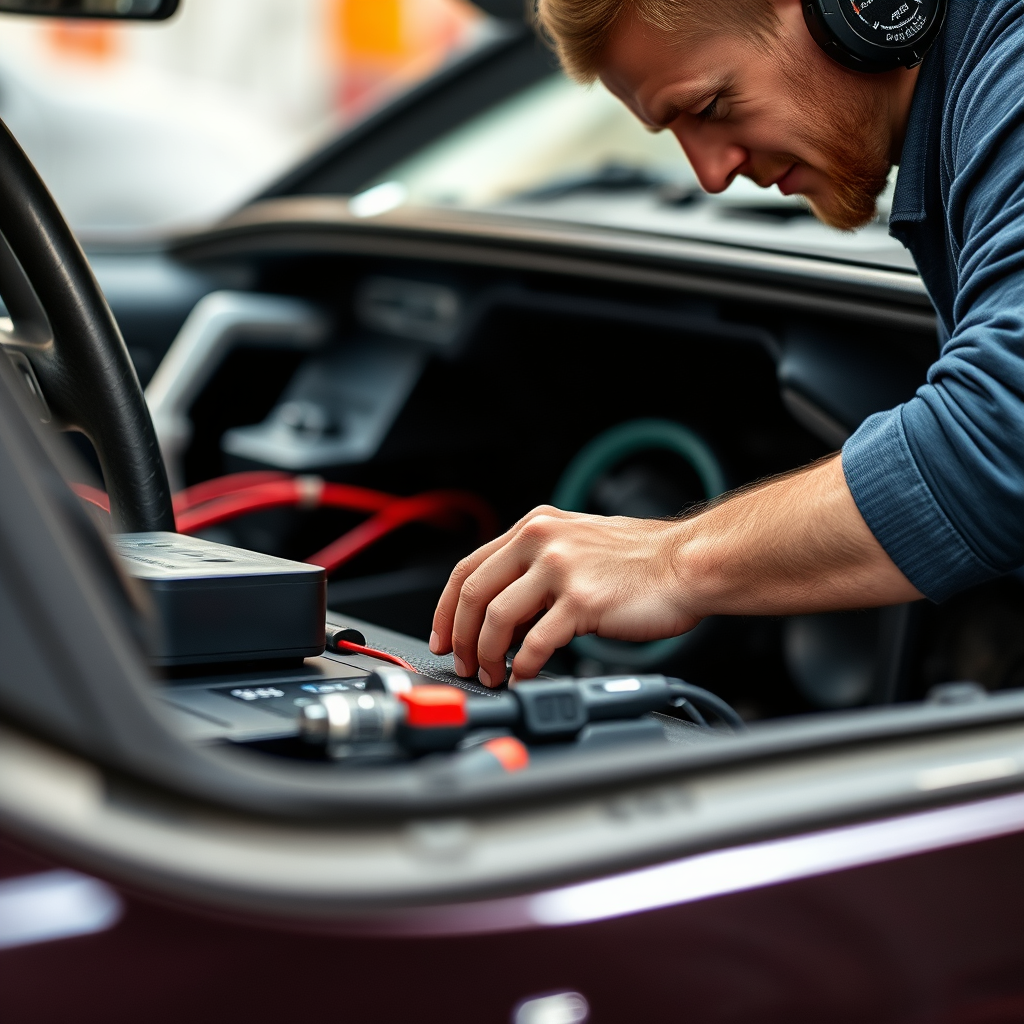
Proper installation is fundamental to achieving optimal performance from your audio system. Here are some steps to consider during setup:
– Installation: Ensure your head unit is securely mounted and wired correctly to avoid any loose connections, which can lead to sound quality issues.
– Speaker Placement: Position your speakers strategically to create an optimal soundstage. Ideally, the tweeters should be at ear level, and woofers should be placed where they can effectively produce bass without distortion.
– Quality Connections: Use high-quality cables for all connections to minimize signal loss. Avoid using stock wiring, as aftermarket cables often provide better conductivity and durability.
Taking the time to set up your equipment correctly will lay the foundation for a superior listening experience.
Adjusting Equalizer Settings
The equalizer (EQ) is a powerful tool that allows you to manipulate audio frequencies to better suit your taste and music genre. Here’s how to effectively adjust your EQ settings:
– Balance Frequencies: Different genres of music can benefit from different EQ settings. For example, bass-heavy genres like hip-hop may require increased low frequencies, while classical music might benefit from more emphasis on midrange frequencies.
– Experiment with Settings: Don’t be afraid to play around with your EQ settings. A good starting point is to boost frequencies by 3-5 dB and listen for changes in clarity and balance. Remember, small adjustments can make a significant difference.
– Room Acoustics: Your car’s interior can affect sound quality. Make sure to adjust your EQ based on the acoustics of your vehicle, considering factors like seat position and materials.
📋 DATA
Top 7 Car Audio Brands (2024)
| # | Brand | Power (W) | Frequency Response | Price Range |
|---|---|---|---|---|
| 1 | Pioneer | 50 | 20-20,000 Hz | $100-$300 |
| 2 | Kenwood | 60 | 20-22,000 Hz | $120-$350 |
| 3 | Alpine | 70 | 25-20,000 Hz | $150-$400 |
| 4 | Sony | 55 | 20-22,000 Hz | $100-$250 |
| 5 | JVC | 65 | 20-20,000 Hz | $90-$200 |
| 6 | Rockford Fosgate | 80 | 20-18,000 Hz | $180-$500 |
| 7 | Clarion | 75 | 22-20,000 Hz | $160-$450 |
📈 CHART
Power Output of Top Car Audio Brands (Watts)
Fine-Tuning Volume Levels
Maintaining appropriate volume levels is crucial to prevent distortion and ensure a consistent listening experience. Here’s how to manage volume effectively:
– Balance Head Unit and Amplifier: Ensure that the volume on your head unit is set to a level that allows your amplifier to operate efficiently without clipping. A good rule of thumb is to keep the head unit volume at around 75% of its maximum for optimal performance.
– Adjust Source Levels: Different audio sources (radio, Bluetooth, USB) may have varying output levels. Take time to calibrate each source to ensure that volume levels remain consistent, so you don’t experience sudden loudness or quietness when switching between them.
– Monitor Distortion: Listen for distortion at higher volumes. If the sound begins to break up, lower the volume to protect your speakers and amplifier from damage.
Fine-tuning your volume levels can drastically enhance your listening experience, allowing you to enjoy your favorite tracks without compromising sound quality.
Utilizing Sound Deadening Techniques
External noise can significantly detract from your audio experience. Here are some effective techniques to reduce outside noise and enhance audio clarity:
– Soundproofing Materials: Applying sound-deadening materials such as mass-loaded vinyl or acoustic foam can help absorb and reduce road noise. These materials can be placed in the doors, trunk, and other entry points.
– Speaker Placement: Experiment with speaker placement and orientation. Angling your speakers towards the listener can improve clarity and reduce the impact of road noise. Additionally, avoid placing speakers in areas where they can be obstructed by other objects.
– Sealing Gaps: Ensure that windows and doors are properly sealed to minimize outside noise intrusion. This will not only improve sound quality but also provide a more comfortable driving experience.
By implementing sound-deadening techniques, you can create an acoustically optimized environment that allows your audio system to perform at its best.
Testing and Listening
Testing and refining your setup through active listening is essential for achieving the best sound quality. Here’s how to effectively evaluate your audio system:
– Conduct Sound Tests: Use a variety of music tracks across different genres. This will help you assess clarity, bass response, and overall balance. Pay particular attention to the transitions between different frequency ranges.
– Evaluate Clarity and Balance: Listen for clarity in vocals and instruments. Make adjustments as needed to the EQ and crossover settings to achieve a balanced sound.
– Invite Feedback: If possible, have friends or family listen to your setup. Fresh ears can offer different perspectives on sound quality that you might overlook.
Careful testing and listening can help you refine your audio system to meet your specific preferences and ensure an enjoyable audio experience.
Maintenance and Upgrades
To maintain the performance of your audio system, regular checks and potential upgrades are essential. Here’s how to keep your audio system in top shape:
– Regular Maintenance: Periodically inspect cables, connections, and speakers for wear and tear. Cleaning connectors and ensuring tight connections can prevent audio dropouts and maintain sound quality.
– Updates: Keep your head unit firmware up to date if applicable. Manufacturers often release updates that can improve functionality and compatibility with newer devices.
– Explore Upgrades: As technology advances, consider upgrading components like speakers or amplifiers for better sound quality. High-quality aftermarket components can provide a significant boost in performance compared to factory-installed options.
Investing time in maintenance and exploring upgrades will ensure that your car audio system continues to deliver exceptional sound quality over time.
By following these steps, you can achieve professional-level tuning for your car audio system, enhancing your listening experience significantly. Remember to continually experiment with settings and upgrades as your preferences evolve. Take the time to enjoy the process, and your car audio system will reward you with exceptional sound quality.
Frequently Asked Questions
What are the key components of a car audio system that need tuning?
The key components of a car audio system that require tuning include the head unit, speakers, amplifiers, and subwoofers. Each component has its own settings for equalization, gain, and crossover frequencies, which can significantly affect sound quality. Understanding how to adjust these elements will help you achieve a balanced and clear audio experience in your vehicle.
How can I properly set the equalizer on my car audio system?
To set the equalizer on your car audio system, start by selecting a flat EQ setting as your baseline. Then, adjust the frequency bands to enhance certain elements of your music; for example, boost the bass frequencies for hip-hop or cut mid frequencies for clearer vocals. Listening to various genres during adjustments will help you find the ideal balance that suits your taste.
Why is it important to adjust the crossover settings in my car audio system?
Adjusting the crossover settings in your car audio system is crucial because it ensures that each speaker receives the appropriate frequency range. This prevents distortion and allows your subwoofer, midrange, and tweeters to work together harmoniously. Proper crossover settings enhance sound clarity and prevent damage to your speakers by avoiding frequencies they cannot handle.
What are the best practices for tuning my car audio system for optimal sound quality?
The best practices for tuning your car audio system include using a sound meter to measure decibel levels, listening to a variety of music styles during adjustments, and making small incremental changes to settings. Additionally, ensure that your speakers are properly positioned and that the audio source is of high quality to maximize sound fidelity. Regularly revisiting and fine-tuning settings can also help maintain optimal performance.
Which tools do I need to tune my car audio system effectively?
To tune your car audio system effectively, you’ll need a sound level meter, an audio spectrum analyzer app, and possibly a frequency generator. These tools help you visualize sound levels and frequencies, making it easier to make precise adjustments. Investing in a quality microphone for your sound level meter can further enhance accuracy during the tuning process.
References
- Vehicle audio
https://en.wikipedia.org/wiki/Car_audio - https://www.sciencedirect.com/science/article/pii/S2213138816300561
https://www.sciencedirect.com/science/article/pii/S2213138816300561 - https://www.britannica.com/technology/car-audio
https://www.britannica.com/technology/car-audio - https://www.researchgate.net/publication/327503188_Tuning_Your_Car_Audio_System
https://www.researchgate.net/publication/327503188_Tuning_Your_Car_Audio_System - Google Scholar Google Scholar
https://scholar.google.com/scholar?q=How+to+Tune+Your+Car+Audio+System+Like+a+Pro - Google Scholar Google Scholar
https://scholar.google.com/scholar?q=Car+audio+system+optimization - Google Scholar Google Scholar
https://scholar.google.com/scholar?q=automotive+audio+system+setup - The 1997 AAAI Mobile Robot Exhibition | AI Magazine
https://www.aaai.org/ojs/index.php/aimagazine/article/view/1390 - https://www.acoustics.org/press/181st/CarAudio.html
https://www.acoustics.org/press/181st/CarAudio.html - How to Tune Your Car Audio System Like a Pro – Search results
https://en.wikipedia.org/wiki/Special:Search?search=How+to+Tune+Your+Car+Audio+System+Like+a+Pro