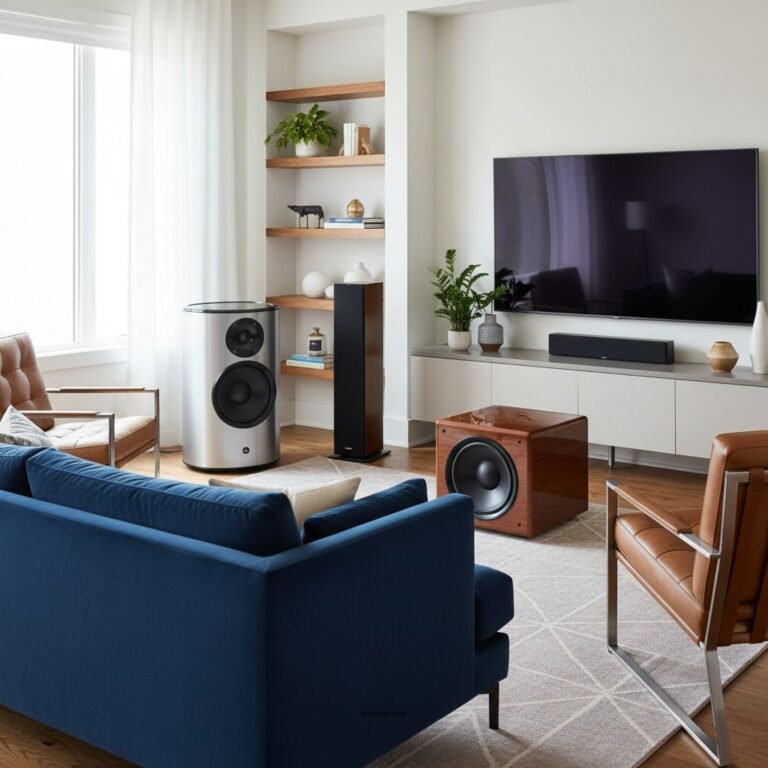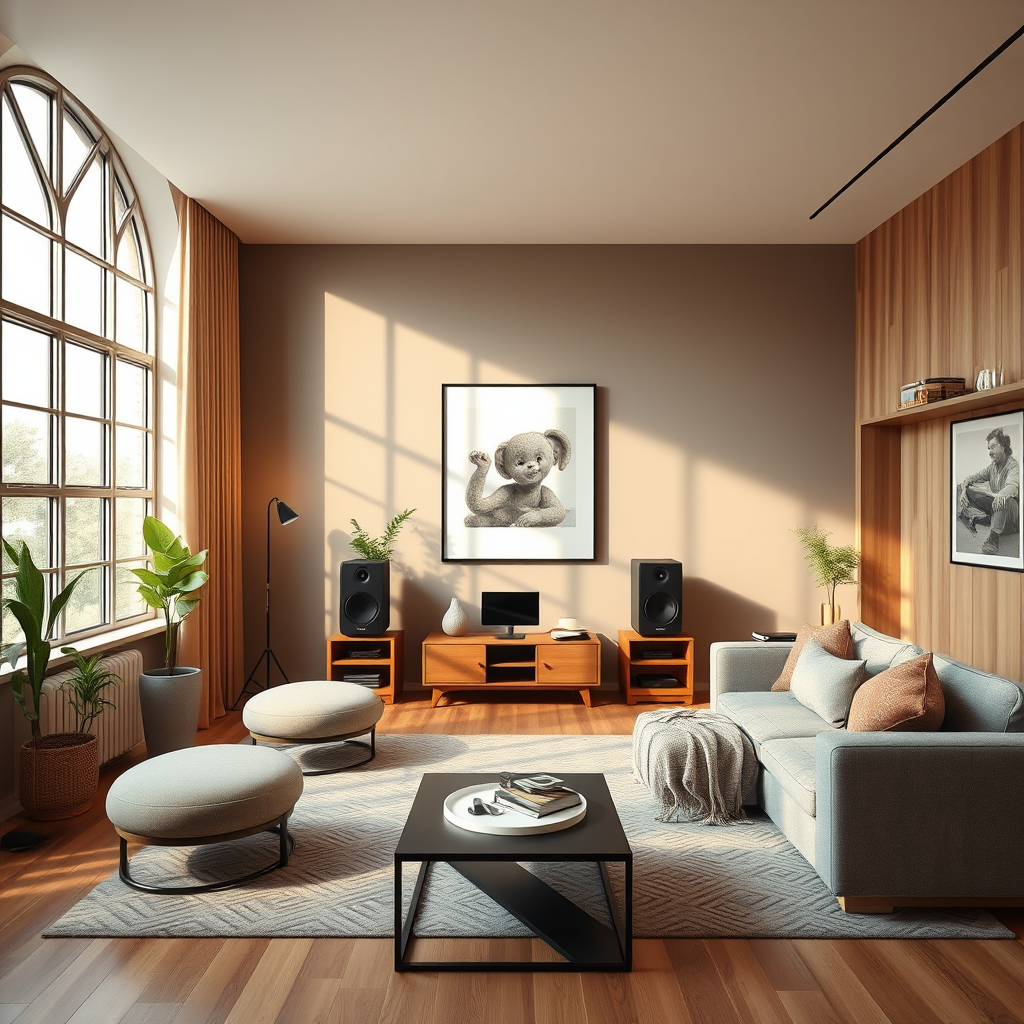

Understanding how to manipulate a room’s acoustics can significantly elevate audio performance. By strategically using materials and design elements, you can enhance sound quality, reduce unwanted noise, and create a more immersive listening experience. This article will guide you through the essential techniques to optimize your space for superior audio.
Understanding Room Acoustics
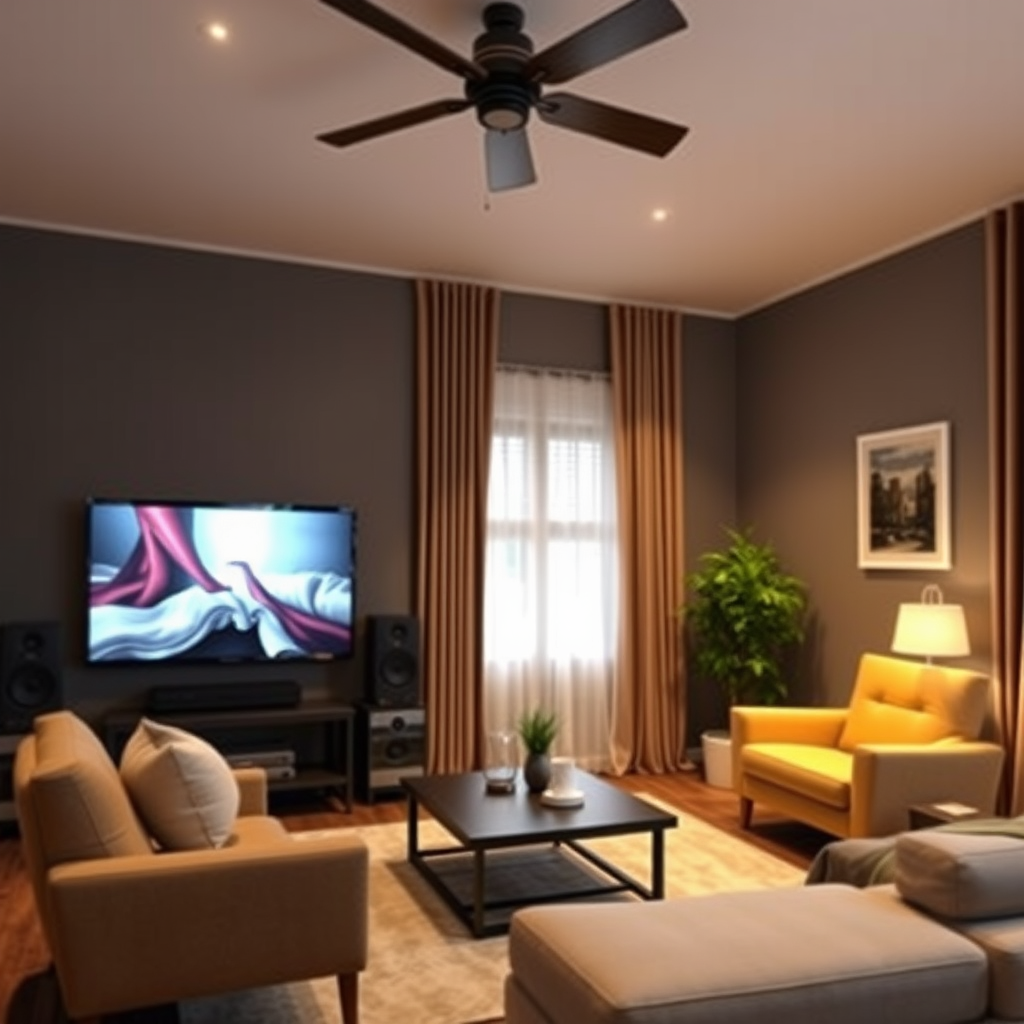
Room acoustics refers to how sound behaves in a given space, influenced by the room’s dimensions, shape, and materials. The acoustic properties of a room determine how sound waves reflect, absorb, and diffuse, directly impacting sound quality. For instance, a room with hard surfaces, such as concrete or glass, will reflect sound waves, potentially causing echoes and muddiness in audio. Conversely, rooms with soft furnishings, carpets, and acoustic panels can absorb sound, leading to clearer audio performance.
Moreover, the dimensions and shape of the room play a crucial role in sound propagation. Rooms with high ceilings or irregular shapes can create standing waves—areas where sound waves reinforce one another, causing certain frequencies to be overly pronounced or diminished. Understanding these acoustic principles is foundational to optimizing your space for the best audio performance possible.
Assessing Your Space
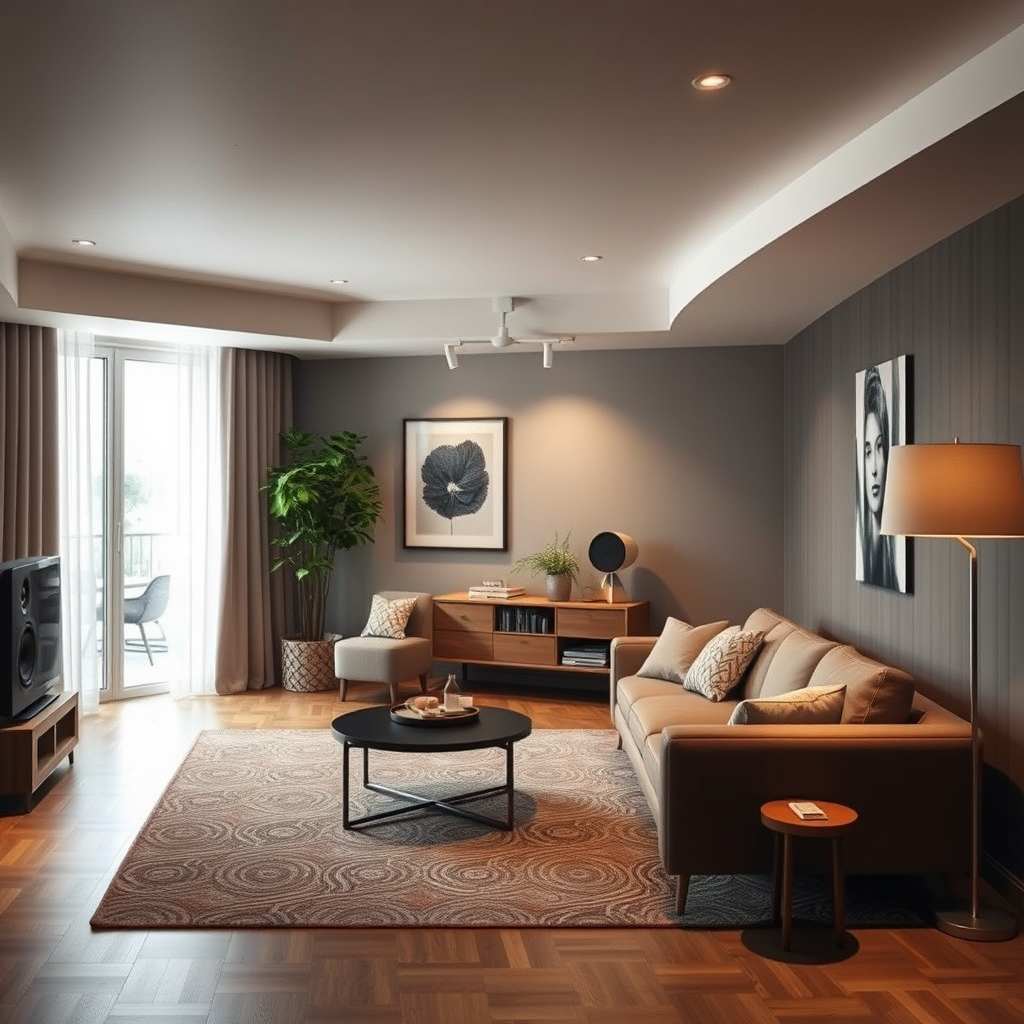
Before making any adjustments, it’s essential to evaluate your room’s current acoustic performance. One effective method is to conduct a simple listening test by playing a familiar piece of music at a moderate volume. Pay attention to areas where the sound seems either overly pronounced or lacking. Additionally, clap your hands in various locations around the room; if you hear echoes or prolonged reverberation, these are indicators of problematic acoustics.
To quantify acoustic performance, consider using tools such as a sound level meter or an acoustic analysis app. These tools can measure sound reflection and absorption across various frequencies, helping you identify specific issues such as acoustic dead spots or excessive reverberation.
Acoustic Treatments and Materials
Implementing acoustic treatments is key to optimizing room acoustics. Common sound-absorbing materials include acoustic foam panels, heavy curtains, carpets, and specialized acoustic tiles. These materials help mitigate unwanted reflections and reverberation, leading to improved clarity in audio playback.
Acoustic Treatment Comparison Table
Comparison of Acoustic Treatment Materials
| # | Material | Sound Absorption Coefficient | Cost per Square Foot | Installation Difficulty |
|---|---|---|---|---|
| 1 | Acoustic Foam Panels | 0.7 – 0.95 | $2.00 | Easy |
| 2 | Heavy Curtains | 0.5 – 0.8 | $1.50 | Easy |
| 3 | Carpets | 0.3 – 0.6 | $1.00 | Medium |
| 4 | Acoustic Tiles | 0.6 – 0.9 | $3.50 | Hard |
| 5 | Bass Traps | 0.9 – 1.0 | $4.00 | Medium |
| 6 | Diffusers | 0.5 – 0.75 | $2.50 | Medium |
| 7 | Soundproofing Panels | 0.8 – 1.0 | $5.00 | Hard |
Optimizing Speaker Placement
The arrangement of speakers can dramatically influence audio performance. For optimal sound distribution, speakers should be positioned at an equilateral triangle to the listening position, ensuring that the listeners experience a balanced sound stage. Additionally, speakers should be placed away from walls and corners, as proximity to these surfaces can lead to bass buildup and muddiness in the audio.
It is equally crucial to consider the listening position. Sitting too close or too far from the speakers can disrupt the soundstage and the balance of frequencies. Ideally, the distance between the speakers and the listener should be approximately equal to the distance between the speakers themselves, creating an immersive listening experience.
Managing Reflections and Resonances
Identifying and managing reflections and resonances is vital to achieving clear audio. Common reflection points include walls, ceilings, and floors, which can create echoes that interfere with sound clarity. To minimize these effects, strategically placing sound-absorbing materials at these reflection points can greatly enhance audio quality.
Additionally, problematic resonances can often be detected by listening for specific frequencies that seem overly pronounced. These frequencies can be managed through the use of bass traps and diffusers, which help to even out the sound response within the room.
Creating a Balanced Sound Environment
Achieving a balanced sound environment requires careful consideration of both absorption and reflection. An effective acoustic treatment strategy typically consists of a blend of sound-absorbing materials and diffusers. The goal is to create a space where sound can flow freely without excessive damping or reflection.
The layout and arrangement of furniture can also significantly affect sound quality. Soft furnishings can absorb sound, while hard surfaces can reflect it. Strategically placing bookshelves, rugs, and other items can help you achieve a more balanced sound environment, enhancing the overall listening experience.
Testing and Adjusting Your Setup
After implementing acoustic treatments and optimizing speaker placement, it is crucial to test your audio setup. Utilize a sound level meter to monitor changes in sound levels and room acoustics. Listening tests with various types of content, such as music, movies, and dialogue, can also provide insight into the effectiveness of your adjustments.
Fine-tuning your setup may require several iterations. Small adjustments, such as moving a speaker or adding a panel, can lead to significant improvements in sound quality. The key is to remain patient and systematic in your approach, continually assessing the impact of each change.
Effectiveness of Acoustic Treatments
Enhancing audio performance through effective use of room acoustics can transform your listening experience. By understanding and applying the techniques discussed, you can create an environment that maximizes sound clarity and enjoyment. Start by assessing your space and implementing strategic acoustic treatments today for a noticeable improvement in audio quality.
Frequently Asked Questions
What are the key factors in a room’s acoustics that affect audio performance?
The key factors in a room’s acoustics include room size, shape, surface materials, and furniture placement. Large, open spaces may create echoes, while smaller rooms can enhance sound clarity. Hard surfaces like tile and glass can reflect sound waves, whereas carpets and curtains absorb sound, reducing reverberation and improving audio clarity.
How can I assess the acoustic properties of my room for better audio quality?
To assess your room’s acoustic properties, start by listening for echo and clarity in sound when speaking or playing music. You can also perform a simple test by clapping your hands; if you hear a long echo, your room may need acoustic treatment. Additionally, using an audio analysis app can help identify problematic frequencies and areas that require soundproofing or absorption.
Why is it important to consider room acoustics when setting up a home studio?
Room acoustics are crucial in a home studio because they directly influence sound quality and recording accuracy. Poor acoustics can lead to muddled recordings and inaccurate mixing, making it difficult to achieve a polished final product. By optimizing your space, you can ensure that your recordings accurately reflect the intended sound, leading to better overall audio performance.
What are the best acoustic treatments to improve sound quality in a room?
The best acoustic treatments include sound-absorbing panels, bass traps, and diffusers. Acoustic panels help reduce reflections and reverberation, while bass traps target low-frequency sounds that can muddy your audio. Diffusers scatter sound waves evenly throughout the room, creating a balanced sound environment, which is essential for optimal audio performance.
Which positioning strategies can enhance audio performance using room acoustics?
To enhance audio performance, position speakers and microphones away from walls and corners to minimize reflections and standing waves. Experiment with placing your listening position at one-third of the room’s length from the front wall, as this often provides the best sound. Additionally, angling speakers slightly toward the listening area can improve clarity and overall audio experience.
References
- Room acoustics
https://en.wikipedia.org/wiki/Room_acoustics - https://www.ncbi.nlm.nih.gov/pmc/articles/PMC7134942/
https://www.ncbi.nlm.nih.gov/pmc/articles/PMC7134942/ - https://www.sciencedirect.com/topics/engineering/room-acoustics
https://www.sciencedirect.com/topics/engineering/room-acoustics - https://www.nature.com/articles/s41598-020-66174-w
https://www.nature.com/articles/s41598-020-66174-w - https://www.audioholics.com/education/room-acoustics-guide
https://www.audioholics.com/education/room-acoustics-guide - https://www.acoustics.org/pressroom/httpdocs/133rd/young.html
https://www.acoustics.org/pressroom/httpdocs/133rd/young.html - https://scholar.google.com/scholar?q=Room+Acoustics+Improvement Google Scholar
https://scholar.google.com/scholar?q=Room+Acoustics+Improvement - Google Scholar Google Scholar
https://scholar.google.com/scholar?q=Audio+Performance+and+Acoustics - Google Scholar Google Scholar
https://scholar.google.com/scholar?q=Room+Acoustics+and+Audio+Quality - Acoustics | Definition, Physics, & Facts | Britannica
https://www.britannica.com/science/acoustics