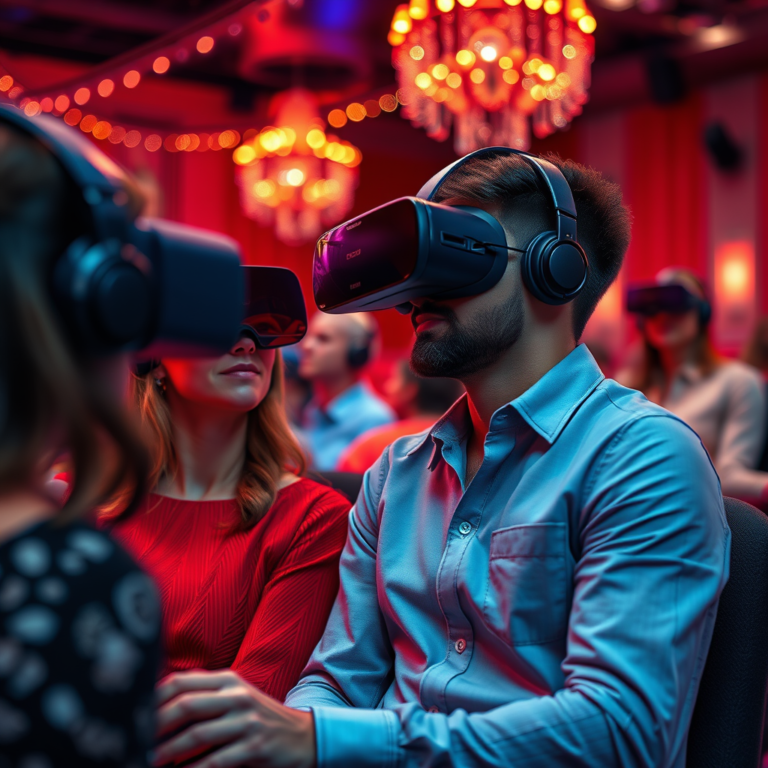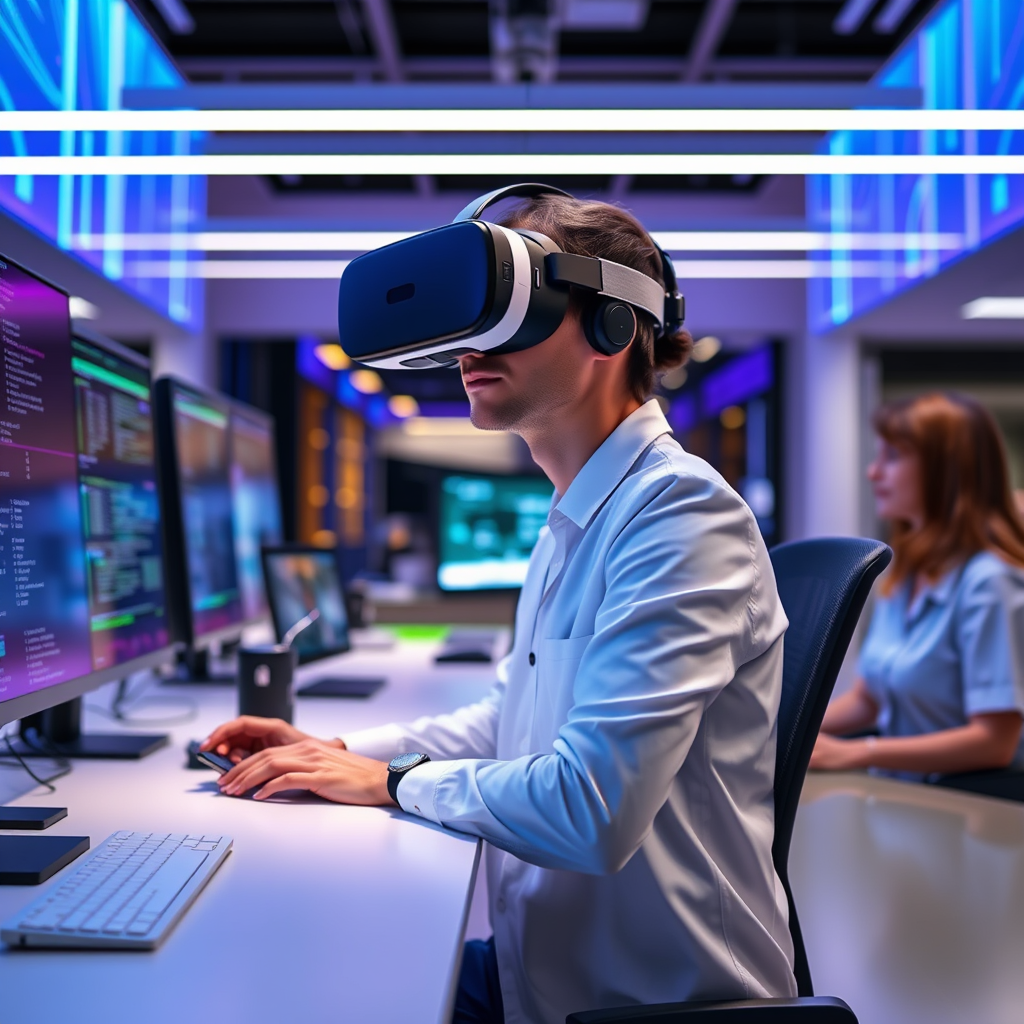

Virtual reality (VR) displays are revolutionizing medical training by offering immersive, hands-on experiences that significantly enhance the preparedness of healthcare professionals. By simulating complex procedures in a safe and controlled environment, VR allows learners to practice and refine their skills without the pressure of real-life consequences. This article will take you through the transformative impact of VR displays on medical education and the myriad benefits they bring to the field.
The Rise of VR in Medical Training
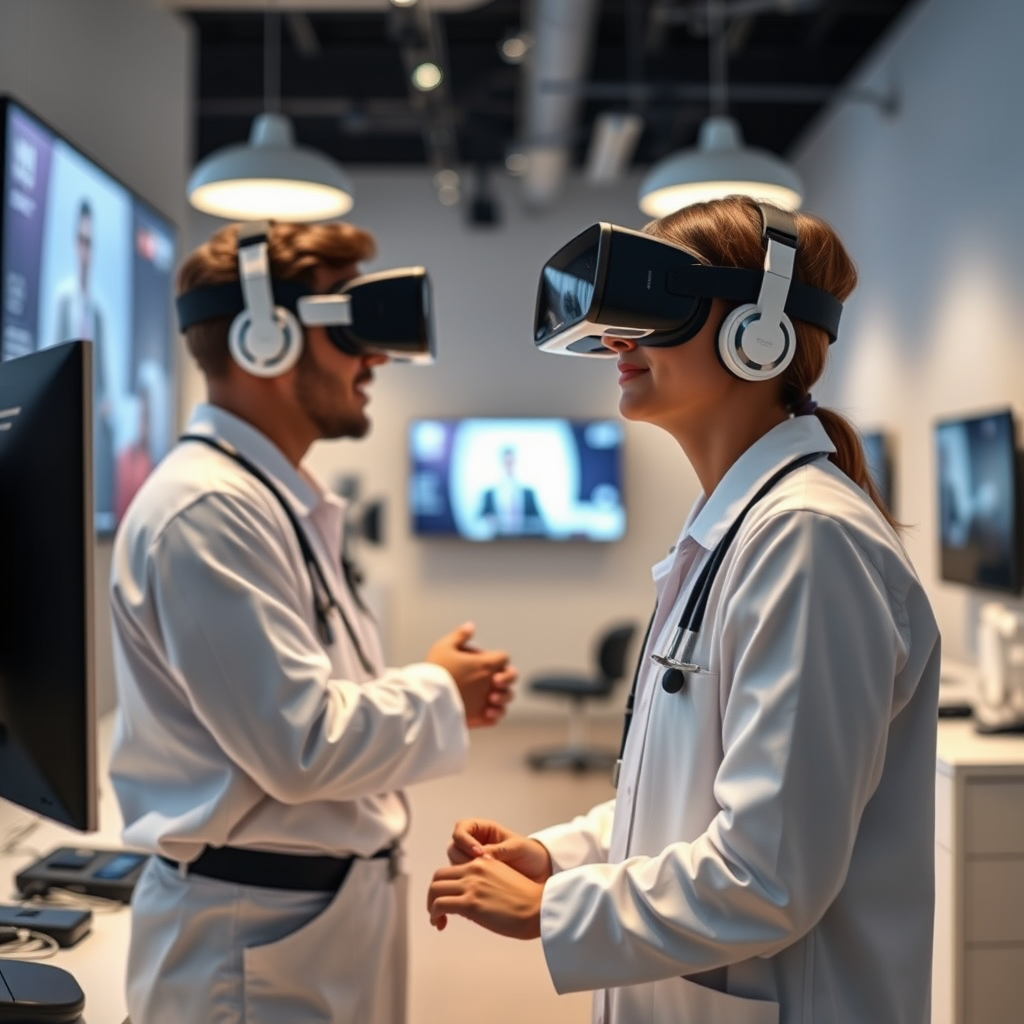
The adoption of VR technology in healthcare has surged in recent years as institutions strive to improve training methods and outcomes. Major medical schools and hospitals are increasingly incorporating VR into their curricula to provide students and staff with advanced learning tools. For instance, institutions like Stanford University and the University of California, Irvine, have developed VR programs that allow medical students to engage in realistic surgical simulations. These innovative platforms are not only enhancing the educational experience but are also making it more engaging and accessible. As healthcare continues to evolve, the integration of VR technology is becoming a standard practice, paving the way for more effective training solutions.
Enhancing Realism and Immersion
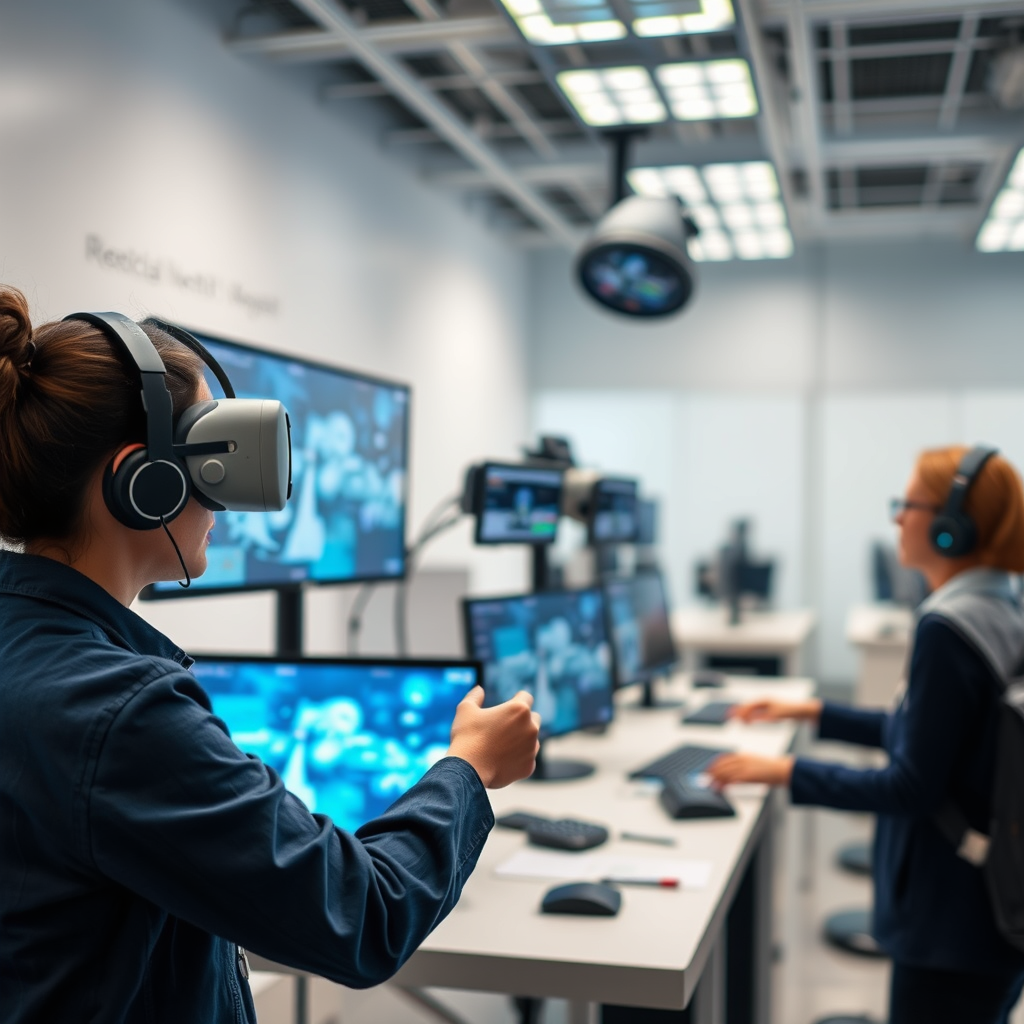
High-resolution displays play a crucial role in creating lifelike simulations that enhance the realism of medical training. With advancements in VR technology, healthcare professionals can now engage in detailed 3D environments that accurately represent human anatomy and surgical procedures. This level of detail allows learners to visualize complex operations and better understand the intricacies involved.
Moreover, the introduction of haptic feedback technology takes immersion a step further. By simulating the tactile sensations of performing surgery—like the resistance of tissue or the pressure of suturing—haptic devices provide a more comprehensive learning experience. This multi-sensory approach not only captivates learners but also reinforces the physical skills needed in real-life medical situations.
Cost-Effectiveness and Accessibility
When comparing the costs of traditional training methods with VR, it’s clear that VR offers a more cost-effective solution over time. Traditional training often requires expensive equipment, cadavers, and extensive personnel involvement. In contrast, a single VR setup can serve multiple learners and can be updated easily with new training modules as medical practices evolve.
Additionally, VR technology opens doors for remote training, making it accessible to a wider range of learners, including those in rural or underserved areas. For example, a nurse in a remote clinic can participate in a VR training session on advanced cardiac life support without needing to travel long distances. This accessibility ensures that high-quality training is available to everyone, regardless of their geographical location.
Customization and Scalability
One of the standout features of VR training programs is their ability to be customized to fit specific medical fields or procedures. This adaptability allows educators to design training modules that align closely with the unique needs of their learners. For instance, surgical residents can practice particular techniques, such as laparoscopic surgery or orthopedic procedures, tailored to their training requirements.
Moreover, VR training programs can be scaled across multiple institutions, enabling collaboration and sharing of resources. This scalability means that even small medical schools can access top-tier training simulations, leveling the playing field in medical education and fostering a more uniform standard of learning across the board.
Improving Retention and Skill Transfer
Research has shown that immersive learning environments, such as those provided by VR, significantly enhance knowledge retention. Studies indicate that learners who engage with VR training retain information better than those who rely on traditional methods, such as lectures or textbooks. The hands-on experience allows individuals to apply theoretical knowledge in practical scenarios, reinforcing their understanding.
Furthermore, the skills acquired through VR training are more easily transferable to real-world situations. A study conducted by the American College of Surgeons found that residents who trained with VR simulations performed better during actual procedures compared to those who had not. This correlation highlights the effectiveness of VR training in bridging the gap between theory and practice, ultimately leading to improved patient outcomes.
Overcoming Challenges and Limitations
Despite the many advantages, there are still challenges and limitations associated with VR technology in medical training. One significant hurdle is the cost of VR equipment, which can be a barrier for smaller institutions or those with limited funding. Additionally, technical issues such as software glitches or hardware malfunctions can disrupt training sessions, leading to frustration among learners and instructors alike.
To address these challenges, institutions can explore partnerships with VR companies, seek grants, or invest in shared resources to amortize costs. Furthermore, ongoing training and support for educators and technical staff can mitigate technical issues, ensuring a smooth and productive learning experience.
Future Trends in VR for Medical Education
Looking ahead, emerging technologies promise to further enhance VR training in the medical field. The integration of artificial intelligence (AI) could lead to personalized learning experiences, where VR systems adapt to each learner’s pace and style, providing targeted feedback and support. Additionally, the development of mixed reality (MR) environments could combine the best aspects of VR and augmented reality (AR), offering even richer simulations that interact with the real world.
As VR technology continues to evolve, we can anticipate a future where medical education becomes even more engaging, effective, and accessible. This evolution will ultimately lead to better-trained healthcare professionals, ensuring improved patient care and outcomes.
The advancements in VR displays are revolutionizing medical training by providing realistic, cost-effective, and customizable learning experiences. As technology continues to develop, the potential for VR to improve healthcare education and patient outcomes will only grow. For those in the medical field, staying informed about these innovations is essential to maximizing their training and skills. Embracing VR technology will not only enrich the learner’s experience but also contribute to the future success of healthcare delivery worldwide.
Frequently Asked Questions
What are the main benefits of using VR displays for medical training?
VR displays offer numerous benefits for medical training, including immersive simulations that replicate real-life scenarios without risking patient safety. They enhance the learning experience by allowing trainees to practice complex procedures repeatedly, thereby improving their skills and confidence. Additionally, VR environments provide instant feedback, enabling learners to identify and correct mistakes in a controlled setting.
How do VR displays enhance the retention of medical knowledge among trainees?
VR displays enhance retention of medical knowledge by engaging multiple senses and providing interactive experiences that make learning memorable. This immersive approach allows users to visualize anatomy and practice procedures in a realistic 3D space, which can lead to better understanding and recall. Furthermore, the experiential learning aspect of VR promotes deeper cognitive processing, solidifying information long after the training session is over.
Why is VR technology becoming essential in medical education?
VR technology is becoming essential in medical education due to its ability to bridge the gap between theoretical knowledge and practical application. Traditional training methods often lack the hands-on experience required for proficiency, but VR allows for safe, repeatable practice in a risk-free environment. Additionally, the COVID-19 pandemic has accelerated the adoption of virtual training solutions, showcasing the need for flexible and innovative educational tools in healthcare.
Which medical specialties are benefiting the most from VR training?
Various medical specialties are benefiting from VR training, particularly surgery, emergency medicine, and anesthesia. Surgical trainees can practice intricate procedures using VR simulations, which can help reduce the learning curve when working on real patients. Emergency medicine practitioners also use VR to simulate high-pressure scenarios, while anesthesiologists can hone their skills in monitoring and managing anesthesia delivery in a virtual setting.
What features should I look for when choosing a VR system for medical training?
When choosing a VR system for medical training, look for features such as high-resolution graphics for realistic visuals, haptic feedback for tactile responses, and a user-friendly interface that facilitates smooth navigation. Additionally, consider systems that offer a wide range of training modules covering various procedures and specialties, as well as robust analytics for tracking progress and performance. Finally, ensure that the system is compatible with existing educational frameworks and can integrate easily into your training programs.
References
- https://www.ncbi.nlm.nih.gov/pmc/articles/PMC7320546/
- https://www.hhs.gov/about/agencies/asa/ocio/initiatives/vr-in-health-care-training.html
- https://www.frontiersin.org/articles/10.3389/fpsyg.2021.606879/full
- https://www.healthaffairs.org/do/10.1377/hblog20210316.669126/full/
- https://www.journalofmedicalinternetresearch.org/2021/6/e25269/
- Client Challenge
- https://www.bmj.com/content/375/bmj.n2203
- https://www.wired.com/story/virtual-reality-medical-training/