
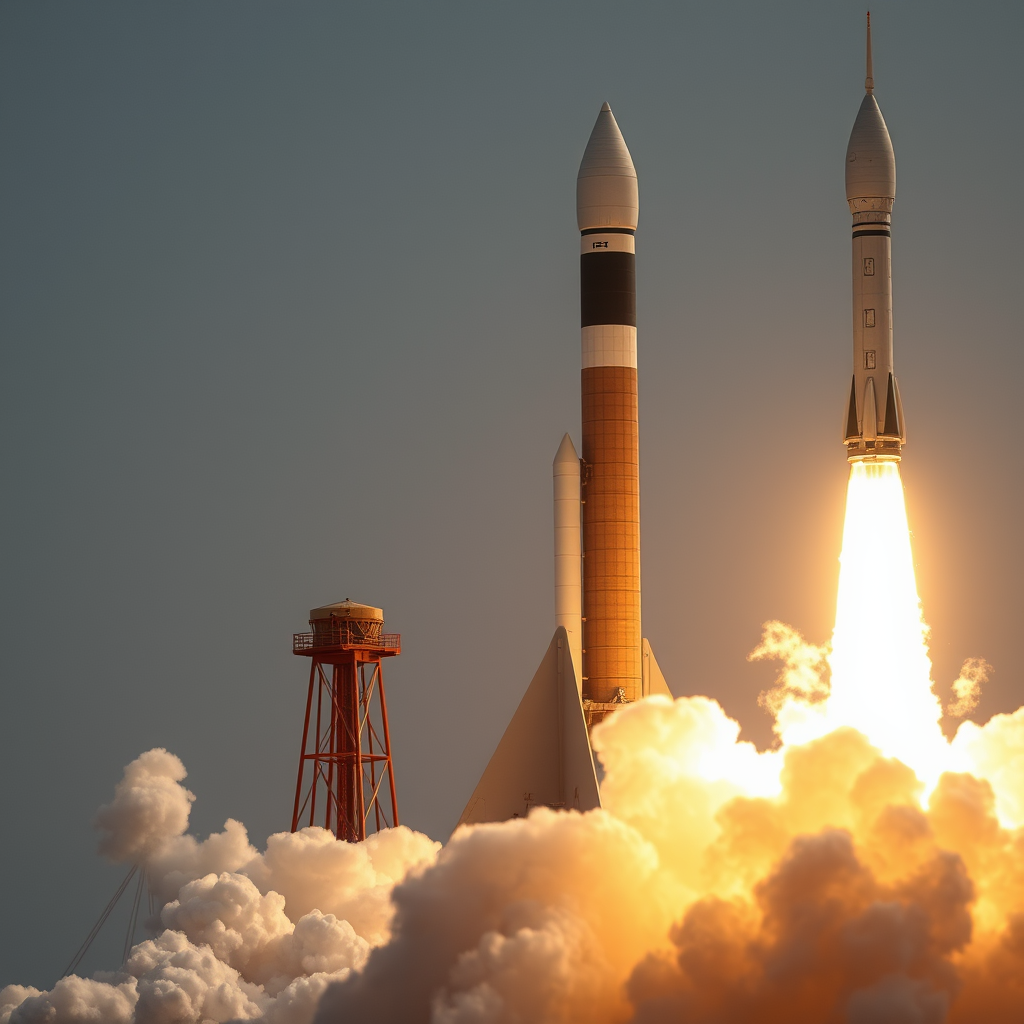

Reusable rockets are transforming the aerospace industry by significantly lowering launch costs through the ability to fly multiple missions with the same hardware. This revolutionary approach not only makes space access more affordable but also paves the way for a more sustainable future in space exploration. As advancements in technology continue to enhance the efficiency and reliability of these rockets, we’re witnessing a new era in which space missions are becoming increasingly accessible to commercial entities and governments alike.
The Economics of Reusable Rockets
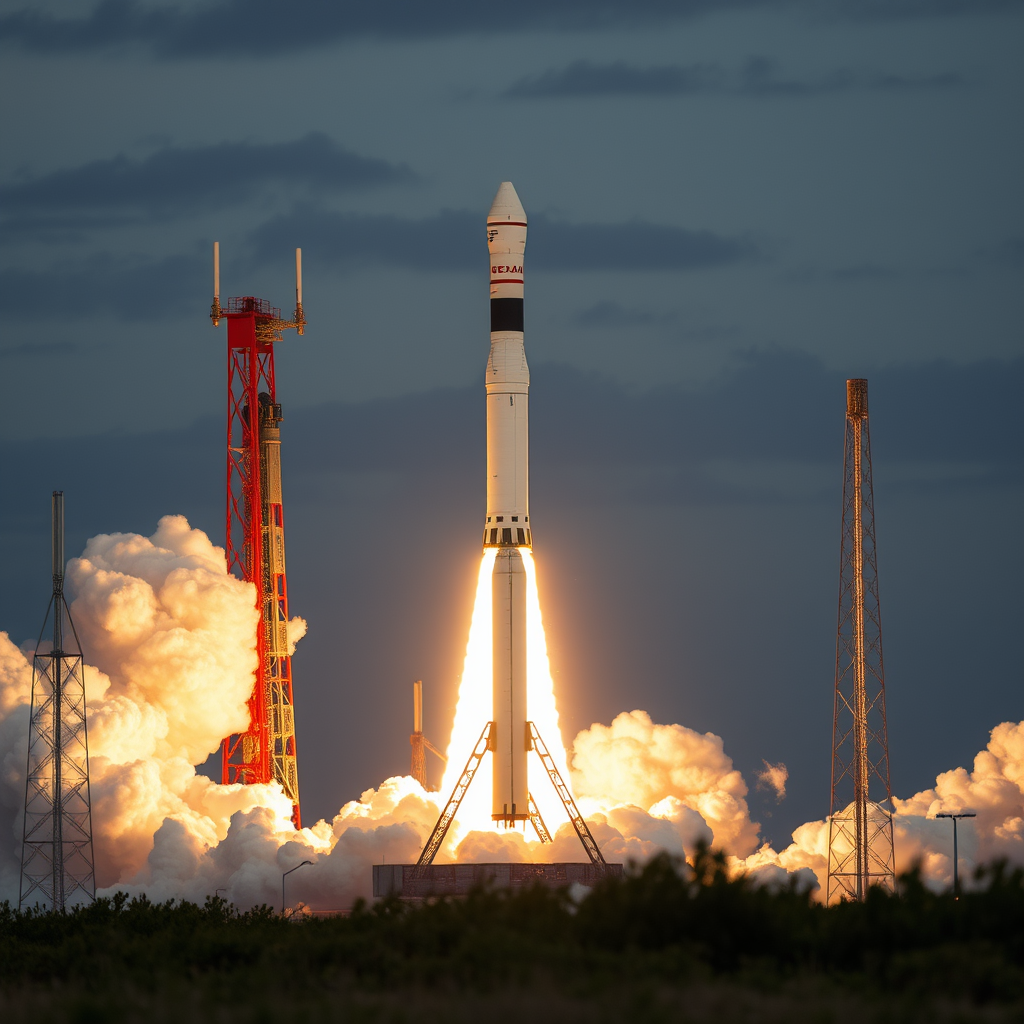
The primary financial advantage of reusable rockets lies in their ability to be launched multiple times, allowing companies to spread the hefty costs of development and manufacturing over several missions. For example, SpaceX’s Falcon 9 rocket has successfully flown multiple missions using the same first stage, which drastically reduces the cost per launch. This capability enables companies to offer competitive pricing for satellite launches, making space more accessible to smaller businesses and startups. By lowering the financial barriers to entry, reusable rockets are fostering a new landscape of innovation, where even emerging companies can participate in the space race.
Moreover, the reduction in manufacturing expenses allows established players to lower their launch prices, further intensifying competition. With each successful reuse of a rocket, the savings accumulate, creating a ripple effect across the entire aerospace industry. This economic model is changing the way we think about space missions, transitioning from a high-cost model to a more sustainable, cost-effective approach.
Technological Innovations Driving Reusability
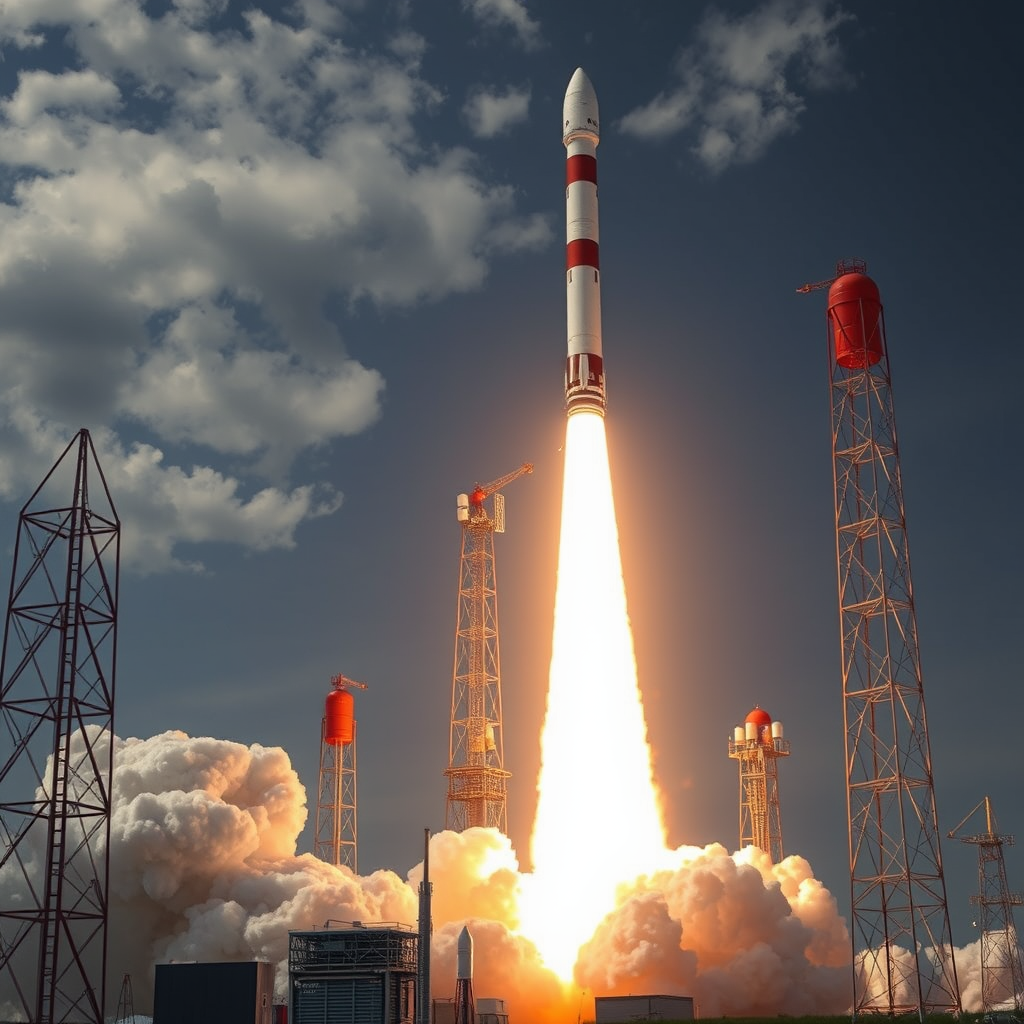
The success of reusable rockets is not just a matter of finance; it’s also fueled by groundbreaking technological innovations. Advances in materials science have led to the development of stronger, lighter materials that can withstand the extreme conditions of launch and re-entry. For instance, SpaceX utilizes a proprietary alloy for its engines that withstands intense heat and pressure, ensuring durability for multiple flights.
Engineering designs have evolved as well, enhancing the performance of reusable rockets. Systems for safe landings, such as grid fins and landing legs, have been perfected over the years. These innovations allow rockets to execute controlled landings on solid ground or drone ships in the ocean, dramatically increasing the likelihood of recovery and reuse. Each successful landing not only demonstrates engineering prowess but also reinforces the economic viability of reusing rocket components.
Impact on the Space Industry
The rise of reusable rockets has catalyzed a wave of competition and innovation within the aerospace sector. Companies like SpaceX and Blue Origin are at the forefront, pushing the boundaries of what is possible in rocket technology. SpaceX’s frequent launches and successful landings have set a new standard for the industry, compelling other companies to adapt and innovate to keep pace.
This competitive landscape is driving down costs and increasing the frequency of launches. With more players entering the market, we are seeing a diversification of mission types, from satellite deployments to crewed missions to the International Space Station. As launch prices continue to decrease, the opportunities for collaboration between governments and private companies increase, leading to even more innovative projects.
Environmental Considerations
Sustainability is an increasingly important aspect of modern aerospace endeavors, and reusable rockets play a pivotal role in reducing the environmental impact of space activities. Traditional expendable rockets generate a significant amount of waste, as they are often discarded after a single use. In contrast, reusable rockets minimize waste by allowing components to be refurbished and used again.
This shift towards reusability aligns with global efforts to mitigate environmental damage and promote sustainable practices in all industries. By reducing the frequency of rocket production and minimizing waste, the aerospace sector can decrease its carbon footprint and contribute to broader sustainability goals. As companies continue to innovate and improve the reusability of their rockets, we can expect further positive environmental impacts.
Future Prospects for Launch Costs
Looking ahead, the potential for further cost reductions in rocket launches is immense. As technology continues to improve and more players enter the market, we can anticipate a significant transformation in how we approach space exploration. The integration of artificial intelligence and automation in rocket design and manufacturing processes could streamline operations, leading to even lower costs.
Moreover, reusable rockets are poised to play a crucial role in enabling commercial space travel and exploration missions. With lower launch costs, space tourism and research missions could become viable options for an even broader audience. Companies are already planning missions to the Moon and Mars, and reusable rockets will be a critical component in making these ambitious goals a reality.
Challenges to Overcome
Despite the promising advancements in reusable rocket technology, several challenges remain. Technical hurdles related to the refurbishment and maintenance of reusable components must be addressed to ensure reliability and safety. Each rocket needs thorough inspections and repairs before being deemed flight-ready again, which can be time-consuming and costly.
Additionally, regulatory and safety issues present obstacles for widespread adoption. Ensuring that reusable rockets meet stringent safety standards is essential for public confidence in space travel. Collaborative efforts between companies and regulatory bodies will be key to overcoming these challenges and facilitating the growth of reusable rocket technology.
The Role of Government and Private Sector Collaboration
Collaboration between government agencies and private companies is vital in accelerating the development of reusable rocket technologies. Partnerships can provide much-needed funding and support for research initiatives aimed at improving the efficiency and reliability of reusable rockets. For example, NASA has partnered with SpaceX for crewed missions to the International Space Station, demonstrating how government support can bolster private sector innovation.
Furthermore, collaborative projects can drive advancements in technology that benefit both parties, ultimately leading to a more robust aerospace industry. As governments and private companies work together, we can expect to see continued progress in making space more accessible and affordable.
The advancements in reusable rocket technology are reshaping the landscape of space exploration and satellite deployment. As costs continue to decline and efficiency improves, we can expect a new era of accessibility to space. Whether you’re a space enthusiast or a business looking to leverage these technologies, staying informed on these trends is essential. The future of space is bright, and the journey has only just begun.
Frequently Asked Questions
How do reusable rockets help reduce launch costs?
Reusable rockets significantly lower launch costs by allowing the same rocket components to be used multiple times, rather than building a new rocket for each mission. This not only cuts down on material expenses but also minimizes the labor and operational costs associated with manufacturing new rockets. By reusing parts, companies can achieve economies of scale, making space access more affordable and sustainable in the long run.
What are the most prominent reusable rocket programs currently in operation?
Some of the most notable reusable rocket programs include SpaceX’s Falcon 9 and Falcon Heavy, which have successfully landed their first stages after launch and have been reused multiple times. Blue Origin’s New Shepard is another example, focusing on suborbital flights. These programs have proven the viability of reusability in space travel, leading to increased competition and innovation in the aerospace industry.
Why is reusability important for the future of space exploration?
Reusability is crucial for the future of space exploration because it drastically lowers the cost per launch, enabling more frequent missions and the possibility of more ambitious projects, such as Mars colonization or asteroid mining. Additionally, it promotes sustainable practices in space travel by reducing waste and resource consumption. As the industry evolves, reusability could pave the way for a more robust and accessible space economy.
Which companies are leading the way in reusable rocket technology?
SpaceX is often seen as the pioneer in reusable rocket technology, with its Falcon 9 and Falcon Heavy rockets achieving numerous successful re-flights. Other companies making significant strides include Blue Origin with its New Shepard and Rocket Lab, which is developing a reusable version of its Electron rocket. These companies are driving innovation and competition, pushing the boundaries of what is possible in space travel.
What are the challenges associated with developing reusable rockets?
Developing reusable rockets presents several challenges, including the need for advanced engineering to ensure that rocket components can withstand the stresses of multiple launches and landings. Additionally, achieving a reliable turnaround time between flights is critical, and companies must invest in refurbishment processes to maintain safety and performance standards. Balancing cost, reliability, and performance remains a key challenge as the industry progresses toward more sustainable space travel.
References
- Reusable launch vehicle
- https://www.nasa.gov/mission_pages/launchservices/launch/reusable_rockets.html
- https://www.reuters.com/technology/spacexs-reusable-rockets-are-changing-space-industry-2021-05-05/
- https://www.bbc.com/news/science-environment-49990215
- https://www.sciencedirect.com/science/article/abs/pii/S0094576521001291
- https://www.forbes.com/sites/startswithabang/2021/05/10/how-reusable-rockets-are-changing-space-travel/?sh=4a1c1e1c6c53
- https://www.space.com/reusable-rockets-space-launch-costs
- https://www.airspacemag.com/space/reusable-rockets-180973368/


