Satellite messaging has become an essential feature in communication devices, allowing users to stay connected even in the most remote locations where cellular networks fail. This groundbreaking technology not only enhances safety for outdoor enthusiasts but also provides peace of mind for those venturing into uncharted territories. In this article, we’ll explore how satellite messaging works, its benefits, key players in the industry, and what the future holds for this innovative technology.
Understanding Satellite Messaging

Satellite messaging is a communication method that leverages satellites orbiting the Earth to relay messages between users in areas that lack cellular coverage. Unlike traditional mobile networks that rely on ground-based towers, satellite messaging ensures that individuals can send and receive communication regardless of their geographic location. This capability is particularly useful in remote areas such as mountains, forests, and oceans, where cellular signals are often nonexistent.
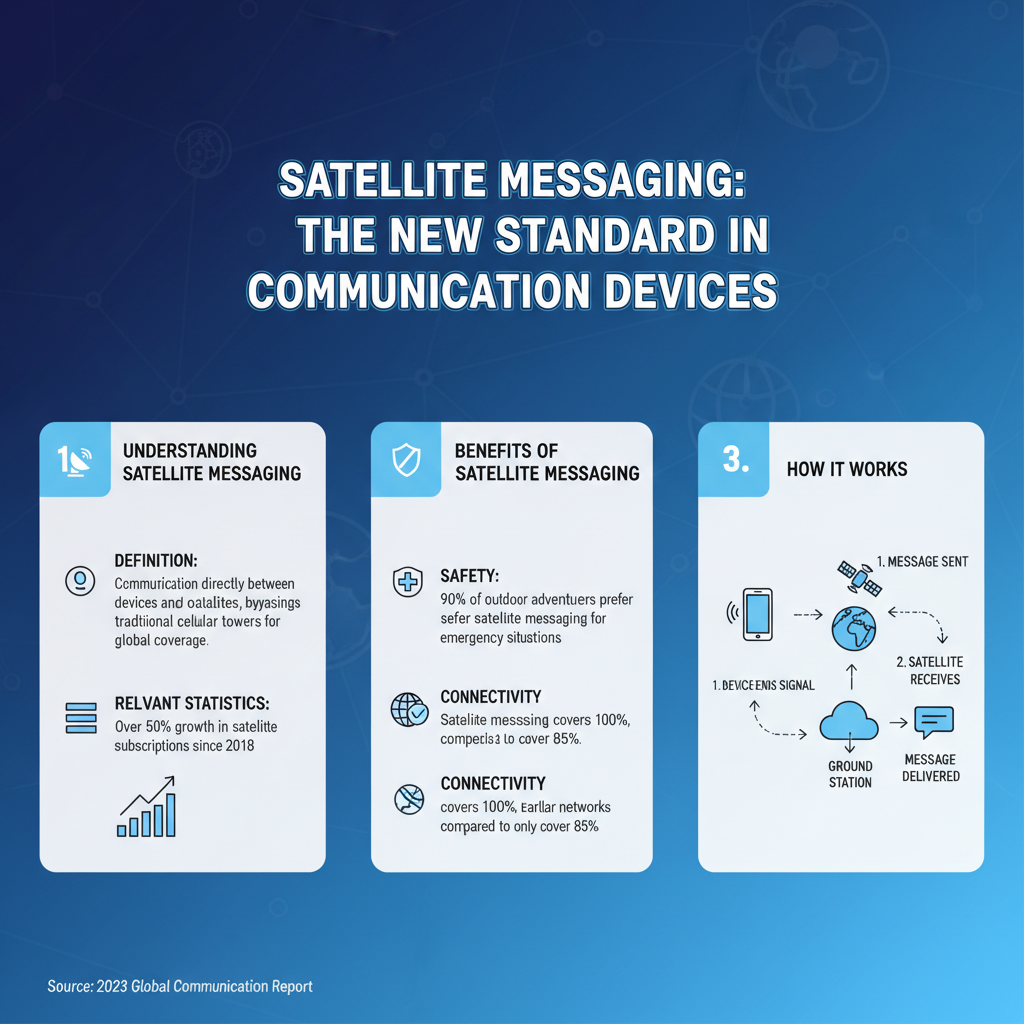
With satellite messaging, users can send text messages, share their location data, and even issue emergency alerts when necessary. For outdoor enthusiasts like hikers and backpackers, this form of communication is vital for both safety and navigation. Emergency responders also benefit greatly from satellite messaging, as it enables them to coordinate efforts in disaster-stricken areas where conventional communication systems have failed.
Benefits of Satellite Messaging

The benefits of satellite messaging are numerous, making it an invaluable tool for various users. One of the most significant advantages is the reliable communication it provides during emergencies. In situations where every second counts, being able to call for help can be life-saving. For instance, if a hiker gets injured while on a remote trail, they can use a satellite messaging device to alert rescue teams, ensuring timely assistance.
Moreover, satellite messaging enhances safety for travelers and adventurers venturing into places without reliable cell service. Whether it’s a solo traveler exploring the wilderness or a group of sailors navigating through rough seas, having the ability to communicate with the outside world adds a layer of security. This technology can also be an essential component of safety plans for families and individuals who frequently engage in outdoor activities, giving loved ones peace of mind knowing they can reach them if necessary.
How It Works
Understanding how satellite messaging works adds to its allure. Satellite devices connect directly to satellites orbiting the Earth, which then relay the messages to ground stations. This process allows for two-way communication, enabling users to send and receive messages seamlessly.
Most satellite messaging devices are equipped with user-friendly applications designed for easy navigation. Users can compose messages, share their GPS location, and even track their travel routes. Some devices also integrate with smartphones, creating a more familiar interface for users accustomed to traditional texting and messaging apps.
One noteworthy example is the Garmin inReach device, which not only allows users to send and receive messages but also provides a built-in SOS feature to alert emergency services. This dual functionality emphasizes the practical applications of satellite messaging in both everyday and emergency situations.
Key Players in Satellite Messaging
The satellite messaging market is diverse, with several major companies leading the charge. Garmin, Iridium, and Globalstar are some of the most recognized brands in this space, each providing unique features and services tailored to various user needs.
Garmin is well-known for its rugged outdoor devices, offering comprehensive satellite messaging capabilities paired with navigation features. Iridium boasts the largest satellite network, providing global coverage even in the most remote areas, making it a popular choice for maritime and aviation users. Globalstar, on the other hand, focuses on affordability and ease of use, appealing to casual outdoor enthusiasts and travelers.
When choosing a satellite messaging provider, it’s essential to consider factors such as network coverage, device compatibility, and subscription plans. Each provider has its strengths and weaknesses, so understanding your specific needs can help you make an informed decision.
Real-World Applications
The real-world applications of satellite messaging are vast and varied. Hikers, sailors, pilots, and even remote workers have all found ways to incorporate this technology into their daily lives. For instance, many outdoor adventurers carry satellite messaging devices to maintain contact with family and friends while exploring off-grid locations. This not only enhances their safety but also allows for real-time sharing of their travel experiences.
Additionally, satellite messaging technology is increasingly being integrated into personal safety devices and wearable tech. Products like smartwatches and fitness trackers are beginning to feature satellite messaging capabilities, making it easier for everyday users to stay connected without carrying multiple devices. These advancements are democratizing satellite messaging, expanding its accessibility to a broader audience beyond just hardcore adventurers.
The Future of Satellite Messaging
Looking ahead, the future of satellite messaging appears promising. Advances in technology are continually making satellite messaging more affordable and user-friendly. As satellite technology evolves, we can expect to see a reduction in costs associated with devices and service plans, making it more accessible to the general public.
One exciting development on the horizon is the integration of satellite messaging with smartphones. Imagine being able to send a text message to a friend from your smartphone even when you’re hiking in a remote area with no cell service! This potential integration could make satellite messaging a part of everyday communication for many users, effectively bridging gaps in connectivity.
Moreover, the increasing focus on disaster preparedness and response will likely drive further adoption of satellite messaging technologies. As more people recognize the importance of staying connected in emergencies, we can expect a surge in demand for reliable communication solutions.
In summary, satellite messaging has swiftly emerged as a standard feature in modern communication devices, enhancing connectivity in areas where traditional networks fall short. Its ability to provide reliable communication during emergencies and enhance safety for various users underscores its growing importance. With continual technological advancements, the future of satellite messaging looks bright, promising even greater accessibility and integration into everyday devices. If you haven’t already considered incorporating satellite messaging into your communication toolkit, now is the perfect time to explore its benefits for peace of mind in any situation.
Frequently Asked Questions
What is satellite messaging and how does it work?
Satellite messaging is a communication technology that enables users to send and receive messages via satellites instead of traditional cellular networks. This system works by sending messages from a user’s device to a satellite, which then relays the message to the intended recipient, whether they are on land, at sea, or in remote areas. This capability ensures reliable communication in locations where cellular service is unavailable, making it particularly valuable for outdoor enthusiasts, emergency responders, and remote workers.
Why has satellite messaging become a standard feature in devices?
Satellite messaging has become a standard feature in devices primarily due to the increasing demand for reliable communication in remote and challenging environments. As outdoor activities and travel to isolated locations gain popularity, users seek solutions that allow them to stay connected regardless of their surroundings. Additionally, advancements in satellite technology have made it more feasible and cost-effective for manufacturers to integrate this feature into smartphones and other devices, enhancing safety and accessibility.
Which devices currently support satellite messaging capabilities?
A variety of devices now support satellite messaging capabilities, including smartphones, handheld satellite messengers, and rugged tablets. Major smartphone brands have started integrating satellite messaging into their latest models, allowing users to send texts and share their location via satellite directly from their devices. Companies like Garmin and Inmarsat also produce dedicated satellite messengers that provide robust messaging features, catering to adventurers and professionals working in remote areas.
How does satellite messaging enhance safety for outdoor adventurers?
Satellite messaging significantly enhances safety for outdoor adventurers by providing a reliable means of communication when traditional networks are unavailable. Users can send emergency messages, share their GPS coordinates, and receive weather updates, ensuring they remain informed and connected even in remote terrains. This capability can be crucial for coordinating rescue efforts or simply checking in with loved ones, ultimately reducing risks associated with outdoor activities.
What are the best practices for using satellite messaging effectively?
To use satellite messaging effectively, users should familiarize themselves with their device’s features and understand the limitations of satellite communication, such as potential delays or the need for a clear line of sight to the sky. It’s also advisable to pre-program emergency contacts and ensure that messages are concise to maximize clarity and efficiency. Additionally, users should regularly check battery life and maintain their devices in good working condition to ensure they are prepared for any situation while outdoors.
References
- https://en.wikipedia.org/wiki/Satellite_messaging
- https://www.bbc.com/news/technology-59000136
- https://www.reuters.com/technology/how-satellite-internet-works-2021-10-25/
- https://www.sciencedirect.com/science/article/pii/S009830041930204X
- https://www.nasa.gov/feature/nasa-satellite-communications
- https://www.itu.int/en/ITU-R/space/Pages/satellite.aspx
- https://www.techrepublic.com/article/how-satellite-messaging-is-becoming-a-standard-feature-in-smartphones/