
Self-driving trucks are set to revolutionize the logistics industry by enhancing efficiency, slashing costs, and tackling the pressing driver shortage. As technology advances, these autonomous vehicles promise to transform transportation dynamics, making supply chains more robust and responsive. In this article, we’ll explore how self-driving trucks are changing the face of logistics, the benefits they bring, the challenges they face, and what the future holds for this exciting sector.
The Rise of Autonomous Trucks
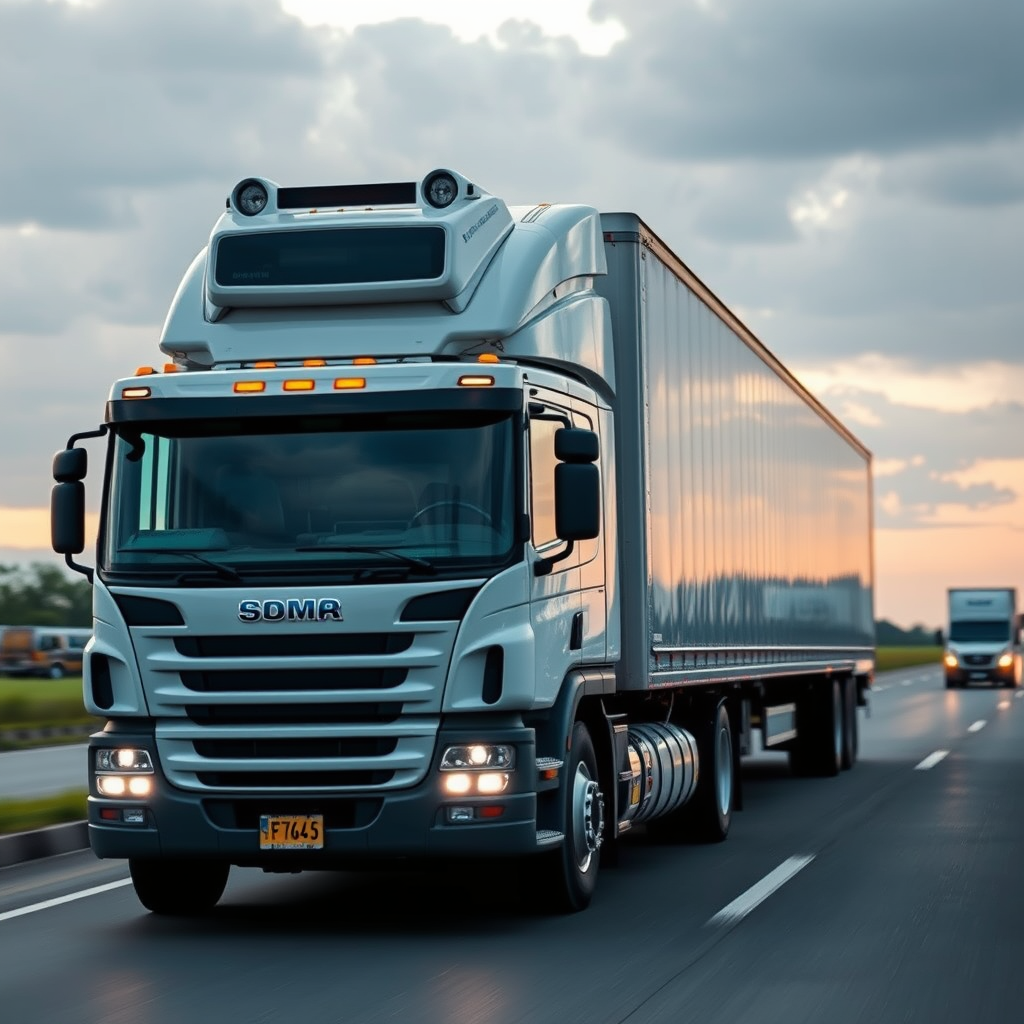
The technology behind self-driving trucks is grounded in a mix of artificial intelligence, machine learning, and advanced sensor systems. These vehicles utilize LIDAR, cameras, and radar to navigate roads, recognize obstacles, and make real-time decisions, enabling them to operate safely without human intervention. Companies like Waymo, Tesla, and Aurora are at the forefront of this innovation, investing heavily in research and development to refine their autonomous driving systems. Additionally, traditional logistics giants such as UPS and FedEx are exploring partnerships and investments in this technology to stay competitive in an evolving marketplace.
Benefits of Self-Driving Trucks

One of the most significant advantages of self-driving trucks is their ability to increase efficiency and reduce delivery times. Autonomous trucks can operate around the clock, minimizing downtime and maximizing productivity. For instance, while traditional trucks may need to stop for driver rest breaks, self-driving trucks can continue on their routes, leading to faster delivery times and more reliable service.
Cost savings are another compelling reason for the adoption of autonomous trucks. By reducing the reliance on human drivers, companies can lower labor costs significantly. Moreover, autonomous vehicles are designed to optimize fuel consumption and reduce maintenance costs through consistent, efficient driving patterns. This combination of factors can lead to substantial operational savings, making logistics operations more sustainable and profitable.Addressing the Driver Shortage
The trucking industry is currently grappling with a significant driver shortage, which has been exacerbated by an aging workforce and a lack of new entrants into the profession. According to the American Trucking Associations, the industry is short approximately 80,000 drivers, a figure that could rise to over 160,000 by 2030 if current trends continue.
Self-driving trucks present a potential solution to this workforce gap. By automating long-haul routes, these vehicles can alleviate some of the pressure on the existing driver workforce, allowing human drivers to focus on shorter, local routes that require a human touch. This shift could not only help stabilize the industry but also create new opportunities for drivers in more specialized roles.
Safety and Regulation Challenges
While the promise of self-driving trucks is enticing, safety concerns persist. The potential for accidents involving autonomous vehicles raises questions about liability and public acceptance. Critics argue that despite technological advancements, autonomous systems can still struggle in unpredictable environments or extreme weather conditions.
The regulatory landscape for self-driving trucks is also evolving. Currently, regulations vary widely across states, with some regions embracing the technology while others impose stringent restrictions. As the technology matures, we can expect a push for standardized regulations that ensure safety while encouraging innovation. Policymakers will need to balance these interests carefully, fostering an environment where self-driving trucks can thrive while maintaining public trust.
Integration with Existing Logistics Systems
The successful integration of self-driving trucks into current logistics systems is crucial for maximizing their potential. This involves not only the physical integration of autonomous vehicles into fleets but also the adaptation of logistics software and supply chain management practices.
Technologies such as GPS tracking, real-time data analytics, and cloud computing play a vital role in ensuring seamless operation with autonomous vehicles. For instance, logistics companies can use predictive analytics to optimize routes for self-driving trucks based on traffic patterns and weather conditions. By leveraging these technologies, businesses can ensure that they are fully prepared to integrate autonomous trucks into their operations.
Case Studies and Real-World Applications
Several companies are already paving the way for the use of self-driving trucks in logistics. For example, TuSimple, a leading autonomous trucking company, has been conducting successful pilot programs that showcase the efficiency and safety of their self-driving technology. They have partnered with major logistics providers to deliver goods across long distances, demonstrating significant reductions in costs and delivery times.
Another notable example is Kodiak Robotics, which has been delivering freight for well-known brands while refining its autonomous driving technology. These real-world applications not only provide valuable insights into operational changes but also highlight the tangible benefits of adopting self-driving trucks for logistics.
Future Trends in Autonomous Logistics
Looking ahead, the next decade promises exciting advancements in self-driving truck technology. Predictions suggest that as artificial intelligence and machine learning continue to evolve, autonomous vehicles will become increasingly capable of navigating complex environments and making decisions in real-time. This evolution will enhance the efficiency of logistics operations, further reducing costs and improving service levels.
Additionally, the integration of autonomous trucks into broader smart logistics ecosystems will become more prevalent. As more companies adopt IoT devices and data analytics, the synergy between autonomous vehicles and existing logistics infrastructure will create a more agile and responsive supply chain. This interconnected approach will help businesses adapt to changing market demands and maintain a competitive edge.
As self-driving trucks continue to evolve, they promise to significantly reshape the logistics landscape by improving efficiency and addressing critical industry challenges. By embracing this technology, logistics companies can not only enhance their operations but also contribute to a more sustainable and innovative future. Stay informed about these developments and consider how they might impact your own business or industry.
Frequently Asked Questions
What are the benefits of self-driving trucks in logistics?
Self-driving trucks offer numerous benefits to the logistics industry, including increased efficiency, reduced operational costs, and enhanced safety. These autonomous vehicles can operate for longer hours without fatigue, optimizing delivery times and reducing downtime. Additionally, they can minimize human error-related accidents, further improving safety on the roads.
How do self-driving trucks impact employment in the logistics sector?
The rise of self-driving trucks may lead to significant changes in employment within the logistics sector. While some traditional driving jobs may decline, this technology also creates new opportunities in areas such as vehicle maintenance, software development, and fleet management. Transitioning workers into new roles will be essential to mitigate job losses and ensure a smooth adaptation to this technology.
Why are companies investing in self-driving truck technology?
Companies are investing in self-driving truck technology primarily to enhance efficiency, reduce costs, and meet the growing demand for faster delivery services. By automating transportation logistics, businesses can lower labor expenses, optimize routing, and improve supply chain reliability. The competitive advantage gained from these advancements is driving significant investment and research in the industry.
Which companies are leading the way in self-driving truck development?
Several companies are at the forefront of self-driving truck development, including Waymo, Tesla, and Aurora Innovation. These companies are pioneering autonomous vehicle technology and testing it in real-world logistics scenarios. Partnerships with major logistics firms, such as UPS and FedEx, further illustrate how the industry is embracing this transformative technology to enhance their operations.
What challenges do self-driving trucks face in the logistics industry?
Self-driving trucks encounter various challenges, including regulatory hurdles, technological reliability, and public acceptance. Regulations governing autonomous vehicles vary by region, complicating widespread implementation. Additionally, ensuring the technology can handle unpredictable road conditions and gaining trust from the public and industry stakeholders are crucial for the successful integration of self-driving trucks into logistics operations.
References
- Self-driving truck
- https://www.reuters.com/technology/self-driving-trucks-are-here-how-they-will-transform-logistics-2021-06-08/
- https://www.bbc.com/news/technology-58821499
- https://www.sciencedirect.com/science/article/pii/S0968090X21000249
- Automated Vehicle Safety | NHTSA
- https://www.mckinsey.com/business-functions/operations/our-insights/how-self-driving-trucks-could-transform-logistics
- Emerging developments in citizen science: Reflecting on areas of innovation | RAND