
Choosing between the Sonos Ray and the Bose TV Speaker can be challenging, but if you’re looking for the best compact soundbar based on sound quality, features, and price, the Sonos Ray often edges out due to its seamless integration with smart home systems and superior dialogue clarity. However, the Bose TV Speaker brings its own strengths, particularly in bass response and ease of use. In this article, we’ll dive deep into the comparisons between these two popular soundbars to help you decide which one suits your needs best.
Design and Build Quality
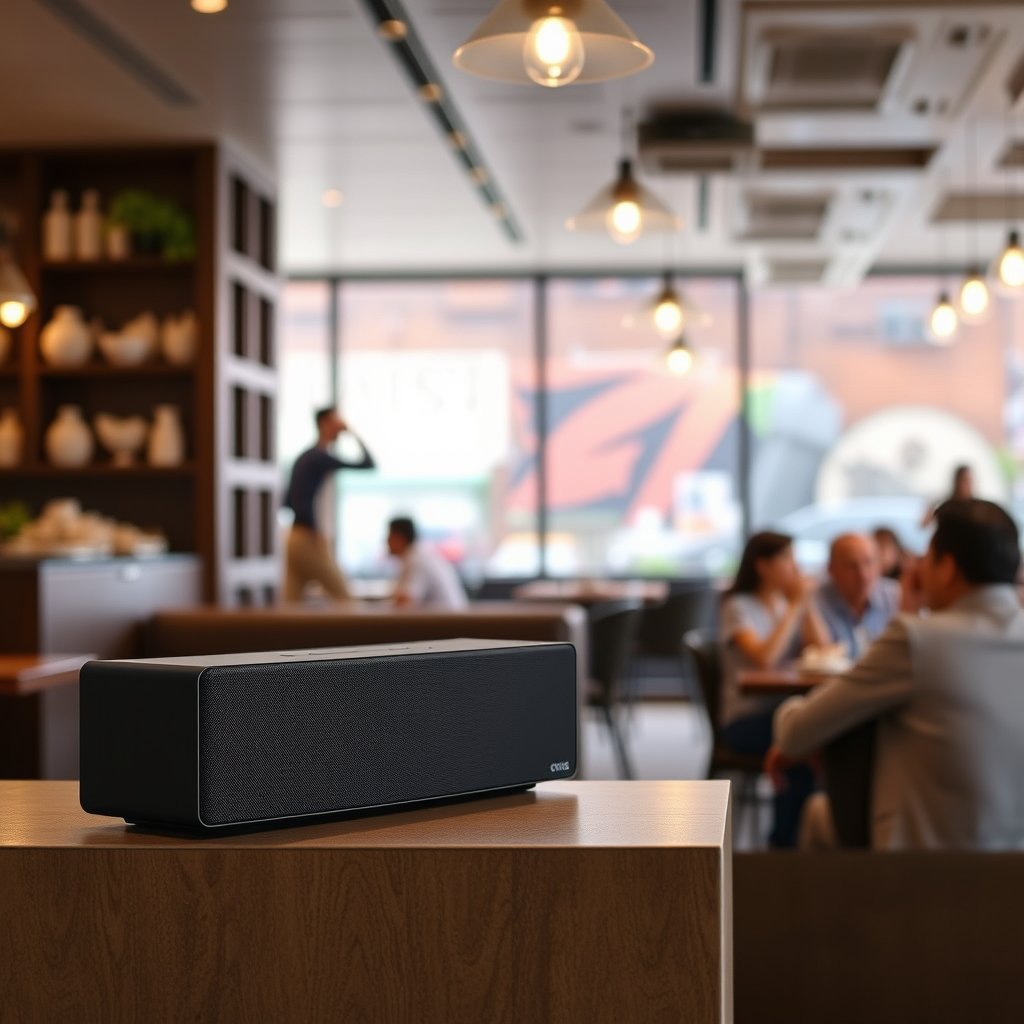
When it comes to design, the Sonos Ray boasts a sleek and minimalist aesthetic that effortlessly blends into any entertainment setup. Its compact size and clean lines make it a perfect fit for those who appreciate a modern look without the bulk. The Ray is available in classic black and white finishes, allowing it to harmonize with various decor styles.
On the other hand, the Bose TV Speaker presents a more robust construction, often praised for its premium feel and durability. While it’s slightly larger than the Ray, its sturdy design ensures it can withstand the test of time, making it an appealing choice for those who value longevity. Moreover, the Bose TV Speaker features a fabric grille that adds a touch of elegance, making it a stylish addition to any living room.
In terms of build quality, both soundbars are impressive. However, if you’re leaning towards a more understated design, the Sonos Ray might be your go-to. For those who want something that feels more substantial and premium, the Bose TV Speaker might be the better choice.
Sound Quality Comparison

Sound quality is often the most crucial factor when choosing a soundbar, and here, both the Sonos Ray and the Bose TV Speaker have their unique strengths. The Sonos Ray is designed to deliver crystal-clear dialogue and a balanced sound profile. This makes it an excellent choice for movie enthusiasts who want every word to be easily understood, even during the most action-packed scenes. The Ray utilizes Sonos’ advanced audio technology, which optimizes the sound to ensure that voices stand out without overwhelming the background music or effects.
Conversely, the Bose TV Speaker offers a slightly richer bass response, which can significantly enhance the music listening experience. Many users appreciate how the Bose soundbar fills the room with sound, providing an immersive audio experience that’s particularly enjoyable for music lovers and gamers alike. The Bose TV Speaker also comes with a dedicated dialogue mode, ensuring that conversations in movies and shows remain clear, making it a versatile option for various types of media.
In summary, if your primary focus is on clarity for spoken content, the Sonos Ray is an excellent pick. However, if you enjoy a fuller bass response and a more immersive sound experience, the Bose TV Speaker is worth considering.
Features and Connectivity
Feature-wise, the Sonos Ray shines with its compatibility with multiple streaming services and built-in voice assistant capabilities. This integration allows you to control your soundbar using voice commands, making it easier to switch between music, movies, and shows without lifting a finger. The Ray also supports Wi-Fi streaming, which means you can enjoy high-quality audio without the limitations of Bluetooth connectivity.
In comparison, the Bose TV Speaker prioritizes ease of use with its Bluetooth connectivity, allowing for quick pairing with mobile devices and tablets. This feature is especially beneficial for users who want to play music directly from their phones or tablets without the need for a complex setup. The Bose TV Speaker also has HDMI-ARC support, making it a convenient option to connect to your TV without additional cables.
While both soundbars offer great features, the choice ultimately comes down to your personal preferences. If you want a smart and connected soundbar with a wide range of streaming options, the Sonos Ray is the way to go. If you prefer straightforward Bluetooth connectivity and ease of setup, the Bose TV Speaker stands out.
Size and Placement Flexibility
In the realm of size and placement flexibility, the Sonos Ray is designed to be compact and lightweight. Its small footprint makes it easy to place on shelves, under TVs, or even mount on walls without taking up too much space. This can be particularly advantageous for those with smaller living areas or who prefer a minimalistic setup.
The Bose TV Speaker, while slightly larger, still maintains a low profile that fits well in various spaces. Although it takes up a bit more room, its design allows it to complement larger TVs without looking disproportionate. Both soundbars can be easily integrated into your home setup, but if space is at a premium, the Sonos Ray may have the upper hand.
Ultimately, the choice between the two will depend on your individual space constraints and how you plan to incorporate the soundbar into your entertainment area.
Price and Value for Money
When it comes to price, the Sonos Ray typically comes at a competitive price point, offering significant value for its sound performance and features. This soundbar appeals to users who want high-quality audio without breaking the bank. With its robust feature set and excellent connectivity options, many find the Ray to be a worthwhile investment.
On the other hand, the Bose TV Speaker often comes with a higher price tag. Still, many users feel that the investment is justified due to its superior sound quality and ease of use. If you prioritize sound quality and durability, the additional cost of the Bose TV Speaker may be worth it.
In summary, if you’re budget-conscious but still want a great audio experience, the Sonos Ray is an excellent choice. If you’re willing to invest more for enhanced sound quality and additional features, the Bose TV Speaker could be the better option for you.
User Experience and Reviews
User experience plays a significant role in determining the overall satisfaction with a product, and both the Sonos Ray and Bose TV Speaker have garnered positive feedback from their respective user bases. The Sonos Ray is often commended for its intuitive app, which allows you to control settings, adjust sound profiles, and integrate with other Sonos devices easily. Users appreciate the seamless connectivity with smart home systems, making it a popular choice among tech-savvy households.
In contrast, the Bose TV Speaker is frequently highlighted for its ease of use and strong customer support. Many users report that setting up the soundbar is a breeze, even for those who may not be technologically inclined. The straightforward controls and reliable performance have earned the Bose TV Speaker a loyal following among users who value simplicity and efficiency.
Both soundbars have their strengths in the user experience department, but your choice may depend on whether you prefer the advanced features of the Sonos ecosystem or the straightforward usability of the Bose TV Speaker.
In summary, both the Sonos Ray and Bose TV Speaker have unique strengths that cater to different preferences. If you prioritize sound quality and integration with smart home systems, the Sonos Ray may be the better choice. However, if you prefer richer bass and straightforward connectivity, the Bose TV Speaker could be ideal. Consider your specific needs and preferences to make the best choice for your compact soundbar.
Frequently Asked Questions
What are the key differences between the Sonos Ray and the Bose TV Speaker?
The Sonos Ray features a sleek, minimalist design and is optimized for streaming with compatibility for various music services, while the Bose TV Speaker focuses on delivering enhanced dialogue clarity and has a wider soundstage. Additionally, the Sonos Ray includes advanced features like Trueplay tuning for room optimization, whereas the Bose model is appreciated for its straightforward setup and remote control integration, making it user-friendly for those less tech-savvy.
How does the sound quality of the Sonos Ray compare to the Bose TV Speaker?
When it comes to sound quality, the Sonos Ray offers a well-balanced audio profile with rich bass and clear treble, making it ideal for both movies and music. In contrast, the Bose TV Speaker excels in dialogue clarity, making it perfect for TV shows and films where understanding speech is crucial. Ultimately, the choice between them may depend on individual preferences for sound characteristics and use cases.
Why should I consider compact soundbars like the Sonos Ray or Bose TV Speaker for my setup?
Compact soundbars like the Sonos Ray and Bose TV Speaker are perfect for smaller living spaces or setups where you want to minimize clutter without sacrificing audio quality. They provide a significant upgrade over built-in TV speakers, enhancing the overall viewing experience by delivering clearer dialogue and more immersive sound. Additionally, their sleek designs fit seamlessly into most home environments.
Which soundbar is better for music streaming: Sonos Ray or Bose TV Speaker?
The Sonos Ray is generally considered the better option for music streaming due to its extensive compatibility with various music services and integrated Wi-Fi capabilities. It also offers features like multi-room audio, allowing users to connect with other Sonos speakers for a more expansive sound experience. On the other hand, while the Bose TV Speaker can play music, it lacks some of the advanced streaming features found in the Sonos Ray.
How easy is it to set up the Sonos Ray compared to the Bose TV Speaker?
Setting up the Sonos Ray is straightforward, requiring a simple connection to your TV via optical cable and the Sonos app for additional functionalities. However, some users may find the app setup slightly complex if they are not tech-savvy. In contrast, the Bose TV Speaker typically offers a more user-friendly experience, with easier plug-and-play setup and remote control compatibility, making it a great choice for those looking for a hassle-free installation.
References
- Soundbar
- https://www.bbc.com/news/technology-60656343
- https://www.theguardian.com/technology/2021/oct/05/bose-soundbar-sonos-ray-review
- Audio – CNET
- https://www.wired.com/story/bose-soundbar-review/
- https://www.techradar.com/reviews/sonos-ray-review
- https://www.consumerreports.org/products/soundbars/
- https://www.tomsguide.com/reviews/bose-tv-speaker
- The Best Soundbars We’ve Tested for 2026 | PCMag
- Sonos Ray soundbar review: The start of something awesome – Digital Trends