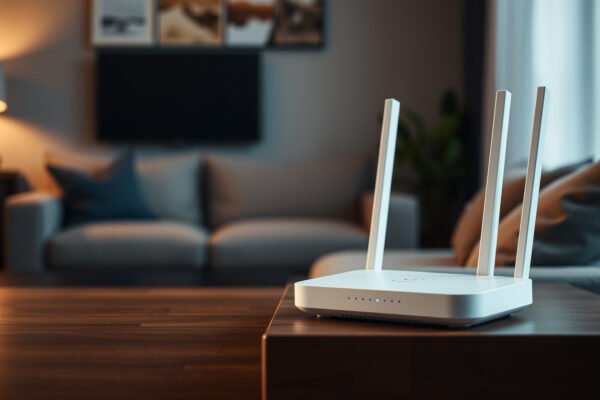
A visual representation of mesh Wi-Fi setup ideal for long houses, showcasing multiple nodes for better coverage.

Mesh Wi-Fi for Long Houses

Mesh Wi-Fi for long houses needs to deliver reliable coverage from one end to the other—not just a strong signal near the router. Is wired or wireless mesh the better choice for that layout? Ethernet-connected mesh nodes win when walls and distance weaken wireless links; when cabling is impractical, a tri-band wireless system is the…
Read Full News
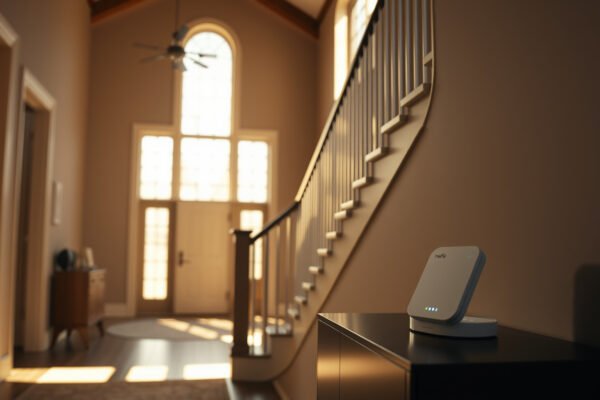
A three-story home with mesh Wi-Fi system illustrating seamless internet coverage.

Mesh Wi-Fi for Three-Story Homes

The best mesh Wi-Fi for three-story homes depends on how reliably the nodes can connect through each floor—not just the coverage number on the box. We’ll give a clear verdict on when a tri-band wireless system wins and when wired backhaul is worth the effort, answering one practical question: which setup will deliver reliable Wi-Fi…

Read Full News
Comparison of Dual-Band Mesh and Tri-Band Mesh Wi-Fi systems for better connectivity.

Dual-Band Mesh vs Tri-Band Mesh

Dual-band mesh vs tri-band mesh comes down to how your nodes connect: tri-band is the stronger choice when a dedicated wireless backhaul keeps traffic between nodes off the bands serving your devices, while dual-band usually offers better value with wired backhaul. Which setup is worth paying for in your home? This comparison gives a clear…

Read Full News
Comparison of Tri-Band and Dual-Band Mesh Wi-Fi systems for optimal internet performance.

Tri-Band vs Dual-Band Mesh Wi-Fi

Tri-band mesh Wi-Fi wins when you need high speeds across wirelessly connected nodes and its extra band provides dedicated backhaul; dual-band mesh is the better buy when you connect nodes by Ethernet or have modest bandwidth needs. Does your home need that extra wireless capacity, or would you be paying for little practical benefit? That…

Read Full News