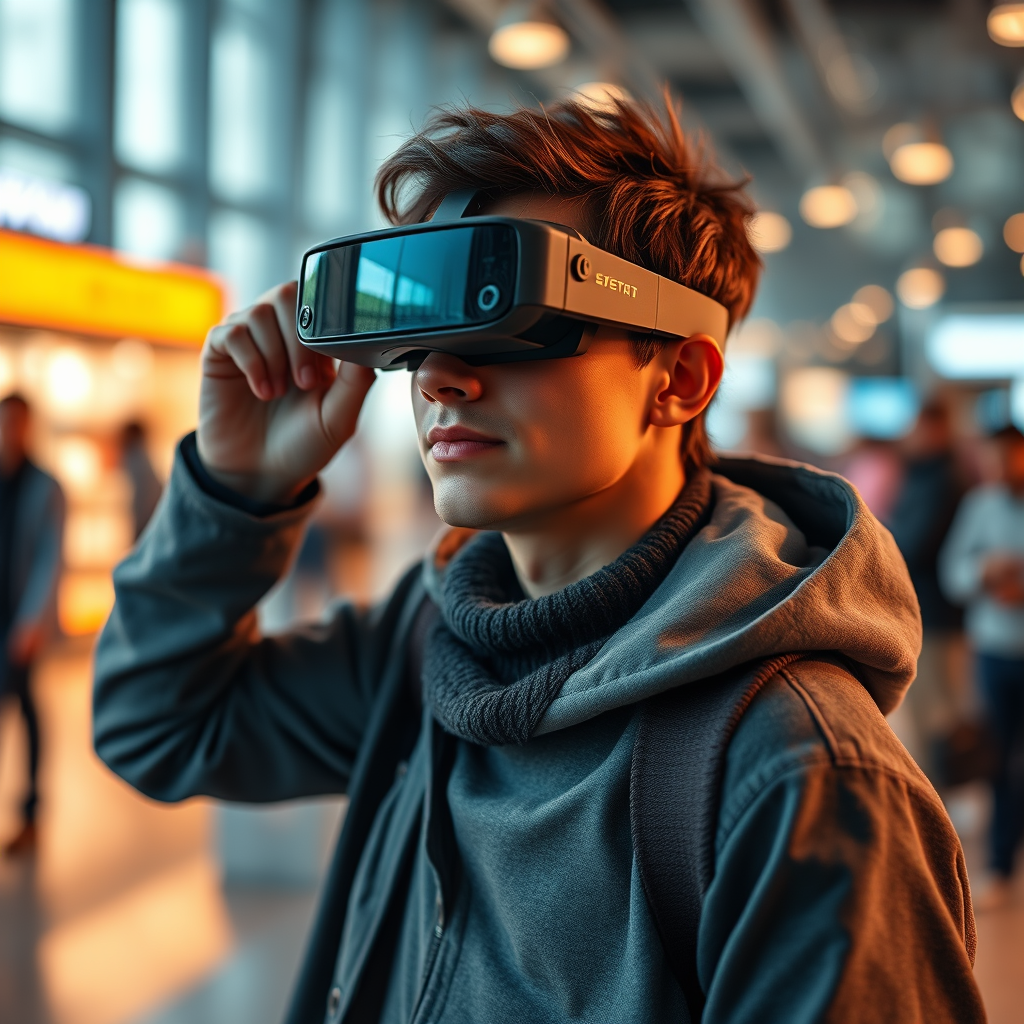

The best AR glasses available in 2025 are set to redefine how we interact with the digital world. With advancements in technology, these devices offer enhanced features, improved user experiences, and a sleek design that makes them more accessible than ever. In this article, you will discover the top contenders for the best AR glasses this year, along with their unique offerings and specifications.
Top Features to Look For

When investing in AR glasses, the features can make a significant difference in your overall experience.
– Display Quality: A high-resolution display and a wide field of view are critical for an immersive experience. Look for AR glasses that offer at least 1080p resolution, as this will ensure sharp visuals that make digital overlays blend seamlessly with the real world. The field of view (FOV) is also essential; models with FOVs above 50 degrees are generally more immersive, allowing for a more natural interaction with augmented content.
– Battery Life: Battery performance is another vital consideration. You want glasses that can last through your activities without needing frequent recharges. Models that provide at least 6 to 8 hours of usage are ideal for daily tasks, whether that’s for work or play. The latest iterations are increasingly incorporating fast-charging technology, making it easier to power up during short breaks.
Leading Brands in AR Glasses
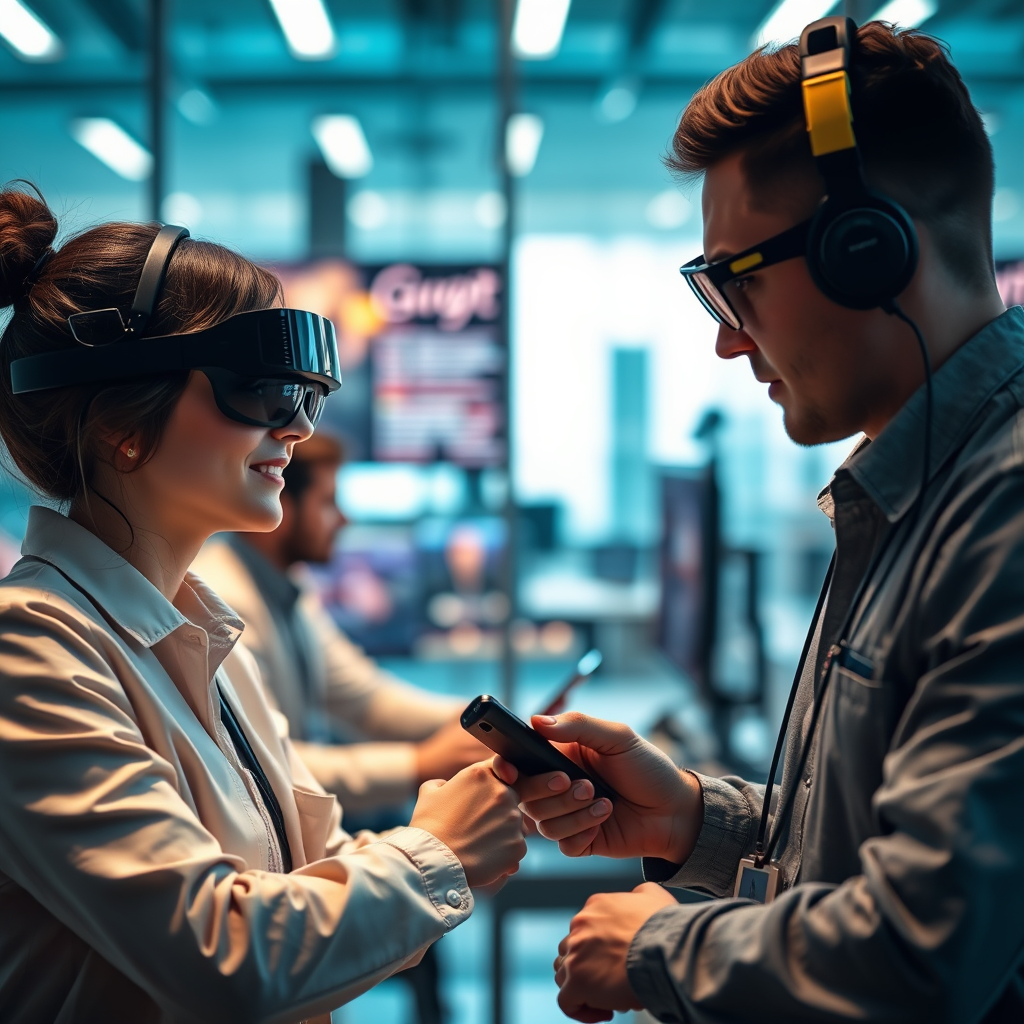
Several brands have emerged as leaders in the AR glasses market, each offering unique features tailored to different user needs.
– Microsoft HoloLens 3: Known for its enterprise applications, the HoloLens 3 offers a robust build quality and an array of advanced features. It includes spatial mapping and hand-tracking capabilities, making it an excellent choice for professional environments. The integration of mixed reality allows for a seamless blend of digital content with the physical world, making it invaluable for industries such as healthcare, construction, and education.
– Google Glass Enterprise Edition 2: This model is a favorite among professionals looking for a lightweight design and functionality that enhances productivity. With features like voice commands and a touchpad interface, it’s perfect for hands-free tasks. The glass’s ability to connect with cloud services ensures that users can access real-time data, making it a valuable tool in fields like logistics and manufacturing.
User Experience and Comfort
For AR glasses to be effective, they need to be comfortable and easy to use, especially during long periods.
– Ergonomics: Comfort is paramount, especially if you plan to wear these glasses for extended periods. Look for models that are lightweight and have adjustable frames to ensure a snug fit. Padding around the nose and ears can also enhance comfort, allowing you to focus on the experience rather than the device itself.
– Software Integration: Compatibility with various applications and systems is essential for maximizing the utility of AR glasses. Many top-tier models come equipped with comprehensive software ecosystems that support productivity apps, gaming platforms, and more. A user-friendly interface and seamless software integration can significantly improve your overall experience, making it easier to stay connected and engaged.
Price Range and Value
Understanding the price range and value of AR glasses will help you find the best fit for your budget and needs.
– Budget Options: There are affordable AR glasses that still offer essential features without breaking the bank. Models like the Vuzix Blade offer a respectable FOV and decent battery life at a lower price point, making them suitable for casual users and beginners. These budget options can provide a great introduction to augmented reality without a hefty investment.
– Premium Choices: On the other hand, high-end models like the Magic Leap 2 or the HoloLens 3 come with cutting-edge technology and exceptional performance. While these options may be pricier, they offer advanced features like spatial computing and superior graphics, making them worth the investment for professionals and serious tech enthusiasts.
Use Cases for AR Glasses
The versatility of AR glasses allows them to be used in various applications, enhancing both business efficiency and entertainment experiences.
– Business Applications: From training simulations to remote assistance, AR glasses are revolutionizing how businesses operate. They can facilitate on-the-job training, providing real-time information and guidance to workers. Industries like healthcare use AR for surgical assistance, while manufacturing employs it for assembly line training, showcasing the tangible benefits of AR technology.
– Entertainment: The gaming industry is harnessing AR to create immersive experiences that blend the virtual and real worlds. Games like Pokémon GO have already shown the potential of AR in entertainment, and with advancements in AR glasses, we can expect even more engaging experiences. Additionally, AR is being explored in media consumption, allowing users to watch movies and sports with added interactive elements, enhancing the overall experience.
Reviews and Ratings
User feedback and expert reviews can offer valuable insights into the performance and reliability of different AR glasses.
– User Feedback: Many users report positive experiences with models like the HoloLens 3 due to its intuitive interface and high-quality display. Reviews often highlight the immersive experience and the practical applications in various fields. However, some users may find the weight of certain models uncomfortable for prolonged use, which is an essential factor to consider.
– Expert Reviews: Industry experts frequently emphasize the importance of display quality and software integration when assessing AR glasses. Reviews from technology publications often point out the HoloLens 3’s superior mapping technology and its impact on enterprise applications. Comparatively, the Google Glass Enterprise Edition 2 is praised for its lightweight design and usability in professional settings, making it a must-consider option for businesses.
Trends in AR Technology
Staying informed about the latest trends can help you make the best purchasing decisions and anticipate future innovations in AR glasses.
– Future Innovations: Upcoming features in AR glasses may include improved eye-tracking technology, voice recognition, and enhanced connectivity with other smart devices. Innovations like these will likely enhance user interaction and make AR experiences even more seamless and engaging.
– Market Growth: The AR glasses market is projected to expand significantly over the next few years, fueled by advancements in technology and increasing consumer interest. This growth may lead to more competitive pricing and a wider range of options, giving users more flexibility in choosing the right AR glasses for their needs.
The best AR glasses of 2025 blend cutting-edge technology with user-friendly designs, catering to both professional and personal use. As you explore the options available, consider your specific needs and how these devices can enhance your daily activities. Make sure to stay informed about the latest releases and trends to find the perfect pair for you. Whether you’re a business professional seeking to boost productivity or a tech enthusiast eager to explore new digital landscapes, there’s an AR solution waiting for you.
Frequently Asked Questions
What are the top features to look for in the best AR glasses of 2025?
When evaluating the best AR glasses available in 2025, consider features such as display resolution, field of view, battery life, and comfort. High-resolution displays enhance visual clarity, while a wide field of view provides an immersive experience. Additionally, long battery life ensures extended use without frequent recharging, and ergonomic designs contribute to comfort during prolonged wear.
How do the best AR glasses of 2025 compare to VR headsets?
The best AR glasses of 2025 primarily differ from VR headsets in their functionality and experience. AR glasses overlay digital information onto the real world, allowing users to interact with both virtual and physical environments simultaneously, while VR headsets create an entirely immersive virtual environment. This makes AR glasses more suitable for applications like navigation, gaming, and remote collaboration, whereas VR headsets excel in gaming and virtual experiences.
Why should I invest in AR glasses in 2025?
Investing in AR glasses in 2025 can significantly enhance productivity, entertainment, and social interactions. As technology advances, AR applications are becoming more integrated into various industries, including healthcare, education, and gaming. By adopting AR glasses, users can access real-time information, collaborate seamlessly, and enjoy immersive content, making them a valuable tool for both personal and professional use.
Which brands are leading the market for AR glasses in 2025?
In 2025, leading brands in the AR glasses market include Microsoft with its HoloLens series, Google with updated iterations of its Google Glass, and Apple, which has recently entered the AR space with highly anticipated models. Each brand offers unique features tailored to different user needs, such as enterprise solutions, consumer-friendly designs, and advanced interactive capabilities, making it essential to evaluate them based on your specific requirements.
What are the potential drawbacks of using AR glasses in 2025?
While AR glasses offer numerous benefits, there are potential drawbacks to consider. These may include concerns about privacy, as cameras and sensors can capture personal data and surroundings. Additionally, the technology may still be evolving, with issues such as limited battery life, high costs, and a potential learning curve for new users. It’s crucial to weigh these factors against the advantages to determine if AR glasses are the right fit for your needs.
References
- Smartglasses
- https://www.theverge.com/2023/4/26/23798889/ar-glasses-2025-market-report
- https://www.forbes.com/sites/bernardmarr/2023/01/01/the-future-of-ar-glasses-in-2025-and-beyond/
- https://www.sciencedirect.com/science/article/pii/S1877050921002355
- https://www.bbc.com/news/technology-59618490
- https://www.wired.com/story/augmented-reality-glasses-2025/