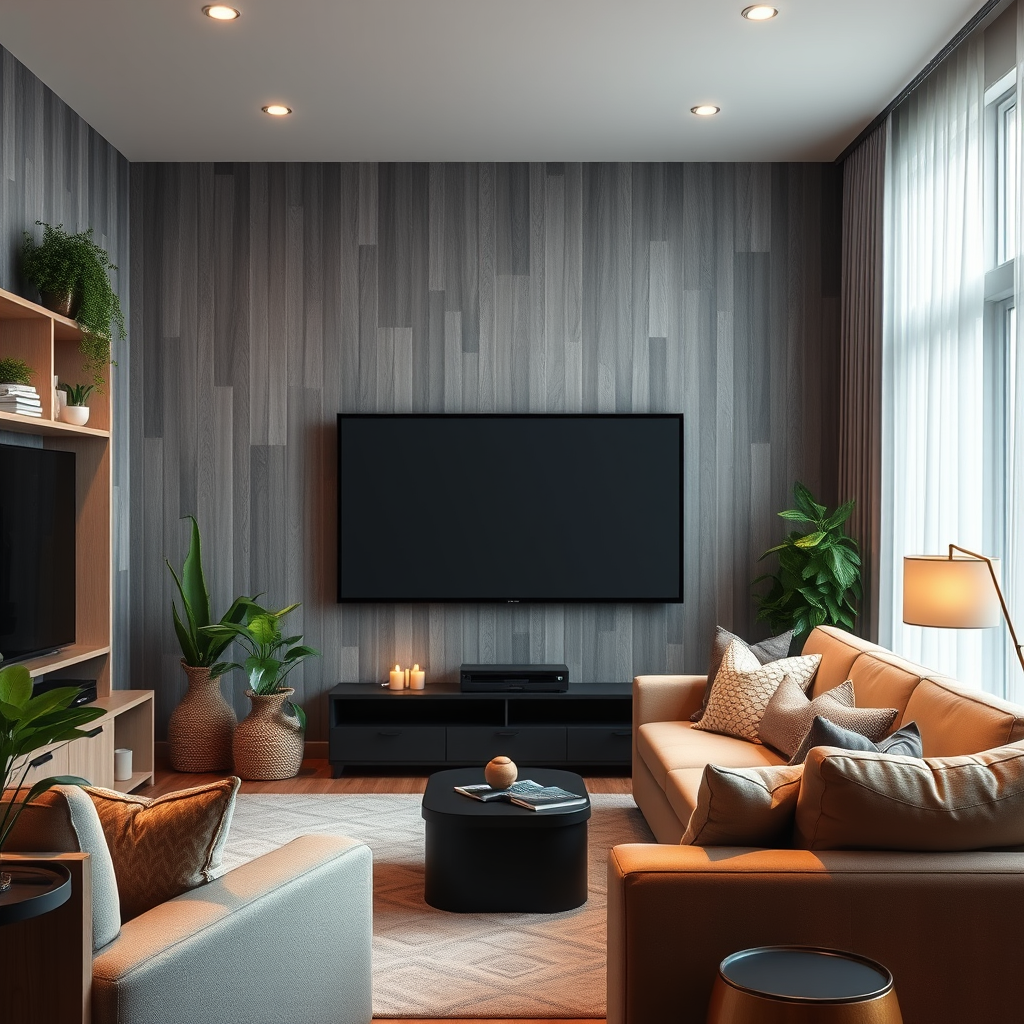

Creating the right lighting setup is essential for an immersive home theater experience. The best lighting options can dramatically enhance your viewing pleasure by providing the perfect ambiance and ensuring optimal screen visibility. In this article, you will discover various lighting techniques and fixtures that will elevate your home theater to a cinematic level.
Lighting is not just a practical necessity in home theaters; it is a fundamental aspect that contributes significantly to the overall viewing experience. The correct lighting can transform a mundane space into a captivating environment, enhancing the mood and making your movie nights unforgettable. Whether you are looking for cozy warmth or dramatic effects, the right lighting setup can make all the difference.
Understanding the Importance of Lighting in Home Theaters
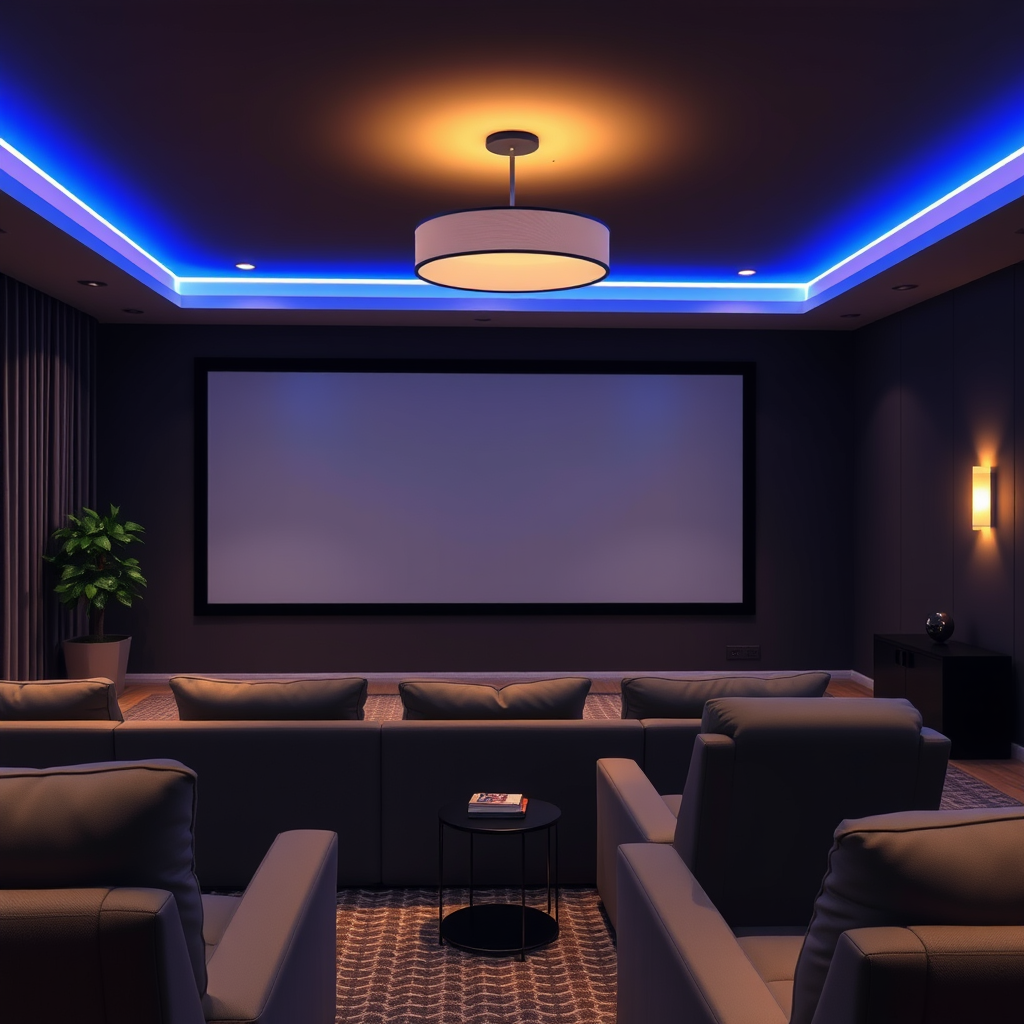
Lighting influences mood and atmosphere, setting the tone for movie nights. A well-lit home theater enhances the cinematic experience, allowing viewers to feel fully engaged with the film. Dim lighting can create an intimate and cozy environment, while brighter options can invigorate the space during pre-movie activities, such as discussions or snacks.
Moreover, proper lighting can reduce glare on screens and help maintain focus on the content. This is particularly crucial for larger screens, where reflections can be distracting. A thoughtful lighting design aims to minimize distractions while emphasizing the film itself, ensuring that viewers remain captivated by the story unfolding on the screen.
Types of Lighting Fixtures for Home Theaters
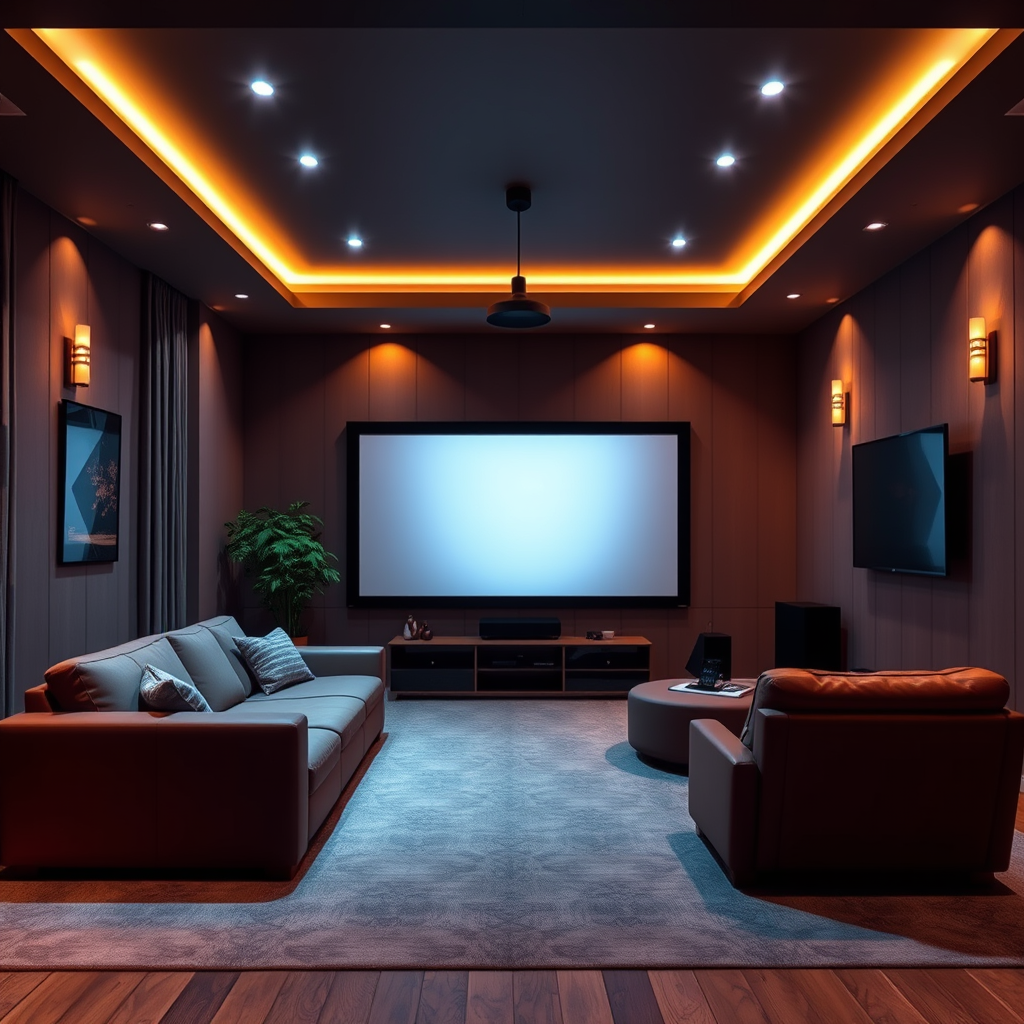
When designing a home theater, consider incorporating a variety of lighting fixtures to achieve the desired ambiance.
– Ambient Lighting: This type of lighting provides a soft glow that fills the room without distracting from the screen. Options such as recessed lighting, dimmable ceiling fixtures, or wall-mounted sconces can offer a gentle illumination that enhances comfort during viewing.
– Task Lighting: Adjustable sconces or table lamps offer focused light for reading or navigating the space before or after the film. This type of lighting is essential for areas where viewers may need to read subtitles, find remote controls, or snack without fumbling in the dark.
– Accent Lighting: This includes LED strip lights or spotlights that can highlight architectural features or decor elements in the room, such as artwork or shelves. Accent lighting can add depth and interest to the space, creating a more immersive experience.
Dimming Options for Optimal Control
Choosing the right dimming options is crucial for achieving optimal control over your home theater lighting.
– Smart Dimmers: These devices allow for customizable lighting levels that can be adjusted to match different scenes in the movie. For instance, during a dark, suspenseful sequence, you can dim the lights further to heighten tension, while brightening them during lighter scenes or intermissions.
– Manual Dimmer Switches: While smart dimmers offer advanced features, manual dimmer switches provide a straightforward solution for adjusting brightness quickly. They can be particularly useful for guests who may not be tech-savvy and need an easy way to modify the lighting.
Top 7 Lighting Fixture Types for Home Theaters (2024)
| # | Fixture Type | Usage | Installation Complexity | Average Cost |
|---|---|---|---|---|
| 1 | Recessed Lighting | Ambient | Moderate | $100-$300 |
| 2 | Wall Sconces | Ambient/Task | Easy | $50-$150 |
| 3 | Table Lamps | Task | Very Easy | $25-$75 |
| 4 | LED Strips | Accent | Moderate | $15-$50 |
| 5 | Spotlights | Accent/Task | Moderate | $60-$200 |
| 6 | Chandeliers | Ambient | Complex | $200-$500 |
| 7 | Floor Lamps | Ambient/Task | Easy | $30-$150 |
Color Temperature and Its Impact
The color temperature of lighting plays a significant role in setting the mood of your home theater.
– Warmer Color Temperatures (2700K-3000K): These temperatures create a cozy atmosphere, ideal for relaxation and comfort. They are perfect for movie nights where the goal is to unwind and enjoy the film in a soft, inviting light.
– Cooler Temperatures (4000K-5000K): Cooler temperatures may be better suited for functional areas outside the main viewing zone, such as snack preparation or technical equipment areas. These lights can help maintain focus without straining the eyes, making transitions easier during the movie experience.
Layering Light for Depth and Interest
Layering light is an effective technique for creating depth and interest in your home theater design.
– Combine Different Types of Lighting: Using ambient, task, and accent lighting together can help create a multi-dimensional feel. For example, ambient lighting can illuminate the entire space, while accent lighting can highlight specific features, creating visual intrigue without overwhelming the viewer.
– Highlight Architectural Features: Accent lighting can be used to draw attention to unique architectural elements or decor in your home theater. This approach not only enhances the aesthetic appeal of the room but also elevates the overall viewing experience, making the space feel more cinematic.
Placement Strategies for Maximum Effect
Effective light placement can maximize the impact of your home theater’s lighting setup.
– Minimize Reflections: Position lights strategically to minimize reflections on screens. For instance, avoiding direct overhead lighting can significantly reduce glare, allowing for a more comfortable viewing experience.
– Height and Angle Considerations: Consider the height and angle of fixtures when designing your lighting plan. Low-mounted sconces can provide gentle light without obstructing the view of the screen, while adjustable fixtures can be angled to focus light where it is most needed.
Recommended Light Placement Strategies for Home Theaters
Integrating Smart Technology for Convenience
In today’s tech-driven world, integrating smart technology into your home theater lighting setup can enhance convenience and control.
– Smart Bulbs and Home Automation Systems: Using smart bulbs allows you to control the brightness and color temperature of your lights remotely or through voice commands. This integration can create a seamless experience, where with a single command, the lights dim to the perfect level for your movie.
– Lighting Scenes and Automation: Set up lighting scenes that adjust automatically based on the time of day or specific activities. For instance, you could program your system to dim the lights automatically when you start your favorite movie or adjust the color temperature for reading scenes, providing a tailored experience for every viewing.
Incorporating these technologies not only provides ease of use but also enhances the overall cinematic experience by creating a more personalized environment.
In summary, effective lighting setups can transform your home theater into a stunning cinematic retreat. By understanding the importance of lighting, exploring various fixtures, and utilizing smart technology, you can create the perfect ambiance for your movie nights. Start planning your ideal lighting setup today, and elevate your home entertainment experience to the next level.
Frequently Asked Questions
What are the best lighting options for a home theater room?
The best lighting options for a home theater room include dimmable LED lights, recessed lighting, and floor lamps with adjustable brightness. You should also consider using bias lighting behind the TV or projector screen to reduce eye strain and enhance image contrast. Layering these lighting types can create a cinematic atmosphere while ensuring optimal viewing conditions.
How can I create a multi-level lighting setup for my home theater?
To create a multi-level lighting setup, combine ambient, task, and accent lighting. Start with recessed lights for overall brightness, add wall sconces for a cozy glow, and finish with LED strips or spotlights to highlight artwork or architectural features. This layered approach not only enhances the aesthetic appeal but also allows for customizable lighting based on the activity, whether watching a movie or hosting a gathering.
Why is dimmable lighting important in a home theater?
Dimmable lighting is crucial in a home theater because it allows you to adjust the brightness according to the viewing experience, enhancing the overall ambiance. It helps to reduce glare on the screen and creates a more immersive environment, making it easier to focus on the film. Additionally, having control over the lighting can cater to different activities, such as gaming or socializing.
What is the best color temperature for home theater lighting?
The best color temperature for home theater lighting is typically between 2700K and 3000K, as this range produces a warm, inviting glow that mimics natural light. Warmer light helps create a relaxed atmosphere conducive to watching movies while minimizing eye strain. You can also consider using tunable white lights to adjust the temperature based on your mood or the specific film genre.
Which lighting controls are ideal for a home theater setup?
Ideal lighting controls for a home theater setup include smart dimmers, remote-controlled switches, and programmable lighting scenes. Smart dimmers allow you to easily adjust brightness levels, while remote controls provide convenience during movie nights. Additionally, programmable scenes can automate the lighting based on your preferences, such as dimming lights when starting a film or brightening them for intermissions.
References
- Home cinema
https://en.wikipedia.org/wiki/Home_theater - https://www.sciencedirect.com/topics/engineering/home-theater
https://www.sciencedirect.com/topics/engineering/home-theater - https://www.bbc.com/future/article/20210616-how-lighting-affects-your-home
https://www.bbc.com/future/article/20210616-how-lighting-affects-your-home - https://www.nytimes.com/2021/08/09/realestate/lighting-tips-home.html
https://www.nytimes.com/2021/08/09/realestate/lighting-tips-home.html - https://www.theguardian.com/lifeandstyle/2020/jul/23/how-to-improve-your-home-lighting
https://www.theguardian.com/lifeandstyle/2020/jul/23/how-to-improve-your-home-lighting - https://www.britannica.com/topic/home-theater
https://www.britannica.com/topic/home-theater - https://www.scholar.google.com/scholar?q=home+theater+lighting+setups Google Scholar
https://www.scholar.google.com/scholar?q=home+theater+lighting+setups - https://www.scholar.google.com/scholar?q=best+lighting+for+home+theater Google Scholar
https://www.scholar.google.com/scholar?q=best+lighting+for+home+theater - https://www.scholar.google.com/scholar?q=home+theater+design+lighting Google Scholar
https://www.scholar.google.com/scholar?q=home+theater+design+lighting - https://pubmed.ncbi.nlm.nih.gov/29140969/
https://pubmed.ncbi.nlm.nih.gov/29140969/