
To achieve optimal sound quality and minimize noise disruption in your home audio setup, the best soundproofing materials include mass-loaded vinyl, acoustic foam, and resilient channels. These materials effectively dampen sound transmission and enhance the listening experience, ensuring that you can enjoy your favorite audio without interference from external noise. In this article, we’ll explore a variety of soundproofing options, their benefits, and where to use them for the best results.
Understanding Soundproofing Basics
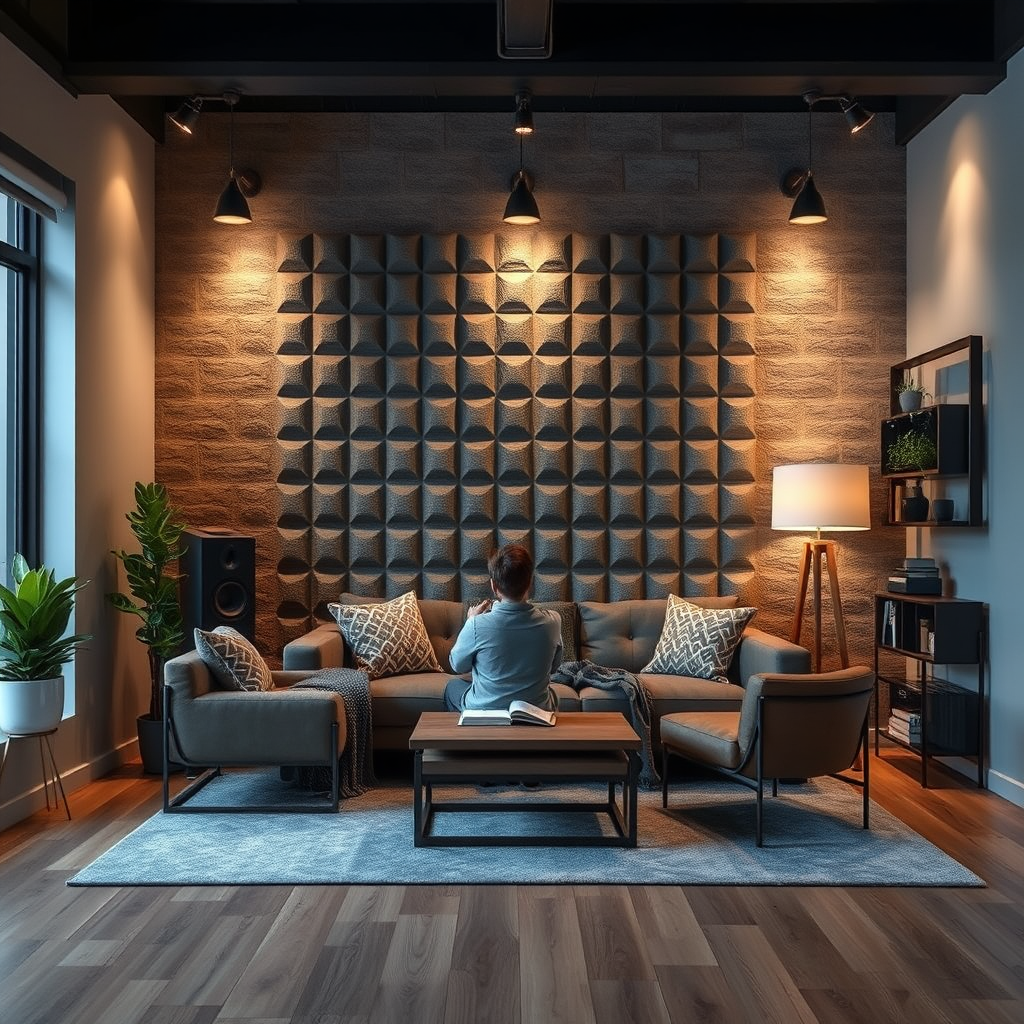
Soundproofing is a critical consideration for anyone looking to improve their home audio experience. It aims to reduce sound transmission between spaces, which can be particularly important in multi-story homes or apartments where noise can easily travel through walls and ceilings.
Key factors influencing soundproofing effectiveness include mass, absorption, and isolation. Mass refers to the weight of materials used; heavier materials tend to block sound better. Absorption involves materials designed to soak up sound waves, preventing them from bouncing around the room. Finally, isolation techniques physically separate sound sources from the areas you want to keep quiet, further minimizing noise disruption.
Mass-Loaded Vinyl (MLV)
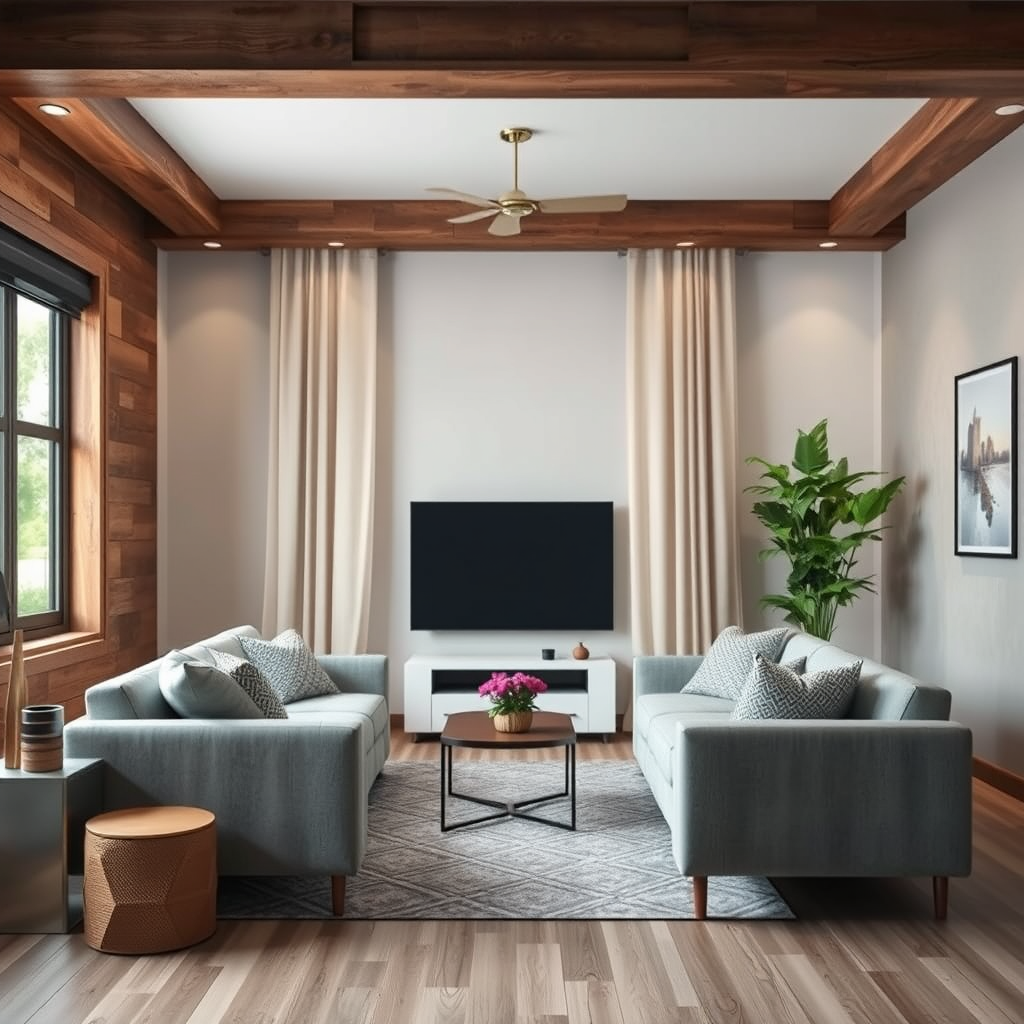
Mass-loaded vinyl (MLV) is one of the most effective materials for soundproofing due to its high density. It can block sound effectively, making it an ideal choice for walls, ceilings, and floors. MLV is particularly useful in home theaters and recording studios, where sound clarity is paramount.
One of the significant advantages of MLV is its flexibility and ease of installation. It can be placed behind drywall, under floors, or even hung as curtains. This versatility allows homeowners and professionals alike to implement soundproofing solutions without extensive renovations. Moreover, MLV is available in various thicknesses, allowing users to select the right density for their specific needs.
Acoustic Foam Panels
Acoustic foam panels are another popular choice for soundproofing and improving audio quality. These panels are designed to absorb sound waves, reducing echoes and enhancing the clarity of audio playback. They are lightweight and easy to install, making them suitable for various applications, from home studios to living rooms.
Strategically placing acoustic foam panels in corners or on walls can significantly improve the overall sound quality of a room. These panels come in various shapes and sizes, allowing users to select options that best fit their aesthetic preferences while still providing effective sound absorption. Additionally, they are often available in different colors, contributing to the room’s decor without compromising functionality.
Resilient Channels
Resilient channels are a soundproofing solution that enhances sound isolation by decoupling drywall from the framing of walls and ceilings. This technique reduces noise transmission, making it particularly effective in noisy environments. Resilient channels are especially recommended for use in ceilings and walls where sound leakage can be a concern.
By using resilient channels, homeowners can create a more peaceful environment, whether in a dedicated home theater or a multi-use room. They are easy to install and can be combined with other soundproofing materials for optimal results. This method not only improves sound isolation but also helps to minimize the impact of vibrations and structural noise.
Comparison of Soundproofing Materials (2024)
| # | Material | Sound Blocking (STC Rating) | Installation Ease | Cost per Sq Ft |
|---|---|---|---|---|
| 1 | Mass-Loaded Vinyl (MLV) | 30-35 | Moderate | $2-3 |
| 2 | Acoustic Foam Panels | 20-30 | Easy | $1-2 |
| 3 | Resilient Channels | 35-40 | Moderate | $0.75-1.50 |
| 4 | Carpet and Underlayment | 25-30 | Easy | $0.50-2 |
| 5 | Window Treatments | 10-15 | Very Easy | $1-5 |
| 6 | DIY Solutions | Variable | Easy | $0-10 |
Carpet and Underlayment
Thick carpets and specialized underlayment are often overlooked when considering soundproofing solutions. These materials can significantly dampen footfall noise and airborne sounds, making them a valuable addition to any audio setup.
When selecting carpets, consider plush options with dense fibers, which can absorb sound effectively. Soundproof underlays, typically made from rubber or foam, further enhance this effect by providing an additional layer of sound insulation. Together, these materials not only improve the auditory experience but also contribute to a warmer and more comfortable living space.
Window Treatments
Windows are common culprits for sound leakage, allowing external noise to disrupt your audio experience. Soundproof window inserts can be an effective solution, as they create an additional barrier against outside noise. Heavy drapes made from thick, sound-absorbing materials can also help minimize sound transmission.
When selecting window treatments, look for options specifically designed for sound absorption, as these will provide the best results. By adding these treatments, you can significantly reduce unwanted noise from outside, ensuring a more immersive audio environment.
DIY Soundproofing Solutions
For those on a budget or looking to experiment with soundproofing, several DIY methods can be surprisingly effective. Simple techniques, such as sealing gaps with caulk or using heavy blankets as makeshift sound barriers, can yield noticeable improvements in sound isolation.
Building your own acoustic panels is another cost-effective option. Using wood frames and insulation material, you can create panels that fit your space and aesthetic preferences. This approach allows for customization while providing an effective solution for sound absorption.
Effectiveness of Soundproofing Materials (2024)
Incorporating the right soundproofing materials into your home audio setup can transform your listening experience by significantly reducing unwanted noise. By exploring various options based on your specific needs and budget, you can create a sound environment that enhances your audio enjoyment. Whether you choose professional-grade materials or simple DIY solutions, effective soundproofing is achievable for every home audio enthusiast.
Frequently Asked Questions
What are the best soundproofing materials for home audio improvement?
The best soundproofing materials for home audio include acoustic panels, mass loaded vinyl (MLV), soundproofing drywall, and carpets or rugs. Acoustic panels absorb sound and reduce echo, while MLV adds mass to walls and ceilings, effectively blocking sound transmission. Using a combination of these materials can significantly enhance your audio experience by minimizing external noise and improving sound quality.
How can I effectively soundproof a room for home audio purposes?
To effectively soundproof a room for home audio, start by sealing any gaps around windows and doors with weatherstripping or caulk. Next, add soundproofing materials like acoustic panels to walls, heavy curtains to windows, and thick carpets to floors. Additionally, consider using soundproofing insulation within walls and ceilings to further reduce sound leakage.
Why is soundproofing important for home audio setups?
Soundproofing is important for home audio setups because it enhances sound clarity and prevents external noise from interfering with your listening experience. Proper soundproofing can also protect your audio equipment from vibrations and disturbances, allowing for a more immersive and enjoyable audio experience. This is especially crucial in urban areas or homes with thin walls.
Which soundproofing materials are most cost-effective for DIY projects?
For cost-effective DIY soundproofing, consider using materials like acoustic foam tiles, weatherstripping, and heavy curtains. Acoustic foam tiles are affordable and can be easily installed on walls to absorb sound, while weatherstripping can help seal gaps around doors and windows. Heavy curtains not only block sound but also add a decorative touch to your space.
What is the difference between soundproofing and sound absorption?
Soundproofing refers to blocking sound from entering or leaving a space, while sound absorption involves reducing echo and controlling reverberation within a room. Soundproofing typically uses dense materials like mass loaded vinyl or soundproof drywall, while sound absorption employs softer materials like acoustic panels or foam. Understanding this difference is essential for optimizing your home audio environment effectively.
References
- Soundproofing
https://en.wikipedia.org/wiki/Soundproofing - https://www.sciencedirect.com/topics/engineering/soundproofing
https://www.sciencedirect.com/topics/engineering/soundproofing - https://www.ncbi.nlm.nih.gov/pmc/articles/PMC7152843/
https://www.ncbi.nlm.nih.gov/pmc/articles/PMC7152843/ - Google Scholar Google Scholar
https://scholar.google.com/scholar?q=Soundproofing+materials+for+home+audio - https://www.britannica.com/science/soundproofing
https://www.britannica.com/science/soundproofing - https://www.ncbi.nlm.nih.gov/pmc/articles/PMC5059551/
https://www.ncbi.nlm.nih.gov/pmc/articles/PMC5059551/ - Google Scholar Google Scholar
https://scholar.google.com/scholar?q=best+soundproofing+materials - Guidelines for Malaria Vector Control – NCBI Bookshelf
https://www.ncbi.nlm.nih.gov/books/NBK538118/ - Burden of unique and low prevalence somatic mutations correlates with cancer survival | Scientifi…
https://www.nature.com/articles/s41598-019-41015-5 - https://www.cdc.gov/niosh/topics/noise/default.html
https://www.cdc.gov/niosh/topics/noise/default.html