The evolution of laptop displays has revolutionized the way we interact with technology, enhancing everything from gaming to professional graphics work. The three primary display technologies—TN (Twisted Nematic), IPS (In-Plane Switching), and OLED (Organic Light Emitting Diode)—each offer unique benefits and drawbacks. Understanding these technologies can help you make an informed choice for your needs, whether you’re a gamer seeking speed, a professional desiring accuracy, or a casual user looking for vibrant visuals.
Understanding TN Displays
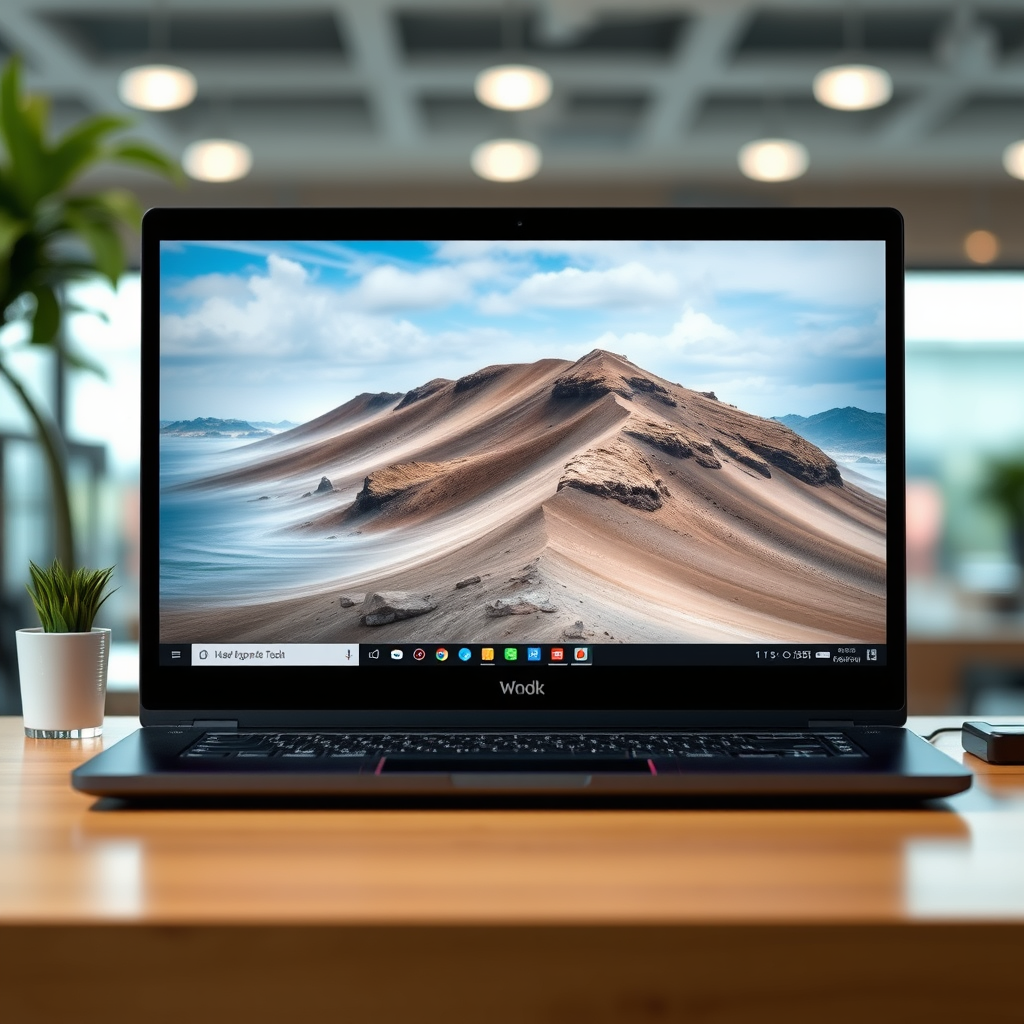
TN panels have long been a staple in the world of laptop displays, primarily due to their impressive speed and affordability. Known for their rapid response times, TN panels are particularly favored by gamers who require quick refresh rates to keep up with fast-paced action. With a typical response time of just 1ms, TN displays minimize motion blur, making them ideal for competitive gaming scenarios.
One of the standout features of TN technology is its cost-effectiveness. Generally, laptops with TN displays are more budget-friendly, appealing to those who may not want to invest heavily in high-end technology. However, this affordability comes at a price—literally and figuratively. While they perform well in terms of speed, TN displays are notorious for their narrower viewing angles. Colors can shift dramatically when viewed from different perspectives, making them less suitable for collaborative work or content creation where color accuracy is critical. Additionally, TN panels often struggle with color reproduction, offering less vibrant and accurate colors than their IPS and OLED counterparts, which can be a dealbreaker for many users.
The Rise of IPS Displays
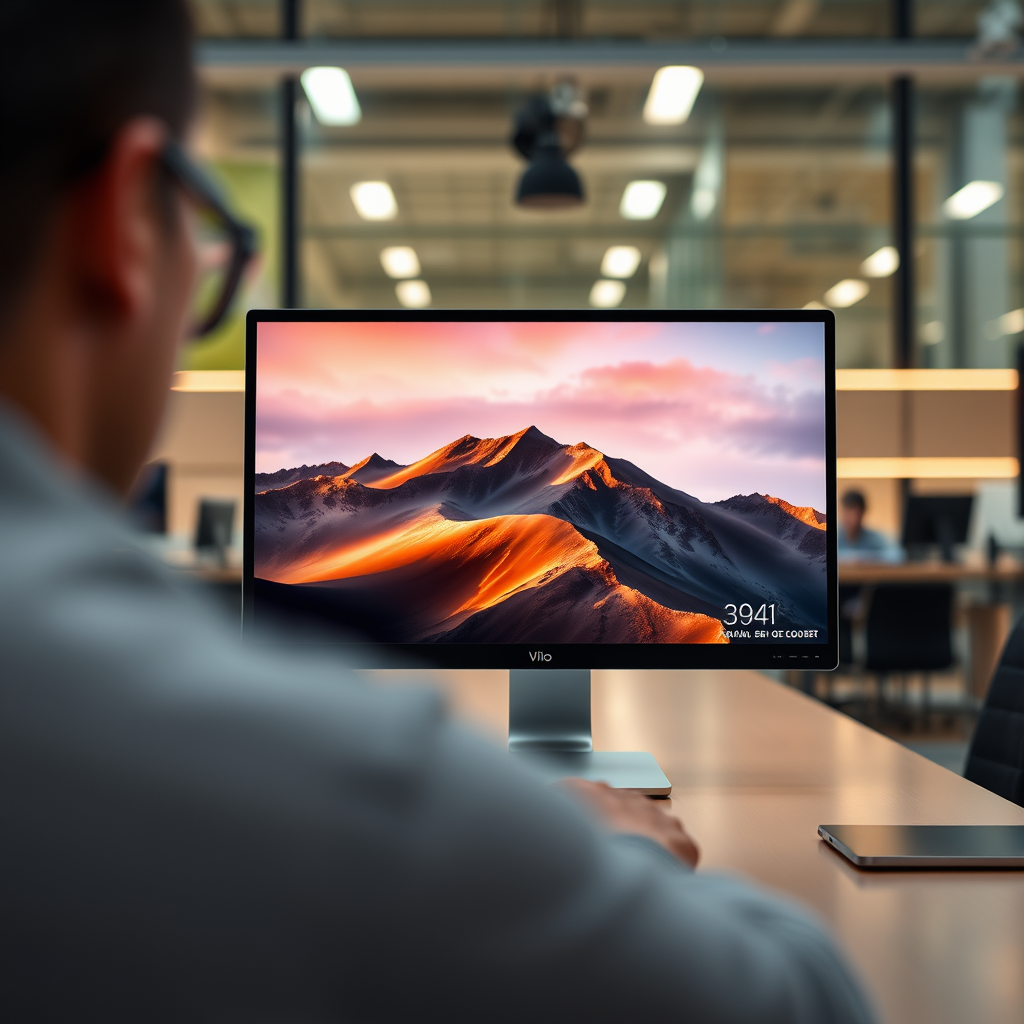
As demands for better color accuracy and wider viewing angles grew, IPS technology emerged to fill the gap left by TN panels. IPS displays are celebrated for their superior color reproduction and consistency, making them the go-to choice for professionals in graphic design, photography, and video editing. Unlike TN panels, IPS displays maintain vibrant colors even when viewed from off-angles, ensuring that what you see on the screen is true to life.
While modern IPS displays have made strides in response time—often falling in the range of 4-8ms—there’s still a slight compromise in speed compared to TN panels. This makes them versatile enough for gaming, although they may not be the first choice for hardcore gamers seeking the absolute fastest refresh rates. The trade-off for this improved performance is a higher price point; IPS laptops generally cost more than those equipped with TN technology, reflecting the advanced capabilities and enhanced image quality they provide.
Among the many examples of IPS displays, Apple’s Retina displays and Dell’s Ultrasharp series are notable for their rich color output and impressive viewing angles, appealing to both creatives and everyday users alike. As IPS technology continues to evolve, the gap in performance between TN and IPS is narrowing, making IPS displays an increasingly popular choice across various user demographics.
Advantages of OLED Technology
When it comes to visual quality, OLED technology stands out as a game-changer in the laptop display arena. One of the most significant advantages of OLED panels is their ability to produce stunningly vibrant colors and deep blacks. This is due to their self-emissive nature; unlike traditional LCDs that require backlighting, each pixel in an OLED display emits its own light. This results in true blacks—where pixels are completely turned off—and a broader color gamut that can bring your images and videos to life.
Moreover, OLED displays tend to be thinner and lighter than their LCD counterparts, contributing to sleeker laptop designs. This is particularly beneficial for users who prioritize portability without sacrificing visual quality. However, there are some caveats to consider. OLED technology can be prone to burn-in, where static images can leave a permanent ghost-like imprint on the screen over time. This is an important consideration for users who plan to use their laptops for tasks where static elements are prevalent, such as design software or video editing timelines.
Despite the potential drawbacks, the allure of OLED screens has driven their adoption in high-end laptops, such as the Dell XPS series and the Razer Blade Stealth. The investment can be worth it for users seeking the ultimate in display quality, particularly for watching movies or editing photos and videos.
Comparing Performance: TN vs. IPS vs. OLED
When evaluating the performance of TN, IPS, and OLED displays, it’s essential to consider specific use cases. TN panels excel in speed, making them an excellent choice for gamers who prioritize quick response times. However, they fall short in color fidelity and viewing angles, which can be limiting for creative professionals.
IPS panels offer a solid middle ground, balancing speed and quality. While they are slightly slower than TN displays, modern advancements have improved their responsiveness, making them suitable for casual gaming and multimedia consumption. The enhanced color accuracy and wider viewing angles make IPS displays a favorite among designers and photographers.
OLED technology leads the pack in visual experience, delivering stunning colors and contrast. While they can be more expensive and suffer from burn-in issues, the picture quality is often unmatched. Additionally, OLED displays tend to consume less power when displaying darker images, which can contribute to longer battery life in laptops—a significant advantage for users on the go.
Ultimately, the choice between TN, IPS, and OLED will depend on your specific needs, whether it’s high-speed gaming, professional graphics work, or casual everyday use. Each technology has its unique strengths, and understanding these can guide you toward the best option for your lifestyle.
Future Trends in Laptop Display Technology
As we look to the future, emerging technologies like mini-LED and microLED are gaining traction, promising to combine the best features of existing display technologies. Mini-LED technology utilizes smaller backlighting units to enhance contrast ratios and color accuracy, while microLED technology offers similar benefits without the need for backlighting, allowing for even thinner displays.
Additionally, advancements in refresh rates and adaptive sync technology are enhancing the gaming experience across all display types. As gamers demand smoother visuals and reduced screen tearing, manufacturers are responding with displays that support higher refresh rates and features like NVIDIA G-SYNC and AMD FreeSync.
Sustainability is also becoming increasingly important in display technology development. Eco-friendly manufacturing processes and materials are being prioritized, addressing growing consumer concerns about environmental impact. As manufacturers innovate, we can expect to see laptops that not only perform better but are also more environmentally conscious.
User Considerations When Choosing a Laptop Display
When it comes to selecting a laptop display, understanding your primary use case is crucial. Are you a gamer who needs fast refresh rates? A creative professional seeking color accuracy? Or a casual user who enjoys streaming movies? Your specific needs will guide you toward the most suitable display type.
Budget constraints are another important factor. Display technologies can significantly impact the overall cost of the laptop, and it’s essential to weigh the benefits against your financial situation. Remember, investing in a quality display can enhance your overall experience and longevity of the device.
Lastly, consider additional features like screen resolution, brightness levels, and color accuracy based on your specific needs. A higher resolution display can provide sharper images, while better brightness levels can enhance visibility in brightly lit environments. Researching and comparing different models can help you make an informed decision that aligns with your requirements.
The evolution of laptop displays from TN to IPS and OLED illustrates a progression towards improved visual experiences tailored to diverse user needs. Each technology has distinct advantages and use cases, ensuring there’s an ideal display for everyone. Understanding these advancements empowers you to make informed decisions when selecting your next laptop. By exploring models that incorporate these technologies, you can enjoy the benefits of cutting-edge display quality and performance.
Frequently Asked Questions
What are the main differences between TN, IPS, and OLED laptop displays?
The primary differences between TN (Twisted Nematic), IPS (In-Plane Switching), and OLED (Organic Light Emitting Diode) laptop displays lie in their color reproduction, viewing angles, and response times. TN panels are known for their fast response times, making them suitable for gaming, but they often suffer from poor color accuracy and narrow viewing angles. In contrast, IPS panels provide superior color accuracy and wider viewing angles, ideal for photo editing and design work. OLED displays excel in contrast ratios and vibrant colors, offering true blacks and more immersive visuals, but can be more expensive and may have issues with burn-in over time.
How does the choice of laptop display technology affect my overall user experience?
The choice of laptop display technology significantly impacts your overall user experience, as it affects how visuals are rendered, the comfort of long-term viewing, and the suitability for specific tasks. For instance, if you’re a gamer, a TN panel may provide the speed you need, while graphic designers may benefit more from the color accuracy of an IPS display. OLED screens are great for media consumption due to their vibrant colors and deep blacks, but users should be aware of potential burn-in issues. Ultimately, selecting the right display technology enhances productivity, reduces eye strain, and improves enjoyment.
Why are OLED displays becoming more popular in laptops compared to TN and IPS?
OLED displays are gaining popularity in laptops due to their ability to deliver superior image quality with deeper blacks, vibrant colors, and higher contrast ratios compared to TN and IPS technologies. This makes them particularly appealing for creative professionals and media consumers who prioritize visual fidelity. Additionally, advancements in OLED manufacturing have made these displays more affordable and accessible, while their fast response times also cater to gamers. The growing demand for high-quality visuals has led manufacturers to increasingly incorporate OLED technology into their laptop offerings.
Which laptop display technology is best for gaming: TN, IPS, or OLED?
For gaming, the best laptop display technology often depends on individual preferences and priorities. TN panels offer the fastest response times and refresh rates, which can be advantageous in fast-paced gaming scenarios. However, IPS displays have improved significantly in response times and provide better color accuracy and viewing angles, which enhance the overall gaming experience. OLED displays are also excellent for gaming due to their vibrant colors and deep blacks, but they may come at a higher cost. Ultimately, the best choice will vary based on whether you prioritize speed, color quality, or budget.
How can I determine if my laptop display is TN, IPS, or OLED?
To determine if your laptop display is TN, IPS, or OLED, you can check the manufacturer’s specifications or product documentation, which typically indicate the display technology used. Alternatively, you can perform a simple viewing angle test; TN panels will exhibit color distortion and reduced brightness when viewed from the side, while IPS and OLED displays will maintain consistent color and brightness from wider angles. Additionally, observing the color vibrancy and contrast ratio can help; if you notice true blacks and rich colors, it is likely an OLED display.
References
- Liquid-crystal display
- https://www.sciencedirect.com/science/article/pii/S0167779921000361
- https://www.nytimes.com/2020/05/12/technology/laptops-oled-display.html
- OLED TVs | 4K & 8K TVs With AI ThinQ & Dolby Vision | LG USA
- https://www.techradar.com/news/the-difference-between-tn-ips-and-oled-displays
- https://www.displaymate.com/DisplayTechnology.html
- https://www.cnet.com/tech/computing/laptop-display-types-explained-tn-ips-and-oled/
- https://www.researchgate.net/publication/329550706_TN_IPS_and_OLED_display_technologies_a_comparative_study
- https://www.wired.com/story/oled-display-technology-explained/
- https://www.howtogeek.com/677246/what-are-the-different-types-of-laptop-displays/