
The future of 16K displays in professional video editing promises to revolutionize the way filmmakers and editors create and refine visual content. With unmatched precision and clarity, 16K technology will enhance the editing experience by providing intricate details and vibrant colors that were previously unattainable. As we delve into the advancements, impacts, challenges, and future trends surrounding 16K displays, it’s clear that this technology will significantly shape the video editing landscape.
The Advancements in 16K Display Technology
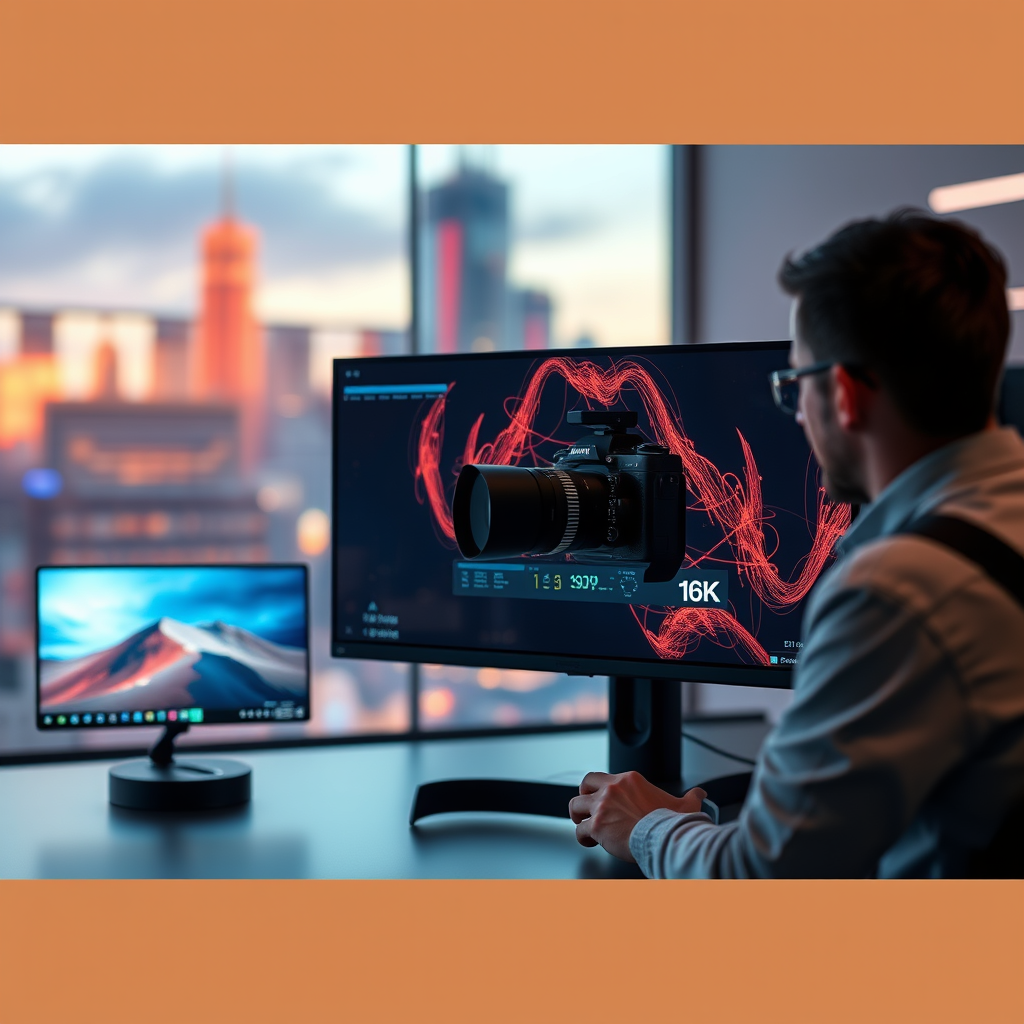
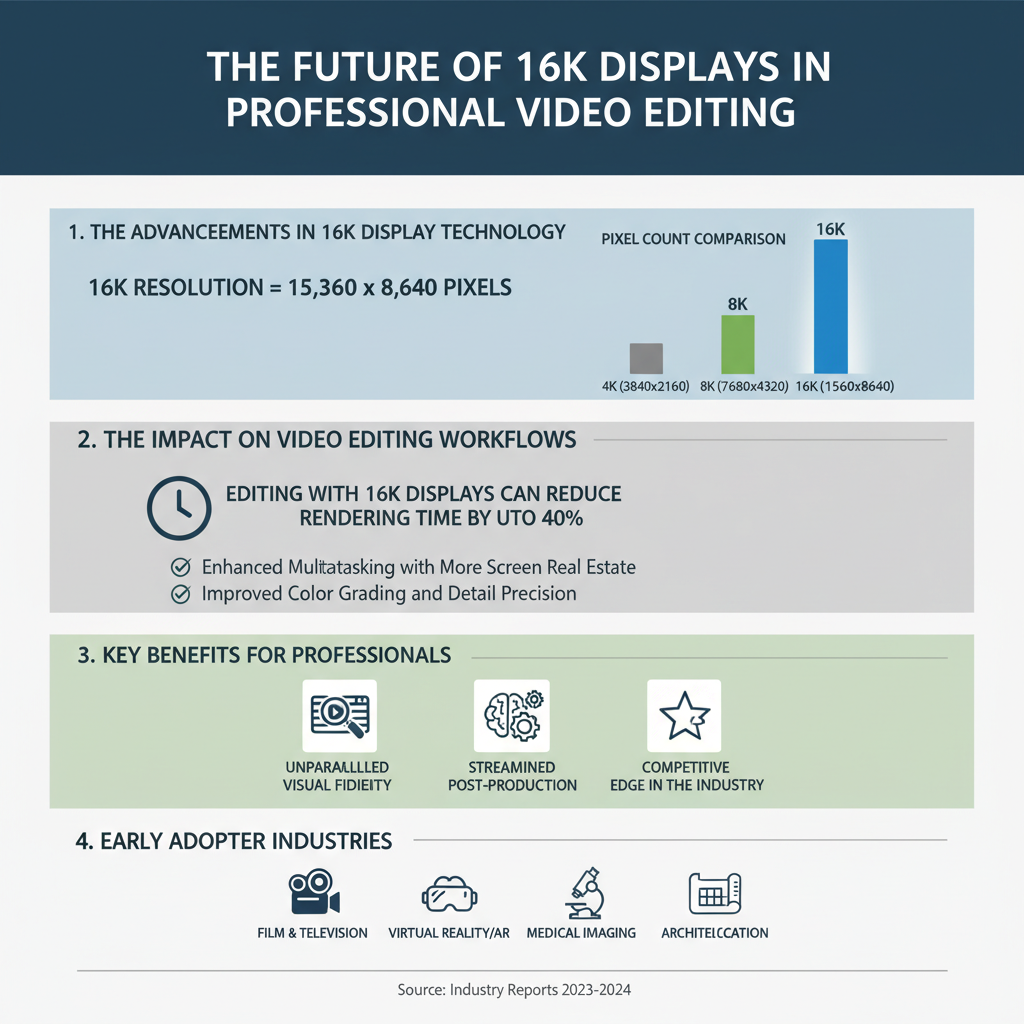
The leap to 16K resolution, which boasts an astonishing pixel count of 15,360 x 8,640, signifies a monumental upgrade in visual fidelity. This resolution allows for improved sharpness and clarity, enabling editors to see even the tiniest details that could affect the overall quality of the final product. Coupled with advancements in color accuracy, professional video editing can achieve results that are closer to what the human eye perceives in reality.
High Dynamic Range (HDR) technology plays a crucial role in this evolution, enhancing image quality by providing a broader spectrum of colors and contrast. HDR allows for more vivid and lifelike images, making it an essential feature in 16K displays. Innovations in display technology, such as OLED and microLED, further push the envelope, allowing for deeper blacks and brighter whites, thus enhancing the overall viewing experience. These advancements not only benefit editing but also enrich the final product, making it more engaging for audiences.
The Impact on Video Editing Workflows
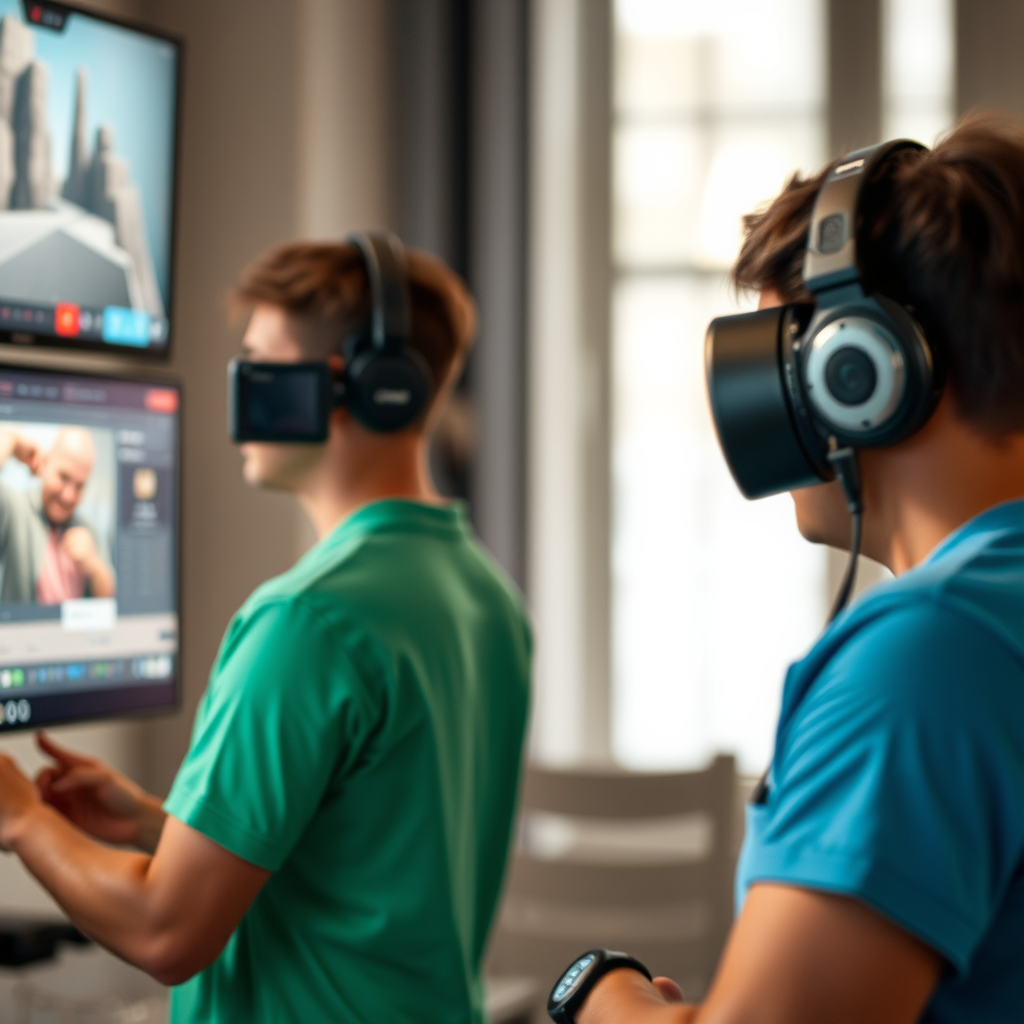
Integrating 16K displays into video editing workflows will streamline many processes, offering editors a more efficient environment. The increased resolution means that editors can zoom into their footage without losing clarity, allowing for precise adjustments to be made with ease. This capability is particularly beneficial for tasks such as color grading and retouching, where fine details matter greatly.
Moreover, the greater screen real estate afforded by 16K displays enables multitasking like never before. Editors can have multiple applications open simultaneously, such as video editing software, color grading tools, and audio mixing programs, all while maintaining a clear view of their projects. This significantly enhances productivity, making it easier to switch between tasks without losing focus.
For remote teams, collaboration becomes seamless with 16K displays. By providing a clearer and more immersive viewing experience, team members can share their screens and view content together, even from miles apart. This fosters better communication and allows for a more cohesive creative process, regardless of geographical barriers.
Challenges of Adopting 16K Displays
While the benefits of 16K displays are plentiful, the challenges associated with adopting this technology cannot be overlooked. One of the primary concerns is the need for powerful hardware and software capable of handling 16K editing. This means that professionals may need to invest in high-end computers and graphics cards, which can be a significant financial commitment.
Storage requirements also pose a challenge. 16K video files are substantially larger than their lower-resolution counterparts, leading to increased data management considerations. Editors will need robust storage solutions to accommodate these large files, making careful planning essential.
Additionally, compatibility issues may arise with existing equipment and software. Many current editing tools may not support 16K content, necessitating updates or replacements. Ensuring that all components of the editing suite are 16K-ready is crucial for a smooth transition to this advanced technology.
The Role of 16K in Creative Storytelling
The potential for immersive storytelling through high-resolution footage is one of the most exciting aspects of 16K technology. Filmmakers can create content that captivates audiences by drawing them into the action with unparalleled detail. Imagine watching a nature documentary in 16K, where every leaf and drop of water appears lifelike—this level of immersion can significantly enhance the viewer’s experience.
Several filmmakers have begun to leverage 16K technology in their projects, showcasing its capabilities. For instance, the use of 16K resolution in documentaries allows for stunning visuals that can highlight the beauty of the natural world, while narrative films can benefit from the intricate details that add depth to character portrayals and settings. The impact of 16K content on audience engagement can’t be understated, as viewers are more likely to be drawn into a story that is visually striking and immersive.
Future Trends in Display Technology for Video Editing
As we look to the future, predictions indicate that 16K displays will see widespread adoption in the professional video editing space. As technology continues to advance, costs will likely decrease, making high-resolution displays more accessible to a broader range of professionals.
Beyond 16K, the evolution of display technology is poised to explore resolutions such as 32K and beyond. While 32K may currently seem like a distant possibility, the rapid pace of innovation suggests that we may not have to wait long to see these advancements come to fruition. Furthermore, the potential integration of artificial intelligence and machine learning into video editing workflows could enhance the capabilities of display technology, enabling smarter editing tools that adapt to the needs of the user.
Considerations for Video Professionals
For video professionals looking to invest in 16K displays, there are several key considerations to keep in mind. First and foremost, ensure that the display offers true 16K resolution and excellent color accuracy. Research the technology behind the display, such as OLED or microLED, as these can significantly impact image quality.
Optimizing your video editing setup for high-resolution content is also crucial. This may involve upgrading your computer’s hardware, investing in ample storage solutions, and ensuring that your software is compatible with 16K editing. Staying updated with technological advancements is vital in this fast-paced industry, so regularly review the latest trends and tools available to maximize your editing potential.
The advancements in 16K display technology are set to revolutionize professional video editing, offering unparalleled visual detail and editing capabilities. As professionals navigate the challenges and opportunities of adopting this technology, it’s essential to stay informed about future trends and best practices. Embrace the future of video editing by exploring the latest in display technology and considering how it can elevate your work. Whether you’re a seasoned editor or just starting, the world of 16K displays promises a brighter and more vibrant future for storytelling in the digital realm.
Frequently Asked Questions
What are the benefits of using 16K displays for professional video editing?
The primary benefits of using 16K displays in professional video editing include unparalleled image clarity, enhanced color accuracy, and improved detail visibility. With a resolution of 15,360 x 8,640 pixels, 16K displays allow editors to work with high-resolution footage more efficiently, making it easier to crop, zoom, and apply effects without sacrificing quality. This high fidelity ensures that creative professionals can produce stunning visuals that meet the demands of modern content creation.
How will the adoption of 16K displays impact the workflow of video editors?
The adoption of 16K displays is expected to significantly streamline the workflow of video editors by providing a larger canvas for multitasking and detailed editing. Editors can view multiple timelines, reference materials, and effects panels simultaneously without sacrificing visibility. This increased screen real estate allows for more productive sessions, reducing the need for constant resizing or switching between windows, ultimately leading to faster turnaround times for projects.
Why should video editors consider upgrading to 16K displays now?
Video editors should consider upgrading to 16K displays now due to the growing prevalence of high-resolution content and the increasing demand for immersive viewing experiences. As platforms and audiences move towards 8K and beyond, being equipped with 16K technology ensures that editors remain competitive and future-proof their work. Furthermore, early adoption can lead to a mastery of new tools and techniques that can set professionals apart in a crowded market.
Which industries are likely to benefit most from 16K displays in video editing?
Industries such as film production, gaming, virtual reality, and high-end advertising are likely to benefit the most from 16K displays in video editing. In film and television, the ability to deliver stunning visuals in ultra-high definition is critical for audience engagement. Similarly, in gaming and virtual reality, where immersive experiences are paramount, 16K displays provide the detail and clarity that enhance user interaction and satisfaction.
What should video editors look for when choosing a 16K display for editing purposes?
When choosing a 16K display for editing, video editors should consider factors such as color accuracy, refresh rate, connectivity options, and panel technology. Look for displays that cover a wide color gamut (like Adobe RGB or DCI-P3) for precise color grading, high refresh rates for smooth motion rendering, and multiple input options for seamless integration with editing software and hardware. Additionally, investing in a display with HDR support can enhance dynamic range, making it an invaluable tool for professional video editing.
References
- Display resolution
- https://www.sciencedirect.com/science/article/pii/S1877050919311337
- https://www.nytimes.com/2023/01/15/technology/16k-displays-video-editing.html
- https://www.bbc.com/future/article/20220301-what-would-16k-video-mean-for-the-future-of-television
- https://www.itu.int/en/ITU-T/focusgroups/ai4tv/Pages/default.aspx
- https://www.wired.com/story/the-future-of-16k-displays/
- https://www.techrepublic.com/article/understanding-16k-displays-and-their-potential-impact-on-video-editing/
- https://www.ncbi.nlm.nih.gov/pmc/articles/PMC6721531/