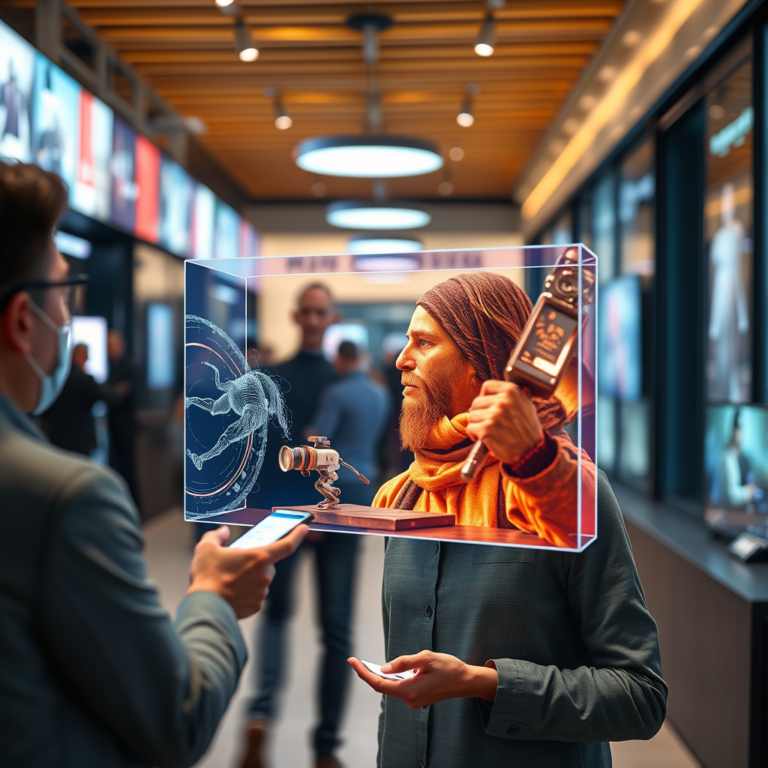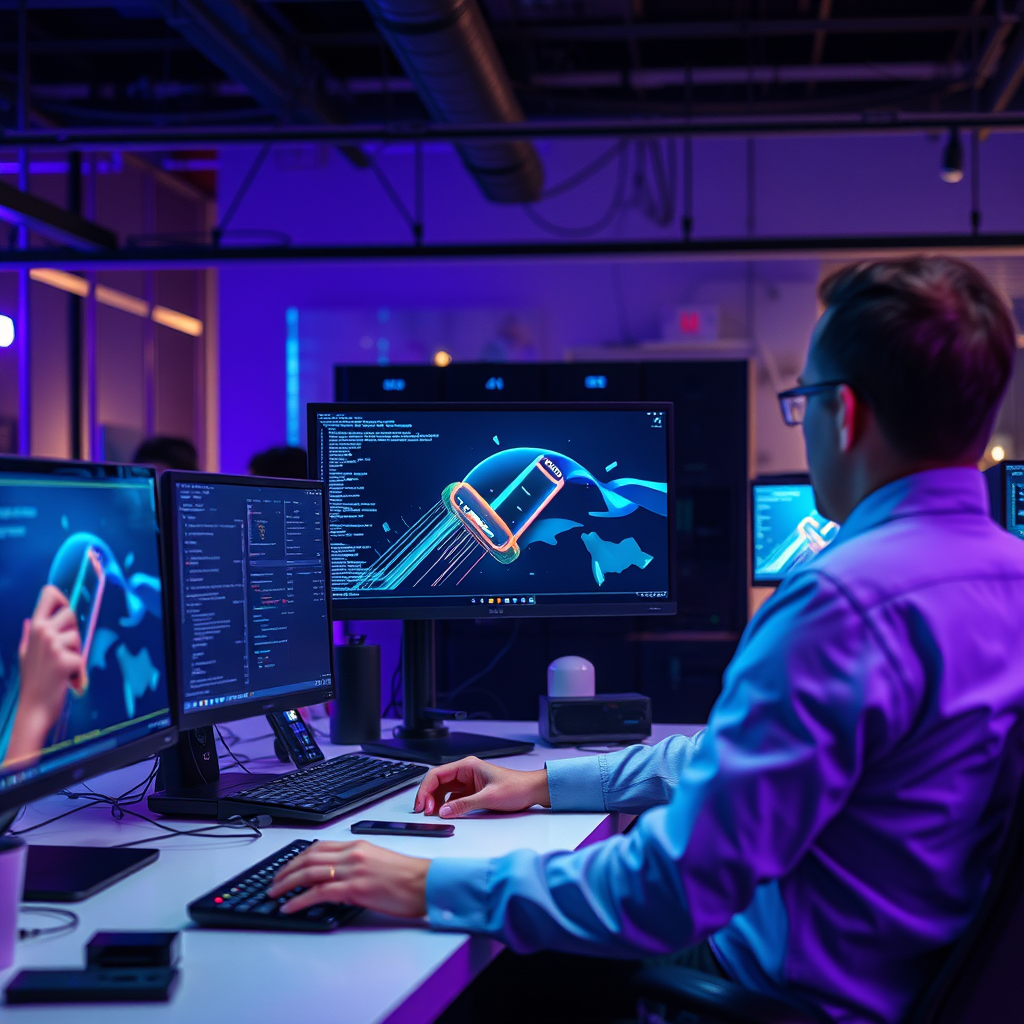

The future of AI-powered real-time motion capture is poised to revolutionize the video production landscape, enhancing creativity and efficiency. With advancements in technology, filmmakers and content creators can now produce high-quality visuals with unprecedented ease and speed. This transformative technology not only streamlines the production workflow but also opens up new avenues for storytelling and engagement. In this article, we’ll explore the advancements in AI motion capture, its applications, and the implications for the video industry.
Understanding AI-Powered Motion Capture
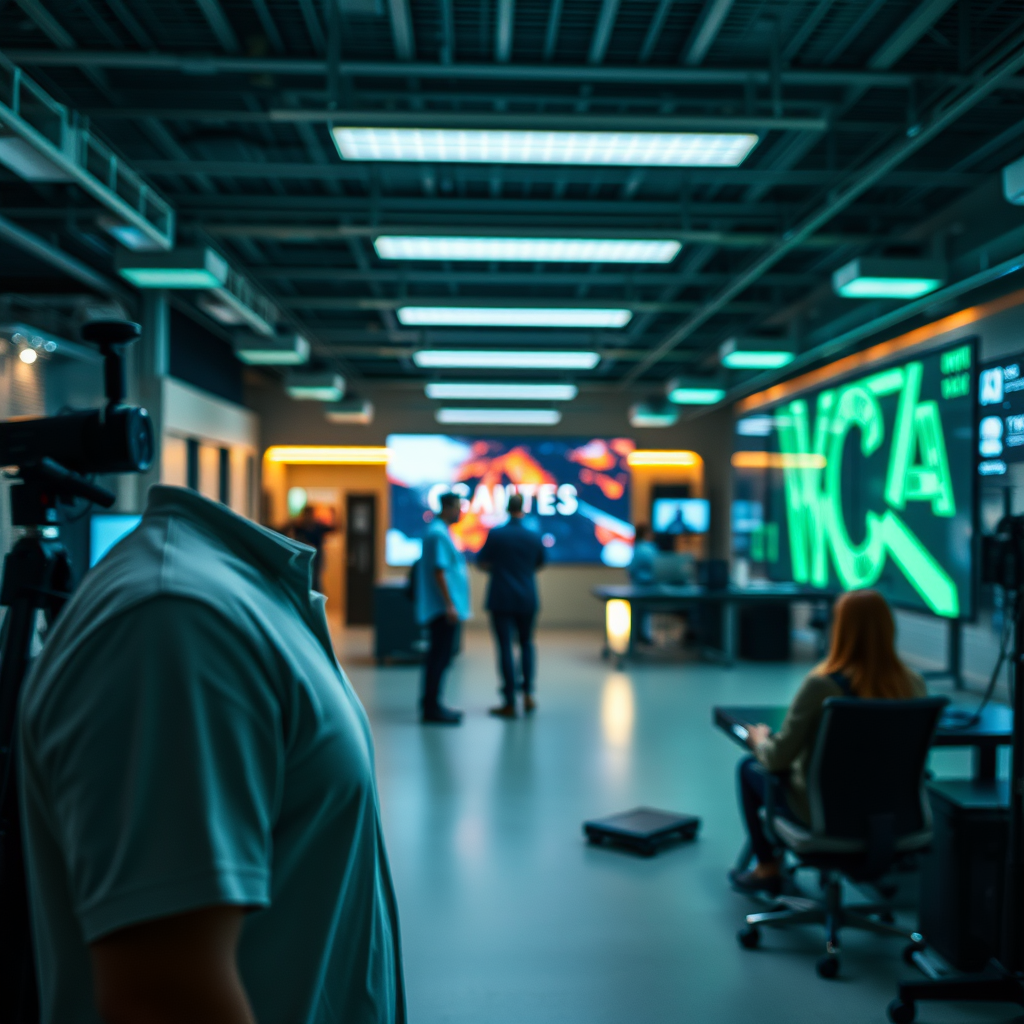
AI-powered motion capture refers to the use of artificial intelligence to track and replicate human movement in digital formats, enabling real-time rendering of animated characters or avatars. This technology is significant because it removes many of the cumbersome processes associated with traditional motion capture, which often requires extensive setups with multiple cameras and sensors. By employing AI algorithms, motion capture can now be achieved with fewer physical constraints, leading to quicker production times and lower costs.
The enhancement of traditional motion capture techniques through AI involves machine learning and computer vision. These technologies allow systems to learn from vast amounts of data, recognizing patterns in movement and translating them into digital animations seamlessly. For instance, AI can analyze a performer’s movements during a live shoot and instantly apply those movements to a digital character, making the animation process more intuitive and accessible.
Current State of Motion Capture Technology

Currently, motion capture technology includes systems that utilize markers, cameras, and various sensors to record movement. Optical systems, for instance, rely on cameras tracking reflective markers placed on the subject’s body, while inertial systems use accelerometers and gyroscopes to capture motion without needing external cameras. Despite their effectiveness, these existing technologies come with limitations. They often require complicated setups, significant budget allocations, and can be hindered by environmental factors such as lighting or space constraints.
Industries like film, gaming, and sports have been leveraging motion capture effectively. For example, blockbuster films like “Avatar” and gaming franchises like “Call of Duty” utilize sophisticated motion capture to create lifelike characters and immersive environments. However, as technology evolves, the need for more agile and efficient systems is becoming increasingly apparent.
Innovations in AI for Motion Capture
The past few years have seen remarkable innovations in AI algorithms and machine learning that significantly improve the accuracy and reliability of motion capture. Advanced neural networks can analyze and predict movement, allowing for smoother transitions and more realistic animations. These algorithms can also adapt to different styles of movement, making it easier to capture everything from a dancer’s fluid motions to an athlete’s precise actions.
Computer vision plays a crucial role in this advancement. With improved image processing capabilities, AI can now track motion in real-time with minimal latency. For instance, recent developments in deep learning enable systems to recognize complex movements and translate them into digital models seamlessly. This real-time capability allows creators to see the results instantly, facilitating a more iterative and creative workflow.
Applications of Real-Time Motion Capture in Video
Real-time motion capture is making waves in various sectors, particularly in filmmaking and gaming. Filmmakers are now using this technology to create animation and special effects that were once thought to be reserved for large studios with hefty budgets. For example, productions like “The Mandalorian” utilize virtual sets powered by real-time motion capture, allowing actors to perform against dynamic backgrounds that react to their movements instantly.
In the gaming industry, real-time motion capture enhances the player’s experience by creating more immersive environments. Titles like “The Last of Us Part II” have used this technology to deliver lifelike character animations that respond organically to player actions, resulting in a richer narrative experience. Furthermore, the rise of virtual reality (VR) is also benefiting from these advancements, as real-time motion capture allows users to interact with their environments in a more natural and engaging way.
Challenges and Considerations
Despite the promising advancements, there are technical challenges in implementing AI motion capture systems. Developing robust algorithms that can accurately track diverse movements in various environments remains a complex task. Additionally, the reliance on AI means that the quality of output is heavily dependent on the data used to train these systems. Poor training data can lead to inaccurate movement replication, which could hinder production quality.
Ethical concerns also arise regarding data privacy and representation in digital content. The use of AI to replicate human movements raises questions about consent and ownership, particularly when it comes to the digital likeness of individuals. Content creators must navigate these issues carefully to ensure that their use of motion capture technology aligns with ethical standards and respects individual rights.
The Future Outlook
Looking ahead, the evolution of AI motion capture technology is likely to accelerate over the next decade. We can expect improvements in accuracy, affordability, and accessibility, leading to broader adoption across various industries. Emerging trends, such as cloud-based motion capture services, could democratize this technology, allowing independent filmmakers and smaller content creators to access high-quality tools that were previously out of reach.
Furthermore, as AI continues to advance, we might see the integration of more complex movements, including facial capture and emotional nuances, resulting in even more lifelike digital performances. New market opportunities will emerge, particularly in sectors like education and remote collaboration, where virtual environments powered by real-time motion capture could enhance learning experiences and teamwork.
The rapid advancements in AI-powered real-time motion capture promise to transform the video industry, making it more accessible and innovative. As filmmakers and content creators embrace these technologies, they will unlock new avenues for storytelling, enabling more immersive and engaging experiences. Stay updated on these developments and consider exploring AI motion capture solutions for your next project; the future of video production is bright, and it’s just getting started!
Frequently Asked Questions
What advancements in AI are driving the future of real-time motion capture for video?
Recent advancements in machine learning algorithms and computer vision technology are significantly enhancing real-time motion capture systems. AI can now analyze complex human movements with greater accuracy, allowing for seamless integration into video production workflows. These improvements enable filmmakers and game developers to create more lifelike animations and interactive experiences, ultimately raising the quality of visual storytelling.
How will AI-powered motion capture impact the film and gaming industries?
AI-powered motion capture is set to revolutionize both the film and gaming industries by streamlining production processes and reducing costs. With more efficient data processing and real-time feedback, creators can make quick adjustments during shoots, leading to faster turnaround times. Additionally, the enhanced realism of AI-driven motion capture can elevate audience engagement, making characters and movements more believable, which is crucial for immersive storytelling in films and games.
Why is real-time motion capture important for virtual reality (VR) experiences?
Real-time motion capture is essential for virtual reality experiences as it allows for immediate feedback on user movements, creating a more immersive environment. This technology ensures that users’ actions are accurately mirrored in the virtual world, enhancing the sense of presence and realism. As VR continues to grow, the integration of AI-driven motion capture will be vital in delivering engaging and intuitive experiences that keep users coming back.
What are the best AI-powered tools currently available for real-time motion capture?
Some of the best AI-powered tools for real-time motion capture include technologies like Xsens and Rokoko, which offer advanced motion tracking capabilities with minimal setup. These tools utilize AI algorithms to optimize data capture and provide real-time visualization of movements. Additionally, platforms like Adobe Character Animator and Unity’s Motion Capture tools leverage AI to simplify the animation process, making them accessible for creators of all skill levels.
Which challenges do developers face when implementing AI in motion capture systems?
Developers face several challenges when implementing AI in motion capture systems, including the need for high-quality training data to ensure accuracy and reliability. Additionally, integrating AI with existing hardware can present compatibility issues, requiring ongoing adjustments and updates. Furthermore, ensuring low latency during real-time capture is critical, as delays can disrupt the user experience, making it essential for developers to find efficient solutions to these technical hurdles.
References
- Motion capture
- https://www.sciencedirect.com/science/article/pii/S0959415421002368
- https://www.nature.com/articles/s41598-021-86792-6
- https://www.bbc.com/future/article/20210728-how-ai-is-changing-the-way-we-make-movies
- https://www.researchgate.net/publication/332648150_Motion_Capture_and_AI_Applications_in_Animation_and_Virtual_Reality
- https://www.wired.com/story/ai-motion-capture-animators/
- https://www.npr.org/sections/money/2021/09/02/1033566028/ai-motion-capture-technology-disrupting-animation-and-film-industry
- https://www.theguardian.com/technology/2021/jun/08/ai-technology-movie-animation-capture