The future of AI-enhanced AR video shopping experiences is incredibly promising, as these technologies blend the ease of online shopping with the captivating elements of in-person retail. This fusion creates interactive and personalized shopping journeys that cater to individual preferences, ultimately driving sales and enhancing customer engagement. As advancements in AI and AR continue to evolve, retailers are discovering innovative ways to connect with consumers, making shopping not just a task, but an experience.




The Evolution of AR in Retail
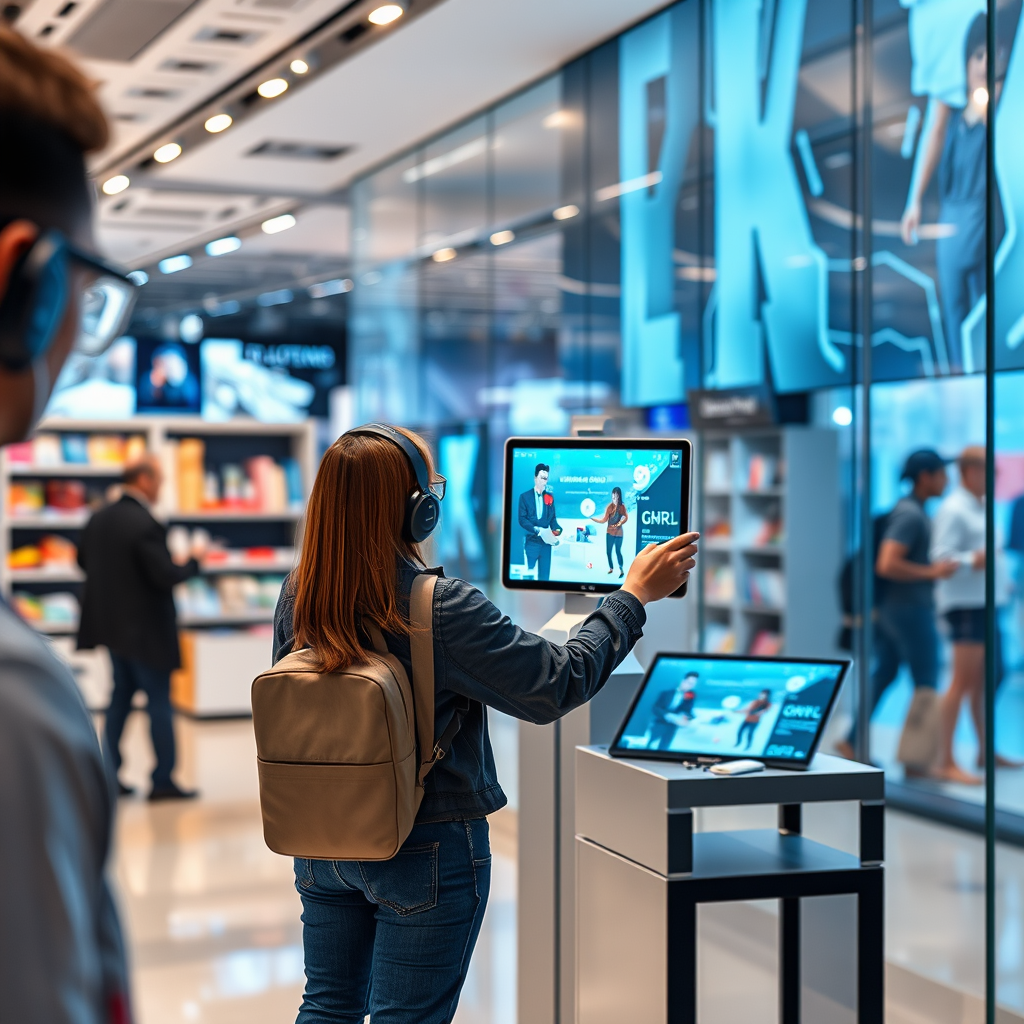
Augmented Reality (AR) technology has been making waves in retail, transforming how consumers interact with products. AR overlays digital images in the real world, allowing shoppers to visualize items in their environment before making a purchase. This technology first gained traction in the early 2010s, with apps like IKEA Place enabling customers to see how furniture fits in their homes.
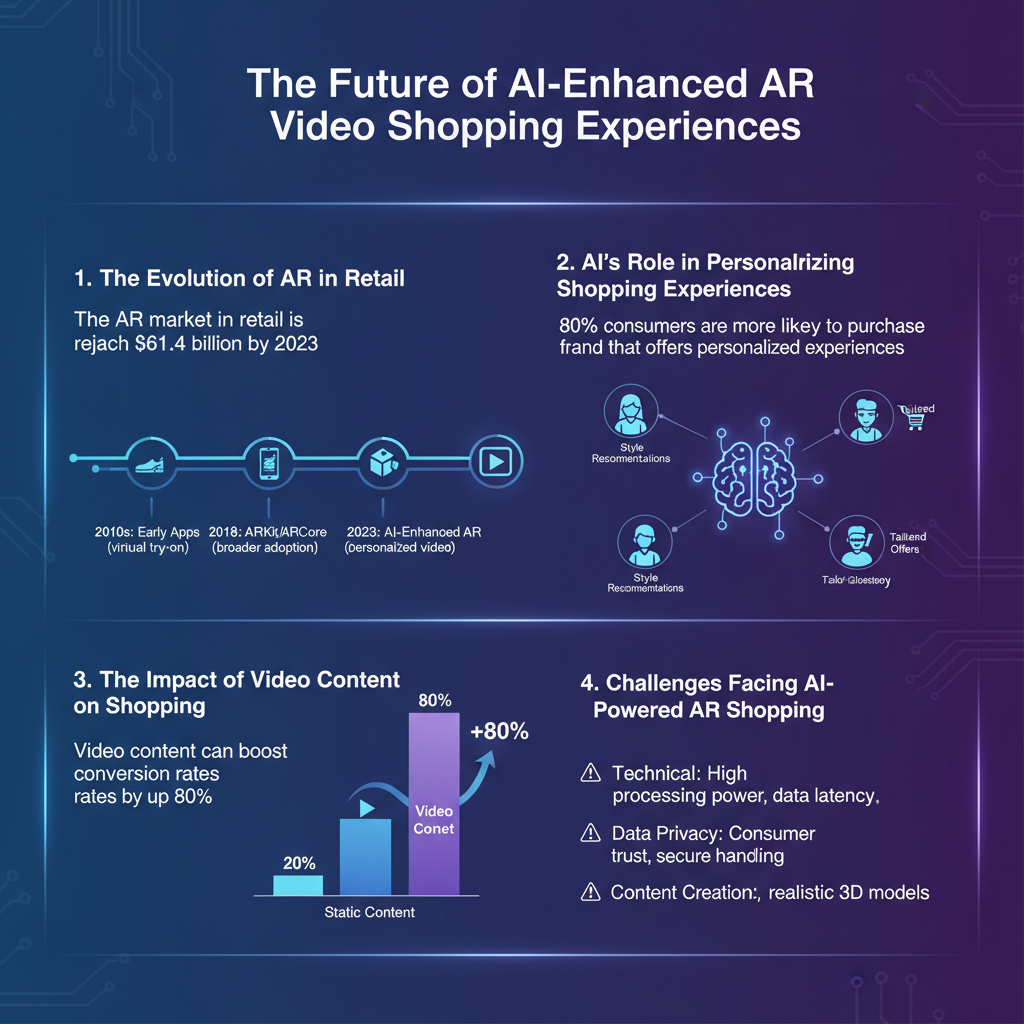
Historical milestones include the launch of Pokémon GO in 2016, which not only popularized AR but also showcased its potential in driving foot traffic to retail locations. Major brands like Sephora and L’Oreal have since embraced AR, offering virtual try-on features that let customers test makeup looks without ever stepping foot in a store. These advancements have paved the way for a more immersive shopping experience, setting the stage for the exciting future of AI-enhanced AR video shopping.
AI’s Role in Personalizing Shopping Experiences
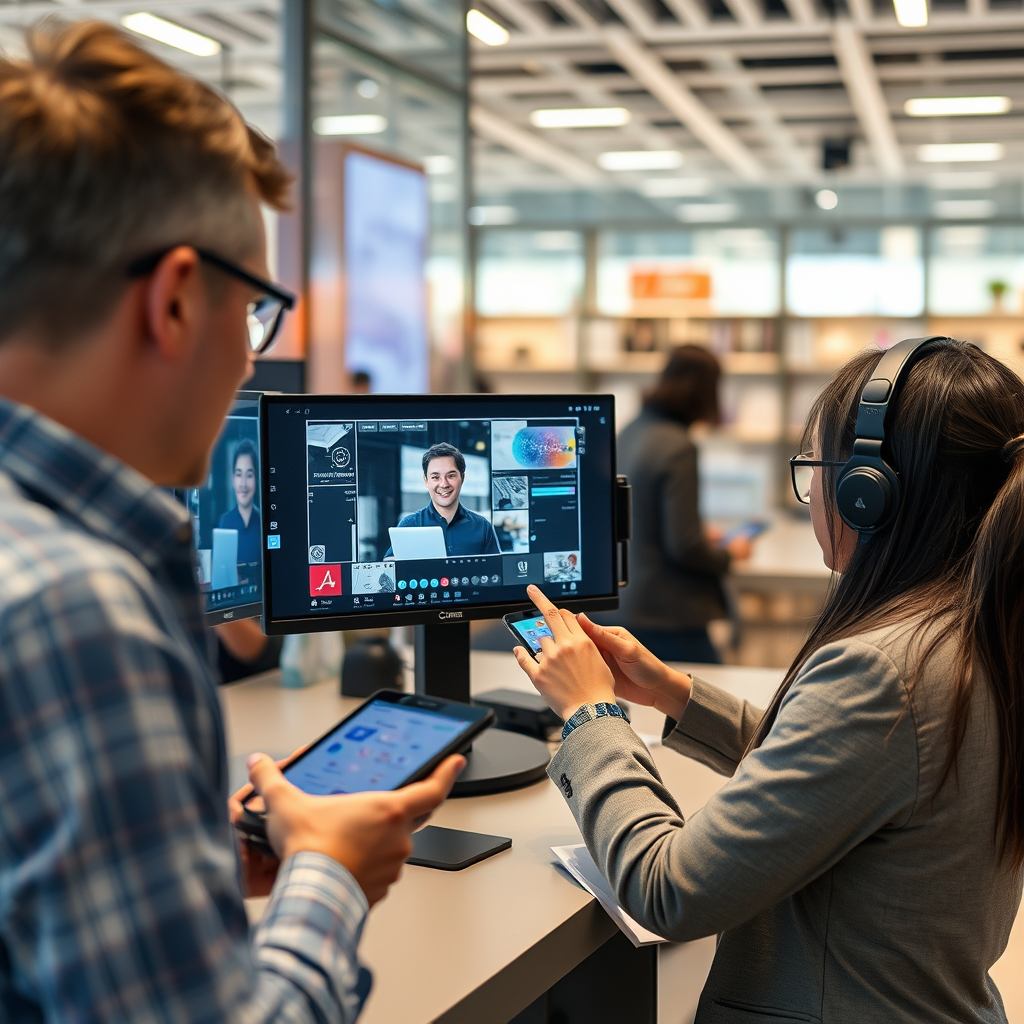
Artificial Intelligence (AI) plays a pivotal role in tailoring shopping experiences to individual consumers. By analyzing vast amounts of data, including browsing history, purchase patterns, and even social media activity, AI algorithms can create personalized recommendations that resonate with shoppers. This personalization enhances customer engagement, leading to higher conversion rates.
For instance, brands like Amazon and Netflix utilize AI to curate content and product suggestions, making the shopping journey feel more intuitive. In the beauty industry, companies like Ulta have implemented AI to recommend products based on user preferences and skin tones, ensuring shoppers find their ideal match. This level of personalization not only improves the shopping experience but also fosters brand loyalty as consumers feel understood and valued.
The Impact of Video Content on Shopping
Video content has proven to be exceptionally effective in the retail space, significantly boosting conversion rates. According to research, product videos can increase purchase likelihood by up to 80%. When combined with AR, video content transcends traditional boundaries, allowing customers to see products in action within their own environment.
Brands like Nike have successfully integrated AR video into their shopping experiences, offering interactive advertisements that allow consumers to visualize products in real-time. Additionally, furniture retailer Wayfair employs AR video to showcase how items fit in a room setting, making it easier for customers to envision their purchases. This blend of video and AR not only captivates but also informs consumers, leading to more confident purchasing decisions.
Challenges Facing AI-Powered AR Shopping
Despite its potential, the integration of AI-powered AR shopping faces several challenges. Technically, retailers must invest in robust infrastructure to support these advanced technologies. High-quality AR experiences require significant computing power and bandwidth, which can be a barrier for smaller businesses.
Consumer privacy is another pressing concern. As AI systems collect data to personalize experiences, customers often worry about how their information is used and stored. Retailers must navigate these concerns by being transparent about data usage and prioritizing security measures. Building trust with consumers will be crucial for the widespread adoption of AI-enhanced AR shopping experiences.
Future Trends in AI and AR Shopping
Looking ahead, several trends are poised to shape the future of AI and AR in retail. One significant prediction is the rise of fully immersive shopping environments, where customers can explore virtual showrooms from the comfort of their homes. As technologies like 5G become more widespread, the capabilities of AR and AI will expand, allowing for smoother and more interactive experiences.
Additionally, consumers are likely to continue shifting toward a preference for personalized shopping journeys. As younger generations, particularly Gen Z, become primary consumers, their expectations for seamless, engaging experiences will push retailers to innovate continually. Expect to see more brands using AI and AR to create unique, memorable shopping experiences that cater to individual tastes and preferences.
How Businesses Can Prepare for the Shift
For retailers looking to adapt to the shifting landscape of AI and AR shopping, several strategies can facilitate a successful transition. First and foremost, investing in technology is crucial. Retailers should evaluate their existing infrastructure and consider upgrades to support enhanced AR experiences. This might include better internet connectivity, enhanced app performance, and improved device capabilities.
Training staff is equally important. Employees should be well-versed in the new technologies to assist customers effectively and provide a seamless shopping experience. Retailers can also gather customer feedback on their experiences with AI and AR, using this insight to refine and enhance their offerings continually.
By staying informed about technological advancements and being proactive in their approach, businesses can position themselves as leaders in the AI-enhanced AR shopping revolution.
The rapid advancement of AI-powered AR video shopping experiences is set to redefine the retail landscape. As brands increasingly adopt these technologies, it’s essential for businesses to stay ahead of the curve by embracing innovation and understanding consumer needs. Engaging with these trends not only enhances the shopping experience for consumers but also positions businesses to thrive in a competitive market. By adapting to the future of retail, companies can ensure they meet evolving consumer demands and retain their relevance in an ever-changing industry.
Frequently Asked Questions
What is AI-powered AR video shopping and how does it work?
AI-powered AR (Augmented Reality) video shopping combines artificial intelligence with augmented reality to create immersive shopping experiences. This technology allows customers to visualize products in their own environment through their devices, while AI analyzes user preferences and behaviors to personalize recommendations. By overlaying digital content onto the real world, shoppers can interactively explore products, making informed decisions before purchasing.
How will AI and AR enhance the online shopping experience in the future?
In the future, AI and AR are set to revolutionize online shopping by providing personalized experiences that bridge the gap between virtual and physical retail. With AI-driven analytics, platforms can tailor product suggestions based on individual shopping habits, while AR enables users to try products virtually—such as furniture or clothing—before making a purchase. This not only improves customer satisfaction but also reduces return rates by ensuring that buyers have a clear understanding of what they are purchasing.
Why should retailers invest in AI-powered AR video shopping technology?
Retailers should invest in AI-powered AR video shopping technology to stay competitive and meet evolving consumer expectations. As online shopping increasingly shifts toward immersive experiences, adopting this technology can enhance customer engagement and increase conversion rates. Moreover, by providing tools that allow customers to visualize products in their own space, retailers can foster greater trust and satisfaction, ultimately leading to higher sales and brand loyalty.
Which industries are most likely to benefit from AI-powered AR video shopping experiences?
Several industries stand to gain significantly from AI-powered AR video shopping experiences, with fashion, furniture, and cosmetics leading the charge. In fashion, customers can virtually try on clothing and accessories, while in furniture retail, shoppers can visualize how items fit into their homes. The cosmetics industry can leverage AR to allow consumers to see how different makeup products look on their skin. This targeted application of technology not only enhances the shopping experience but also drives sales in these sectors.
What are the potential challenges of implementing AI-powered AR video shopping solutions?
Implementing AI-powered AR video shopping solutions comes with challenges, including high development costs and the need for robust technology infrastructure. Retailers may face difficulties in integrating AR capabilities into existing platforms, requiring significant investment in software and training. Additionally, consumer adoption can be slow if users are not tech-savvy or if the technology does not deliver a seamless experience, necessitating ongoing education and support to maximize effectiveness.
References
- https://en.wikipedia.org/wiki/Augmented_reality
- https://www.bbc.com/news/technology-56392093
- https://www.sciencedirect.com/science/article/pii/S187705092030155X
- https://www.forbes.com/sites/bernardmarr/2021/01/25/the-future-of-augmented-reality-in-e-commerce/?sh=3e4f6f6e1b00
- https://www.nytimes.com/2021/03/31/technology/augmented-reality-shopping.html
- https://www.wired.com/story/augmented-reality-shopping/
- https://www.researchgate.net/publication/335564456_The_Role_of_Augmented_Reality_in_E-Commerce
- https://www.technologyreview.com/2020/06/12/1002672/augmented-reality-shopping/