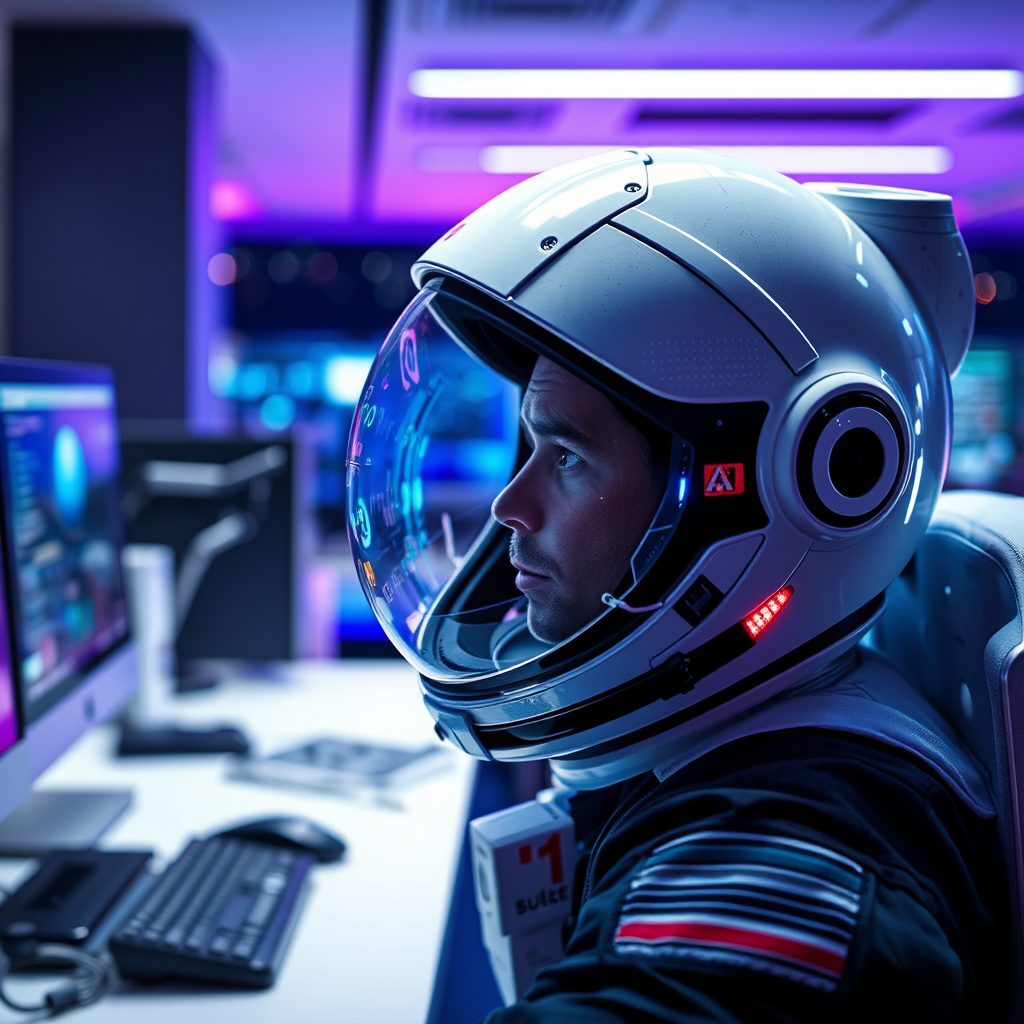

The future of AI-powered astronaut helmet displays is set to transform space exploration by providing enhanced data visualization, real-time analytics, and improved astronaut safety. These innovative technologies will not only help astronauts navigate and monitor their environment more effectively but also ensure that their missions are safer and more efficient. In this article, we will dive into the advancements in technology that are shaping these displays, explore their potential applications in upcoming missions, and discuss the challenges that must be overcome to fully harness their capabilities.
Advancements in AI Technology
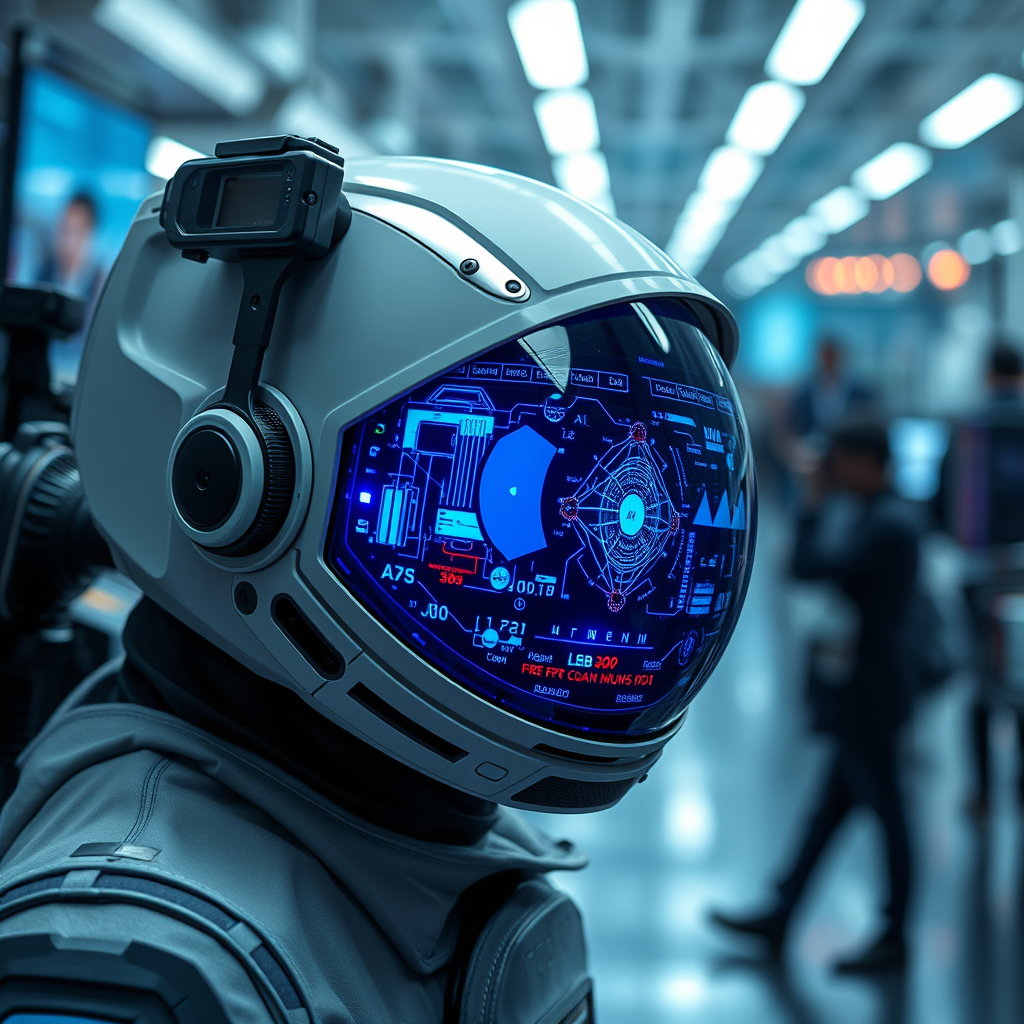
One of the most exciting aspects of AI-enhanced astronaut helmet displays is the integration of advanced machine learning algorithms. These algorithms facilitate predictive analytics that can anticipate the needs of astronauts based on their current activities and environmental conditions. For instance, if an astronaut is conducting a spacewalk, the AI can assess the surrounding conditions—like radiation levels or micrometeorite threats—and provide timely recommendations or alerts. This predictive capability can significantly enhance decision-making processes in critical situations.
Moreover, enhanced image recognition capabilities are being developed to monitor the environment in real-time. Imagine an astronaut exploring the surface of Mars, and their helmet display can instantly identify geological formations or even detect signs of potential biological life. This technology could provide vital information that supports scientific research and exploration, making every moment spent in space more productive.
Improved User Interface Design
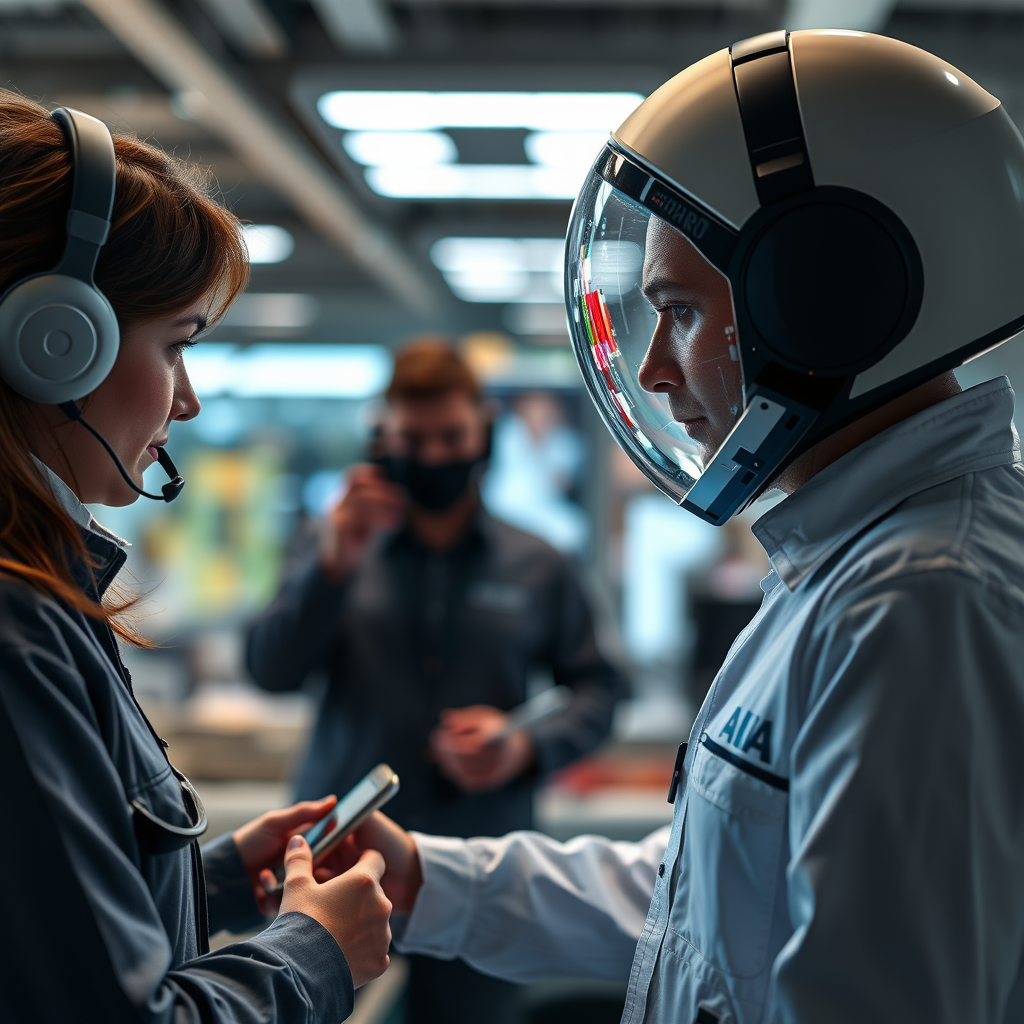
When it comes to usability, the design of the helmet displays is just as crucial as the underlying technology. Developers are focusing on creating intuitive displays that allow astronauts to navigate their systems effortlessly. Unlike traditional interfaces, which can be cluttered and complex, the new designs prioritize clarity and accessibility. For example, voice commands could allow astronauts to access information hands-free, minimizing distractions while they work.
Furthermore, customizable interfaces tailored to individual astronaut needs are becoming a reality. Each astronaut brings a unique set of skills and preferences to their mission, and their helmet display could be adjusted to reflect that. Whether it’s a preference for larger text or specific data points, a personalized interface can enhance comfort and efficiency, ultimately improving mission outcomes.
Real-Time Data Visualization
The ability to overlay critical mission data directly within the astronaut’s field of view is a game-changer. With augmented reality features, astronauts can see their surroundings and essential information simultaneously. For instance, the helmet display could show the astronaut’s oxygen levels, suit integrity, and mission objectives without requiring them to look away from their tasks. This integration of data into their environment enhances situational awareness, allowing astronauts to focus on their work with minimal interruptions.
Moreover, real-time data visualization can support collaborative efforts between astronauts and mission control. Imagine astronauts on a distant planet receiving live updates on their progress, with mission control able to adjust objectives or provide support based on the data displayed in the helmets. This dynamic interaction can foster a more responsive and adaptable approach to exploration.
Safety Enhancements
Safety is paramount in any space mission, and AI-driven helmet displays are set to enhance this aspect significantly. These displays can incorporate AI algorithms designed to identify potential hazards or equipment malfunctions in real time. For example, if an astronaut’s suit begins to show signs of wear or a leak, the AI can alert them immediately, allowing for quick action to prevent accidents.
Additionally, advanced communication systems integrated into the helmet displays will ensure seamless connectivity with mission control. This could include features like instant video calls, allowing astronauts to consult with specialists on Earth without delay. Such capabilities not only improve safety but also bolster the psychological support astronauts receive during long missions, knowing they are never truly alone.
Potential Applications in Future Missions
As we look towards the stars, the potential applications of AI-enhanced helmet displays in future missions are vast. During lunar missions, these displays could assist astronauts in navigation, research, and even construction tasks. Imagine astronauts on the Moon using their helmet displays to visualize maps or analyze soil samples in real time.
In the context of Mars exploration, these technologies could play a crucial role in long-duration missions. Not only would they help with navigation and research, but they could also provide psychological support through features that keep astronauts connected with their loved ones back on Earth. The ability to share experiences in real-time could mitigate feelings of isolation and help maintain morale throughout the mission.
Challenges and Limitations
Despite the promising advancements, several challenges and limitations remain in the development of AI-powered astronaut helmet displays. One significant hurdle is addressing the technical limitations of current AI systems, particularly in extreme environments like space. Conditions such as radiation, temperature fluctuations, and microgravity can affect the performance and reliability of these systems. Ensuring that the technology can withstand these challenges is crucial for its success.
Additionally, there is the challenge of ensuring reliability and redundancy to prevent failures during critical operations. In space, where every second counts, astronauts cannot afford to have their systems fail. Engineers and developers must create robust systems that can function without interruption, even in the face of unexpected issues. Building in redundancy—such as backup systems or alternative communication methods—will be essential for maintaining operational integrity.
The advancements in AI-powered astronaut helmet displays hold tremendous potential for the future of space exploration. By enhancing safety, improving user experience, and providing real-time data, these technologies can significantly impact astronaut missions. As we continue to explore and develop these systems, it is essential to address the challenges that lie ahead. Stay informed about the latest developments in this exciting field and consider how AI can play a pivotal role in the future of space travel. The journey to the stars may soon be safer, smarter, and more efficient than ever before!
Frequently Asked Questions
What features can we expect in future AI-powered astronaut helmet displays?
Future AI-powered astronaut helmet displays are expected to include augmented reality (AR) capabilities, advanced data analytics, and real-time communication systems. These features will enhance situational awareness by overlaying critical information, such as navigation routes and environmental conditions, directly in the astronaut’s field of vision. Additionally, AI integration will facilitate predictive maintenance alerts and personalized user interfaces, improving both safety and efficiency during missions.
How will AI improve the safety of astronauts using helmet displays?
AI can significantly enhance astronaut safety by utilizing real-time data analysis and machine learning algorithms to predict potential hazards in space environments. For instance, AI can monitor vital signs and environmental factors, alerting astronauts to any anomalies that may pose risks, such as changes in oxygen levels or equipment malfunctions. This proactive approach allows astronauts to respond swiftly to emergencies, ultimately reducing the likelihood of accidents during missions.
Why is AI integration critical for the next generation of space exploration helmets?
AI integration is crucial for the next generation of space exploration helmets because it enables smarter decision-making and improves operational efficiency in challenging environments. By processing vast amounts of data from various sensors, AI can provide astronauts with actionable insights, reducing their cognitive load and allowing them to focus on critical tasks. This capability is especially important as missions become longer and more complex, requiring enhanced support systems for astronaut performance and well-being.
What are the best use cases for AI-powered helmet displays in space missions?
The best use cases for AI-powered helmet displays in space missions include navigation assistance, real-time health monitoring, and remote collaboration with ground control. These displays can guide astronauts through complex terrains on other planets by providing visual cues and obstacle avoidance strategies. Additionally, health monitoring features can track physiological data, ensuring astronauts remain in optimal condition, while remote collaboration tools can facilitate seamless communication between teams on Earth and in space.
Which companies are leading the development of AI-powered astronaut helmet displays?
Several companies are at the forefront of developing AI-powered astronaut helmet displays, including NASA, SpaceX, and private aerospace startups like Axiom Space. NASA’s advanced helmet prototypes are focusing on integrating AR and AI for enhanced functionality, while SpaceX is exploring innovative designs for its crewed missions. Startups like Axiom Space are also contributing by developing advanced technologies that can support long-duration space missions, emphasizing the growing interest and investment in this area.
References
- https://en.wikipedia.org/wiki/Astronaut_helmet
- https://www.nasa.gov/mission_pages/iss/science/technology.html
- https://www.sciencedirect.com/science/article/pii/S0094576522002167
- https://www.nasa.gov/feature/nasa-s-new-astronaut-helmet
- https://www.bbc.com/news/science-environment-57118694
- Technology in Space Prize – ISS National Lab
- https://www.theguardian.com/science/2021/jun/09/nasa-astronaut-helmets-space-tech
- https://www.researchgate.net/publication/320095355_Augmented_Reality_for_Astronauts_Using_Smart_Helmets
- https://www.nasa.gov/press-release/nasa-s-new-ar-helmet-to-help-astronauts-in-space
- https://www.nature.com/articles/s41598-020-72507-5