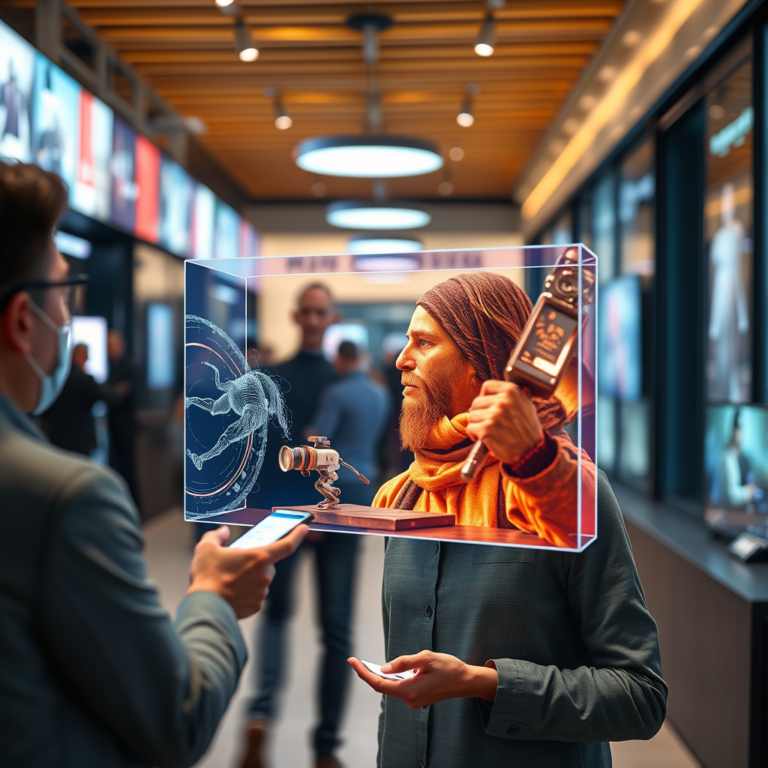

The future of AI in creating multi-sensory video experiences holds incredible potential to transform how we engage with content across various platforms. By harnessing the power of artificial intelligence, creators can develop immersive videos that engage not just our eyes and ears, but also our sense of touch, taste, and smell, elevating storytelling to a whole new level. This article delves into the technologies propelling these innovations and the myriad of applications they can influence, from entertainment to education.
Understanding Multi-Sensory Experiences
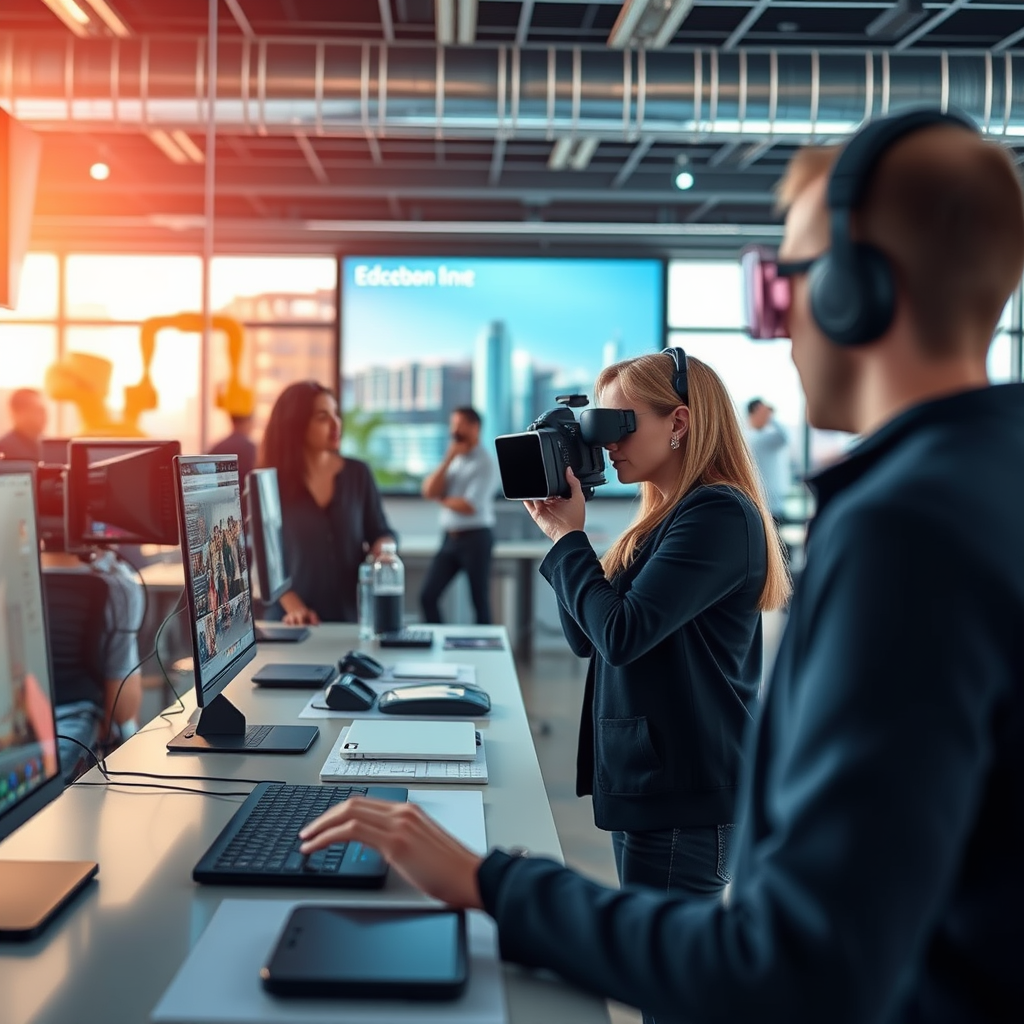
Multi-sensory experiences in media refer to content that engages multiple human senses simultaneously, enhancing the overall impact of the narrative. While traditional video primarily stimulates sight and sound, multi-sensory video experiences aim to create a richer tapestry of engagement by incorporating touch, taste, and smell. This approach is vital because research shows that the more senses we engage, the stronger our emotional connection to the content becomes. For instance, a video that allows viewers to feel vibrations that sync with the on-screen action or even simulates scents associated with a scene can create a profound sense of presence that a standard video cannot achieve. By leveraging multi-sensory elements, creators can evoke deeper emotional responses and create memorable experiences that resonate with audiences on a personal level.
The Role of AI in Video Production

AI plays a crucial role in streamlining video editing and content creation, making the process faster and more efficient. With advancements in machine learning and computer vision, AI can analyze vast amounts of footage, identify key moments, and suggest edits based on established patterns or viewer preferences. Tools like Adobe’s Sensei and Magisto utilize AI to enhance visual and auditory elements, automatically adjusting sound levels, optimizing color grading, and even recommending music that complements the mood of the video. This not only saves creators valuable time but also allows for the production of high-quality videos that maintain audience engagement. AI-driven tools can also personalize content for viewers by analyzing their preferences and behaviors, enhancing the connection between the content and its audience.
Technologies Driving Multi-Sensory Experiences
Several cutting-edge technologies are at the forefront of developing multi-sensory experiences, including virtual reality (VR), augmented reality (AR), and haptic feedback systems. VR immerses users in entirely digital environments, allowing for unparalleled interaction with the content. For example, VR gaming experiences can simulate physical sensations, like the feeling of wind or resistance while navigating virtual landscapes. AR, on the other hand, overlays digital information onto the real world, enriching the viewer’s environment with additional sensory details. Think of Pokémon GO, where players interact with virtual characters in their physical surroundings.
Haptic feedback technology adds another layer, allowing users to feel vibrations or movements that correspond with the video content, enhancing the tactile experience. When AI is integrated with these technologies, the interaction becomes even more intuitive and responsive, adapting in real-time to user inputs and preferences. This creates a seamless and engaging experience that captivates audiences and keeps them returning for more.
Applications in Entertainment and Education
The applications of multi-sensory video experiences are vast and varied, with significant potential in both entertainment and education. In gaming and film, multi-sensory elements can transport players and viewers into the narrative, allowing them to experience stories in a visceral way. Imagine a horror film that uses scent technology to emit smells associated with the scene, heightening the suspense and immersion. In gaming, players could feel the impact of every action through haptic feedback, making the experience more realistic and thrilling.
Beyond entertainment, educational tools are increasingly utilizing multi-sensory video experiences to engage students more effectively. For instance, a science lesson on ecosystems could incorporate immersive videos that allow students to “walk” through a rainforest, hear the sounds of wildlife, and even smell the scents of different plants. This multi-sensory approach has been shown to enhance retention and understanding, making learning more enjoyable and impactful.
Challenges and Ethical Considerations
Despite the exciting prospects of multi-sensory AI content, there are challenges and ethical considerations that must be addressed. One major concern is the potential for manipulation; as creators gain the tools to craft experiences designed to elicit specific emotional responses, there is a risk of crossing ethical lines. For example, using these technologies to evoke fear or anxiety in viewers could lead to harmful outcomes, particularly in vulnerable populations.
Moreover, biases in AI-generated experiences can perpetuate stereotypes or exclude certain groups from content. It is essential for creators to prioritize inclusivity and ethical considerations when developing multi-sensory content, ensuring that their work resonates positively with diverse audiences. Transparency about how AI influences content creation will also be critical in building trust with viewers.
Future Trends and Innovations
As we look to the future, the evolution of multi-sensory video experiences promises to be both exciting and transformative. Predictions include the development of AI systems that adapt content dynamically based on real-time user feedback, allowing for truly personalized viewing experiences. Imagine a film that shifts its narrative or emotional tone based on how viewers are reacting, creating a uniquely tailored experience for each audience member.
User feedback will play a pivotal role in shaping these future developments. By analyzing viewer preferences and interactions, creators can continually refine their approaches, ensuring that multi-sensory experiences remain engaging and relevant. Additionally, advancements in sensory technology will likely lead to even more sophisticated tools, such as devices that can mimic tastes and smells, further blurring the lines between reality and digital experiences.
The future of AI in creating multi-sensory video experiences is undoubtedly bright, as it opens up new avenues for storytelling and engagement. With the potential to engage multiple senses, creators can craft experiences that resonate deeply, fostering stronger connections with their audiences. As technology continues to advance, we can expect to see more innovative applications that redefine how we consume and interact with video content. Embrace these advancements and explore the opportunities to leverage AI in your own projects, as the landscape of multi-sensory experiences continues to evolve.
Frequently Asked Questions
What are multi-sensory video experiences and how is AI enhancing them?
Multi-sensory video experiences are immersive content that engages multiple senses simultaneously, including sight, sound, touch, and even smell. AI enhances these experiences by utilizing algorithms to analyze user preferences and behaviors, allowing for personalized content delivery. This means that videos can adapt in real-time to incorporate elements like haptic feedback or interactive soundscapes, creating a more engaging and tailored experience for viewers.
How can businesses leverage AI for creating immersive video content?
Businesses can leverage AI by utilizing advanced tools and platforms that integrate machine learning and data analytics to understand audience preferences. AI can help in automating video editing, generating personalized content, and enhancing user interaction through features like virtual reality (VR) and augmented reality (AR). This not only improves the viewer’s experience but also boosts engagement rates, leading to higher conversion rates and customer satisfaction.
Why is the integration of AI in video experiences important for future content marketing strategies?
The integration of AI in video experiences is crucial for future content marketing strategies because it allows brands to create highly personalized and engaging content that resonates with their audience. As consumer expectations evolve, leveraging AI enables businesses to provide tailored experiences, improve viewer retention, and optimize content delivery. Additionally, AI-driven insights can inform marketing strategies by revealing what types of content users prefer, ultimately driving better results.
What are the best tools available for creating AI-driven multi-sensory video experiences?
Some of the best tools for creating AI-driven multi-sensory video experiences include platforms like Adobe Premiere Pro with AI features, Synthesia for AI-generated avatars, and Unity for immersive environments. Tools like Runway ML also offer creative AI capabilities for video editing. These tools allow creators to experiment with interactive elements and tailor content to enhance user engagement, making them invaluable for content creators aiming to innovate.
Which industries are likely to benefit the most from AI in multi-sensory video experiences?
Industries such as entertainment, education, healthcare, and marketing are likely to benefit significantly from AI in multi-sensory video experiences. In entertainment, AI can create immersive gaming environments; in education, it can provide interactive learning modules. Healthcare can utilize AI-driven videos for training simulations, while marketing can leverage personalized video content to enhance customer engagement. The versatility of AI in these sectors promises to revolutionize how content is consumed and experienced.
References
- Artificial intelligence
- https://www.wired.com/story/future-of-video-ai/
- https://www.bbc.com/future/article/20211022-how-ai-is-changing-the-way-we-make-videos
- https://www.sciencedirect.com/science/article/pii/S1877050919312505
- https://www.nytimes.com/2021/06/24/technology/ai-video-editing.html
- News | NSF – U.S. National Science Foundation
- https://www.technologyreview.com/2021/06/10/1024480/ai-video-technology-future/
- https://www.theguardian.com/technology/2020/sep/01/artificial-intelligence-in-video-production
- https://www.nature.com/articles/s41586-019-1793-1