

The future of AI in creating personalized voice models for video is bright, with advancements in technology enabling highly tailored audio experiences. As content creators look for ways to connect with their audiences on a deeper level, personalized voice synthesis offers a powerful tool to enhance storytelling and engagement. This blog post will explore the evolution of AI voice technology, the significance of personalized models, key driving technologies, their applications, challenges, and the future landscape of voice modeling.
The Evolution of AI Voice Technology
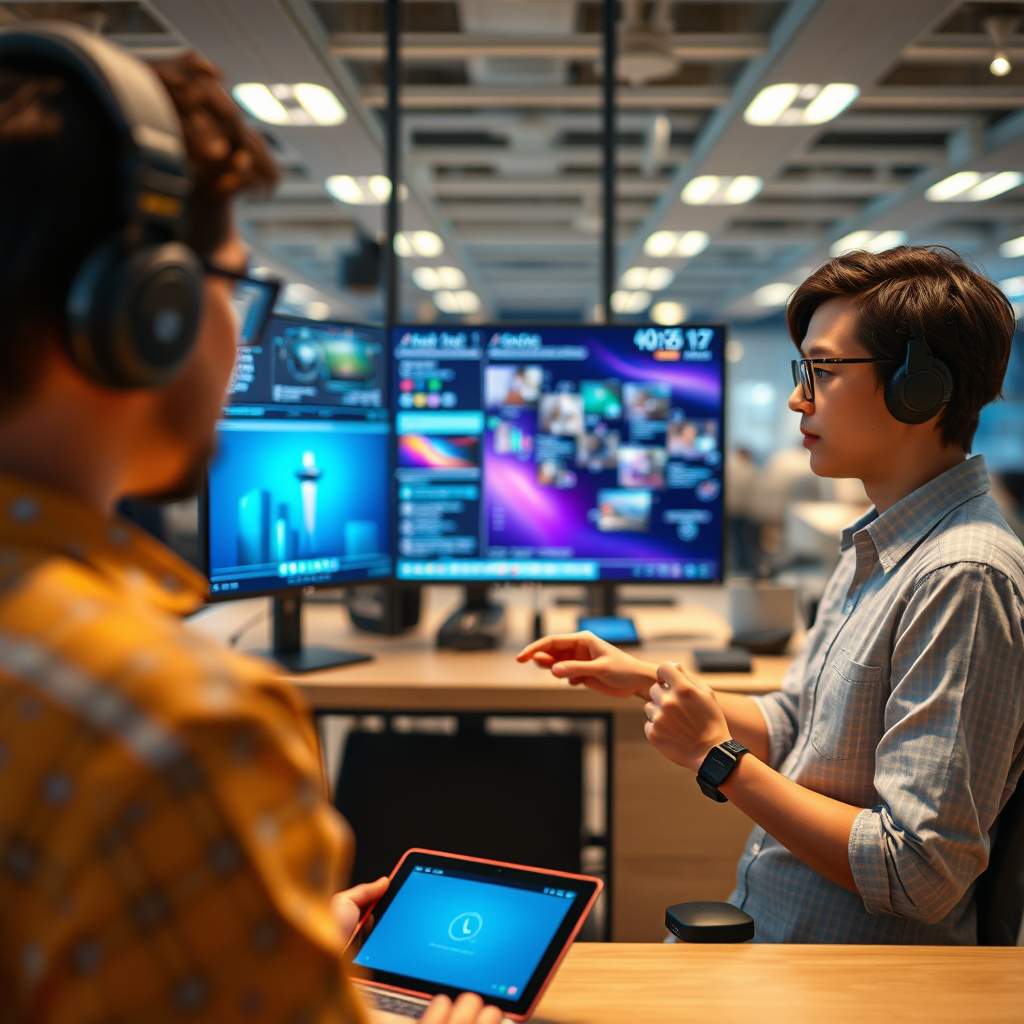
AI voice synthesis has come a long way since its inception. In the early days, voice generation was largely robotic and monotonous, limited to simple text-to-speech systems that lacked emotional depth and nuance. The 1980s and 1990s marked significant milestones, with the development of concatenative synthesis, which combined snippets of recorded speech to create more natural-sounding voices.
Fast forward to the 2000s, neural networks began to change the game. Technologies like WaveNet, developed by DeepMind, utilized deep learning algorithms to produce human-like speech. This was a pivotal moment, as it allowed for more expressive and varied speech patterns. In recent years, the introduction of transfer learning and advancements in speech synthesis models have further enhanced the ability of AI to create personalized voice models that cater to individual needs and preferences.
Understanding Personalized AI Voice Models
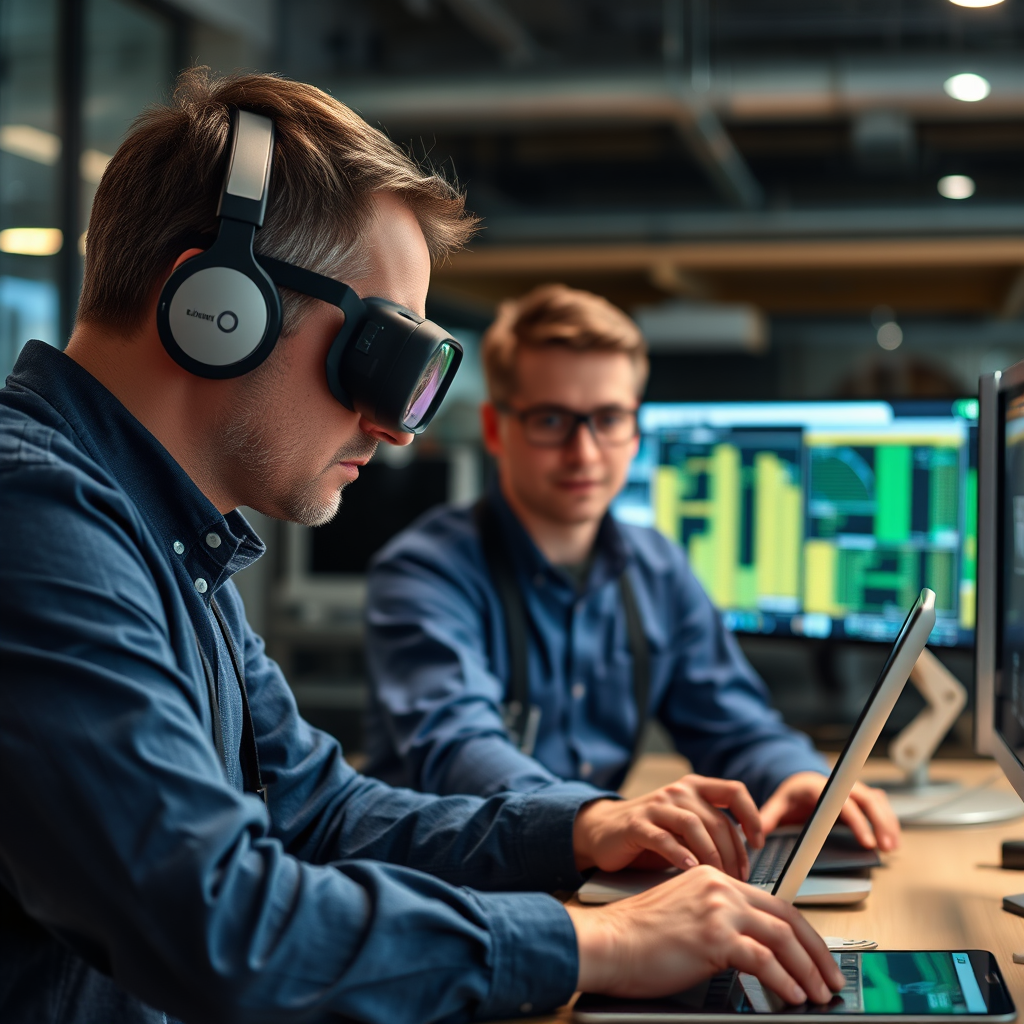
Personalized AI voice models are custom-designed voice outputs that reflect the unique characteristics of a specific individual or brand. These models are significant because they allow content creators to infuse their personality or brand identity into their videos, making the content feel more authentic and engaging. Unlike traditional voice synthesis, which typically relies on a generic voice that lacks personal touch, personalized models can capture nuances like accent, tone, and even emotional expression.
For instance, a fitness instructor might choose a voice that motivates and inspires, while a corporate trainer might prefer a more authoritative and clear tone. The ability to tailor these voices means that the audience can feel a connection to the content, enhancing their overall viewing experience.
Key Technologies Driving Personalization
The driving forces behind personalized voice models are primarily machine learning algorithms and natural language processing (NLP). Machine learning plays a crucial role in voice customization by analyzing vast datasets of speech samples to identify patterns and characteristics that can be replicated. These algorithms enable the creation of voices that not only sound human but also adapt to different contexts, such as varying speech speeds and emotional tones.
Natural language processing enhances voice realism by enabling the AI to understand the context of the spoken content. This understanding allows for more natural inflections and pauses, making the voice sound more conversational and relatable. For example, an AI voice that can recognize when to emphasize certain words or phrases can significantly improve the listener’s engagement and comprehension.
Applications of Personalized Voice Models in Video
The applications of personalized voice models in video content are vast and varied. In gaming, for instance, personalized voice synthesis can create unique characters with distinct voices, enhancing the immersive experience for players. Imagine a role-playing game where each character has a voice tailored to reflect their personality, making interactions more engaging and memorable.
In the realm of education, personalized voice models can revolutionize e-learning. Educators can create instructional videos using voices that resonate with their teaching style, fostering a more relatable learning environment. For example, a playful and friendly AI voice could make learning more enjoyable for younger audiences.
In entertainment, personalized voice models are already being used in animated films and series. Voice actors can lend their unique styles to characters, but AI-generated voices can offer an alternative for smaller productions that may lack the budget for high-profile talent. This not only broadens the accessibility of quality voice work but also allows for endless creative possibilities.
Challenges Facing AI Voice Personalization
Despite the promising landscape of personalized AI voice models, challenges remain. One significant ethical consideration is voice ownership and consent. As voice synthesis technology becomes more sophisticated, the potential for misuse increases. For instance, without proper consent, someone could create a personalized voice model of another individual, leading to issues of identity theft and privacy violations.
Technical limitations also pose challenges, particularly when it comes to capturing the full spectrum of human emotion and variation in accents or dialects. While current models can generate impressive results, they may struggle with regional nuances or specific emotional cues that are integral to conveying meaning in speech.
The Future Landscape of AI Voice Models
Looking ahead, the future of personalized voice models is poised for rapid advancement. Experts predict that over the next decade, we will see significant improvements in voice quality, making AI-generated voices nearly indistinguishable from human voices. This could open doors to new applications in industries like virtual reality and interactive storytelling, where immersive experiences rely heavily on realistic audio.
The market for personalized voice models is also expected to grow exponentially. As more creators recognize the benefits of tailored voices, the demand for sophisticated AI voice synthesis tools will rise. This presents emerging opportunities for businesses that specialize in voice technology, allowing them to cater to a diverse range of sectors, from marketing to healthcare.
As the landscape evolves, we can expect more user-friendly platforms that make it easy for anyone to create personalized voice models, democratizing access to this powerful technology.
The advancements in AI technology promise to revolutionize how personalized voice models are created for video content. As we navigate this evolving landscape, embracing these tools can enhance storytelling and make content more relatable. Consider exploring AI voice synthesis tools today to stay ahead in your content creation journey. The future is indeed bright for those ready to personalize their audio experiences!
Frequently Asked Questions
What are personalized AI voice models, and how do they work in video creation?
Personalized AI voice models are custom-generated voice profiles that can mimic specific individuals’ speech patterns, tones, and emotions. In video creation, these models utilize deep learning algorithms to analyze voice recordings and produce synthetic speech that sounds natural and engaging. This technology enables content creators to tailor their videos with unique voices, enhancing viewer engagement and emotional connection.
How can personalized AI voice models improve user engagement in videos?
Personalized AI voice models can significantly enhance user engagement by providing a more relatable and immersive viewing experience. When videos feature voices that resonate with specific target audiences or reflect the personality of the brand, viewers are more likely to connect with the content emotionally. This connection can lead to increased retention rates, shares, and overall audience satisfaction, making personalized voices a valuable tool for marketers and creators alike.
Why is the future of AI voice technology important for video production?
The future of AI voice technology is crucial for video production because it democratizes content creation, enabling individuals and smaller companies to produce high-quality videos without the need for expensive voice talent. Additionally, advancements in AI can lead to real-time voice generation, allowing for dynamic content adaptation based on audience feedback or preferences. As personalization becomes increasingly important in marketing and entertainment, AI voice technology will play a central role in shaping how content is delivered and consumed.
What are the best practices for creating effective personalized AI voice models for videos?
The best practices for creating effective personalized AI voice models include selecting high-quality training data, ensuring clear and consistent audio recordings, and using diverse speech samples to capture a wide range of emotions and tones. It’s also important to continually test and refine the model based on audience feedback, ensuring that the generated voice aligns with the intended message and brand identity. Additionally, considering ethical implications and obtaining consent when using someone’s voice is crucial for maintaining trust and integrity.
Which industries can benefit the most from using personalized AI voice models in video content?
Industries such as entertainment, education, marketing, and e-learning can benefit immensely from personalized AI voice models in their video content. For example, in education, these models can create interactive learning experiences that cater to individual student needs. In marketing, brands can deliver tailored messages that resonate with specific demographics. Additionally, the gaming industry can use personalized voices for characters, creating more immersive experiences for players, thus highlighting the versatility of AI voice technology across various sectors.
References
- Artificial intelligence
- https://www.nytimes.com/2023/09/20/technology/artificial-intelligence-voice-models.html
- https://www.bbc.com/news/technology-63494973
- https://www.sciencedirect.com/science/article/pii/S0004370222000056
- https://www.forbes.com/sites/bernardmarr/2023/10/01/the-future-of-ai-voice-technology/
- https://www.techcrunch.com/2023/09/15/the-evolution-of-ai-voice-generation/
- https://www.researchgate.net/publication/354758689_The_future_of_voice_technology_in_ai
- https://www.itu.int/en/ITU-T/focusgroups/ai4good/Pages/default.aspx
- https://www.openai.com/research/ai-in-the-future-of-voice